When designing a gold processing plant, many new mining investors are confused about whether to choose Carbon in Leach (CIL) or Carbon in Pulp (CIP). Both technologies use cyanide leaching and activated carbon adsorption to recover gold from ore, and they are widely applied in modern gold mines. However, the difference between them is mainly related to the timing of gold adsorption and the structure of the processing circuit.
As a mining equipment engineer with more than 15 years of experience, I often explain to customers that gold processing plant choice between CIL and CIP should not only depend on equipment cost. The ore characteristics, gold recovery requirement, plant capacity, and mineral composition all influence which process will deliver better economic performance.
What Is Carbon in Leach (CIL)?
Carbon in Leach is a gold extraction process that combines cyanide leaching and activated carbon adsorption in the same tanks. After the crushed and ground gold ore enters the leaching circuit, cyanide solution is added to dissolve gold from the ore particles. Activated carbon is introduced directly into these leaching tanks, allowing gold to be adsorbed while the leaching reaction is still taking place.
The main feature of CIL is that gold dissolution and gold adsorption happen simultaneously. Because activated carbon is present during the leaching stage, dissolved gold is quickly captured, which reduces the chance of gold loss caused by re-adsorption onto other minerals or organic materials.
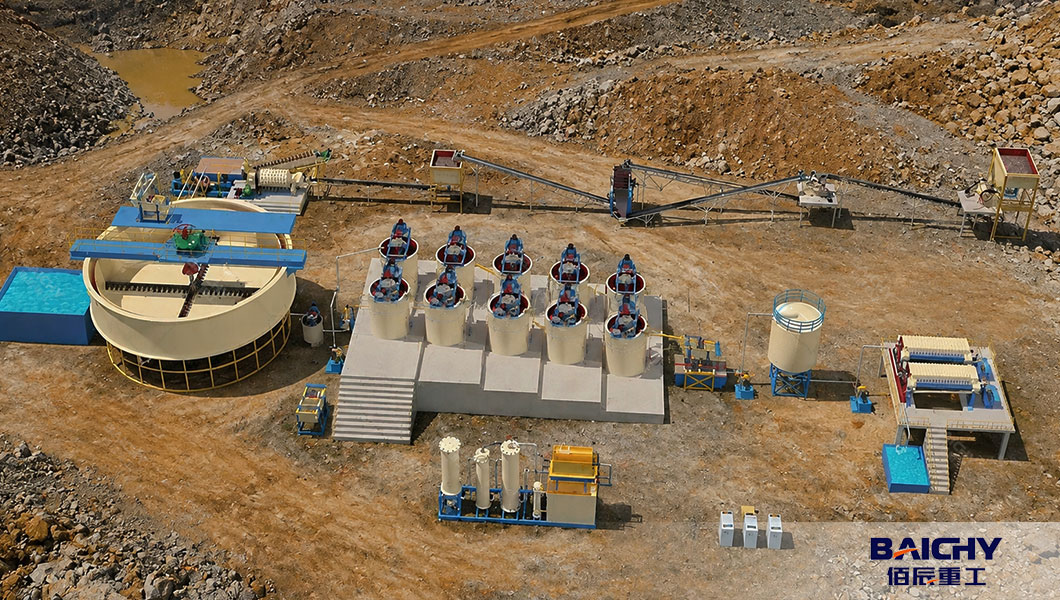
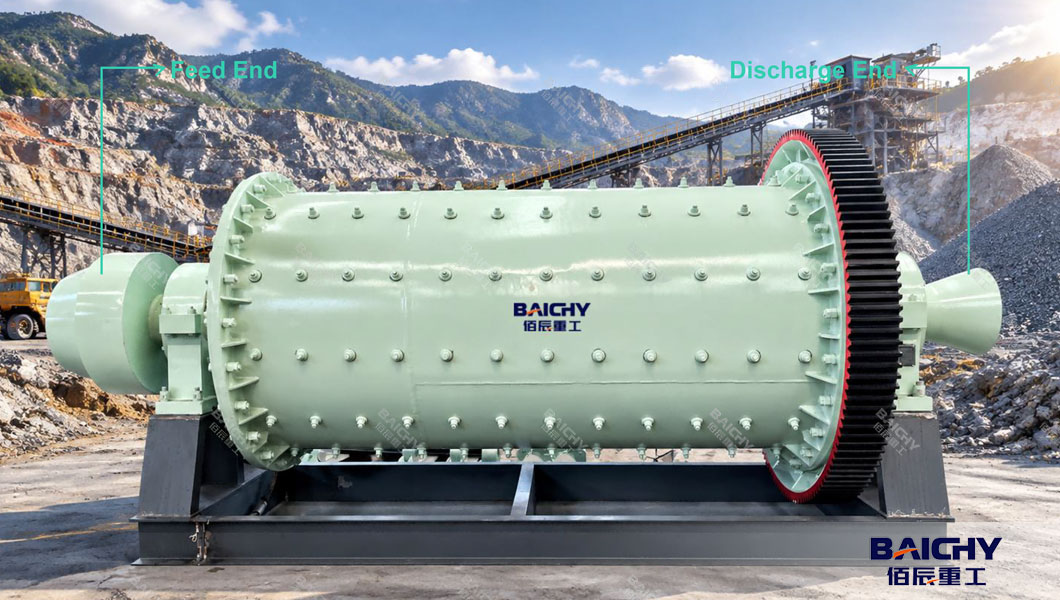
A typical CIL plant includes equipment such as a jaw crusher, ball mill, leaching tanks, carbon screens, carbon regeneration system, and gold recovery equipment. For example, a medium-scale gold plant may use several leaching tanks with a capacity of 50 to 300 m³ each depending on the required processing capacity and ore characteristics.
CIL is especially suitable for ores with relatively low gold content, high organic carbon content, or conditions where dissolved gold may be easily lost before recovery. The shorter process flow and fewer adsorption stages also make CIL attractive for many modern gold mining operations.
What Is Carbon in Pulp (CIP)?
Carbon in Pulp is another widely used gold recovery technology. Unlike CIL, the leaching and adsorption stages are separated. The ore is first treated in cyanide leaching tanks without activated carbon. After gold has been dissolved into the solution, the slurry moves into separate adsorption tanks where activated carbon captures the dissolved gold.
The advantage of this design is better control over each stage of the process. Operators can adjust the leaching time and carbon adsorption conditions independently, which can improve recovery efficiency when treating certain types of gold ore.
A conventional CIP plant usually requires a longer process layout because additional adsorption tanks and slurry transfer systems are needed. In a large gold processing plant, the CIP circuit may include several leaching tanks followed by multiple adsorption tanks (commonly 4 to 8 carbon adsorption stages depending on plant design and recovery targets).
CIP has been used successfully for decades and remains a preferred choice for many large-scale gold mines, especially when the ore has good cyanide leachability and stable gold mineral characteristics.
The Main Difference Between CIL and CIP
The biggest difference between Carbon in Leach and Carbon in Pulp is when activated carbon is added into the process.
In a CIL plant, activated carbon enters the leaching tanks together with cyanide solution. Gold dissolution and adsorption occur at the same time, creating a simpler and more compact processing circuit.
In a CIP plant, cyanide leaching is completed first, and activated carbon is added afterward. This separation allows more flexibility in controlling each stage but usually requires more equipment and a larger installation area.
From an equipment investment perspective, CIL generally has a simpler layout and lower initial construction cost. CIP may require additional tanks and pumps, but it can provide advantages when processing ores that need longer leaching periods or more precise process control.
CIL vs CIP: Which Process Provides Higher Gold Recovery?
Gold recovery performance depends more on ore properties than on the process name itself. A well-designed CIL plant can achieve excellent recovery rates when treating suitable ores, while a properly designed CIP plant can perform equally well under the right conditions.
For ores containing preg-robbing materials, such as natural carbonaceous matter that absorbs dissolved gold, CIL often provides better results because activated carbon captures gold earlier in the process. This reduces contact time between dissolved gold and harmful minerals.
For clean oxide gold ores with good leaching performance, CIP can achieve very high recovery rates because the leaching and adsorption stages can be optimized separately.
In practical mining projects, laboratory testing and mineral analysis are essential before selecting the final process. Factors such as gold particle size, cyanide consumption, ore hardness, and recovery target should be evaluated before equipment selection.
Equipment Considerations for CIL and CIP Plants
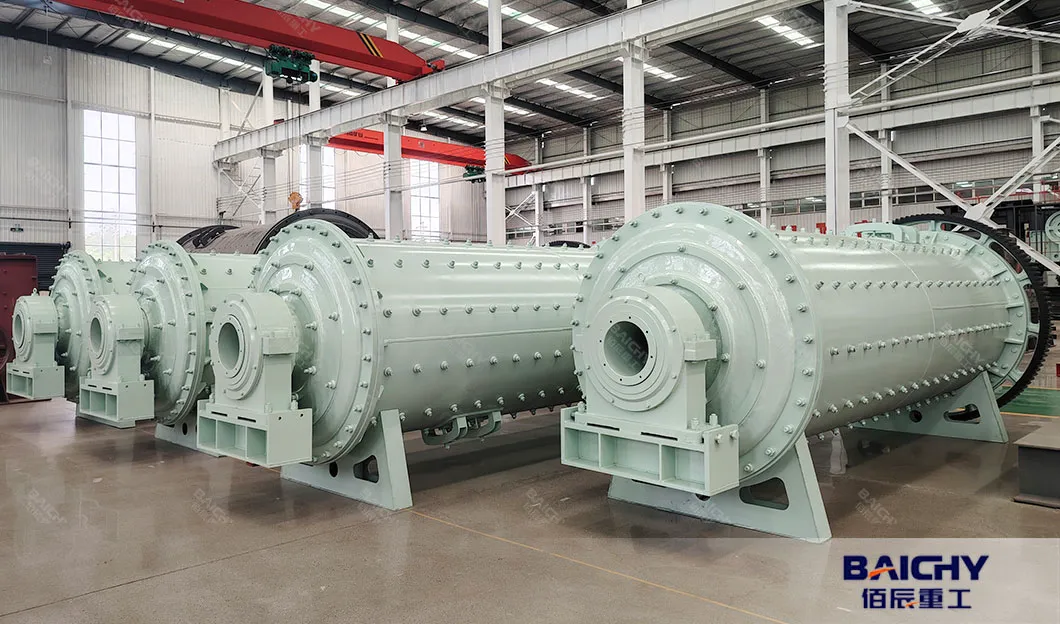
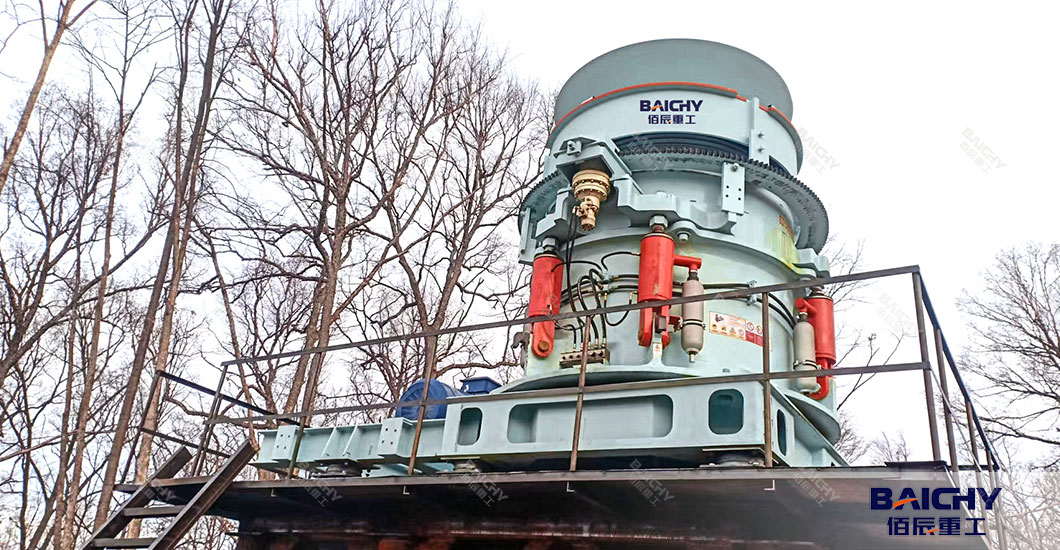
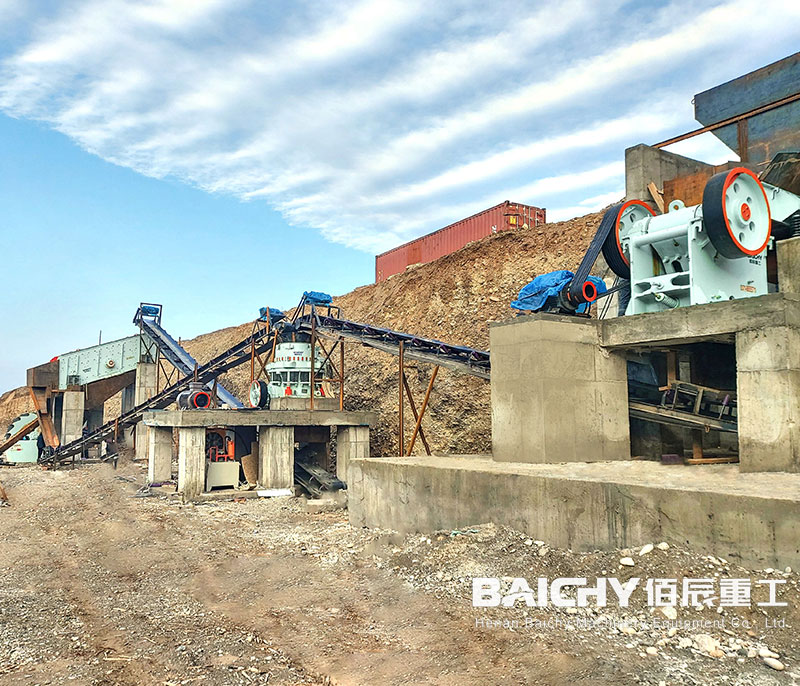
Although the process flow is different, both CIL and CIP plants require reliable crushing, grinding, and separation equipment. The crushing stage usually reduces raw ore to a suitable size, while grinding equipment such as a ball mill reduces the material further to improve gold liberation.
The leaching section requires corrosion-resistant tanks, mechanical agitators, air supply systems, and chemical dosing equipment. Activated carbon handling equipment, including carbon screens and carbon regeneration units, plays an important role in maintaining stable gold recovery.
For example, a complete gold processing plant with a capacity of 100 tons per hour may include a crushing system, grinding circuit, multiple leaching or adsorption tanks, and gold recovery equipment designed according to the ore test results and final product requirements.
How to Choose Between CIL and CIP for Your Gold Project
Choosing between CIL and CIP should start with understanding the ore rather than selecting equipment immediately. A mine with complex ore containing carbonaceous materials may benefit from the faster gold capture ability of CIL. A project with stable and easily leachable gold ore may achieve excellent results with CIP.
Project scale also affects the decision. Small and medium gold plants often prefer CIL because of its simpler operation and lower infrastructure requirements. Large mining operations may choose CIP when process flexibility and independent control of leaching and adsorption are more important.
The experience of the equipment manufacturer is also critical. A professional mining equipment supplier should provide process design, equipment selection, installation guidance, and technical support based on actual ore conditions instead of offering a standard solution for every project.
Carbon in Leach and Carbon in Pulp are both proven technologies for recovering gold from cyanide leaching solutions. CIL combines leaching and adsorption in the same tanks, making the circuit more compact and effective for certain difficult ores. CIP separates these stages, offering greater control and flexibility for many traditional gold processing applications. The best choice depends on mineral characteristics, production capacity, investment budget, and long-term operating requirements. Before building a gold processing plant, conducting ore testing and working with an experienced mining equipment manufacturer can help ensure a more reliable and profitable operation.
People Also Frequently Asked For - FAQ
Q1: What is the main difference between CIL and CIP in gold processing?
A: The simplest way to think about it: CIP leaches gold first in one set of tanks, then moves the slurry to a separate set of tanks where activated carbon adsorbs the gold. It's a two-step process. CIL skips the separation — carbon goes straight into the leach tanks, so gold dissolution and carbon adsorption happen in the same vessels at the same time. CIL needs fewer tanks and a smaller footprint; CIP gives you more independent control over each stage.
Q2: Which process gives better gold recovery — CIL or CIP?
A: Neither is universally "better." On clean, free-milling ores, both can achieve 90–95% recovery. The real difference shows up on difficult ores. If your ore contains natural carbonaceous material (preg-robbing ore), CIL will almost always recover more gold because the activated carbon captures dissolved gold before the ore's own carbon can steal it. On high-silver or very clean ores, CIP can actually edge out CIL by letting you control leach and adsorption separately. The only way to know for sure is a proper metallurgical test on your specific ore.
Q3: Is CIL cheaper to build than CIP?
A: Upfront, yes — usually. CIL uses fewer tanks, less piping, and a smaller footprint, which can save 15–20% on the leach section CAPEX for a typical 1,500–2,000 t/d plant. But CIL tends to consume more activated carbon over time because the carbon is tumbling in abrasive pulp from day one. CIP costs more to build but typically has lower carbon replacement costs. The right choice depends on whether your priority is minimizing initial CAPEX or long-term OPEX — and, critically, what your ore mineralogy demands.
Q4: Can CIL handle high-silver or copper-bearing gold ores?
A: CIL can handle copper-bearing ores reasonably well — the simultaneous adsorption helps manage cyanide consumption by pulling gold out of solution quickly. High-silver ores are more nuanced. Silver also adsorbs onto carbon and can compete with gold for adsorption sites in a CIL circuit, sometimes leading to lower gold loading per batch. In those cases, CIP is often preferred because it lets you manage silver and gold adsorption more deliberately in separate stages. A silver-to-gold ratio from your assay will tell you which direction to lean.




 2026-09-28





 86-15093113821
 86-15093113821