Gold extraction is a complex process that requires efficient crushing, grinding, and beneficiation equipment. Among all gold processing machines, the ball mill for gold extraction by grinding plays a key role in reducing gold ore particle size and improving gold liberation. By grinding ore into fine particles, the ball mill creates better conditions for subsequent processes such as gravity separation, flotation, and cyanide leaching.
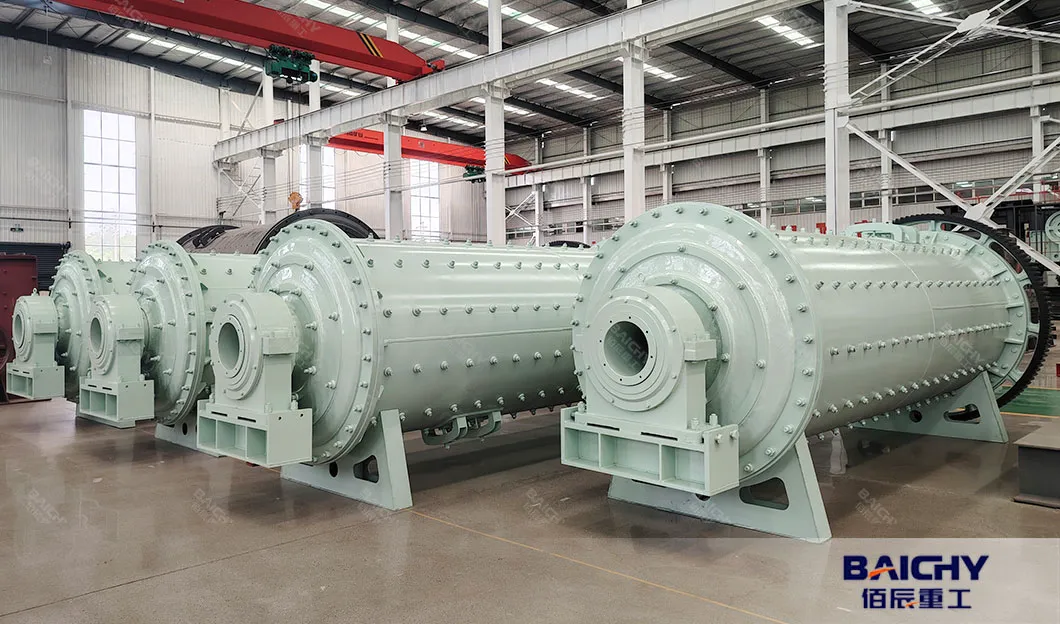
For both small-scale gold mines and large gold processing plants, selecting the right gold ore grinding mill can directly influence production capacity, energy consumption, and gold recovery rate.
What Is a Ball Mill for Gold Extraction?
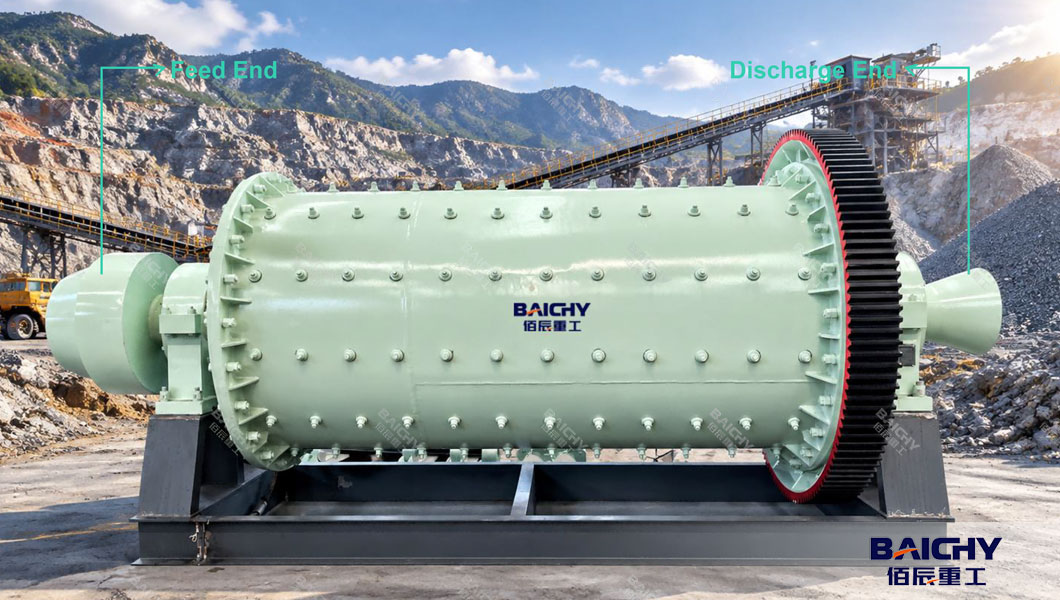
A gold ball mill is a type of grinding equipment that uses steel balls as grinding media to crush and grind gold-bearing ores. During operation, the cylinder rotates at a specific speed, causing the grinding balls and ore materials inside the mill to rise and fall. The impact and friction between the balls and ore gradually reduce the ore size.
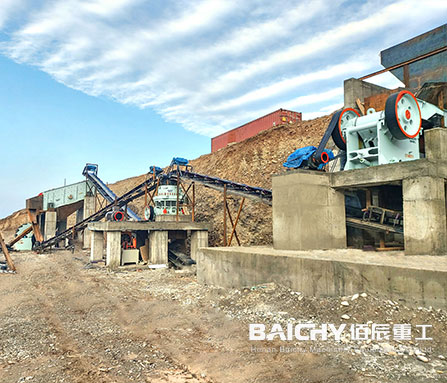
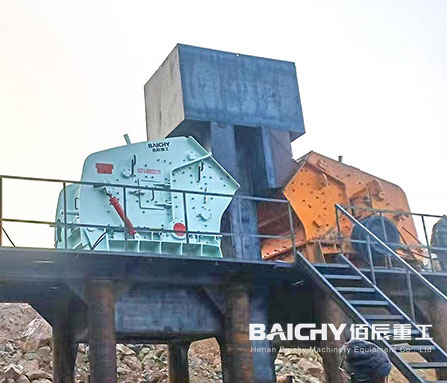
In gold extraction plants, ball mills are usually used after primary crushing equipment such as jaw crushers or impact crushers. The crushed gold ore enters the ball mill for further grinding until the required fineness is achieved.
The purpose of grinding is not only to reduce particle size but also to expose gold particles from surrounding minerals, allowing gold to be recovered more effectively in the following beneficiation process.
How Does a Ball Mill Work in Gold Ore Grinding?
The working process of a ball mill for gold extraction mainly includes feeding, grinding, and discharge.
The crushed gold ore is continuously fed into the mill through the feeding device. Inside the rotating cylinder, steel balls move together with the ore. When the grinding media reaches a certain height, it falls down and creates impact force, breaking the ore particles. At the same time, the continuous movement creates friction, further reducing the particle size.
After sufficient grinding, the fine ore slurry is discharged from the ball mill and sent to the next stage, such as a classifier, flotation machine, or leaching system.
For gold extraction, wet grinding is commonly used because it can improve grinding efficiency, reduce dust pollution, and provide suitable slurry conditions for mineral separation.
Why Is Ball Mill Grinding Important for Gold Extraction?
1. Improve Gold Liberation Rate
Gold particles are often embedded in quartz, sulfide minerals, or other host rocks. A ball mill can grind the ore into fine particles, releasing more free gold and increasing the contact area between gold minerals and recovery chemicals.
Better mineral liberation usually leads to higher gold recovery during flotation or leaching.
2. Suitable for Different Gold Ore Types
Ball mills can process various types of gold ores, including quartz gold ore, sulfide gold ore, and placer gold concentrate. By adjusting grinding parameters such as mill speed, ball size, and grinding time, the equipment can meet different processing requirements.
3. Stable Capacity and Continuous Operation
Gold mining projects often require long-term continuous production. A properly designed ball mill provides stable operation, large processing capacity, and reliable performance, making it suitable for small, medium, and large-scale gold plants.
4. Easy Integration with Gold Processing Plants
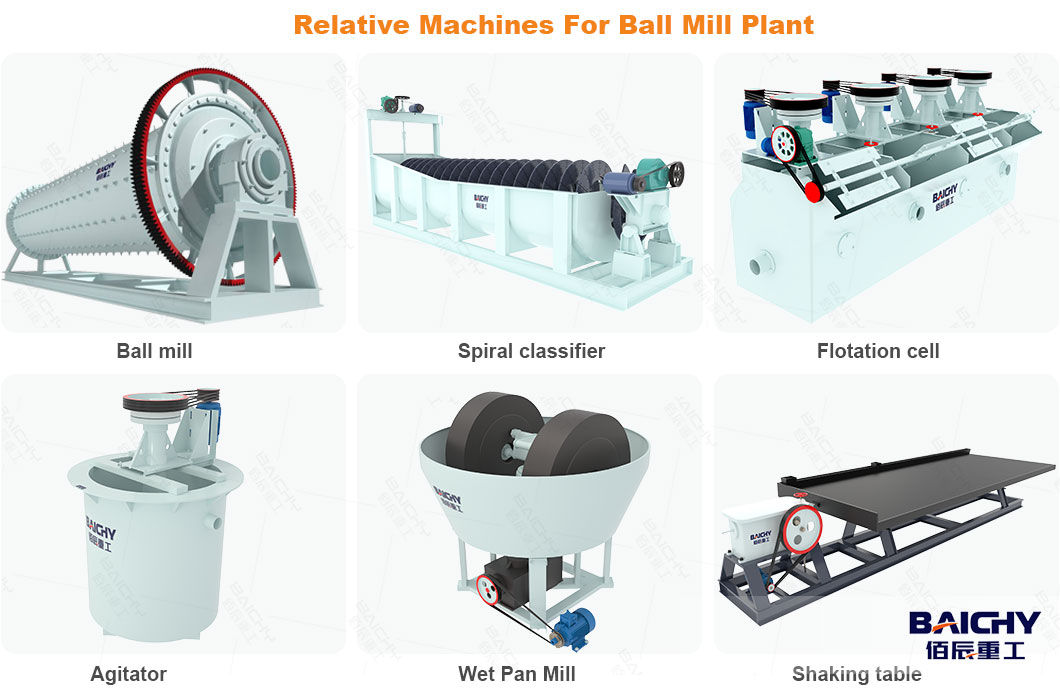
A gold ore ball mill can be combined with crushers, classifiers, gravity separators, flotation machines, and leaching equipment to form a complete gold beneficiation plant.
This flexibility makes ball mills one of the most widely used grinding machines in gold extraction.
How to Choose the Right Ball Mill for Gold Extraction?
Choosing a suitable gold mining ball mill requires considering several important factors.
1. Ore Characteristics
The hardness, mineral composition, and gold particle size of the ore determine the required grinding performance. Harder ores may require stronger grinding capacity and optimized grinding media.
2. Processing Capacity
The ball mill model should match the expected production capacity. Small-scale gold mines usually choose compact grinding mills, while large mines require high-capacity industrial ball mills.
3. Grinding Fineness Requirement
Different gold recovery methods require different grinding sizes. For example, flotation and cyanide leaching often need fine grinding to achieve better gold liberation.
4. Energy Consumption and Maintenance
A high-quality ball mill should provide efficient grinding with reasonable power consumption. Durable liners, reliable transmission systems, and easy maintenance design can reduce operating costs.
Baichy Ball Mill for Gold Extraction Projects
Baichy Machinery provides reliable ball mill solutions for gold ore grinding and mineral processing applications. The company offers customized grinding equipment based on ore conditions, capacity requirements, and downstream recovery processes. Baichy gold ore ball mills feature strong structural design, stable operation, and flexible configuration options. They can be used in small-scale gold processing plants, CIP gold plants, flotation plants, and other mineral beneficiation projects.
For example, in a small-scale gold processing project, a ball mill can work together with crushers, hydrocyclones, and leaching equipment to achieve efficient gold recovery from raw ore. With professional technical support, equipment selection guidance, and after-sales service, Baichy helps customers build practical and efficient gold extraction solutions.
Frequently Asked Questions (FAQ)
1. What type of ball mill is used for gold extraction?
Wet grinding ball mills are commonly used in gold extraction plants because they provide efficient grinding performance and are suitable for flotation and leaching processes.
2. What size of ball mill is needed for gold ore processing?
The required ball mill size depends on ore hardness, processing capacity, feed size, and required grinding fineness. A professional equipment supplier can recommend the suitable model according to project conditions.
3. Can a ball mill grind gold ore into fine powder?
Yes. A ball mill can grind crushed gold ore into fine particles, helping release gold minerals from surrounding rocks and improving recovery efficiency.
4. How does grinding affect gold recovery?
Proper grinding improves mineral liberation, allowing more gold particles to be exposed and recovered during subsequent beneficiation processes such as flotation or cyanide leaching.




 2026-09-28





 86-15093113821
 86-15093113821