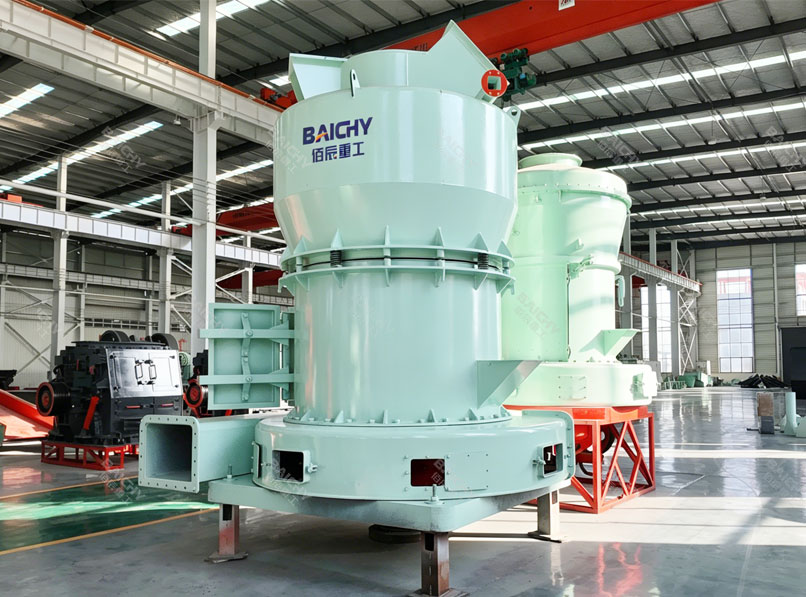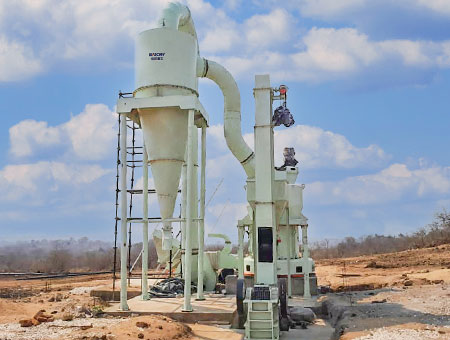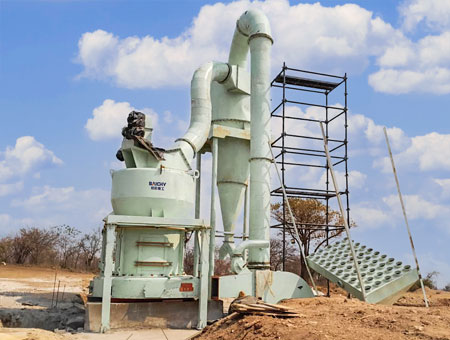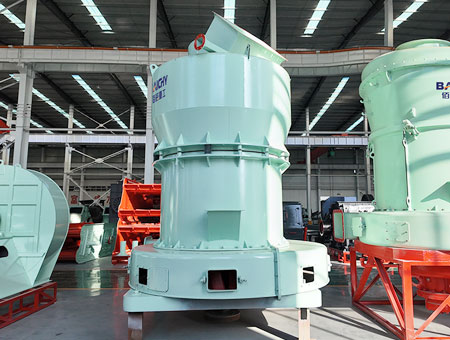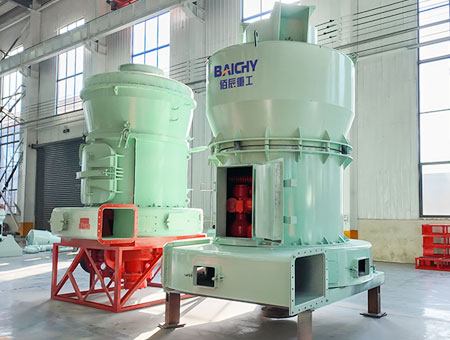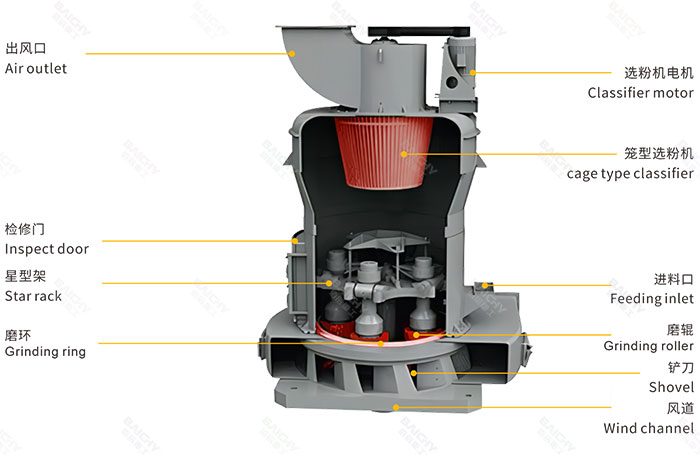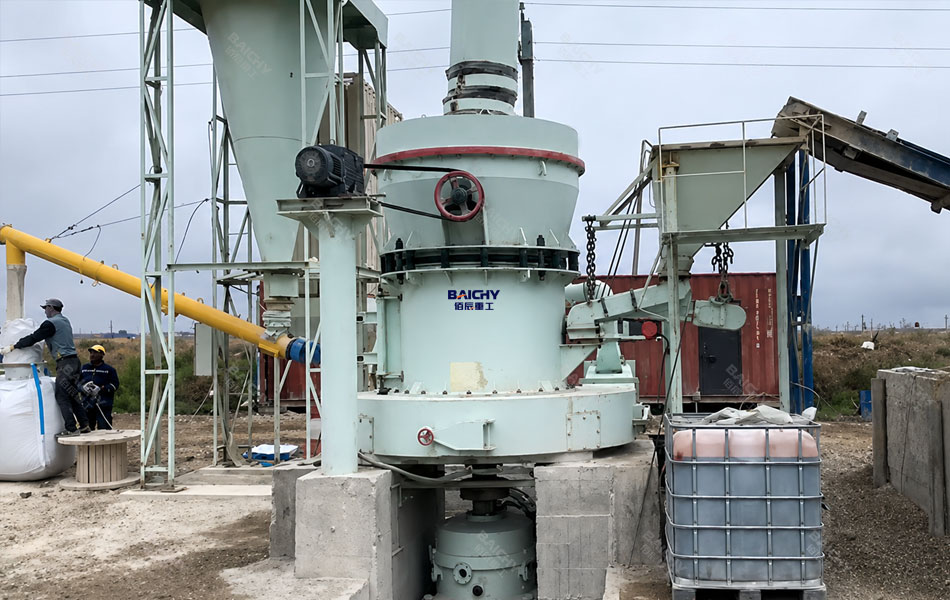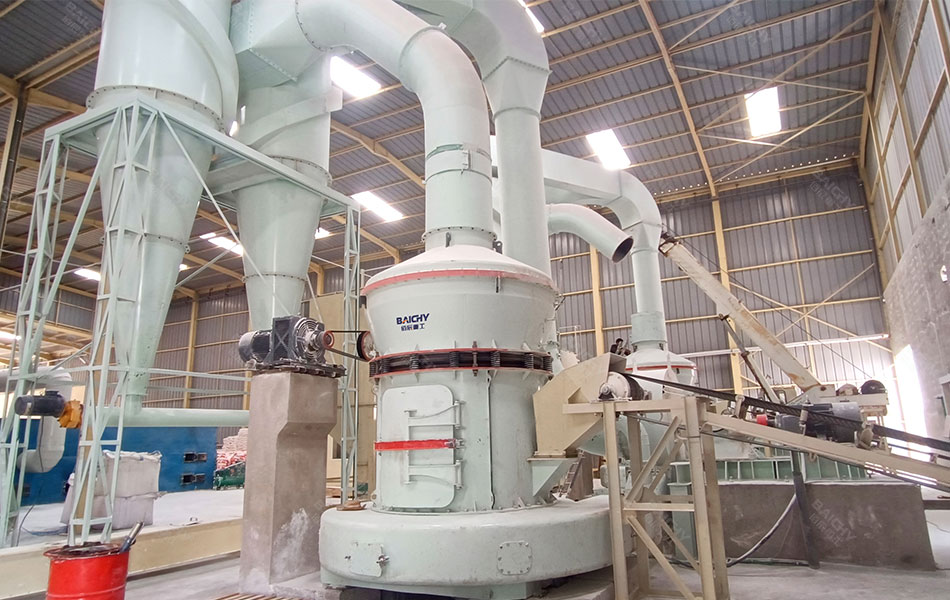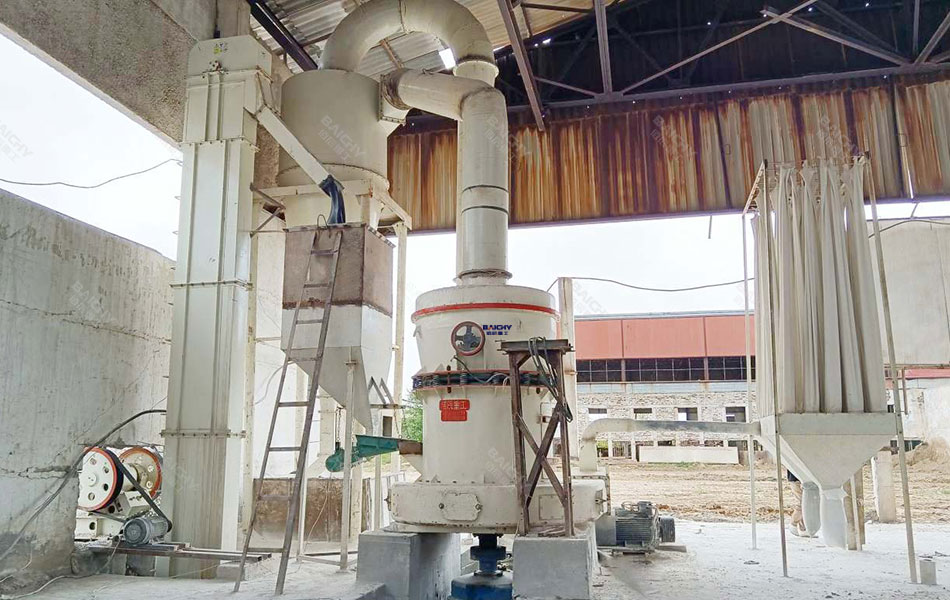
YGMX Enhanced Raymond Mill is a high-efficiency evolution of the traditional industrial grinding mill. Featuring a patented cage-type classifier and high-pressure trapezium technology, it delivers higher output and superior fineness precision compared to standard raymond mills.


1. Precision Sizing: The cage-type rotor uses high-density blades and centrifugal force to create a "sharp cut-point." This ensures that only particles meeting the exact micron specification pass through, while over-sized particles are returned for re-grinding.
2. VFD Digital Control: Unlike manual blade adjustments, the YGMX fineness is controlled via a Variable Frequency Drive (VFD). Operators can adjust the cage rotation speed in real-time to switch between 80 and 600 mesh with surgical precision.
3.Increased System Throughput: By preventing "near-size" particles from clogging the circuit, the cage classifier reduces the internal recirculating load, increasing overall hourly capacity.


Equipped with a top-mounted cage classifier, the mill allows for precise particle size control. The frequency conversion system ensures high efficiency and cleaner product separation.
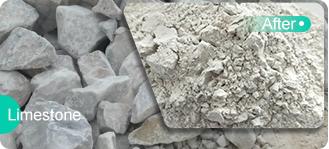
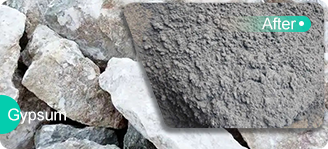
This enhanced mill produces much finer particles compared to traditional designs. It can achieve a discharge fineness ranging from 80 to 600 mesh, meeting strict high-end industrial standards.
The internal high-pressure spring system increases the grinding force of the rollers. This ensures higher throughput and greater stability when processing hard materials like barite or marble.
Equipped with a centralized lubrication system, the mill offers low maintenance and high reliability. This design ensures continuous and stable long-term operation.
1.Raw materials (≤20mm after pre-crushing) are lifted to the hopper, then fed evenly into the main grinding chamber via a vibrating feeder.
2.The main motor drives the plum blossom frame and grinding rollers to revolve around the central axis; centrifugal force + high-pressure springs press rollers tightly against the grinding ring.
3. Shovel blades continuously feed materials between rollers and rings; materials are ground into fine powder via rolling, extrusion and impact.
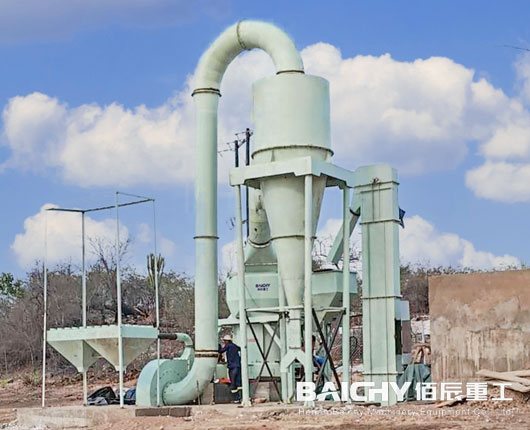
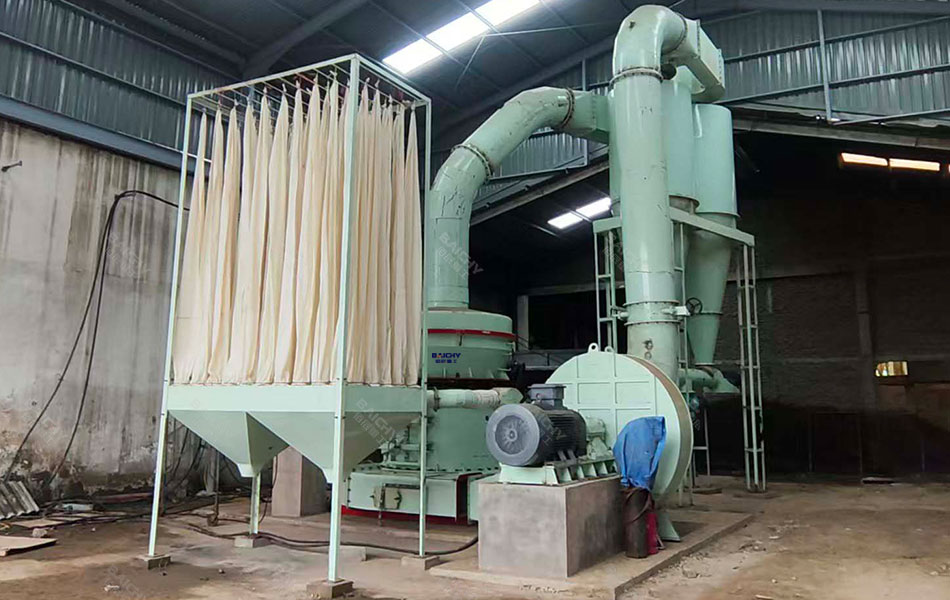
4. Blower airflow carries fine powder upward to the cage type classifier; qualified powder enters the cyclone collector, is separated and discharged as finished product; oversize particles fall back for re-grinding.
5. Residual air and dust pass through the pulse dust collector for purification before emission, forming a closed, efficient grinding system.


| Model | YGMX95 | YGMX130 | YGMX160 | YGMX190 | |
| Roller No. | 4 | 5 | 6 | 6 | |
| Roller Size(L×H) | 310×190 | 410×230 | 450×300 | 500×330 | |
| Grind Ring Inner Dia. | 950×190 | 1280×230 | 1600×300 | 1900×330 | |
| Max Feeding Size(mm) | 25 | 30 | 35 | 40 | |
| Output Size (mm) | 150-1250 | 150-1250 | 150-1250 | 150-1250 | |
| Capacity(t/h) | 0.5-4.5 | 2-8.2 | 4-15 | 5-23 | |
| Power (kw) | Main Grinder | 45 | 90 | 132 | 220 |
| Blower | 37 | 90 | 132 | 250 | |
| Powder Classifier | 11 | 18.5 | 22 | 22 | |
| Overall Dimension (mm) | 7100×5900×7900 | 7900×8000×9700 | 12550×5700×8355 | 11200×8530×9685 | |
*The output will vary according to different materials, feed particle size and other factors
Save Time! Get A Detailed Quotation Quickly.