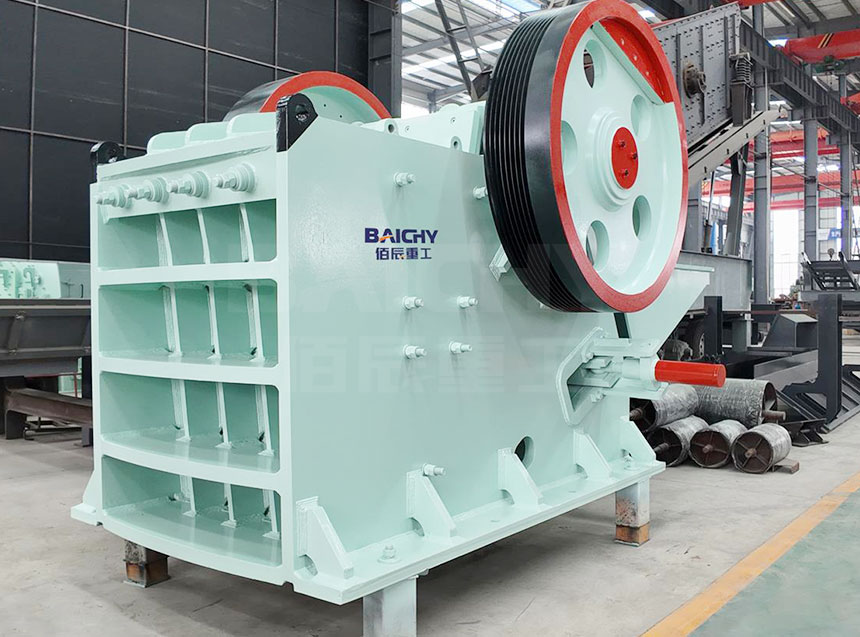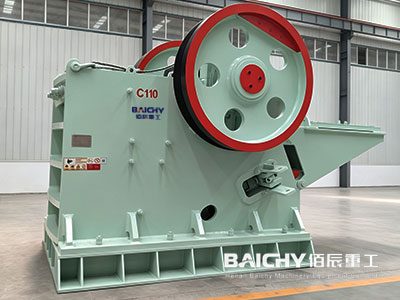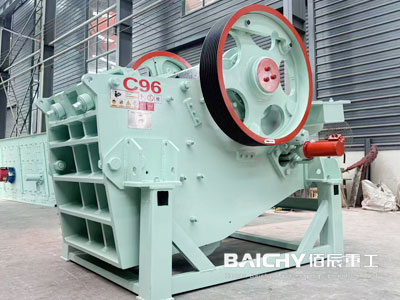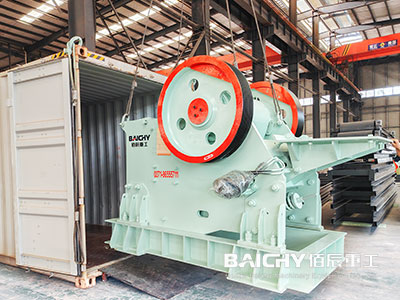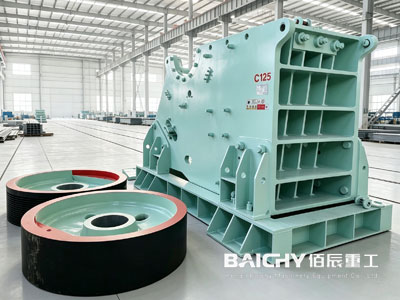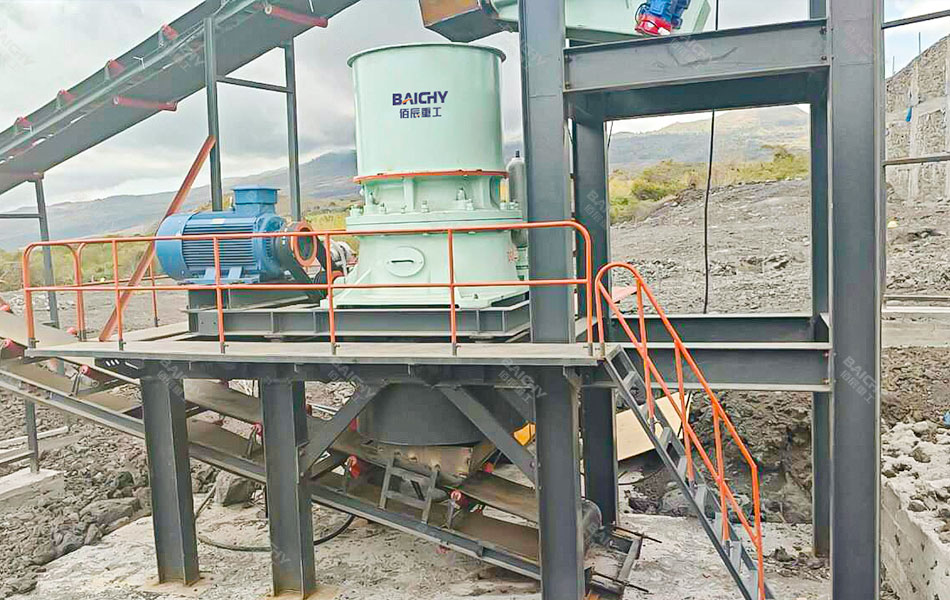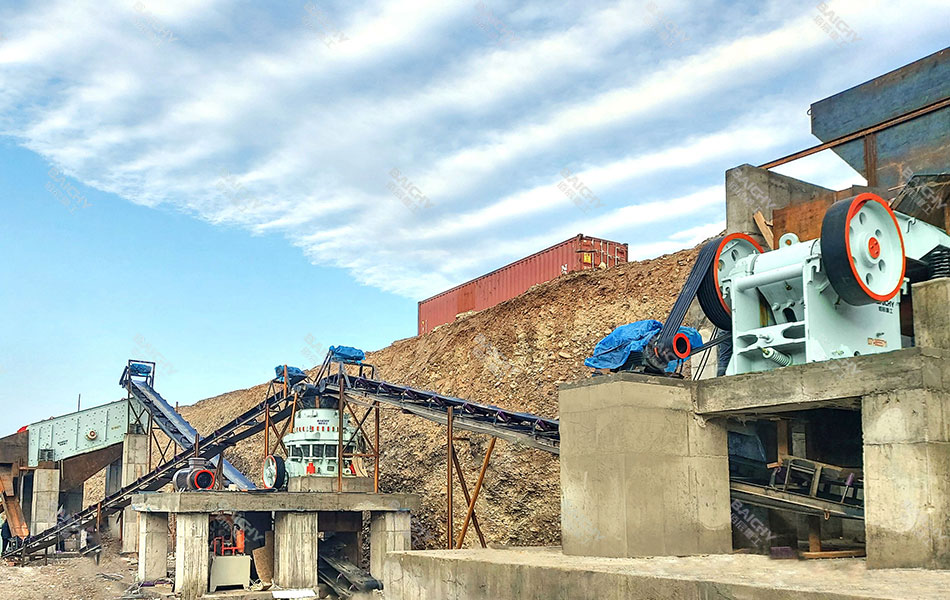
A C Series Jaw Crusher is a high-performance primary crushing machine designed for processing large rocks into smaller sizes. It adopts an optimized crushing chamber and deeper cavity design, allowing more efficient material feeding and better crushing performance.


1. Primary crushing in large metal mines. C Series units are widely used as the first-stage crusher for run-of-mine ore in large open-pit operations such as iron, copper and gold mines, where the heavy-duty frame handles continuous impact of large hard rocks.
2. Large-scale sand and aggregate lines. High-capacity sand and gravel plants (1,000+ t/h) for highways and hydropower, delivering higher throughput and better cubical shape.
3. Crushing hard and highly abrasive rock. Granite, basalt and quartzite, where the aggressive stroke grips hard rock easily while wear parts and bearings keep running costs down.
4. Construction waste recycling and mobile crushing plants. The modular frame transports in pieces and suits mobile stations; hydraulic adjustment and tramp-iron protection handle mixed demolition waste.


C Series jaw crusher deliver more throughput than PE models of equal size, while cutting unit power use.The processing capacity is higher.
Its pinned, bolted, non-welded frame removes weld stress entirely, giving outstanding fatigue strength, so it runs far longer under heavy loads without cracking, unlike welded PE frames.
Wedge or hydraulic systems give stepless discharge control, so settings are fine-tuned in seconds without shutdown. PE units still need manual shims, wasting time and halting production.
Oversized roller bearings, integral cast-steel housings and manganese jaw plates sharply extend service life. Reversible wear parts further cut downtime, upkeep and running costs.
The crushing method of C-series jaw crusher is dynamic squeeze.
The working principle is: the electromotor drives the belt and pulley to make the movable jaw move back and forth, up and down through the eccentric shaft. The top of the crushing chamber is larger than the bottom. The moving jaw moves back and forward against the fixed jaw, and material fed from the top chamber is compressed between the two jaws, breaking it into smaller pieces.
As the moving jaw moves away from the fixed jaw, the crushed material is discharged from discharge opening at the bottom. The required size is determined by the gap between the jaws.


| Model |
Feeder Opening Size(mm) |
Max. Feeding Size (mm) |
Outlet adjusting range(mm) |
Centrifugal Shaft Speed(rmp) |
Capacity (t/h) |
Motor Power (kw) |
| C80 | 500×750 | 400 | 40-150 | 290 | 50-160 | 55 |
| C90 | 610×910 | 500 | 60-180 | 260 | 60-180 | 75 |
| C100 | 760×1060 | 600 | 70-200 | 260 | 150-300 | 110 |
| C110 | 850×1100 | 700 | 70-200 | 230 | 200-400 | 132 |
| C125 | 950×1250 | 800 | 100-250 | 220 | 300-800 | 160 |
| C140 | 1070×1400 | 900 | 125-270 | 220 | 400-900 | 200 |
| C160 | 1200×1600 | 1000 | 150-300 | 220 | 500-1200 | 250 |
| C200 | 1500×2000 | 1200 | 175-300 | 200 | 800-1400 | 400 |
*The output will vary according to different materials, feed particle size and other factors
Save Time! Get A Detailed Quotation Quickly.