In a large iron ore processing plant in South America, the crushing system was running smoothly, but the production team faced a new challenge after the ore entered the grinding stage. The crushed iron ore particles were still too coarse for efficient separation, resulting in lower recovery rates and unstable concentrate quality.
The plant needed a grinding solution that could continuously reduce iron ore particle size, handle high-volume production, and maintain stable operation under demanding mining conditions. After comparing different grinding technologies, the operator selected a ball mill as the core equipment for the iron ore grinding process. This situation reflects a common challenge in iron ore beneficiation. Crushing can reduce large rocks into manageable sizes, but fine grinding is often the key stage that determines whether valuable iron minerals can be effectively separated from gangue materials.
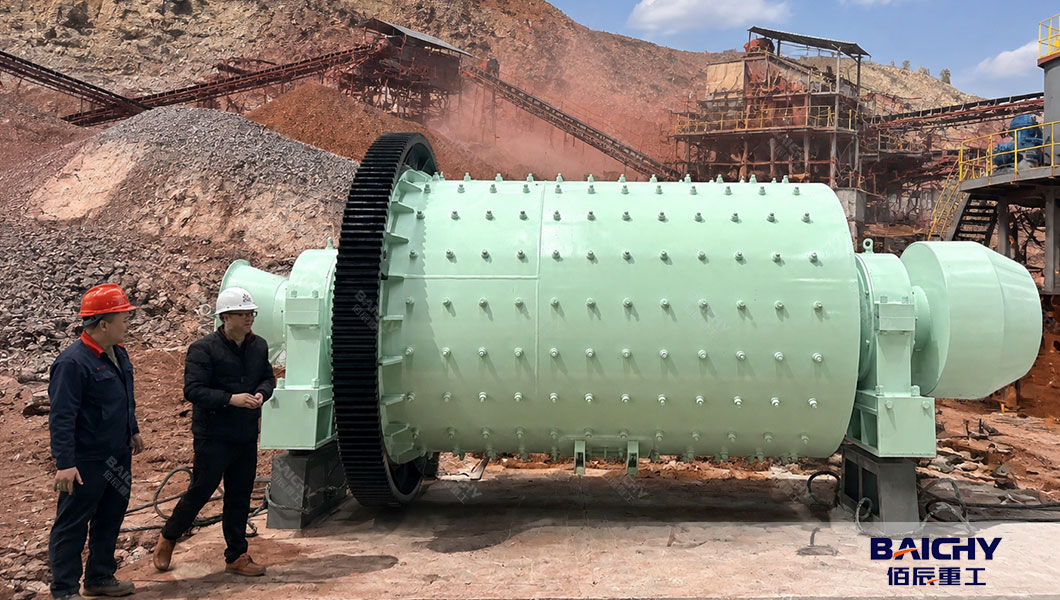
The Role of Ball Mill in Iron Ore Grinding
A ball mill is widely used in iron ore processing plants as a secondary grinding machine after the crushing stage. Its main purpose is to further reduce crushed iron ore into fine particles suitable for magnetic separation, flotation, or other beneficiation processes.
During operation, the cylindrical drum rotates at a controlled speed while grinding media, usually steel balls, move inside the mill. The impact and friction between the steel balls and iron ore gradually break the particles into smaller sizes.
For iron ore applications, the grinding fineness requirement depends on the mineral composition and beneficiation method. Some magnetite ores require very fine grinding to release iron minerals from surrounding rock, while some hematite ores may require different grinding conditions.
A properly selected iron ore grinding mill ball mill can help improve mineral liberation, increase recovery efficiency, and provide a more stable feed for downstream separation equipment.
Why Ball Mills Are Commonly Used for Iron Ore Processing
Iron ore plants often operate continuously for many years, so equipment reliability is a major consideration. Ball mills have become a popular choice because of their robust structure, simple operation, and ability to handle large processing volumes.
Compared with some advanced grinding systems, ball mills offer several practical advantages for mining operations. Their design is mature, spare parts are widely available, and operators can easily adjust grinding conditions according to ore characteristics.
In a magnetite iron ore project in Africa, the customer needed a grinding system for a 2000 TPD beneficiation plant. The raw ore contained a high percentage of hard magnetite, requiring stable grinding performance before magnetic separation. A ball mill was selected due to its strong grinding capacity and adaptability to continuous production. After commissioning, the grinding circuit achieved stable operation and provided a consistent particle size distribution for the magnetic separation stage.
How to Select the Right Iron Ore Ball Mill
Choosing an iron ore ball mill requires more than selecting equipment based on processing capacity. Several factors, including ore hardness, feed size, required output fineness, and production scale, should be considered.
The mill size must match the expected throughput. For example, a small-scale iron ore concentrator may use a compact ball mill, while large mining operations often require larger diameter mills with higher processing capacity.
The grinding media selection also affects performance. The size, quantity, and quality of steel balls influence grinding efficiency and energy consumption. In some iron ore plants, a combination of different ball sizes is used to improve grinding performance.
The design of the discharge system is another important factor. Overflow ball mills are commonly used when finer grinding is required, while other designs may be selected depending on the production process.
Before selecting equipment, engineers usually evaluate laboratory test results, ore characteristics, and the complete beneficiation flow to determine the most suitable grinding solution.
Ball Mill Grinding Process in an Iron Ore Beneficiation Plant
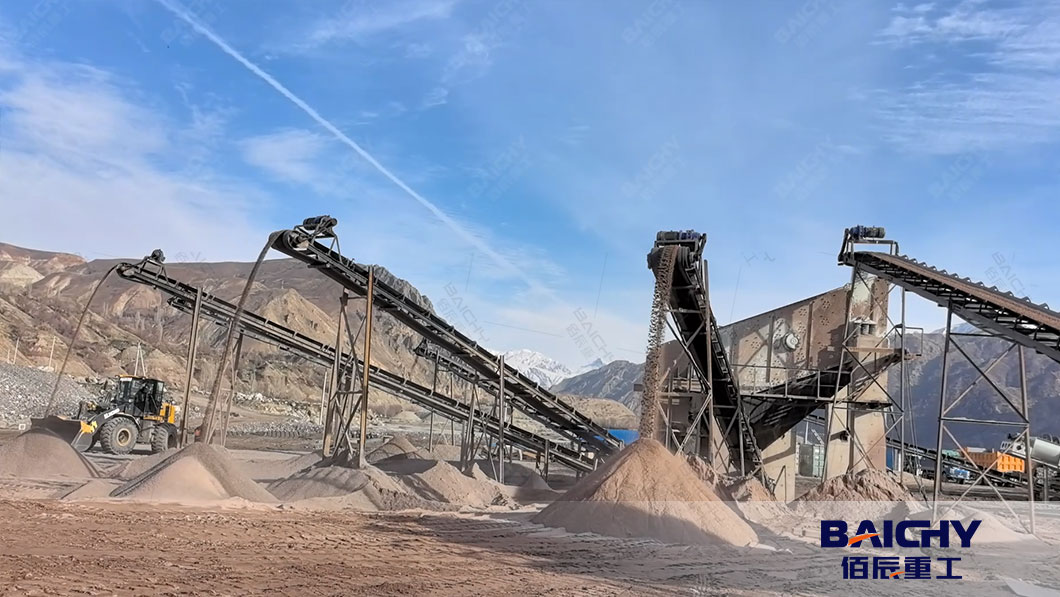
A typical iron ore grinding process begins after primary and secondary crushing. The crushed ore is transported to the ball mill through conveyors or feeders.
Inside the mill, steel balls grind the ore into fine particles. The slurry or dry material then exits the mill and enters classification equipment, such as hydrocyclones, where particles are separated according to size.
Fine particles continue to the beneficiation stage, while coarse particles may return to the ball mill for further grinding. This closed-circuit operation helps maintain stable grinding efficiency and reduces unnecessary energy consumption.
In a complete iron ore beneficiation plant, the ball mill works together with crushers, feeders, classifiers, magnetic separators, and dewatering equipment to form an integrated processing system.
Energy Efficiency and Maintenance Considerations
Grinding is usually one of the most energy-intensive stages in mineral processing, so improving ball mill efficiency directly affects operating costs.
Regular maintenance plays an important role in maintaining performance. Wear parts such as liners and grinding media need periodic inspection and replacement. Proper lubrication of the transmission system and monitoring of operating parameters can also extend equipment service life.
Modern iron ore plants often combine optimized mill design with automation systems to monitor factors such as mill load, power consumption, and grinding performance. These improvements help operators maintain stable production while reducing unexpected downtime.
Practical Iron Ore Grinding Solution from Baichy Machinery
A mining company in Asia planned to expand its iron ore beneficiation capacity and required a reliable grinding system for continuous operation. The project involved processing magnetite ore with high hardness and required a stable feed size for the following magnetic separation process.
Based on the customer's production requirements, Baichy Machinery provided a ball mill grinding solution integrated with feeding and classification equipment. The system was designed according to the ore characteristics, target capacity, and required grinding fineness.
During operation, the ball mill maintained stable performance and provided a uniform ground product, helping the customer improve the efficiency of the downstream beneficiation process.
Common Questions About Iron Ore Grinding Mill Ball Mill
1. What size ball mill is used for iron ore grinding?
The ball mill size depends on the ore properties, processing capacity, and required grinding fineness. Small beneficiation plants may use smaller mills, while large iron ore mines usually require larger industrial ball mills.
2. Is a ball mill suitable for magnetite iron ore?
Yes. Ball mills are widely used for magnetite iron ore because they can provide the fine grinding required to liberate magnetite minerals before magnetic separation.
3. How can I improve ball mill efficiency in an iron ore plant?
Improving feed size control, selecting suitable grinding media, maintaining proper mill loading, and optimizing the classification system can help improve grinding efficiency.
4. What information is needed to select an iron ore ball mill?
Engineers usually need information about ore type, hardness, feed size, required capacity, final product size, and the complete beneficiation process before recommending a suitable ball mill. Selecting the right iron ore grinding mill ball mill is closely related to the ore characteristics and production goals of each project. If you are planning an iron ore beneficiation plant or upgrading an existing grinding circuit, provide your ore information and processing requirements to discuss a suitable grinding solution.




 2026-10-12





 86-15093113821
 86-15093113821