The stone crusher price in South Africa depends on many factors, including crushing capacity, raw material hardness, equipment configuration, automation level, and whether you choose a mobile or stationary crushing plant. A small jaw crusher for a startup quarry requires a much lower investment than a complete 100-300 TPH stone crushing plant for commercial aggregate production.
For most South African quarry and mining projects, the total investment usually includes crushers, vibrating feeders, screens, conveyors, electrical systems, installation costs, transportation, and spare parts. Therefore, buyers should evaluate the complete solution instead of comparing only the price of a single machine. Baichy Machinery provides customized stone crushing solutions based on different materials, production requirements, and project conditions.
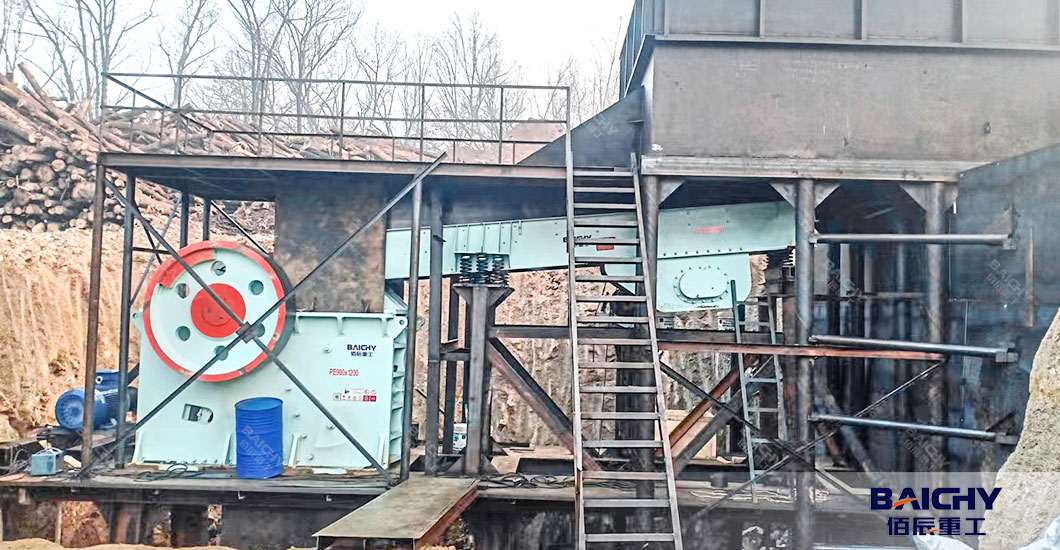
How Much Does a Stone Crusher Cost in South Africa?
The cost of a stone crusher in South Africa can vary greatly depending on the production scale and equipment design. For small-scale crushing applications, a simple jaw crusher may cost from tens of thousands of dollars. For medium and large quarry projects, the investment can increase significantly because the plant requires multiple crushing stages, screening equipment, conveyors, and a complete material handling system.
A small crushing plant with a capacity of around 10-50 tons per hour is usually suitable for small quarries or contractors who need basic aggregate production. A medium-sized crushing plant with a capacity of 100-150 tons per hour is commonly used for commercial aggregate production. Large crushing plants above 200 tons per hour are mainly designed for highway construction, infrastructure projects, and large mining operations.
The exact stone crusher price in South Africa depends on the customer's actual production conditions. A professional manufacturer normally provides a technical proposal first and then calculates the final quotation based on equipment selection, plant layout, and shipping requirements.
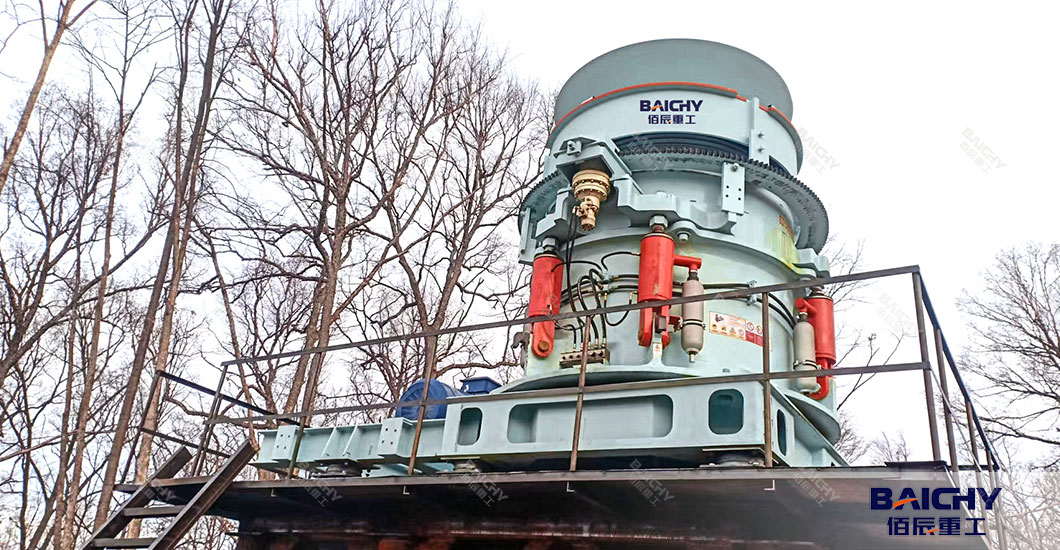
What Factors Affect Stone Crusher Price in South Africa?
The price of a stone crusher is influenced by several important factors. Understanding these factors can help customers make a more reasonable investment decision.
1. Raw Material Characteristics
The hardness and properties of the raw material directly affect crusher selection and operating cost. South Africa has rich mineral resources and a large number of quarry materials, including granite, basalt, limestone, and quartzite. Hard rocks such as granite and basalt require stronger crushing equipment because they create higher wear during operation.
For softer materials like limestone, impact crushers may be suitable because they provide efficient crushing performance and good particle shape. For harder materials, a combination of jaw crushers and cone crushers is often preferred because of their strong crushing ability and long service life.
Choosing the correct crusher according to the material condition can reduce unnecessary maintenance costs and improve production efficiency.
2. Production Capacity Requirements
Production capacity is another key factor affecting the stone crusher plant price. A small quarry producing several dozen tons of aggregate per hour has completely different equipment requirements compared with a large commercial quarry producing hundreds of tons per hour.
For example, a 50-70 TPH crushing plant may include a jaw crusher, vibrating screen, and conveyor system, making it suitable for small and medium projects. A 100-200 TPH crushing plant usually requires primary crushing, secondary crushing, and multi-stage screening to achieve different aggregate sizes.
Large-scale projects with production requirements above 300 TPH normally need heavy-duty crushers, automated control systems, and a more complex plant design. Although the initial investment is higher, the production cost per ton can be reduced through continuous and stable operation.
3. Mobile or Stationary Crushing Plant
The choice between a mobile crusher and a stationary crushing plant also affects the total investment.
A mobile stone crusher is designed for customers who need flexibility and fast installation. Because the equipment is installed on a movable chassis, it can be transported between different working areas. This makes mobile crushers popular for road construction projects, mining contractors, and temporary quarry operations.
A stationary crushing plant is more suitable for long-term quarry production. Although it requires more preparation during installation, it provides stable production capacity and better efficiency for large-scale operations. Many permanent quarries in South Africa choose stationary plants because they are designed for continuous production over many years.
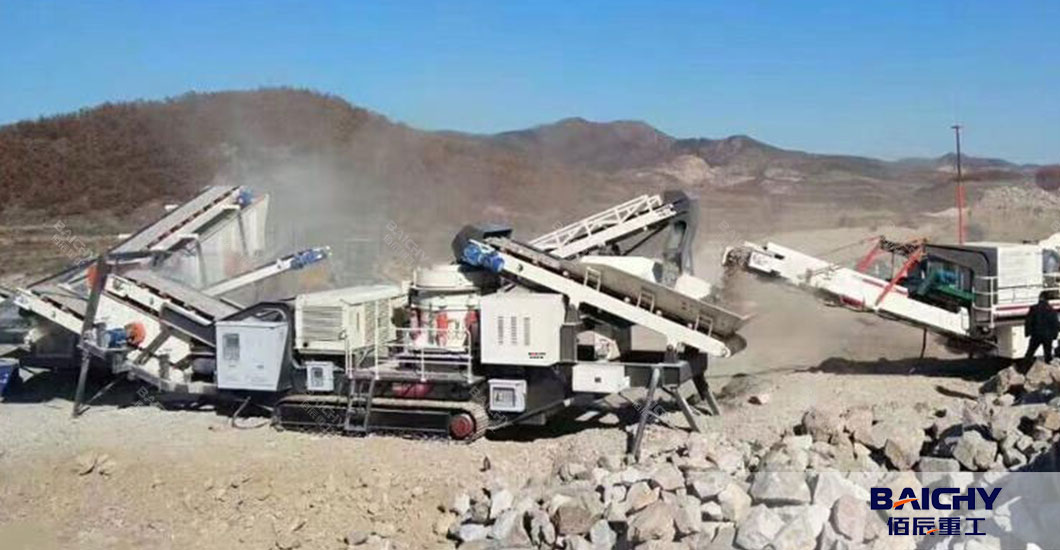
Common Stone Crusher Solutions for South Africa
Different customers require different crushing solutions. The equipment configuration should always match the material characteristics and final product requirements.
For small quarry owners, a 50-70 TPH stone crushing plant is a practical choice. This type of plant usually includes a vibrating feeder, jaw crusher, secondary crusher, vibrating screen, and belt conveyors. It can produce commonly used aggregates for local construction and road projects while keeping the investment relatively reasonable.
For medium-sized aggregate producers, a 100-150 TPH crushing plant is more suitable. The system normally uses a jaw crusher for primary crushing and a cone crusher or impact crusher for secondary crushing. With proper screening equipment, the plant can produce multiple sizes of aggregates required for concrete and asphalt production.
For large quarry operations, a 200-300 TPH or higher-capacity crushing plant is usually required. These plants are designed for continuous production and often include advanced crushing equipment, multiple screening stages, automated control systems, and optimized material transportation systems.
How to Choose the Right Stone Crusher Manufacturer?
Choosing a reliable stone crusher manufacturer is as important as selecting the equipment itself. A professional supplier should not only provide machines but also offer complete engineering support.
A qualified manufacturer should understand the customer's raw material, production goals, and site conditions before recommending equipment. A well-designed crushing plant can improve production efficiency, reduce energy consumption, and lower long-term operating costs.
Factory manufacturing capability is also important. Buying directly from a manufacturer allows customers to receive better technical communication, original spare parts support, and more competitive equipment pricing.
For overseas customers, after-sales service is another key consideration. Crushing equipment often works in demanding environments, so installation guidance, operation training, and technical support are important for stable production.
Baichy Stone Crusher Solutions for South Africa
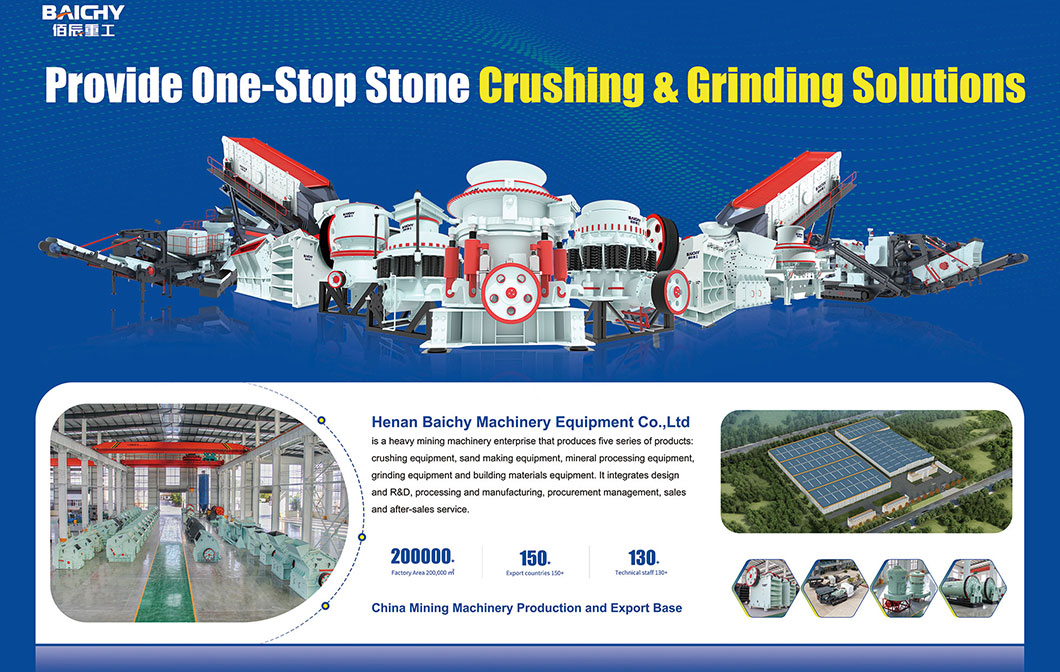
Baichy Machinery is a professional manufacturer specializing in crushing, grinding, and mineral processing equipment. With years of experience in international markets, Baichy provides complete solutions for quarry, mining, and construction industries.
For South African customers, Baichy can design crushing plants according to different requirements, including granite crushing, basalt crushing, limestone processing, and aggregate production. The company provides equipment selection, plant layout design, manufacturing, installation guidance, and technical support.
Instead of offering standard machines only, Baichy focuses on providing practical solutions that match each customer's production capacity and investment plan.
Africa Stone Crushing Plant Case Study
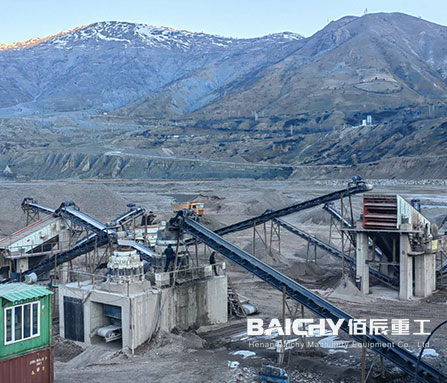
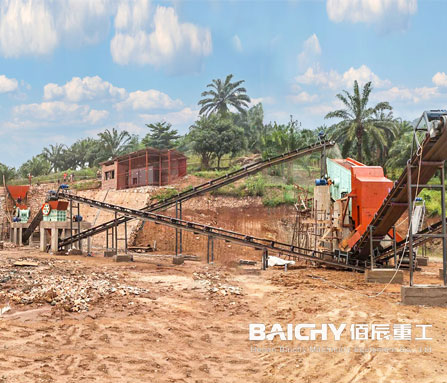
A basalt crushing plant supplied by Baichy in Africa demonstrates the company's ability to provide complete crushing solutions for overseas customers.
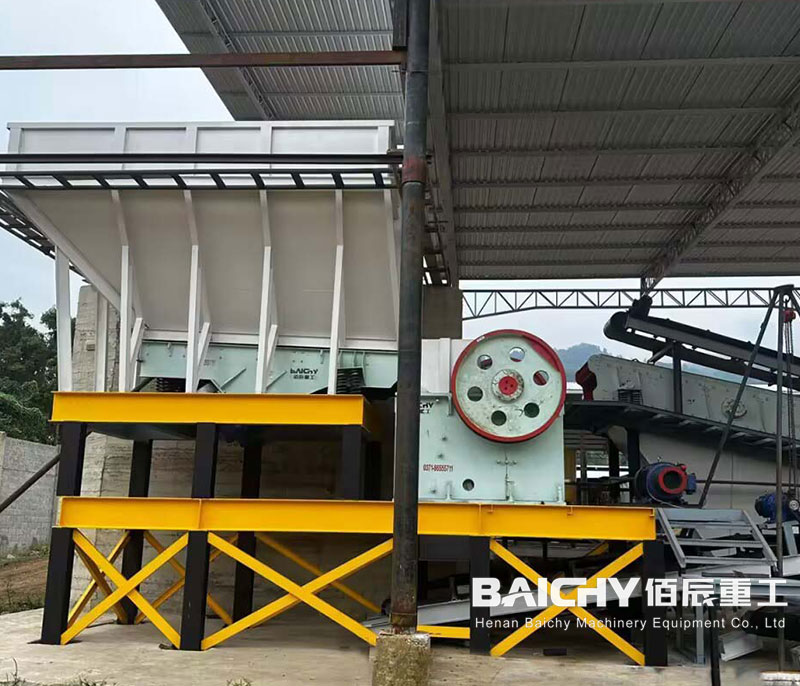
The project was designed for basalt processing with a production capacity of 50-70 tons per hour. The main equipment included a PE400×600 jaw crusher, CS75 cone crusher, vibrating screens, and belt conveyor systems.
The crushing plant provides stable operation and produces high-quality aggregates for construction applications. Through reasonable equipment matching and professional technical support, the customer achieved efficient production with reliable equipment performance.
At Baichy, we are the experts in stone crushers. Our extensive experience allows us to help you choose the stone crusher that is perfectly suited for your project’s unique needs, budget, and materials. For more information, reach out to our team of professionals today at (86) 150-9311-3821.
FAQ About Stone Crusher Price in South Africa
1. How much does a stone crusher cost in South Africa?
The price depends on capacity, crusher type, material, and plant configuration. Small crushers may cost tens of thousands of dollars, while complete quarry crushing plants can require hundreds of thousands of dollars. A customized quotation is needed for an accurate price.
2. What is the cheapest stone crusher for a small quarry?
For small quarry operations, a jaw crusher is usually the most economical choice because of its simple structure, reliable operation, and low maintenance requirements.
3. How much does a 100 TPH stone crusher plant cost?
A 100 TPH crushing plant price depends on equipment configuration. A complete plant normally includes feeder, crusher, screen, conveyors, electrical system, and installation support.
4. Should I choose a mobile crusher or stationary crusher in South Africa?
Mobile crushers are suitable for projects requiring flexibility and quick relocation. Stationary plants are better for permanent quarry production with higher output requirements.




 2026-09-28





 86-15093113821
 86-15093113821