Home About us
Products
News
Solution
Video Service Contact us

100-150 tph Stone Crusher Plant introduction

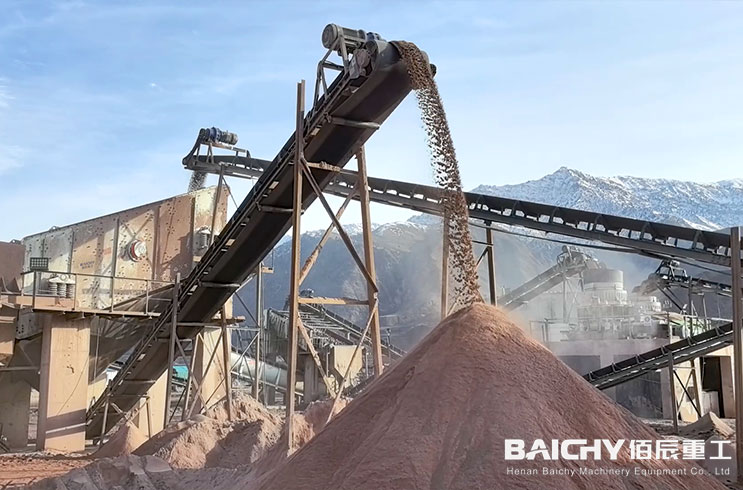
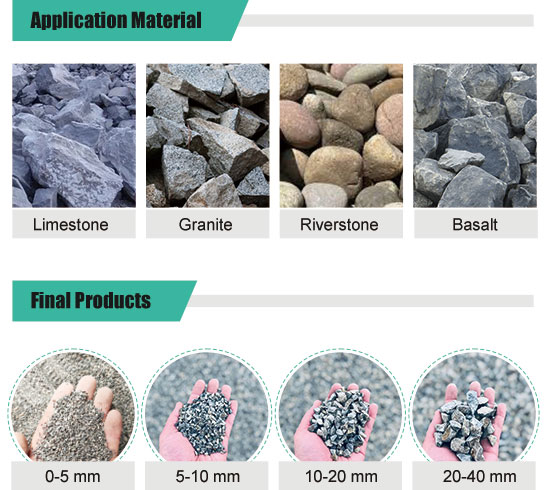
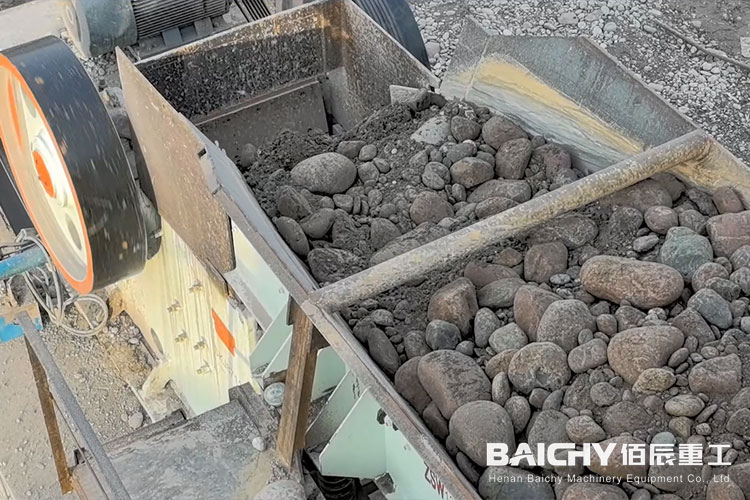
Producing high-quality aggregates requires more than just a crusher. A 150 TPH stone crusher plant is a modular or stationary system engineered to crush raw stone (limestone, granite, basalt, river pebbles, etc.) into graded aggregates. It’s built to handle consistent high-volume input—perfect for medium-scale projects where demand for crushed stone (0-5mm sand, 5-10mm, 10-20mm, 20-31.5mm aggregates) is steady. The plant’s design focuses on minimizing downtime, simplifying maintenance, and ensuring the final product meets industry standards. 
 

Crushing Plant Features:

1. Optimal Capacity with High Cost Efficiency. 100–150 TPH crushing capacity is suitable for medium-scale quarry and aggregate projects, providing stable production of 800–1,200 tons per shift with lower investment requirements and a shorter payback period.
 
2. Flexible Multi-Product Production. The plant integrates feeder, jaw crusher, secondary crusher, screen, and conveyors to produce multiple aggregate sizes. The configuration can be adjusted for limestone, granite, and basalt crushing applications for quarry operations, road construction projects, and mining sites requiring consistent output.
 
3. Low Operating Cost per Ton. Optimized crushing chambers, durable wear parts, efficient drive systems, and automatic lubrication reduce energy consumption and maintenance costs. Closed-circuit operation improves material utilization and production efficiency.
 
4. Compact Design & Easy Operation. Modular structure allows fast installation and relocation with minimal civil work. PLC control, dust suppression, and enclosed conveyors ensure simple operation and compliance with environmental requirements.

How Does 150 tph Stone Crusher Plant Work?

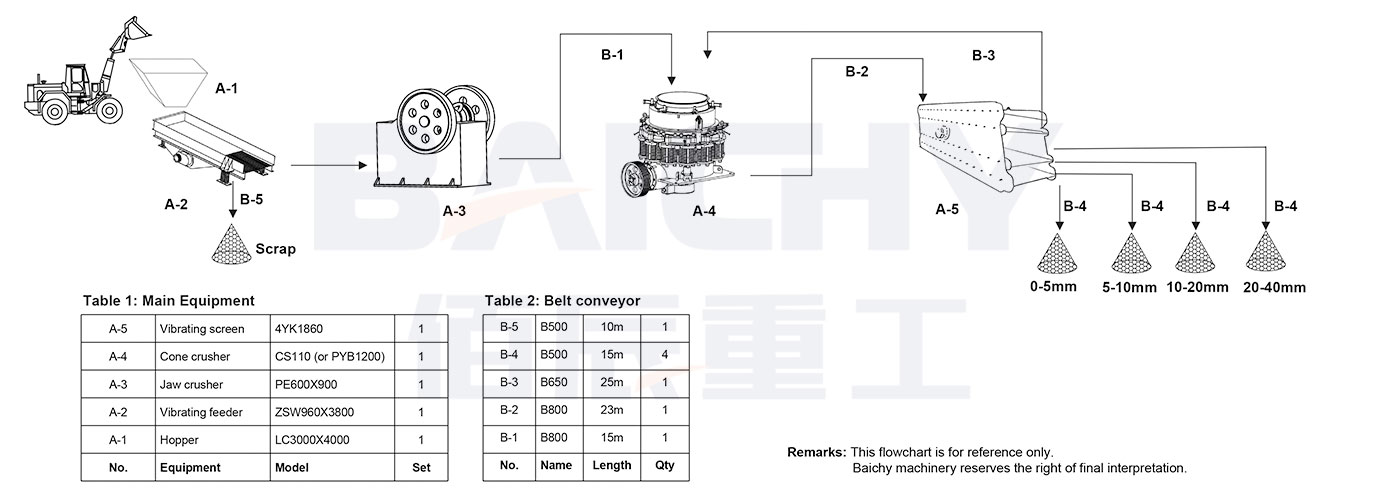
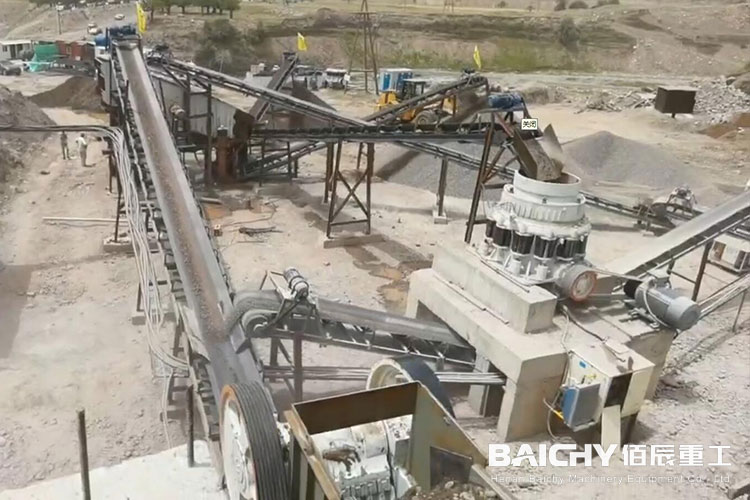
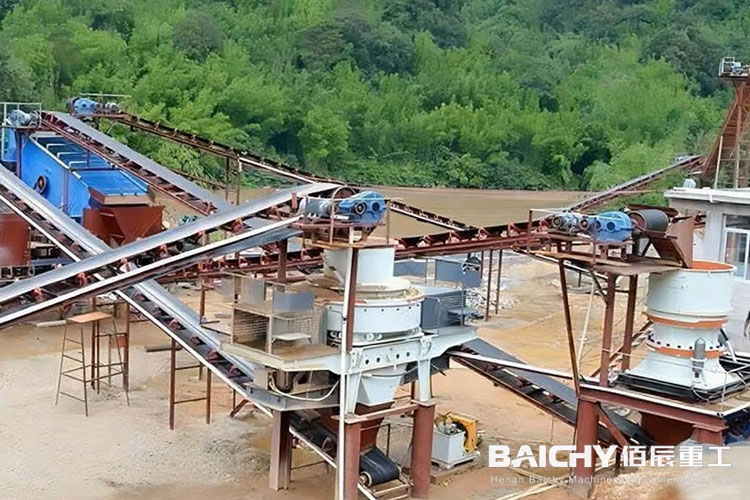
A 150 tph crusher plant is not simply a combination of machines. The performance of the entire system depends on the correct selection and coordination of each process stage.To achieve 150 TPH throughput reliably, the crushing plant relies on a streamlined workflow of key equipment. Here’s the typical configuration:

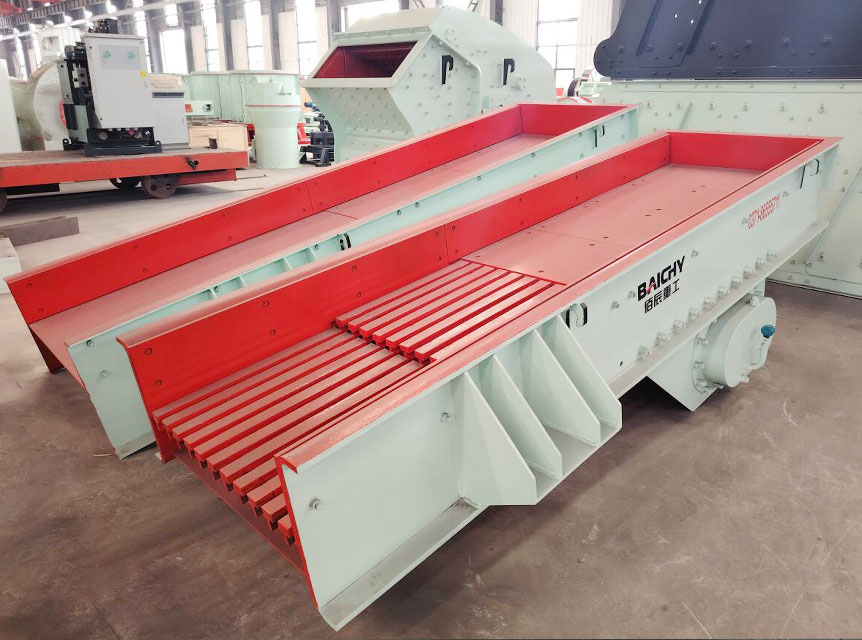
1. Vibrating Feeder: Controls material flow into the primary crusher, preventing overload. Models like the ZSW1149 work best here, feeding up to 300 TPH to match the plant’s capacity.


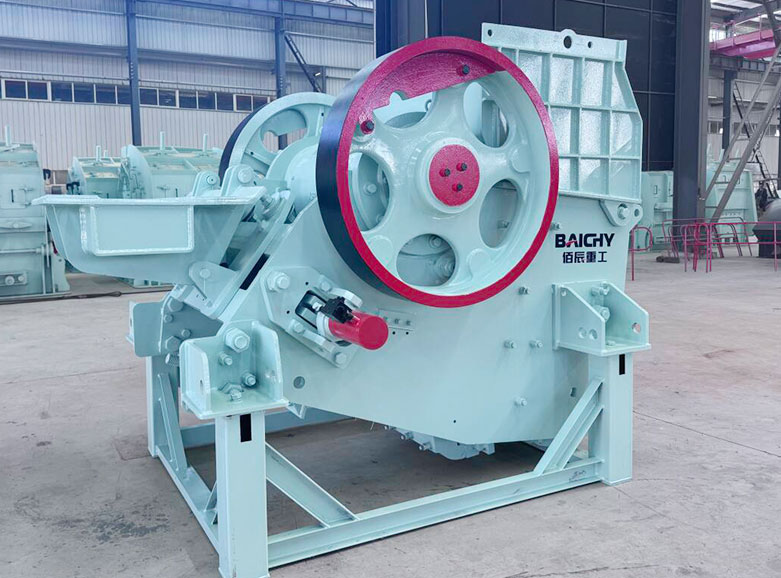
2. Primary Crusher: A jaw crusher (e.g., PE600×900) handles large raw stone (max feed size: 500mm) with high crushing ratio, reducing it to 100-200mm chunks. Its robust steel frame and manganese steel jaw plates ensure durability for hard materials like granite.


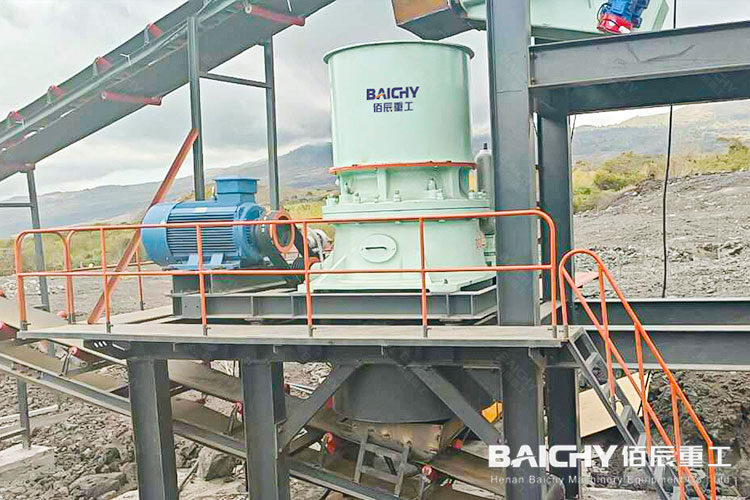
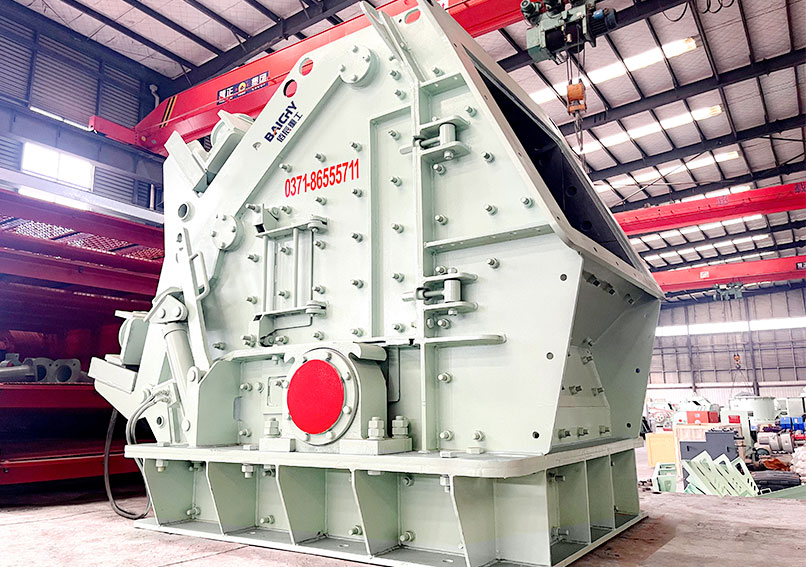
3. Secondary Crusher: An impact crusher(PF1315) or cone crusher(HP200) refines the material to smaller sizes. The impact crusehr PF1315, for example, produces cubical aggregates (ideal for concrete) with a capacity of 130-250 TPH—aligning perfectly with 150 TPH needs.


4. Vibrating Screen: A 3-deck circular vibrating screen (3YK2160) sorts crushed stone into 3-4 grades (e.g., 0-5mm, 5-10mm). Oversized material is sent back to the secondary crusher for reprocessing, ensuring no waste.


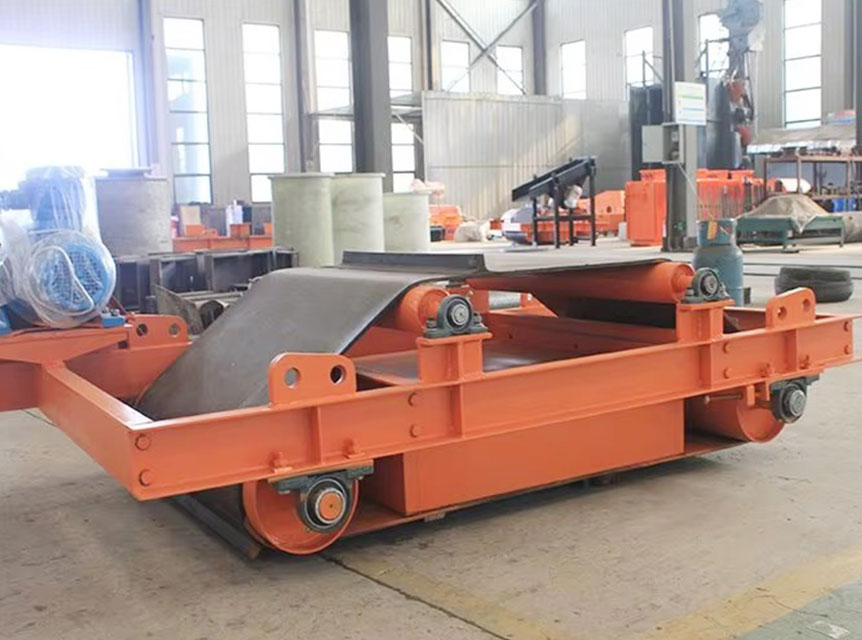
5. Conveyors & Auxiliaries: Belt conveyors (800mm width) transport material between stages, while a dust collector (pulse-jet baghouse) keeps emissions under 20mg/m³—meeting global environmental standards

Get Latest Price Send Message

Relevant case


Our service

1. Experienced Manufacturer with Full In-House Production. Baichy has specialized in crusher manufacturing since 2003, with a 200,000 m² production base and 130+ technical experts. In-house casting, machining, and assembly ensure strict quality control under ISO9001 and CE standards.

 
2. Customized Crushing Solutions for Different Applications. Each plant is designed based on material properties, feed size, output requirements, and site conditions. Flexible configurations meet various applications, from hard rock crushing to high-quality aggregate and sand production.
 
3. Complete Turnkey Project Service. Baichy provides integrated services covering process design, 3D layout, equipment manufacturing, installation, commissioning, and operator training. One professional team manages the entire project for efficient delivery.
 
4. Reliable Technical Support and After-Sales Service. Baichy offers responsive technical assistance, spare parts supply, warranty coverage, and long-term service support. Professional engineers provide installation guidance, training, and remote troubleshooting throughout the equipment lifecycle.
MAYBE YOU ARE INTERESTED IN