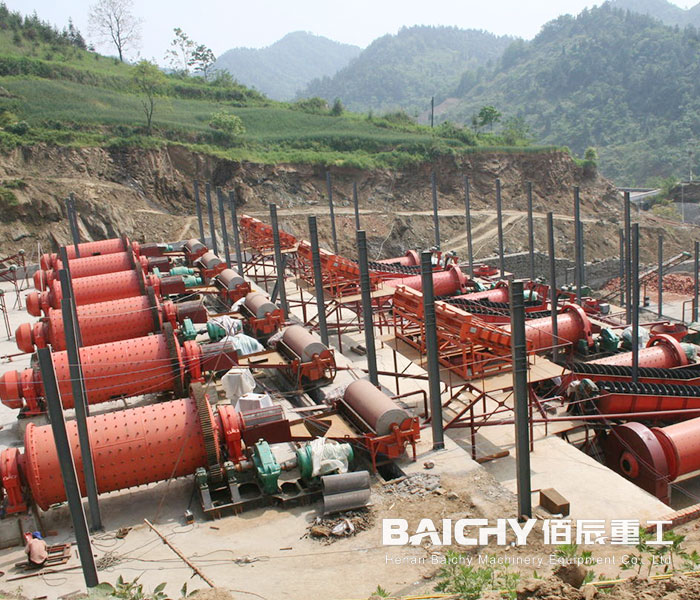
A gold ore ball mill is one of the most important grinding machines in a gold processing plant. It is mainly used to grind crushed gold-bearing ore into fine particles, allowing gold minerals to be liberated and recovered by processes such as gravity separation, flotation, or cyanide leaching. The cost of a gold ore ball mill is not fixed because it depends on many factors, including processing capacity, mill size, motor power, grinding method, liner material, and customized requirements. In general, a small-scale gold ball mill may cost several thousand dollars, while a large industrial mining ball mill can cost hundreds of thousands of dollars or more.

Gold Ore Ball Mill Price Range?
The price of a gold ore ball mill mainly depends on its production capacity. Different mining projects require different grinding capacities.
| Ball Mill Type |
Capacity |
Estimated Cost Range |
| Small-scale gold ball mill |
1-5 tons/hour |
About $10,000-$50,000 |
| Medium gold processing ball mill |
10-20 tons/hour |
About $50,000-$150,000 |
| Large mining ball mill |
50+ tons/hour |
$150,000-$500,000+ |
What Factors Affect Gold Ore Ball Mill Cost?
1. Processing Capacity
Capacity is the biggest factor affecting the price of a gold grinding mill.
A small gold mining operation may only need a 1-5 TPH ball mill, while large gold mines require equipment capable of processing dozens or hundreds of tons per hour. Larger mills require bigger cylinders, stronger drive systems, higher-power motors, and heavier structures, which significantly increase manufacturing costs.
Before purchasing a ball mill, miners should determine the required capacity based on daily ore production, expected recovery requirements, and future expansion plans.
2. Wet Ball Mill or Dry Ball Mill
Gold ore processing plants usually prefer wet ball mills because most downstream beneficiation processes handle slurry. Wet grinding can improve grinding efficiency, reduce dust, and provide better conditions for classification and mineral separation.
A wet ball mill usually costs more than a dry mill because it requires additional components, including:
● Feeding system
● Water supply system
● Slurry discharge design
● Classification equipment
For most gold processing plants, a wet grinding system is the more common choice.
3. Gold Ore Characteristics
Different gold ores require different grinding solutions.
The hardness, particle size, and mineral composition of the ore directly affect ball mill selection. Hard rock gold ores usually require more grinding energy, larger motors, and stronger wear-resistant liners.
For example:
● Quartz vein gold ore usually requires fine grinding to release gold particles.
● Oxide gold ore may require less intensive grinding.
● Sulfide gold ore may need finer grinding combined with flotation.
A properly selected ball mill helps improve gold recovery while reducing unnecessary energy consumption.

4. Ball Mill Size and Motor Power
The diameter and length of the ball mill determine its grinding volume.
A larger mill requires:
● Higher motor power
● Stronger transmission system
● Larger bearings
● More steel material
Motor power is also an important cost factor because grinding is one of the most energy-intensive processes in mineral processing plants.
5. Quality of Materials and Wear Parts
The service life of a gold ball mill depends greatly on manufacturing quality.
Important components include:
● Mill shell
● Steel liners
● Grinding balls
● Bearings
● Gear transmission system
High-quality wear-resistant materials may increase the initial investment but can reduce maintenance costs and downtime during long-term operation.
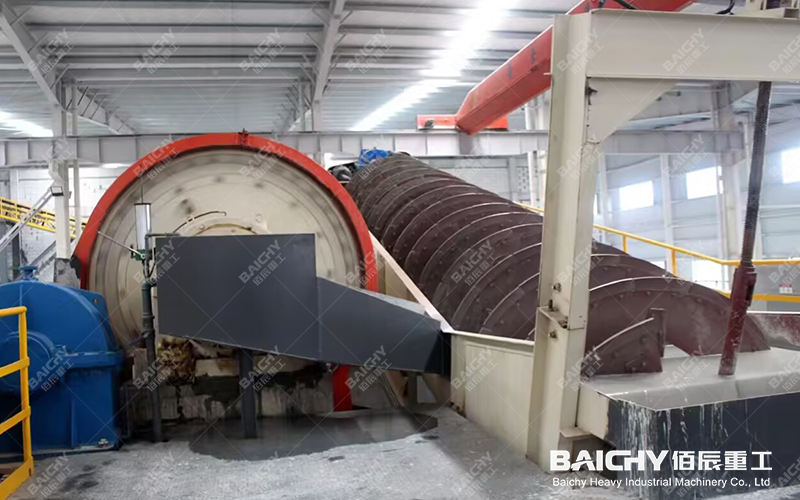
Small Scale Gold Ore Ball Mill Cost
A small-scale gold mining customer from Tanzania was looking for a reliable and cost-effective grinding solution to improve gold recovery. He planed to set up a small scale gold processing plant. The customer had limited investment budget and needed a compact gold processing system that could be easily installed and operated in a remote mining area. After analyzing the customer's ore characteristics and production requirements, Baichy Machinery provided a customized grinding solution based on a small gold ore ball mill. The project was designed to achieve stable grinding performance while keeping equipment investment and operating costs under control.
Project Requirements
● Location: Tanzania, Africa
● Application: Hard rock gold ore grinding
● Project Type: Small-scale gold processing plant
● Main Equipment: Gold ore ball mill grinding system
The raw gold ore contained valuable gold particles embedded in rock. Before entering the grinding stage, the ore was crushed to a suitable size. The ball mill was then used to further reduce the ore particle size and release the gold minerals for subsequent recovery processes. Based on the customer's production scale and budget, Baichy recommended a compact and efficient grinding system. The core equipment was a small wet ball mill, which is widely used in small and medium gold processing plants because it provides stable grinding performance and better adaptability for slurry-based mineral processing. The compact design reduced installation requirements and allowed the customer to start production quickly.
Baichy Machinery has experience providing customized crushing, grinding, and mineral processing solutions for small and medium mining projects. From equipment selection and process design to installation guidance and after-sales support, Baichy helps customers build practical and efficient gold processing plants. For gold mining operations, choosing the right-size ball mill is the key to balancing investment cost, production capacity, and long-term operating efficiency.
Frequently Asked Questions About Gold Ore Ball Mill Cost
1. How much does a small gold ore ball mill cost?
A small gold ore ball mill usually costs around $10,000-$50,000, depending on capacity, motor power, materials, and configuration.
2. What is the most common ball mill used for gold processing?
The most common type is the wet ball mill, because gold processing plants usually require slurry-based grinding and classification systems.
3. What information is needed to get a gold ball mill quotation?
Manufacturers usually need:
● Gold ore type
● Maximum feed size
● Required output capacity (TPH)
● Final grinding size
● Working conditions
● Power supply information
4. Can a ball mill improve gold recovery?
Yes. A properly selected ball mill can grind ore particles small enough to release trapped gold minerals, improving the efficiency of gravity separation, flotation, or leaching processes.




 2026-10-16






 86-15093113821
 86-15093113821