Home About us
Products
News
Solution
Video Service Contact us
Cement Ball Mill

Cement Ball Mill

Share

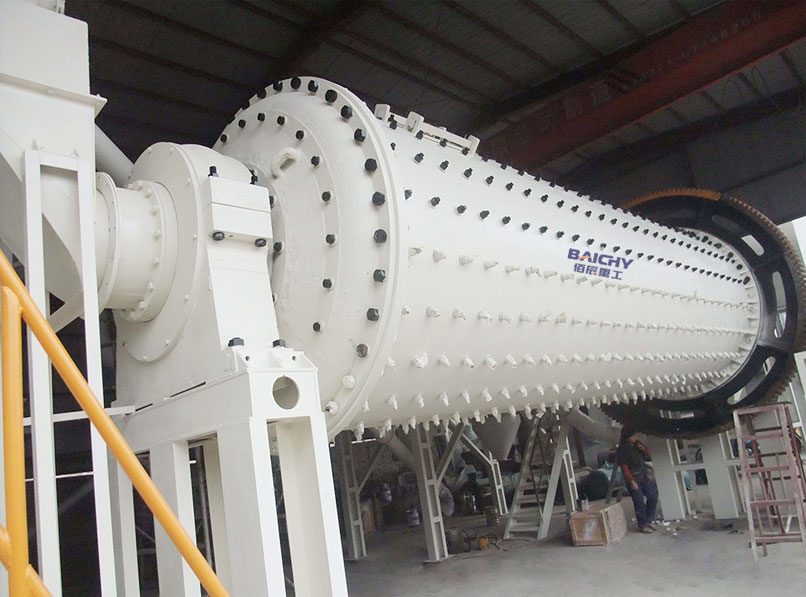
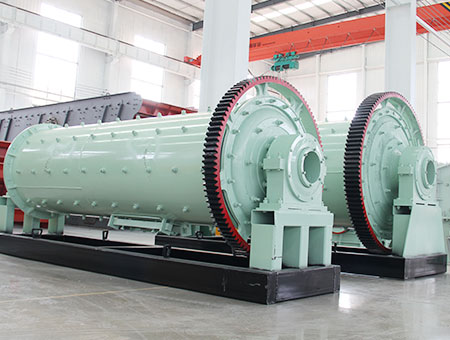
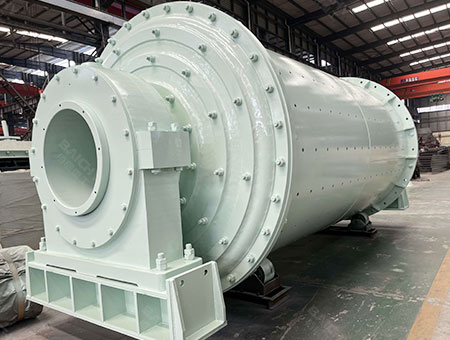
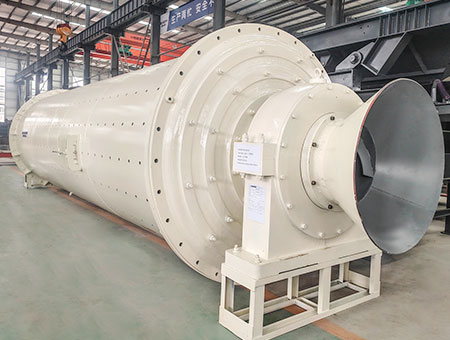
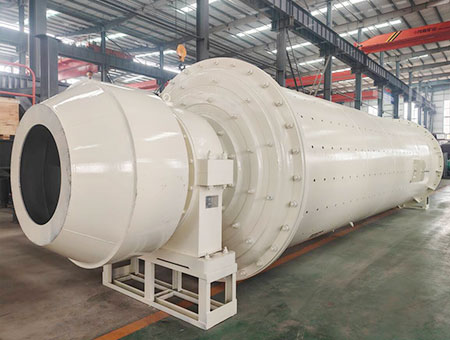
Cement ball mill is the core grinding equipment in cement manufacturing, designed to grind cement clinker, gypsum, limestone, slag, and other raw materials into fine cement powder.

  • ≤25mmFeed Size
  • 18.5-800KWMotor Power
  • 0.65–90 t/hProcessing capacity

What Is Cement Ball Mill?

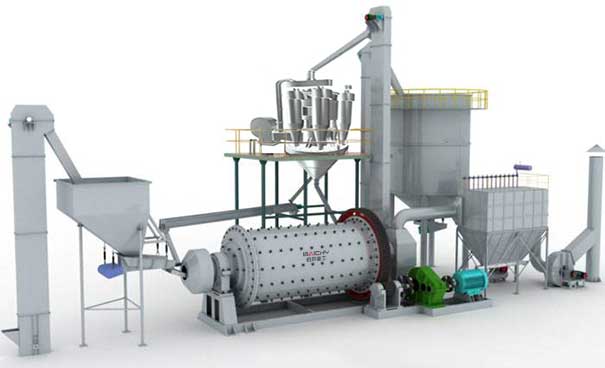
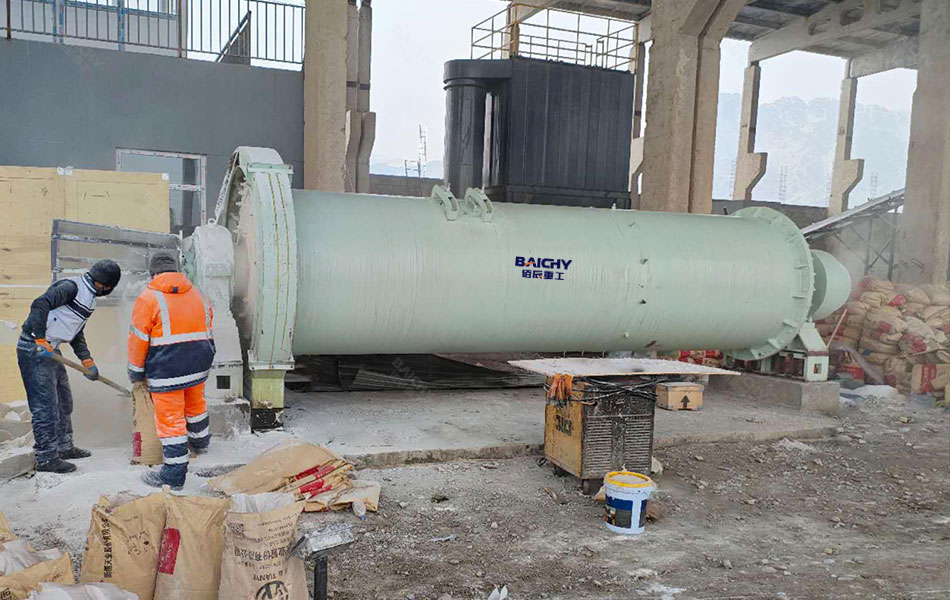
Cement mill It is a massive, heavy-duty rotating cylinder that uses metal balls to grind materials. Its primary job is to take hard, nodular cement clinker, along with gypsum and other raw materials, and crush them into the extremely fine grey powder we know as cement.It plays a critical role in determining cement fineness, output, and product quality. Widely used in cement plants, silicate product lines, building materials, and mining industries, the cement ball mill supports both dry and wet grinding, adapting to diverse production demands.
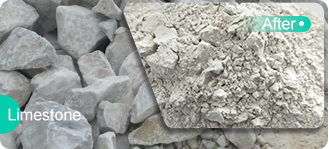
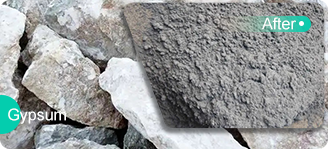
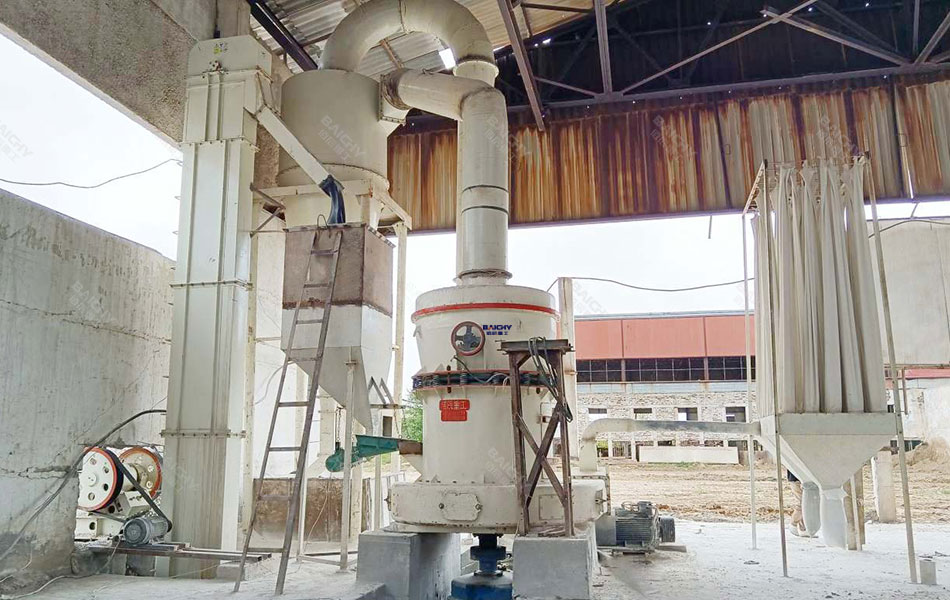
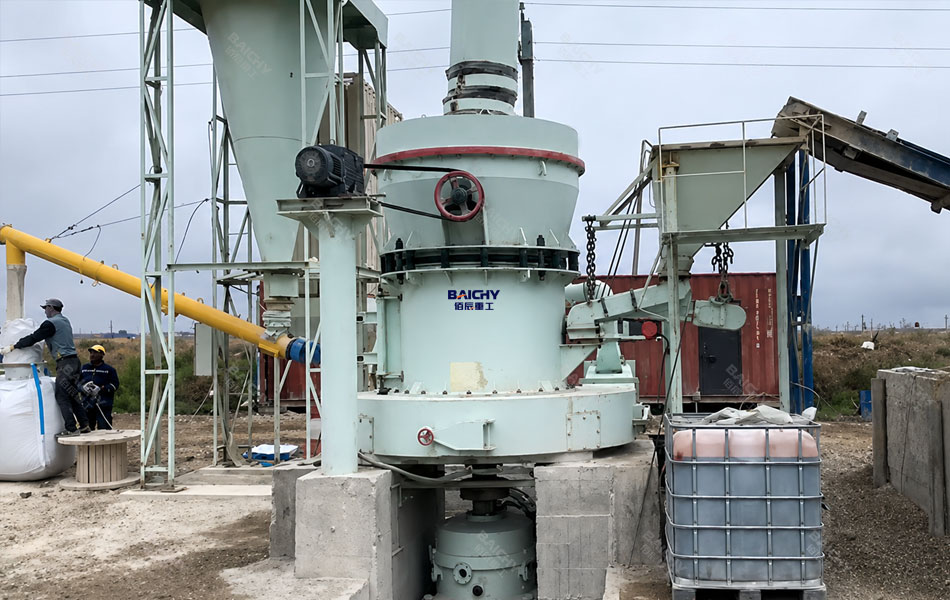
ball mill limestone powder ball mill gypsum powder
 
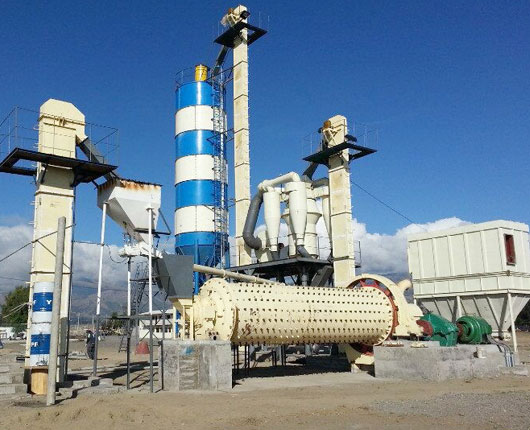
ball mill powder plant
ball mill limestone powder ball mill gypsum powder

How to Improve Cement Ball Mill Efficiency?

1. Optimize Grinding Media Ratio: Match large, medium, and small balls to material size for better impact and grinding.

2. Use Closed-Circuit System: Equip with a high-efficiency separator to eliminate over-grinding and increase yield by 15–30%.

3. Improve Ventilation: Good ventilation removes fine powder timely, reduces temperature, and prevents material adhesion.

4. Select High-Quality Liners: Wear-resistant, corrugated, or stepped liners enhance media lifting and grinding effect.

5. Control Feed Speed: Uniform feeding avoids overloading or underloading, stabilizing mill operation.

Get Price List
  • High Quality

    Durable & Reliable: Heavy-duty steel cylinder, wear-resistant liners, and long-service-life grinding media reduce downtime.

  • Customized Design

    Continuous & Large Capacity: Supports long-term operation, with output ranging from 1.5 to 110 t/h to match different production lines.

  • Good Performance

    Wide Material Adaptability. Handles clinker, slag, gypsum, and various admixtures with stable performance.

Product features

Cost-Effective. Lower initial investment and maintenance cost compared with vertical roller mills of the same capacity.

  • cement ball mill
  • cement grinding machine
  • clinker grinding
  • cement plant equipment

Working principle

The working principle of a cement ball mill relies entirely on simple gravity and heavy impact. As the massive horizontal cylinder rotates, it lifts thousands of heavy steel balls up its inner walls. Once these grinding mediums reach a certain height, gravity pulls them down. They crash directly onto the raw cement clinker below. This continuous tumbling action creates a tremendous amount of impact force, shattering the hard rocks into smaller pieces instantly.


Beyond just heavy impact, the machine also utilizes a powerful friction process called attrition. As the steel balls and cement clinker roll and slide against each other inside the spinning drum, they slowly grind the material into a microscopic dust. Most modern plants use a closed-circuit grinding system. This means the fine powder passes through a separator. Perfect powder is collected, while oversized pieces are automatically sent back into the mill for regrinding.

ball mill working principle

Specification

Model Capacity(t/h) Rotate speed(r/min) Grinding Balls(t) Motor Power(kw) Gear box
Model Speed Ratio
Ф1.2x4.5 1.6-5.8 30.3 5 55 ZD30 4.5
Ф1.5x5.7 3.5-6 26.34 11 130 ZD40 4
Ф1.83x6.4 6.5-15 23.9 21 210 ZD60 4.5
Ф1.83x7 7.5-17 24.5 23 245 ZD60 4.5
Ф2.2x6.5 14-20 21.4 31 280 ZD70 5
Ф2.4x7 17-28 20.4 39 380 ZD80 5
Ф2.4x8 20-35 20.3 42 570 ZD80 5
Ф2.4x12 35-45 20 63 800 MBY710 6.3
Ф2.4x13 35-38 19.4 68 800 MBY710 6.3
Ф2.6x13 40-55 19.5 82 1000 JDX800 6.3
Ф3x9 50-55 18.34 78 1000 JDX800 6.3
Ф3.2x9 60-70 17.6 95 1250 MBY900 7.1
Ф3.5x11 75-85 16.8 150 1250 JDX900 5.84
Ф3.8x12 85-110 17 175 1600 MBY800 5.6
Ф4.6x10+3.5 180-210 15 278 3550 JQS3500 15.1

*The output will vary according to different materials, feed particle size and other factors