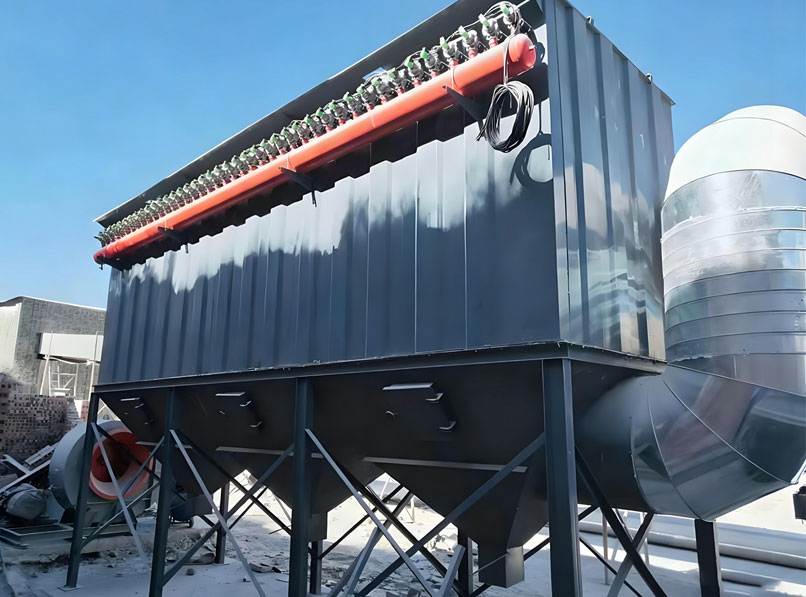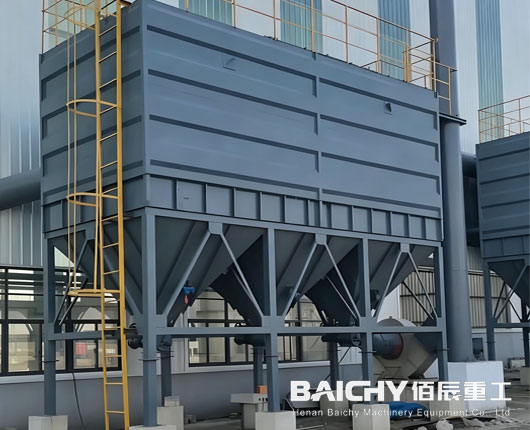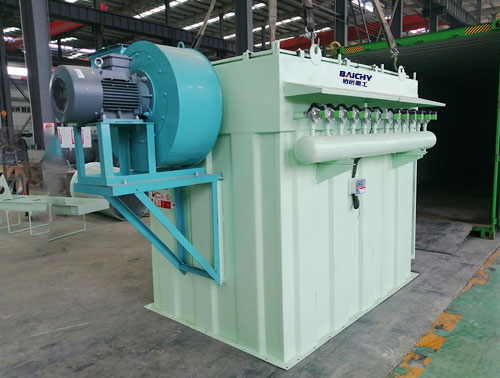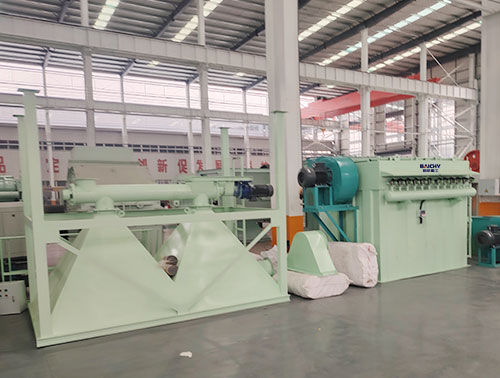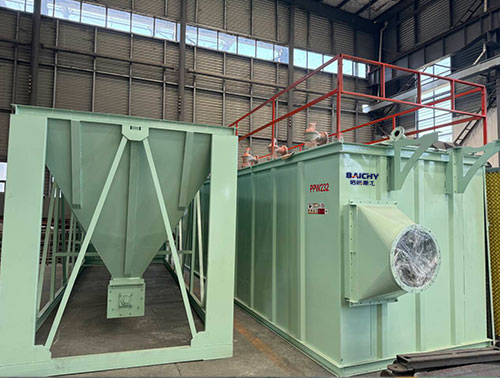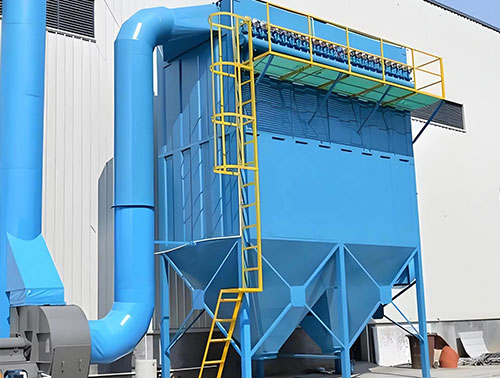
A multi-box pulse dust collector is a highly efficient industrial air pollution control device designed to remove particulate matter from exhaust gases and process air.


Selecting the appropriate multi-box pulse dust collector requires careful consideration of several factors:
1.Air Volume (CFM/m³/h): This is the most critical parameter, representing the amount of air to be filtered.
2.Dust Characteristics: Understanding the particle size, density, abrasiveness, and stickiness of the dust is crucial.
3.Temperature and Humidity: The operating temperature and moisture content of the gas stream will influence the choice of filter bag material.
4. Chemical Composition of Dust/Gas: Corrosive elements in the gas stream or dust will also dictate bag material selection and collector construction.
5.Concentration of Dust: High dust loads require robust cleaning systems and sufficient filter area.
6.Space Availability: The physical footprint of the collector needs to fit within the facility.
High Filtration Efficiency: Effectively removes over 99.9% of particulate matter, controlling emissions to very low levels.
Pulse Jet Cleaning: Utilizes automated bursts of compressed air (0.3-0.61 MPa) to clean filter bags, ensuring continuous operation.
Fabric Filter Bags: Employs specialized fabric bags (e.g., polyester felt) for dust capture, available in various materials and sizes.
Versatile Dust Filtering: Capable of filtering both coarse and fine dry dust particles effectively.


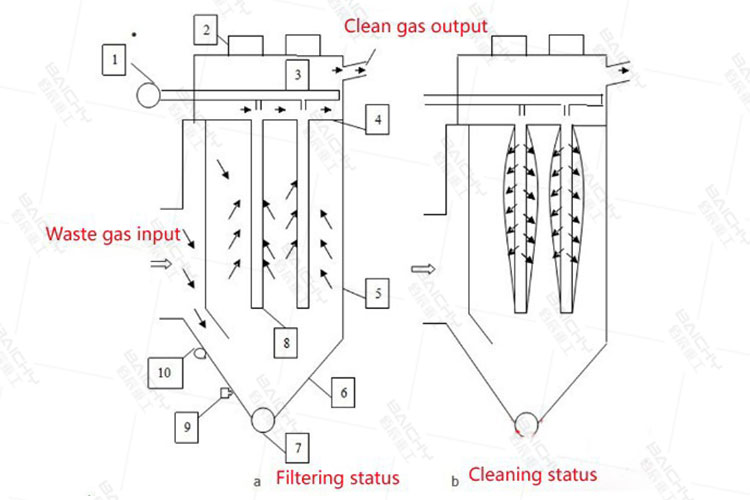
1. Offline Filtering: Dust-laden gas enters through the inlet, large particles of dust directly fall into the ash hopper, while fine dust adheres to the outer surface of the filter bags. Clean gas passes through the filter bags and is discharged.
2. Offline Cleaning: When the resistance increases, the control system closes the offline valve of a unit to stop the filtering. The pulse valve then sprays compressed air.
3. Cleaning Mechanism: Compressed air causes the filter bags to expand rapidly and vibrate, shaking off the dust on the outer surface of the bags and allowing it to fall into the ash hopper.
4. Dust Discharge: After the cleaning is completed, the offline valve is reopened to resume filtering. The dust in the ash hopper is discharged through the discharge mechanism.


| Model | Air Volume(m3/h) | Total Filter Area(m2) | Dust Chamber Qty(pcs) | Filter Bag Quantity (pcs) | Air Speed(m /min) |
| PPMC96-4 | 26800 | 372 | 4 | 384 | 1.2-2.0 |
| PPMC96-5 | 33400 | 465 | 5 | 480 | |
| PPMC96-6 | 40100 | 557 | 6 | 576 | |
| PPMC96-7 | 46800 | 650 | 7 | 672 | |
| PPMC96-8 | 53510 | 744 | 8 | 768 | |
| PPMC96-9 | 60100 | 836 | 9 | 864 | |
| PPMC96-2×5 | 66900 | 929 | 10 | 960 | |
| PPMC96-2×6 | 80700 | 1121 | 12 | 1152 | |
| PPMC96-2×7 | 94100 | 1308 | 14 | 1344 | |
| PPMC96-2×8 | 107600 | 1494 | 16 | 1536 | |
| PPMC96-2×6 | 80700 | 1121 | 12 | 1152 | |
| PPMC96-2×9 | 121000 | 1681 | 18 | 1728 | |
| PPMC96-2×10 | 134500 | 1868 | 20 | 1920 | |
| PPMC32-3 | 6900 | 93 | 3 | 96 | |
| PPMC32-4 | 8930 | 124 | 4 | 128 | |
| PPMC32-5 | 11160 | 155 | 5 | 160 | |
| PPMC32-6 | 13390 | 186 | 6 | 192 | |
| PPMC64-4 | 17800 | 248 | 4 | 256 | |
| PPMC64-5 | 22300 | 310 | 5 | 320 | |
| PPMC64-6 | 26700 | 372 | 6 | 384 | |
| PPMC64-7 | 31200 | 434 | 7 | 448 | |
| PPMC64-8 | 35700 | 496 | 8 | 512 |
*The output will vary according to different materials, feed particle size and other factors
Save Time! Get A Detailed Quotation Quickly.