Andesite is a volcanic rock formed from rapidly cooled lava. With a compressive strength typically between 150–300 MPa and a dense, fine-grained structure, it is significantly harder and more abrasive than limestone or granite. In Indonesia—particularly on Java Island, where volcanic activity is concentrated—andesite is the primary source of high-grade construction aggregate for concrete, asphalt, and railway ballast.
However, its hardness creates real problems for crushing operations:
● High wear rates on jaw plates and blow bars
● Difficulty achieving a consistent cubical product shape
● Risk of production bottlenecks when the secondary crusher cannot match the primary output
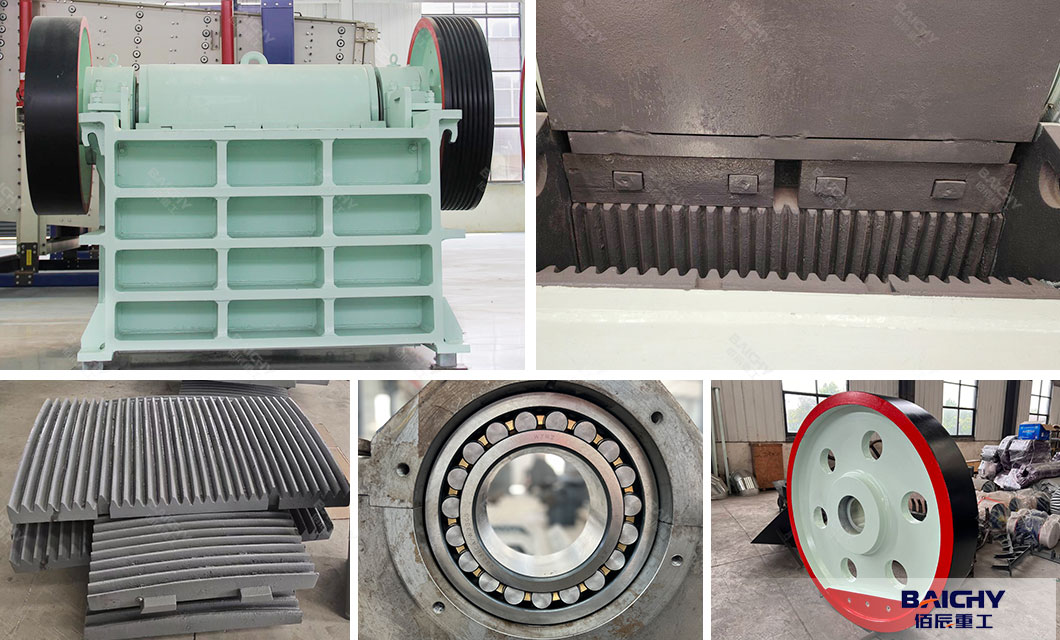
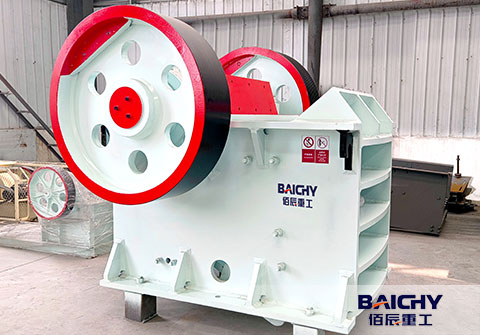
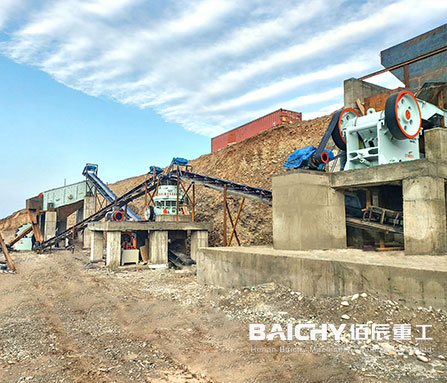
This article documents how a 50–80TPH andesite crushing plant in Indonesia was designed to solve these problems using a PE500x750 primary jaw crusher paired with two PEX300X1300 fine jaw crushers.

Project Background: The Indonesia Andesite Quarry
Location: Java Island, Indonesia
Material: Andesite (volcanic rock)
Feed size: ≤ 425 mm
Target capacity:50–80 TPH
Final product: 0–5 mm, 5–10 mm, 10–20 mm, 20–30 mm
Application:Ready-mix concrete and asphalt aggregate
The customer had previously operated a single-stage jaw crusher setup and struggled with low output and frequent jaw plate replacement. The new plant was designed after onsite survey and material testing to ensure the equipment match was based on actual working conditions rather than catalog specifications alone.
Crushing Plant Configuration
Equipment List
| Stage |
Equipment |
Model |
Quantity |
| Primary crushing |
Jaw crusher |
PE500x750 |
1 set |
| Secondary crushing |
Fine jaw crusher |
PEX300X1300 |
2 sets |
| Screening |
Circular vibrating screen |
3YK2160 |
1 set |
| Conveying |
Belt conveyors |
Customized |
Full set |
| Control |
Electrical control cabinet |
Centralized |
1 set |
Process Flow
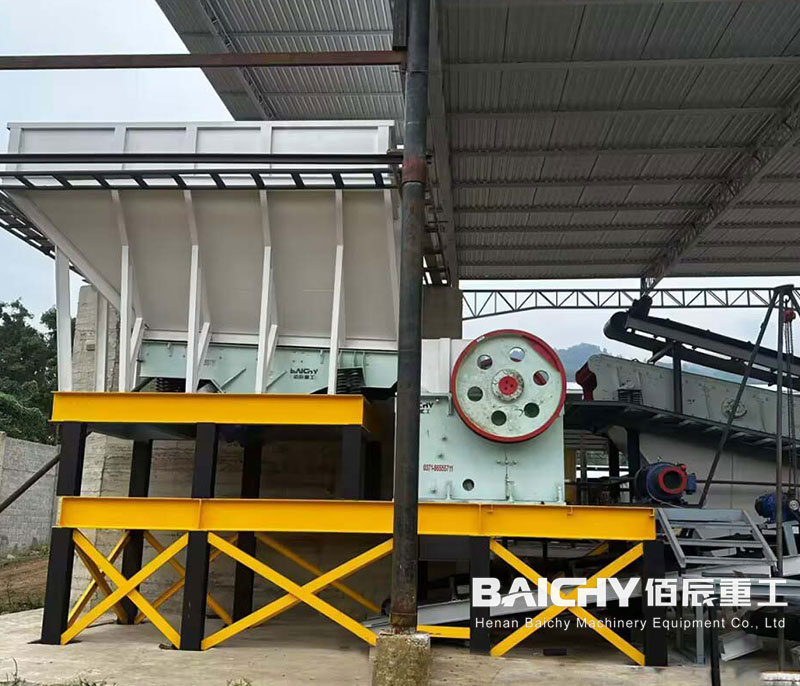
1. Primary crushing: Raw andesite (≤ 425 mm) is fed into the PE500x750 jaw crusher by vibrating feeder. The primary crusher reduces material to approximately 0–80 mm.
2. Secondary crushing: Material is conveyed to two PEX300X1300 fine jaw crushers operating in parallel. Each unit further reduces the material to a finer grade.
3. Screening: The crushed material enters the 3YK2160 circular vibrating screen, which separates it into four finished products: 0–5 mm, 5–10 mm, 10–20 mm, and 20–30 mm.
4. Stockpiling: Finished aggregates are transported by belt conveyors to separate stockpiles. Oversize material is returned to the secondary crushers for re-crushing.

Why Two PEX300X1300 Fine Jaw Crushers Instead of a Cone Crusher?
This is the most common question from customers evaluating this configuration. The answer comes down to three practical factors in the Indonesian context.
1. Lower Capital and Maintenance Cost
A cone crusher offers excellent performance in hard rock, but its purchase price and maintenance cost are significantly higher than a fine jaw crusher of comparable capacity. For a 50–80TPH operation, two PEX300X1300 units provide:
● Lower initial investment
● Easier local maintenance with commonly available parts
● Simpler operator training
2. Better Suitability for Sticky, Wet Feed Material
Andesite quarries in Java often experience high rainfall. Wet, sticky feed material can cause cone crusher chambers to pack and choke. The compression crushing action of a fine jaw crusher handles moist material more reliably, reducing downtime during the rainy season.
3. Parallel Operation for Production Flexibility
Running two PEX300X1300 crushers in parallel means:
● When one unit is under maintenance, the other continues producing at reduced capacity
● The plant can adjust output by running one or both crushers depending on market demand
● No single point of failure in the secondary crushing stage
For operations where the primary crusher is a PE500x750, two PEX300X1300 fine jaw crushers provide a well-matched secondary stage that keeps the entire line balanced.
Real Operating Data from the Indonesia Plant
| Metric |
Result |
| Actual capacity |
65–75 TPH (depending on feed gradation) |
| Jaw plate life (PEX300X1300) |
6–8 months under normal operation |
| Jaw plate life (PE500x750) |
12–14 months |
| Finished product cubical shape |
Over 85% cubical particles |
| Dust control |
Water spray system at transfer points |
| Daily operating hours |
10–12 hours |
The customer reported that the new plant reduced downtime by approximately 30% compared to the previous single-stage setup, primarily because the parallel secondary configuration eliminated the bottleneck that had previously limited production.
Key Design Features of This Andesite Crushing Plant
1. Reasonably matched equipment: Primary and secondary crushers are sized so that neither stage waits on the other.
2. Compact layout: The entire plant occupies a small footprint, which is important for quarry sites with limited flat ground.
3. Mature electrical control system: Centralized control cabinet with overload protection reduces failure rate and simplifies troubleshooting.
4. Easy maintenance access: Belt conveyors and crushers are positioned to allow safe access for jaw plate replacement and screen mesh changes.
5. Dust and noise control: Water spray systems and proper enclosure reduce environmental impact.
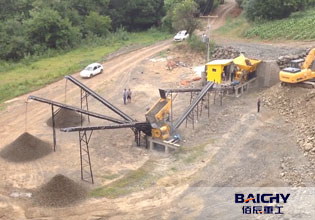
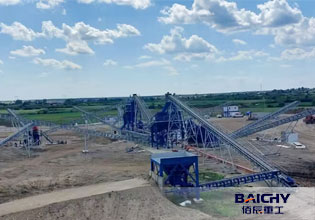
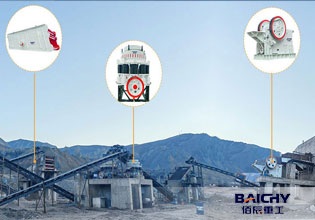
The Indonesia andesite project demonstrates that successful crushing plant design starts with understanding the material. Andesite's hardness, abrasiveness, and the local climate conditions all influenced the decision to use a PE500x750 primary jaw crusher with two PEX300X1300 fine jaw crushers. For quarry operators in Indonesia and similar volcanic regions, this configuration offers a practical balance of low investment, reliable operation, and consistent product quality.
Baichy Machinery has supplied crushing and screening equipment to customers in Southeast Asia, Africa, South America, and the Middle East. Our engineers provide onsite survey, material testing, and customized plant design based on actual working conditions. Contact us for a detailed equipment quotation and plant layout drawing for your andesite, granite, basalt, or limestone project.
People Also Frequently Asked For -FAQ
1. What is the capacity of a PEX300X1300 fine jaw crusher?
A single PEX300X1300 fine jaw crusher typically processes 20–40 TPH depending on feed size, material hardness, and discharge setting. In this Indonesian andesite plant, two units operate in parallel to achieve a combined secondary capacity that matches the PE500x750 primary crusher.
2. Can a fine jaw crusher crush andesite?
Yes. Fine jaw crushers are well suited to hard, abrasive materials like andesite because they use compression crushing, which is efficient for high-compressive-strength rock. The key is proper jaw plate material selection and regular maintenance.
3. Why not use an impact crusher for andesite?
Impact crushers produce excellent product shape but have high wear rates when processing andesite due to its abrasiveness. For an operation focused on cost per ton, fine jaw crushers are often more economical in this hardness range.
PE series jaw crushers are designed for primary crushing with larger feed openings and higher capacity. PEX series jaw crushers are fine jaw crushers designed for secondary crushing, with a smaller discharge setting and finer output.




 2026-10-16






 86-15093113821
 86-15093113821