Home About us
Products
News
Solution
Video Service Contact us
150t/h Stone Crusher Plant in Indonesia

150t/h Stone Crusher Plant in Indonesia

Share
Capacity:         
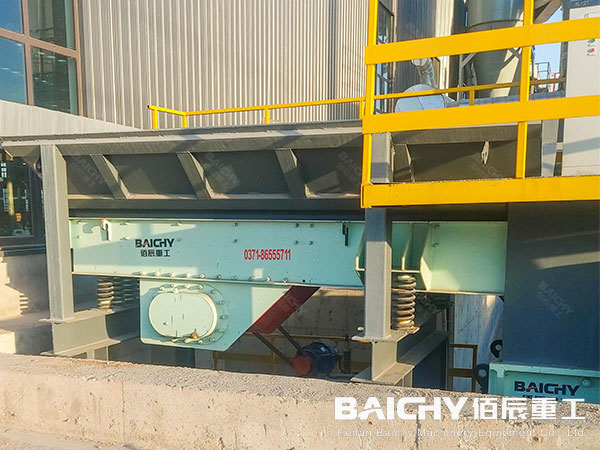
120-150 ton per hour
Output size:     
0-5mm,5-10mm,10-20mm,20-31.5mm
Material:          
Andesite, Granite, Limestone
Configuration:
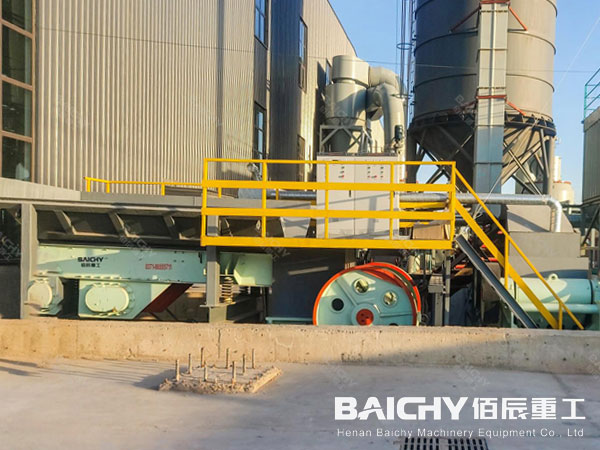
Vibrating Feeder ZSW9638, Jaw Crusher PE600x900, Fine Jaw Crusher PCX300X1300, Vibrating Screen YK2160,  Belt Conveyor System

Project Background​ Of 150TPH Stone Crusher Plant

A Indonesian construction materials supplier embarked on a project to establish a new quarrying operation to meet the growing demand for high-quality aggregates for local infrastructure and building projects. The primary raw material is andesite, a hard and abrasive volcanic rock common in the region. The objective was to set up a reliable and efficient crushing plant capable of producing precisely sized products to supply construction market. The solution was a uniquely configured 150tph stone crusher plant that utilizes a highly efficient two-stage jaw crusher system. The new 150TPH line was engineered to solve these issues, with a focus on durability, steady throughput, and adaptability to Indonesia’s tropical climate. 


The Solution: A Unique Two-Stage All-Jaw Crusher Circuit

Instead of a conventional jaw-and-cone setup, a more specialized and robust two-stage jaw crusher configuration was selected for its simplicity and effectiveness on abrasive materials.

1. Primary Crusher: Jaw Crusher (PE600x900)​​

This robust jaw crusher serves as the primary crushing process. It is designed to handle the large raw feed (typically up to 500mm) from the quarry face. The PE600x900 model provides a large feed opening and a powerful crushing action to break down the tough andesite into smaller, manageable pieces (approx. 100-150mm).

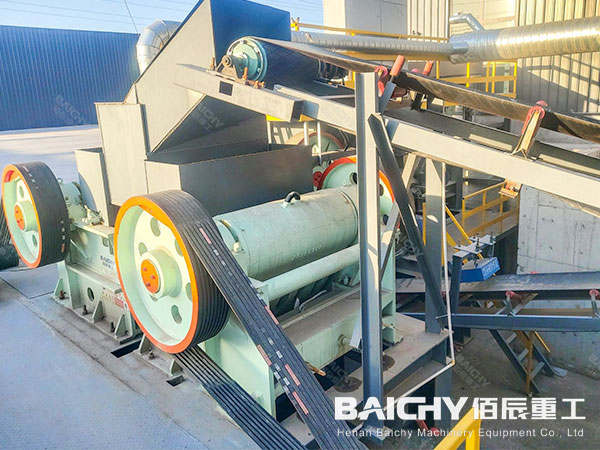
2. Secondary Crusher: Two Units of Fine Jaw Crushers (PEX300x1300)​​

Instead of a cone crusher, two fine jaw crushers are used for the secondary crushing stage. The material from the primary jaw crusher is screened, and the oversized material is split and fed to the two PE300x1300 crushers. This configuration offers several advantages:
● ​​Excellent Product Shape:​​ Fine jaw crushers produce a more cubicle product compared to standard jaw crushers, which is highly valued for concrete production.
​​● Simplicity and Reliability:​​ Jaw crushers are mechanically simpler than cone crushers, often leading to easier maintenance and lower operational costs.

● ​​Balanced Load & Redundancy:​​ Using two units allows for a balanced load on the secondary stage. If one unit requires maintenance, the plant can still operate at a reduced capacity.

3. Process Flow:​​

Large rocks are fed into the primary PE600x900 jaw crusher. The crushed material is then conveyed to a vibrating screen. The correctly sized material is sent to the product stockpiles. The oversized material from the screen is directed to the two secondary PE300x1300 fine jaw crushers for further reduction. The output from the secondary crushers is returned to the screen in a closed-circuit loop, ensuring all material is crushed to the required specifications. 

Key Advantages of This Stone Crushing Plant 150tph

1. ​​Optimized for Hard Rock:​​ The combination of a sturdy primary jaw and specialized fine jaws is perfectly suited to handle abrasive andesite, ensuring high efficiency and longevity.
2. Superior Final Product Quality:​​ The two-stage reduction process, especially using fine jaw crushers, results in well-graded, cubic-shaped aggregates that command a premium price in the market.
3. High Reliability and Ease of Maintenance:​​ The selection of jaw crushers for both stages simplifies the plant's mechanics, making it robust and easier to maintain, which is crucial for operations in remote quarry locations.
4. Efficient and Scalable Design:​​ The use of two parallel secondary crushers provides operational flexibility and built-in redundancy, maximizing overall plant uptime and availability.

Baichy Machinery Service Support in Indonesia

Crushing Solutions Design

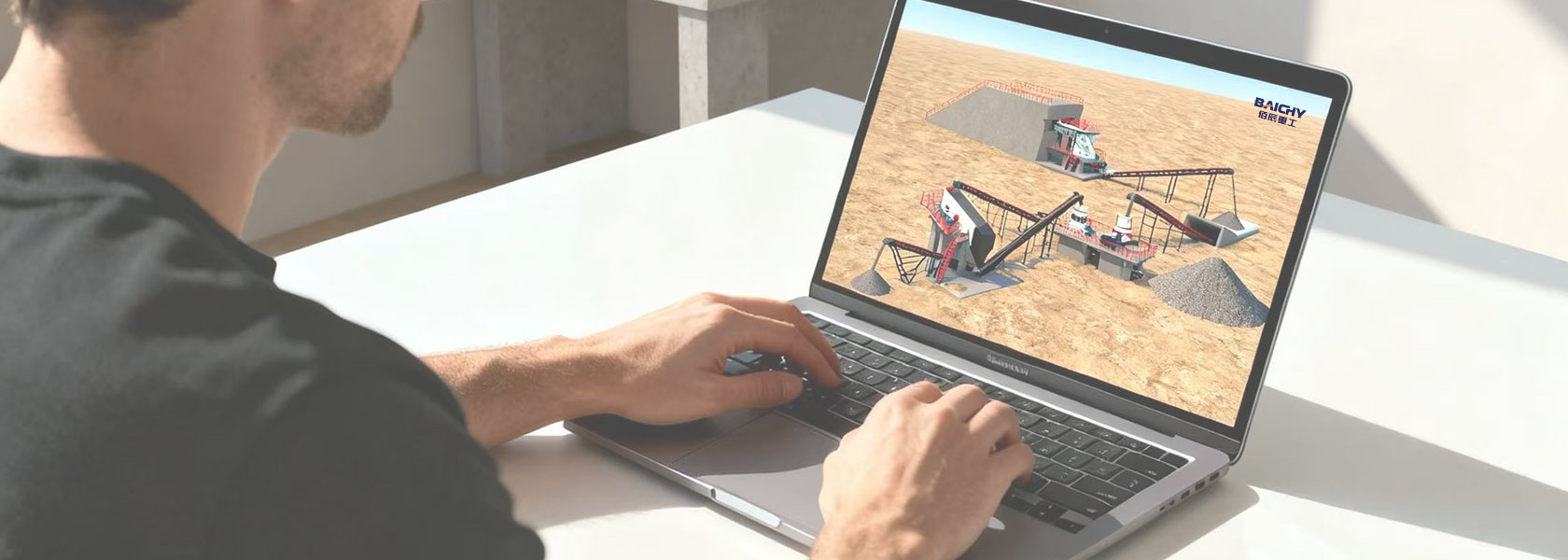
Baichy Machinery can customize a crushing plant for you based on the specific conditions of your project: such as the construction site, hardness of the raw materials, output, output size, budget, etc.

On-site Installation & Training

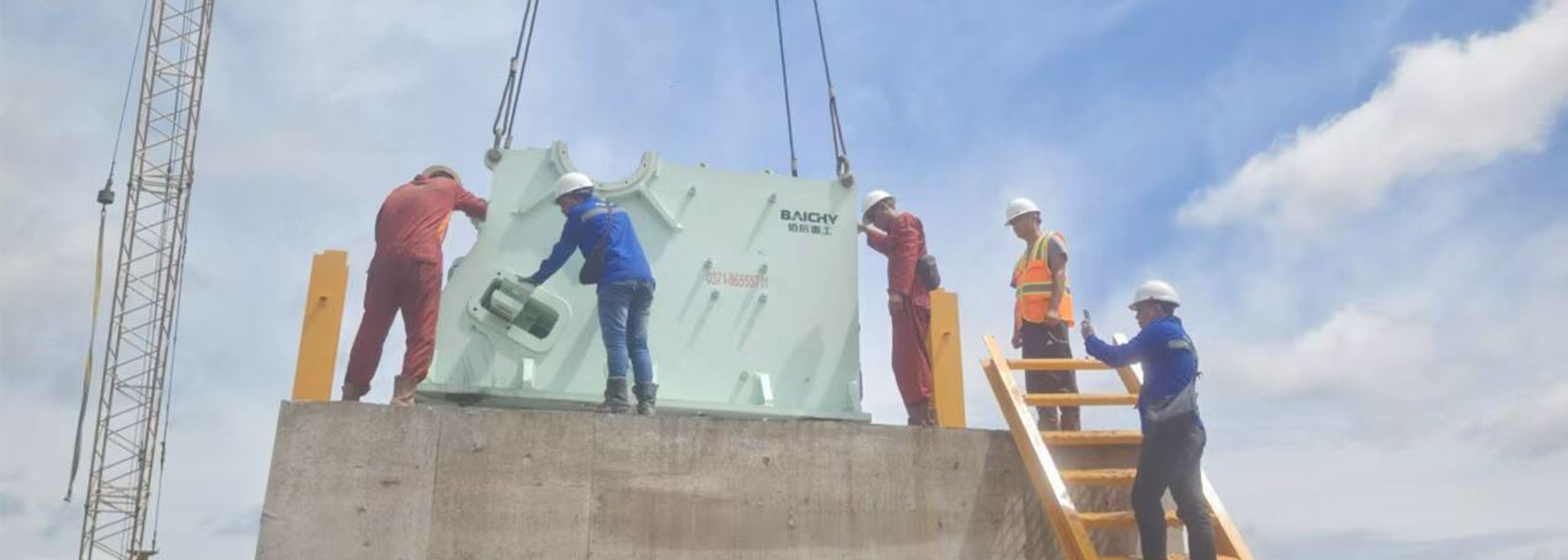
Our team provides on-site installation and thorough training to ensure safe operation of the crushing plant.

Quality Control & Global Delivery

Rigorous quality checks ensure compliance with standards, and we handle worldwide delivery to your location.

After-Sales Support

Baichy Machinery provides you with spare parts supply, project transformation, investment return analysis, etc.

Crushing Solutions Design
On-site Installation & Training
Quality Control & Global Delivery
After-Sales Support

Frequently Asked Questions (FAQs)

Find answers to the most common questions about Baichy Machinery. If you can’t find what you’re looking for here, please contact us.

1. Why were two fine jaw crushers chosen instead of cone crusher?

This configuration was chosen for its advantages in producing a better product shape, mechanical simplicity, and operational redundancy. Two crushers also allow for better load management and ensure the plant can continue operating at a reduced capacity if one unit is down for maintenance.

2. How is the wear on the jaw plates managed when crushing abrasive rocks?​

The jaw crushers are fitted with high manganese steel wear plates that are designed to be reversible and replaceable. A strict maintenance schedule is followed to monitor wear and rotate or change the plates, ensuring consistent performance and protecting the crusher's main frame.

3. What are the typical final product sizes from this plant?​ ​

The plant is highly flexible. By adjusting the crusher settings and screen meshes, it can produce a range of standard aggregate sizes, such as 0-5mm (sand), 5-10mm, 10-20mm, and 20-31.5mm, to meet specific customer requirements.

4. Is this a stationary or mobile plant setup?​

Based on the described configuration (primary jaw + two secondary jaws with screens and conveyors), this is typically set up as a stationary or semi-stationary plant. It is designed for long-term operation in a fixed quarry location to supply a local market, as opposed to a mobile unit that moves frequently between sites.
MAYBE YOU ARE INTERESTED IN