Cobblestone (river stone) is a popular raw material for high-quality construction aggregate due to its durability. However, its high abrasion index poses a significant challenge for crushing equipment. A reliable crushing plant must therefore combine strong primary crushers, wear-resistant spare parts, accurate screening, and steady belt conveying. Baichy Machinery has developed a specialized 150 TPH cobblestone crushing line that balances high throughput with low maintenance costs, ensuring maximum ROI for mine owners. This guide explains the typical process flow, main equipment features, key advantages, and a real Baichy project in Ecuador.
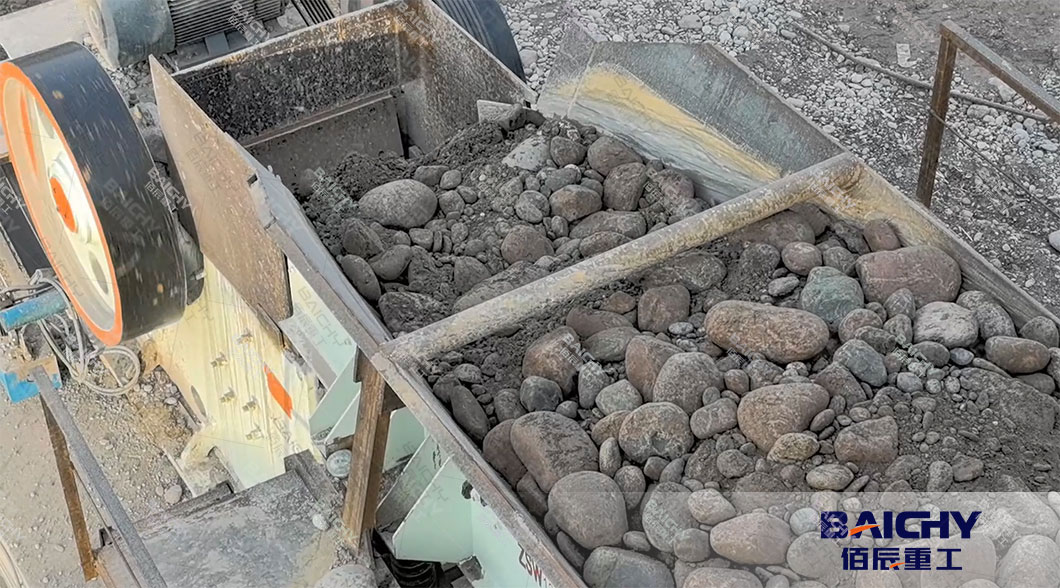
1. How a 150 tph Cobblestone Crushing Line Works
A 150 tph cobblestone crushing line is a complete stone production system designed to process cobblestone at about 150 tons per hour. It turns raw cobblestone into different sizes of aggregates and manufactured sand for concrete mixing, road construction, building foundations, railway ballast, and other construction projects. The production process follows four core stages: feeding, primary crushing, secondary crushing or sand making, and final screening.
Stage 1: Feeding
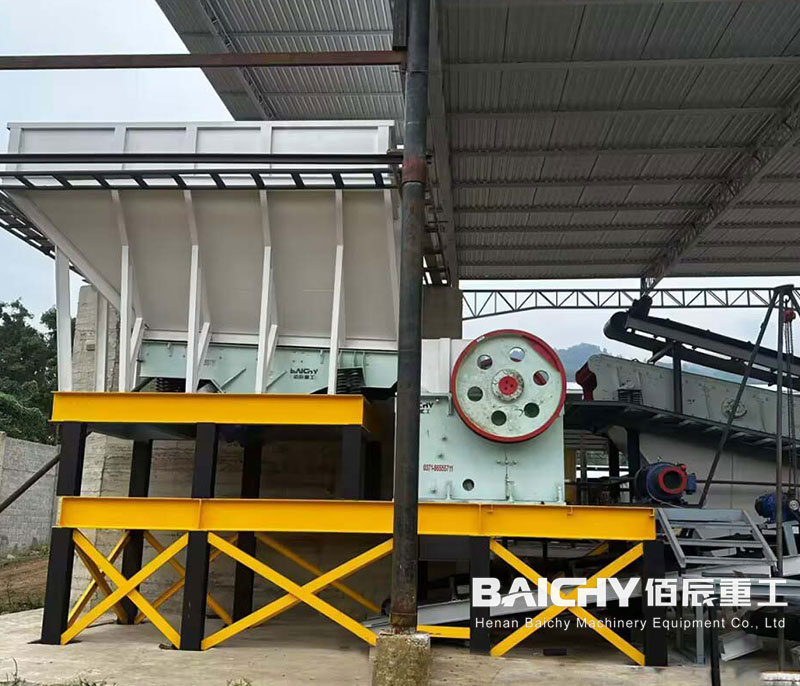
Raw cobblestone is loaded into a vibrating feeder or a hopper. The feeder sends the material evenly into the first crusher. At this stage, small dirt particles and fine stones can also be separated before they enter the main crusher.
Stage 2: Primary Crushing
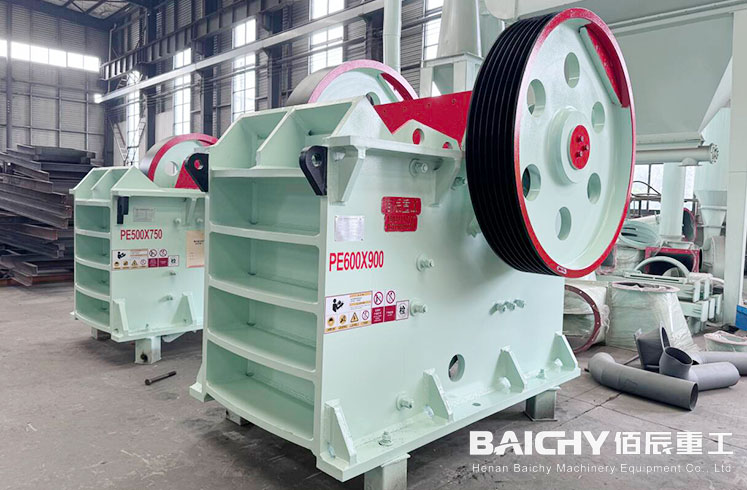
The first crusher is usually a jaw crusher. It breaks large cobblestone into smaller pieces. Jaw crushers work well for hard stones because they have a simple structure, high crushing ratio, and stable performance under heavy-duty conditions.
Stage 3: Secondary Crushing or Shaping
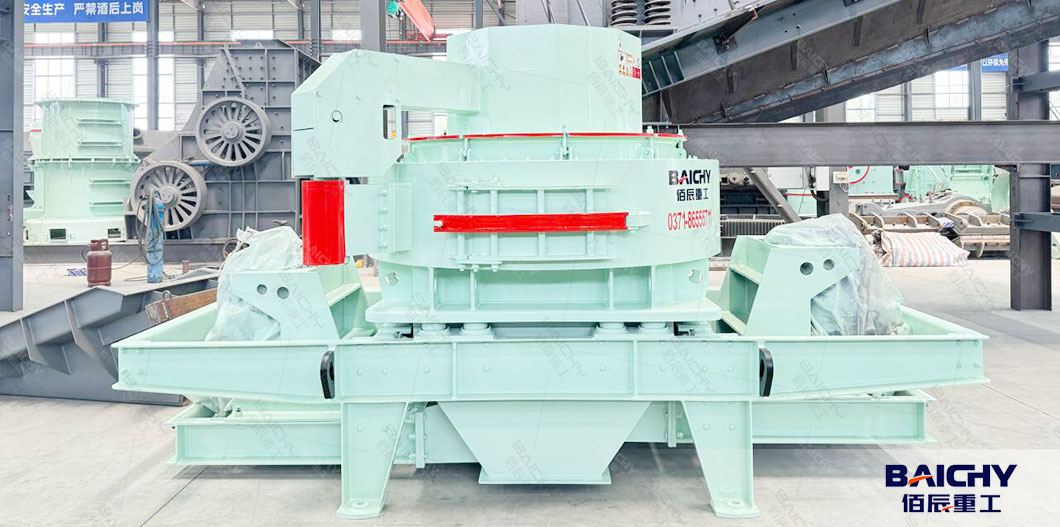
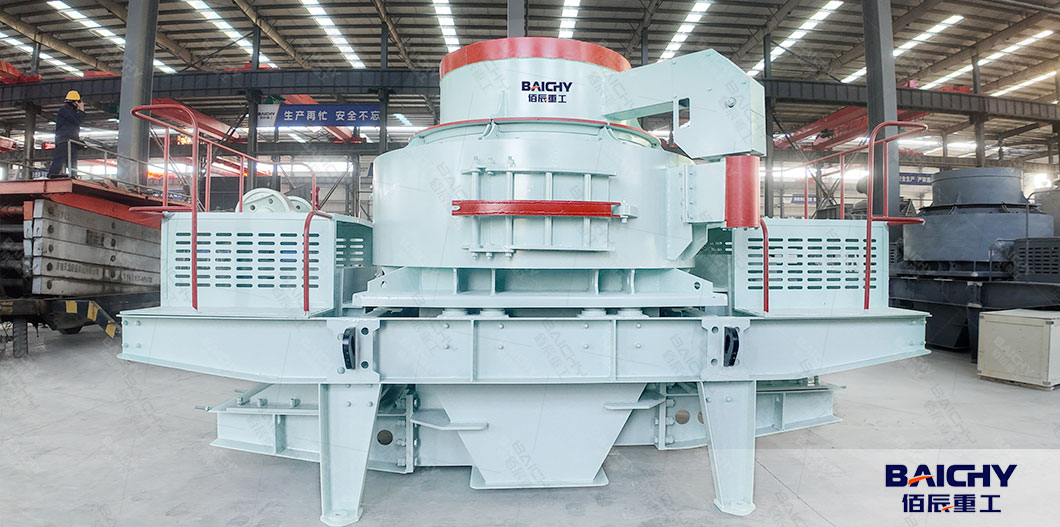
After the jaw crusher, the crushed stones are sent to the next crusher. For ordinary gravel products, an impact crusher or cone crusher can be used. If the customer needs better-shaped gravel or fine manufactured sand, a vertical shaft impact crusher, also called a VSI sand maker, can be added to the line.
Stage 4: Screening and Separation
A vibrating screen separates the crushed material into different sizes, such as 0–5 mm sand, 5–10 mm gravel, 10–20 mm gravel, and 20–31.5 mm gravel. Oversized stones return to the crusher for another round of crushing. Qualified aggregates go to separate stockpiles or product bins.
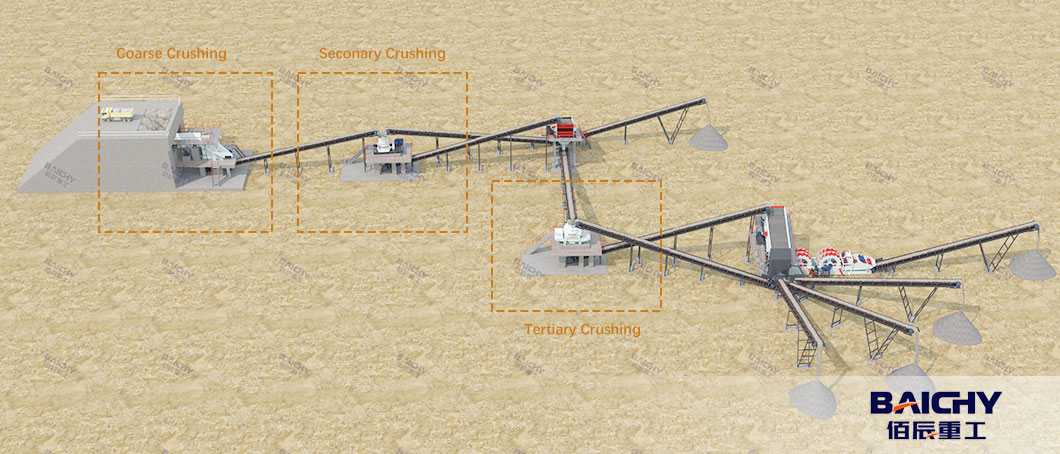
2. Common Equipment in a 150 tph Crushing Plant
For a 150 tph cobblestone line, a proven setup is:
| Stage |
Equipment |
Role |
| Feeding |
ZSW vibrating feeder |
Even feed, pre-screening |
| Primary |
PE600×900 jaw crusher |
Reduce large cobbles |
| Secondary |
CS110 / PYB1200 cone crusher |
Hard rock crushing |
| Screening |
3YK1860 vibrating screen |
Gradation control |
| Shaping |
VSI8518 |
Cubical aggregate / sand |
| Conveying |
B650–B800 belt conveyors |
Material transport |
2.1 Vibrating Feeder
The vibrating feeder controls the material flow into the primary crusher. It prevents overloading and keeps the production line running steadily.
Main features:
- Even and adjustable feeding
- Simple structure and easy maintenance
- Can separate some fine soil and small particles
- Suitable for continuous operation in stone crushing plants
2.2 Jaw Crusher
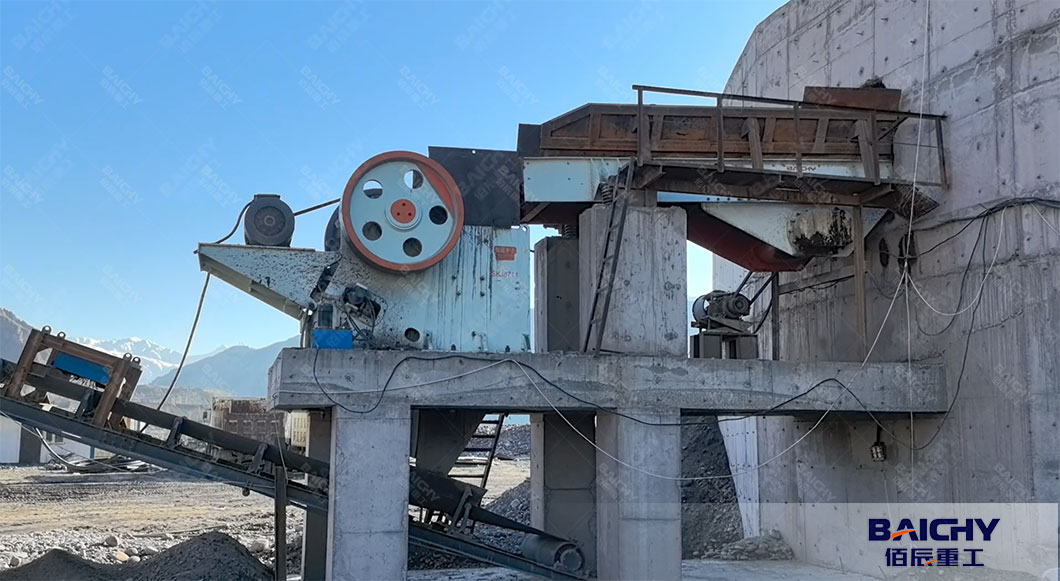
The jaw crusher is the main primary crusher in the line. It receives large cobblestone and reduces it to medium-sized stones.
Main advantages:
- High crushing capacity for hard rock
- Strong frame and durable jaw plates
- Easy to adjust the discharge opening
- Low running cost and long service life of main parts
2.3 Cone Crusher or Impact Crusher
For secondary crushing, customers can choose a cone crusher or impact crusher based on stone hardness and product shape.
A cone crusher is often preferred for very hard and abrasive materials. It provides good particle reduction and reliable performance. An impact crusher usually produces gravel with a better cubic shape and is widely used in medium-hard stone applications.
2.4 VSI Sand Making Machine
When manufactured sand is required, a VSI crusher is used for fine shaping and sand making. It can improve the shape of aggregates and produce 0–5 mm sand from crushed stone.
Main advantages:
- Good product shape
- High sand-making efficiency
- Easy to maintain
- Flexible adjustment for different finished sizes
2.5 Vibrating Screen
The vibrating screen divides the material into several final grades. It controls product size and keeps the output clean.
Main features:
- Multi-layer screen decks for several products
- Stable vibration and high screening efficiency
- Easy screen replacement
- Suitable for large-scale stone production
2.6 Belt Conveyor
Belt conveyors connect all machines in the plant. They transfer material between the feeder, crushers, screens, and product stockpiles.
Main advantages:
- Continuous material transport
- Compact layout and flexible installation
- Low maintenance requirement
- Safe and reliable operation
3. Main Advantages of a Well-Designed 150 tph Crushing Line
A good crushing line should balance capacity, product quality, energy use, and maintenance cost.
3.1 Stable Production Capacity
With correct equipment matching, the plant can keep close to 150 tph output under normal feeding conditions.
3.2 Adjustable Final Products
The discharge settings and screen mesh can be changed to produce different gravel and sand sizes according to customer needs.
3.3 High Wear Resistance
Cobblestone is hard, so the line uses wear-resistant jaw plates, hammer parts, liners, and screen decks to reduce replacement frequency.
3.4 Easy Operation and Maintenance
Modern crushing equipment has a clear structure, accessible maintenance points, and spare parts that are easy to order and replace.
3.5 Flexible Plant Layout
The equipment can be arranged as a fixed plant or a mobile crushing station. The layout can follow the site size, terrain, and transport route.
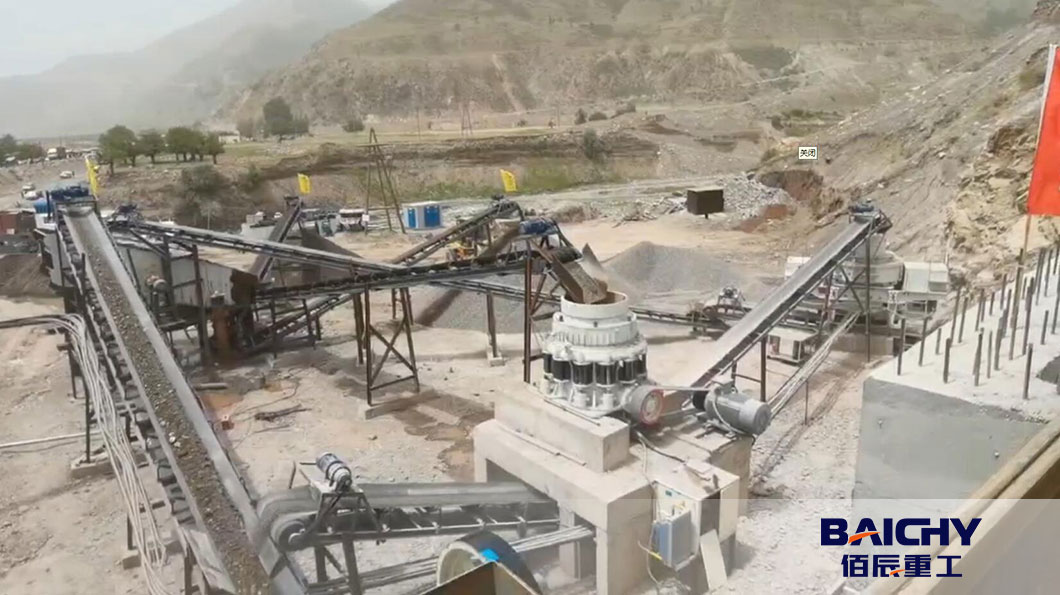
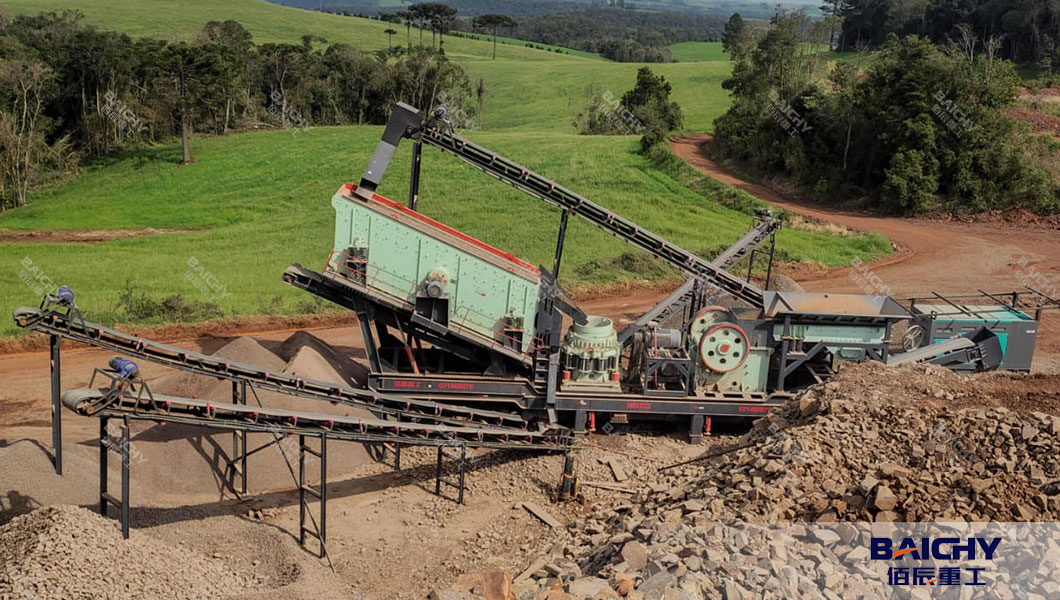
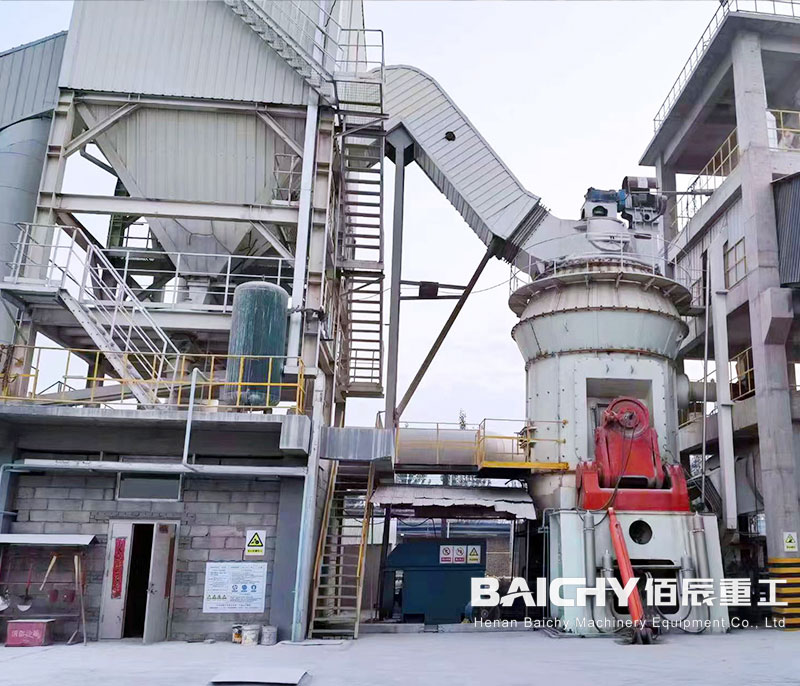
Baichy has supplied stone crushing solutions for customers in different countries. One representative project is a cobblestone crushing plant built for a customer in Ecuador.
The local customer needed a stable production line to process cobblestone for construction aggregate supply. After discussing the raw material, required output, final product sizes, and site conditions, Baichy designed a complete crushing solution with feeding, primary crushing, secondary crushing, screening, and conveyor systems.
The plant was arranged to match the local working conditions and material characteristics. The jaw crusher handled the large raw stones first, and the secondary crushing and screening equipment produced graded aggregates for local construction use. Baichy also guided the customer on equipment selection, layout, installation, and later operation.
For this type of project, Baichy usually pays attention to three points: matching crusher capacity to feed size, choosing suitable wear parts for hard cobblestone, and arranging the conveyor and screen layout to reduce material return and unnecessary downtime. The final line was built to fit local working conditions and the customer’s product requirements.
FAQ
Q1: What final products can a 150 tph cobblestone crushing plant produce?
A: A typical 150 tph plant can produce manufactured sand (0–5 mm) and several gravel grades, such as 5–10 mm, 10–20 mm, and 20–31.5 mm. The exact sizes depend on the screen mesh, crusher settings, and local construction requirements.
Q2: Which crusher is best for hard cobblestone?
A: A jaw crusher is usually the best choice for primary crushing of large hard cobblestone. For secondary crushing, a cone crusher is often preferred for highly abrasive stone, while an impact crusher is chosen when better cubic aggregate shape is required.
Q3: How much space does a 150 tph crushing line need?
A: The required site area depends on the plant layout, conveyor length, stockpiling space, and truck access. A fixed 150 tph line generally needs a flat working area with room for equipment installation, material storage, and daily operation. Site drawings should be prepared before final layout design.
Q4: Can Baichy provide a customized crushing solution for Ecuador or other overseas markets?
A: Yes. Baichy designs crushing lines based on raw material type, feed size, required capacity, final product sizes, and site conditions. Customers can share their production requirements, and Baichy can recommend the suitable crusher, screen, conveyor, and overall plant layout.




 2026-11-17






 86-15093113821
 86-15093113821