The PEX series is a specialized jaw crusher designed for fine crushing — the stage after primary crushing where material needs to be reduced to aggregate sizes. The key design difference from the standard PE series lies in the jaw plates: PEX plates have thinner, denser teeth, which create more contact points with the material and produce a finer, more uniform output. This design makes the PEX300x1300 well suited to the secondary crushing stage in aggregate production lines, particularly where a cone crusher or impact crusher would involve higher capital cost or more complex maintenance.
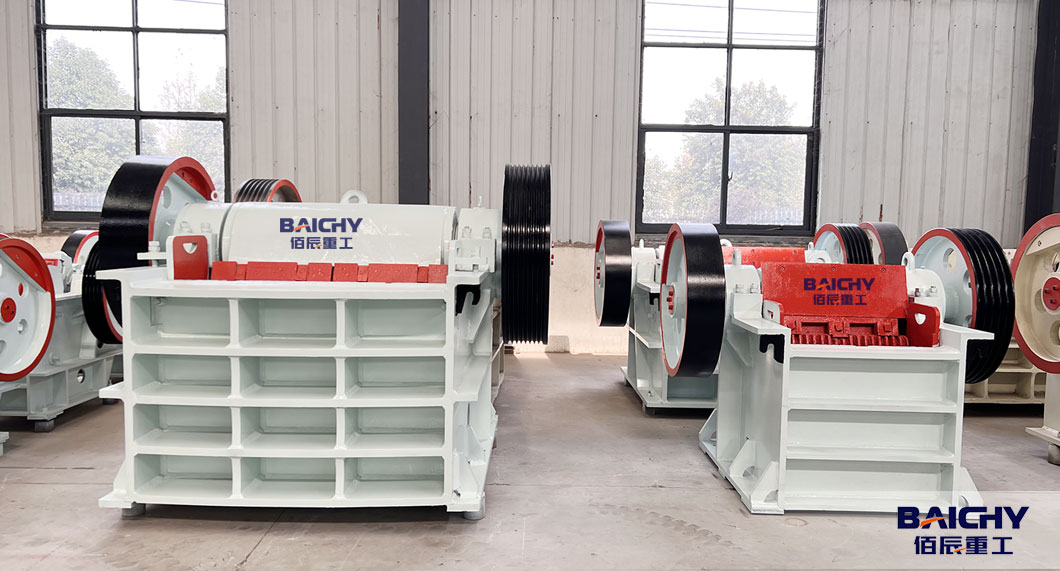
PEX300x1300 Technical Specifications
Precision is key to know aobut the crushing machine in mining. Here are the detailed parameters for the PEX300x1300 model:
Model: PEX300X1300
Feed Opening Size: 300x1300mm
Max feeding size: 250mm
Discharging Opening Size: 25-60 mm (adjustable)
Capacity: 30-105 t/h (varies by discharge setting and material)
Motor Power: 55 kw, 6P
Voltage: 380/480 V, 50/60 Hz
Jaw plates material: High-quality Mn18Cr2 (Manganese Steel)
Note on capacity: The 30–105 t/h range reflects the difference between the widest and narrowest discharge settings. Actual capacity depends on feed gradation, material compressive strength, and whether the crusher operates in open or closed circuit. A typical mid-range setting (40 mm discharge) with medium-hard andesite produces approximately 55–70 t/h.
Capacity Under Different Discharge Settings
This table gives a more practical reference than a single capacity number. Values are based on medium-hard rock (compressive strength 150–200 MPa) with a feed size of 150–200 mm.
| Discharge setting |
Typical capacity |
Typical product size |
Best suited for |
| 25 mm |
30–45 t/h |
0–25 mm |
Fine aggregate, road base |
| 40 mm |
55–70 t/h |
0–40 mm |
Concrete aggregate |
| 50 mm |
70–90 t/h |
0–50 mm |
Railway ballast, coarse aggregate |
| 60 mm |
90–105 t/h |
0–60 mm |
Coarse feed for tertiary crusher |
Notes: Many buyers compare crushers using the headline maximum capacity. In practice, if your target product is 0–20 mm, you will be operating near the lower end of the range. Planning the plant around the actual working discharge setting rather than the maximum figure prevents production shortfalls.
Working Principle and Design Features
1. Deep Cavity Design
The crushing chamber is deeper than a standard PE crusher of similar feed opening. A deeper cavity increases the number of times material is squeezed during its passage through the chamber, which improves reduction ratio and reduces the need for a third crushing stage in some flows.
2. Direct Drive System
The electric motor connects directly to the drive pulley, without an intermediate belt reduction stage in the standard configuration. This reduces power loss and simplifies maintenance.
3. Mn18Cr2 Jaw Plates
Manganese steel with 18% Mn and 2% Cr offers a balance of wear resistance and toughness. It work-hardens under impact, so the surface becomes harder as it wears. In abrasive rock such as andesite, this material typically lasts longer than standard high-manganese plates.
4. Adjustable Discharge Opening
The discharge setting is adjusted by shims or wedge blocks, depending on configuration. This allows the operator to change product gradation without replacing components.
Material Applications
The PEX300x1300 handles materials with compressive strengths up to 250Mpa. Common materials include:
● Hard Rocks: Andesite, Basalt, River Pebbles, Quartz, and Granite.
● Ores: Iron ore, Copper ore, Bauxite, and Barite.
● Industrial Materials: Steel slag, Cement clinker, Concrete, and Coal.
Material note: For very abrasive materials such as quartz or andesite with high silica content, jaw plate life will be shorter than for limestone. Budgeting for more frequent plate replacement is realistic in these applications
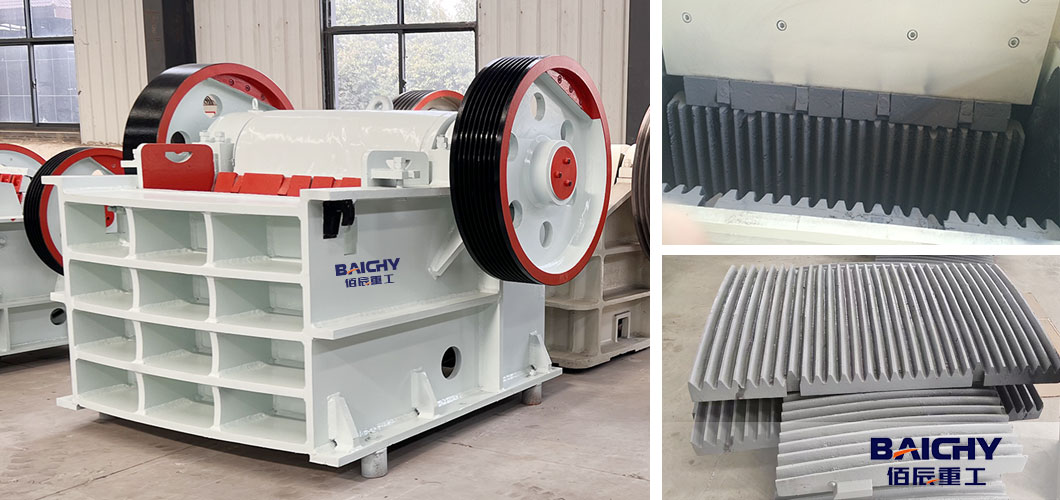
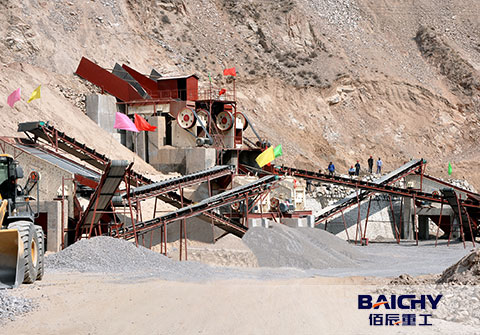
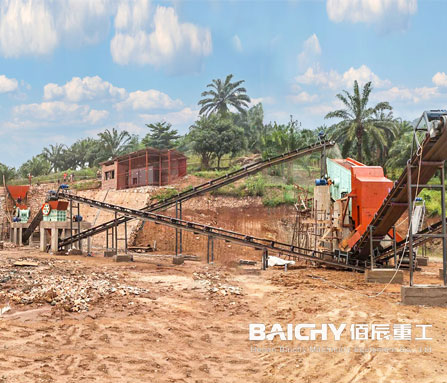
4. Case Study: 100tph Andesite Crushing Plant in Indonesia
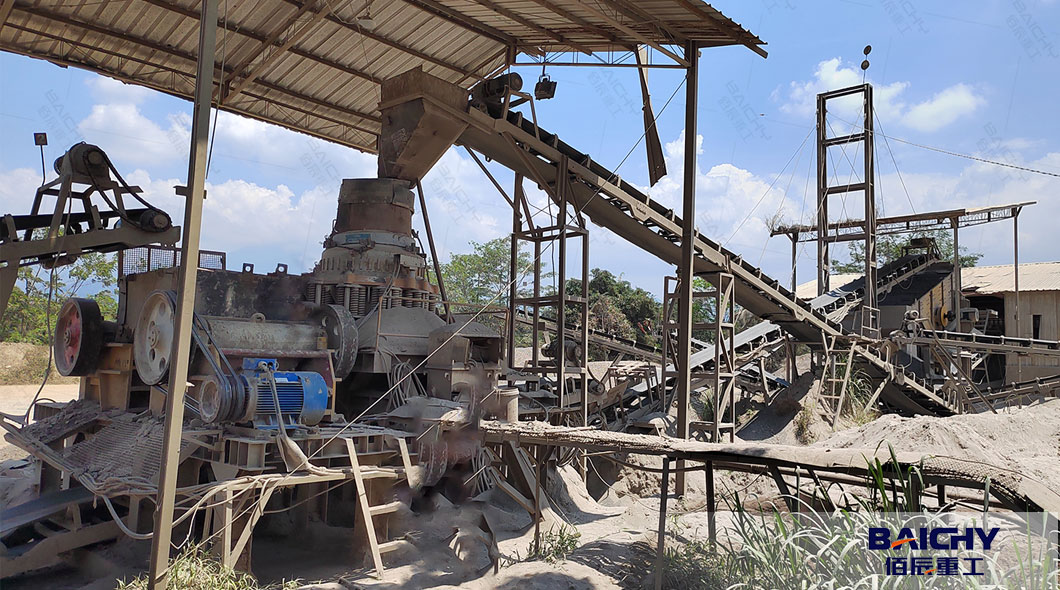
To see the PEX300x1300 in action, let’s look at a recentandesite crusher plant project in Indonesia.
The Challenge: The client needed to process Andesite—a strong volcanic rock used for road and railway construction. Andesite requires durable equipment because of its strength and abrasive nature.
The Solution: We designed a high-performance configuration to produce high-quality aggregates with an excellent shape.
Equipment List:
● Primary Crusher: 1 unit of PE600X900 Jaw Crusher.
● Secondary Crusher: 2 units of PEX300X1300 Fine Jaw Crushers.
● Tertiary Crusher: 1 unit of PYB1200 Cone Crusher.
● Screening: 1 unit of 3YK2160 Vibrating Screen.
● Transport: Complete system of Belt Conveyors.
The Result: By using two PEX300x1300 units in the secondary stage, the plant achieved a stable 100tph output. The customer reported a long service life for the jaw plates and a very satisfied market for the final aggregate shape.
The PEX300x1300 Fine Jaw Crusher is a reliable, high-efficiency workhorse for any secondary crushing stage. Whether you are processing limestone for cement or andesite for highways, this machine provides the perfect balance of power and precision. Are you planning to build or upgrade your crushing plant? Contact us today for a professional consultation and a customized quote!
How to Size a Jaw Crusher for Your Application
A common rule in plant design: the maximum feed size should not exceed 80% of the feed opening width.
For the PEX300x1300 with a 300 mm feed opening, the practical maximum feed size is therefore around 240 mm, which aligns with the published 250 mm figure.
When selecting a fine jaw crusher for secondary crushing, consider:
● Feed size from the primary crusher — this determines whether the PEX feed opening is large enough
● Target product size — this determines the discharge setting and therefore the capacity
● Required capacity — compare against the capacity table at your working discharge setting, not the maximum
● Material hardness and abrasiveness — affects wear part life and maintenance cost
● Circuit type — open circuit produces fewer fines; closed circuit with a screen gives better product control but higher circulating load
People Also Frequently Asked For - FAQ:
1. What is the maximum feed size for the PEX300x1300?
The published maximum feed size is 250 mm. In practice, a feed of 150–200 mm gives smoother operation and more consistent output. Feeding material larger than 250 mm risks bridging and accelerated wear.
2. Can the PEX300x1300 replace a cone crusher for secondary crushing?
In some applications, yes. For medium-capacity plants (up to around 100 TPH) processing medium-hard to hard rock, a fine jaw crusher can replace a cone crusher at lower capital cost and with simpler maintenance. However, for very high capacity or very fine product requirements, a cone crusher is generally more efficient.
3. What is the difference between the PE and PEX series?
PE crushers are primary crushers with larger feed openings and coarser output. PEX crushers are secondary fine crushers with thinner, denser jaw plate teeth, smaller feed openings, and finer output. They serve different stages in a crushing plant.
4. How often do jaw plates need replacing in andesite crushing?
In a single-shift operation processing andesite, Mn18Cr2 jaw plates typically last 6–8 months. For high-silica andesite or continuous two-shift operation, expect shorter intervals. Monitoring discharge opening size weekly helps predict when replacement is needed.




 2026-10-16





 86-15093113821
 86-15093113821