Home About us
Products
News
Solution
Video Service Contact us
Home  /  News

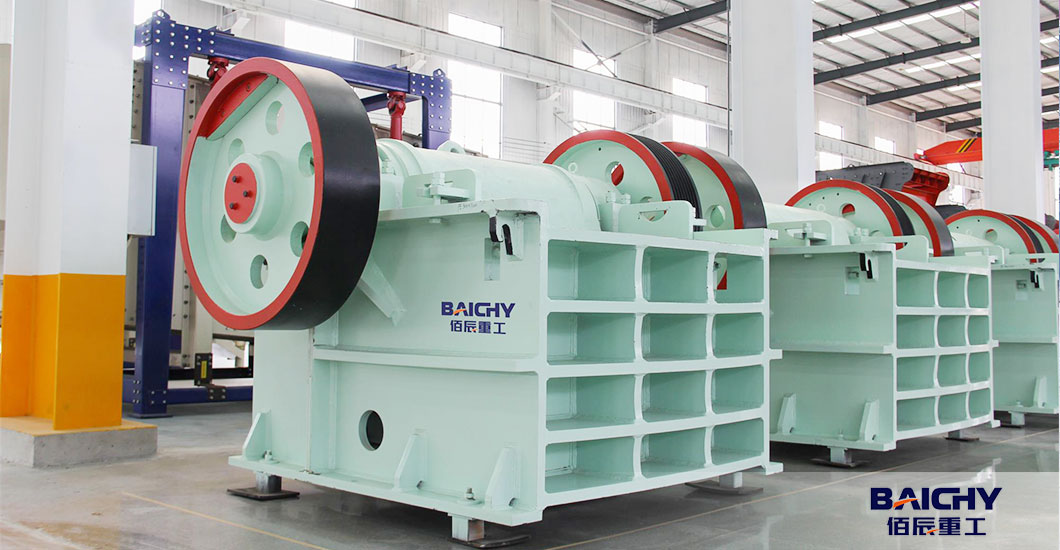
Jaw crushers are the core equipment for primary crushing in mining, construction, aggregate, and recycling industries. They are designed to break large and hard materials into manageable sizes and offer various configurations to meet specific requirements. This guide will explore four main types of jaw crushers, their key features, and practical applications to help you select the right equipment for your project.


What is a jaw crusher?

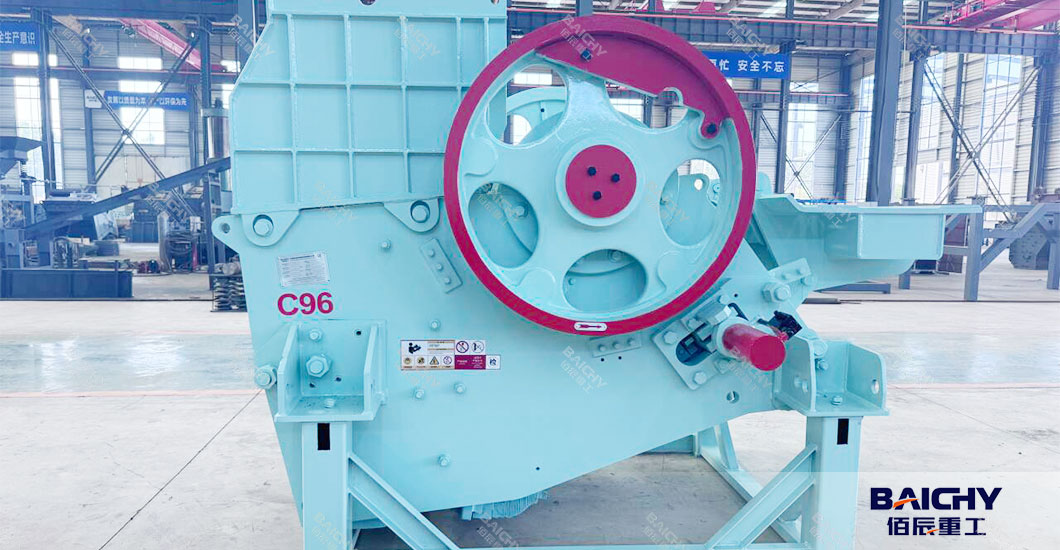
A jaw crusher uses a fixed "jaw plate" and a movable "swing jaw plate" to compress and crush materials. The gap between the jaw plates (closed side setting, CSS) determines the size of the final product. Jaw crushers are ideal for primary crushing (reducing raw materials from over 1 meter to 10-150 mm) and can handle hard, abrasive, and sticky materials, making them indispensable in industries such as quarrying, mining, and demolition.


Different-Types-of-Jaw-Crushers-and-Their-Applications-00.jp


Four common jaw crushers and their key features

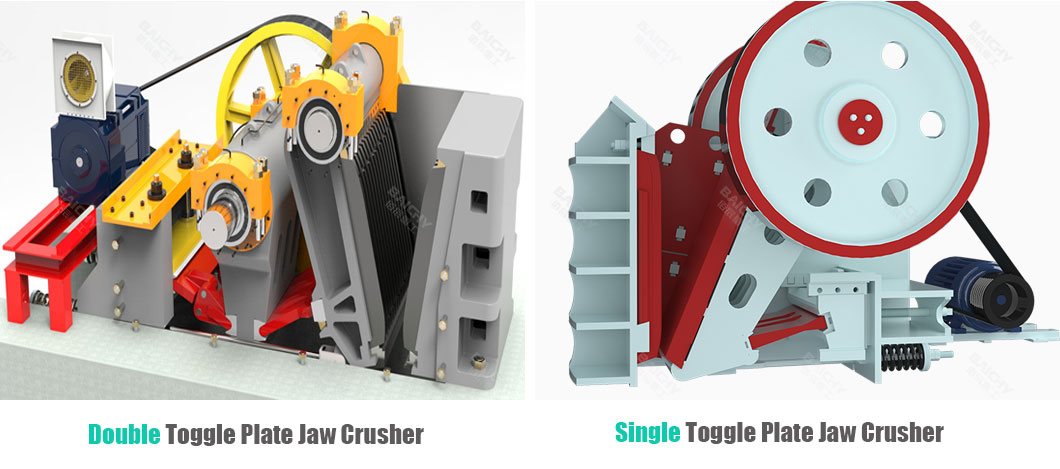
1. Black jaw crusher (double-ear jaw crusher)

● Design: Features two ear plates (upper and lower), connecting the swinging jaw to the frame. The eccentric shaft drives the swinging jaw to perform elliptical motion, generating strong crushing force.
● Main features: High crushing ratio (6:1 to 8:1), sturdy and durable structure, suitable for extremely hard materials. Low-speed operation (200-300 RPM), minimizing wear.
● Limitations: Large floor space, higher energy consumption, and lower throughput compared to modern designs.


2. Dodge jaw crusher (single-ear jaw crusher)

● Design: Utilizes a single ear plate and an eccentric shaft installed on the top of the swinging jaw. The swinging jaw moves along a more vertical arc, ensuring efficient material feeding and discharging.
● Key features: Compact size, faster throughput (300-400 RPM), easier maintenance.
● Limitations: The crushing ratio is lower than that of the Black crusher (4:1 to 6:1); not suitable for extremely hard or abrasive materials.


3. Universal Jaw Crusher (Combined Elbow Plate Design)

● Design: Combines the features of Black and Dodge - dual elbow plates provide crushing force, and the vertical swinging motion increases throughput. Adjustable CSS (5-150 mm), enabling various product sizes.

● Main features: Balanced performance (crushing ratio of 5:1 to 7:1), wide material compatibility, and easy adjustment. Suitable for primary and secondary crushing.
● Limitations: Moderate energy efficiency; most suitable for medium-scale operations (50-500 tons/hour).


4. Hydraulic jaw crusher (modern high-performance model)

● Design: Integrated hydraulic system for adjusting the discharge port, overload protection, and automatic cavity cleaning.
● Main features: High efficiency (up to 1,000 tons per hour), precise size control, and safety features (preventing damage caused by non-pulverizable objects such as steel). Low maintenance cost and energy-saving.
● Limitations: Higher initial cost; highly suitable for large-scale, high-output projects.


The-Future-of-Jaw-Crusher-Technology-00.jpg


How to Choose the Right Type of Jaw Crusher

Consider the following factors to select the jaw crusher that best suits your needs:
1. Material hardness: For hard materials (Mohs hardness ≥ 6), use Blake or hydraulic type; for medium-soft materials (Mohs hardness ≤ 5), use Dodge or universal type.
2. Output requirements: Hydraulic type (500–1000+ tons/hour) > Universal type (50–500 tons/hour) > Blake type (30–300 tons/hour) > Dodge type (10–200 tons/hour).
3. Space and mobility: Dodge type (compact) is suitable for on-site operations; Blake type/hydraulic type (larger) is suitable for fixed factories.
4. Budget: Traditional Blake type/Dodge type (lower initial cost); hydraulic type (higher initial cost, but lower long-term maintenance cost).
5. Product particle size: Hydraulic type/universal type (adjustable discharge port size for precise control); Blake type (fixed type with high crushing ratio).


The-Future-of-Jaw-Crusher-Technology-00.jpg


FAQ (Frequently Asked Questions)

Q: Can a jaw crusher produce fine sand?

A: No. A jaw crusher is a primary crusher. Its reduction ratio is typically 6:1. If you feed it 24-inch rocks, the output will be 4-inch rocks. You need a Cone Crusher or VSI to make sand.


Q: Which crusher is better for granite?

A: Granite is hard and abrasive. While a Single Toggle can handle it, a Double Toggle is better for long-term wear life. If you use a Single Toggle, ensure you use heavy-duty manganese liners.


Q: What is the "Closed Side Setting" (CSS)?

A: The CSS is the smallest distance between the jaw plates at the bottom. It determines the size of your product. Modern crushers allow you to adjust this hydraulically. 


Relative Jaw Crusher Topics Maybe You Are Interested In

1. How do we analyze a jaw crusher machine?

2. How to Measure the Jaw Crusher Gap (CSS)?

3. How to operate a jaw crusher?

4. How to adjust jaw crusher gap?

5. Stone Jaw Crusher Machine: 6 Problems You Could Face

6. What Are The Parts Of Jaw Crushers?

7. What Are The Different Models And Specifications Of The Jaw Crusher

8. What are skills to buy jaw crusher

9. 3 Jaw Crusher Machine Alternatives


Maybe you are interested in