Home About us
Products
News
Solution
Video Service Contact us
Home  /  News

Imagine working in remote mining sites to break granite, or at demolition sites in the city center to recycle concrete, or processing limestone for rural road projects - all without transporting raw materials to fixed crushing stations. This is the power of the crawler mobile crushing and screening station: It is a self-propelled crawler-type heavy equipment designed to bring the crushing operation directly to your construction site. The crawler mobile crusher can be easily moved to the location where the materials are located, thus reducing costs and saving time, and is a flexible solution.


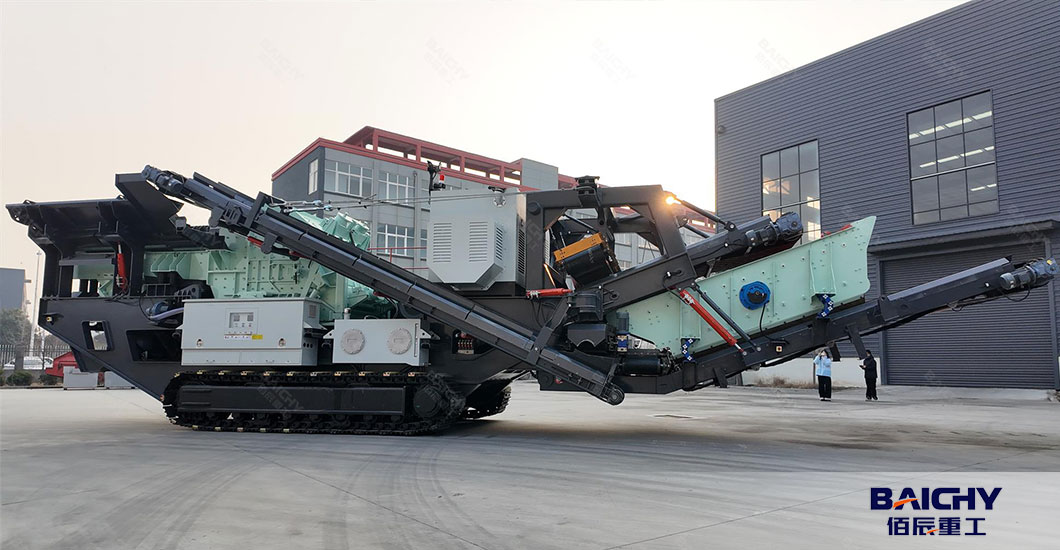
Crawler-Mobile-Crushing-and-Screening-Plant-On-Site-01


Key Features of Crawler Mobile Station

1. Firstly, there is the hydraulic crawler chassis. It is specially designed for various terrains and can easily handle slopes, wetlands and rugged mining ground - without the need for a flat paved surface. This extremely high mobility means that you can carry out operations in remote areas where static equipment cannot be installed.
2. The wireless remote control function has raised the safety and convenience level to a new height. You can operate the entire system from a safe distance, adjust settings or move the equipment without getting close to heavy machinery.
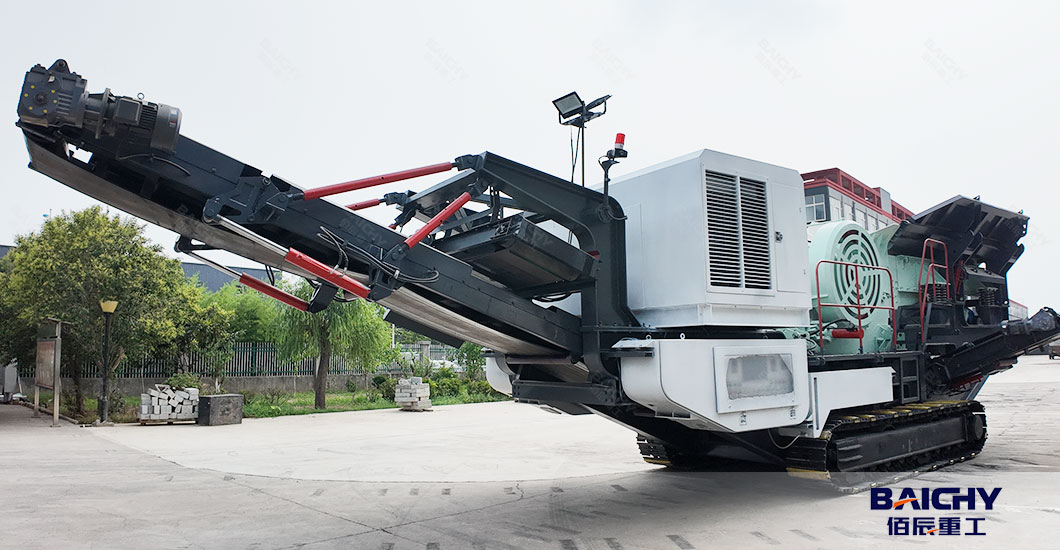
3. The integrated design is another advantage. Feeders, crushers, screening machines and belt conveyors - all are installed on a single chassis. There is no need for complex assembly or separate transportation of components. It is a complete crawler production line that is always ready.
4. Quick installation. These devices truly achieve "plug and play". No need for a concrete foundation, no lengthy installation process. Expand, power on, and you can start crushing within a few hours - perfect for projects with tight schedules or those requiring frequent changes in construction sites.


Application of Crawler Mobile Crusher And Screening Plant

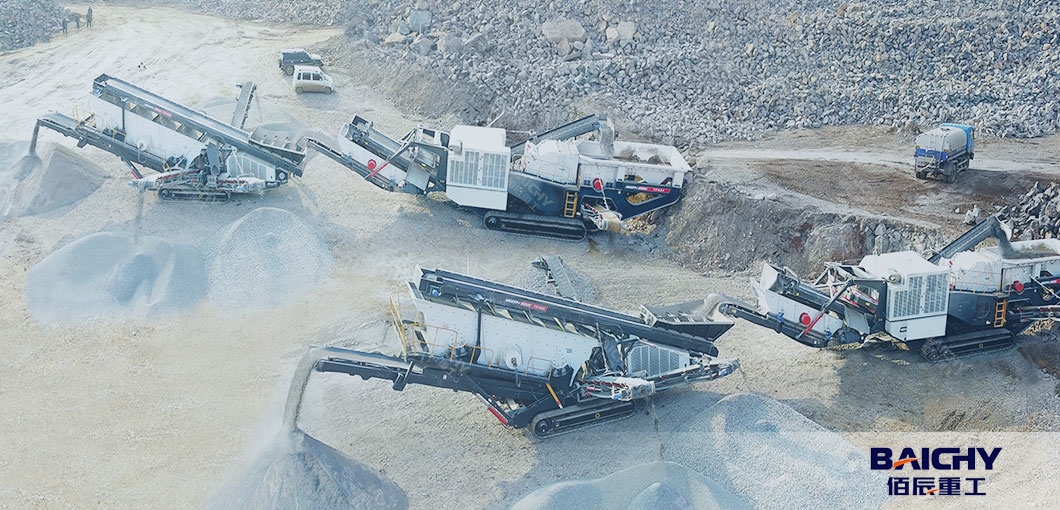
1. The crawler-type mobile crushing and screening station is suitable for harsh and dynamic environments. In mining and quarries, they can perform primary crushing of granite, limestone and ores in remote areas, processing raw materials on-site into usable aggregates.
2. For construction waste recycling, concrete, asphalt and crushed stones can be directly crushed at urban demolition sites, converting waste into recycled materials that can be used in new construction projects - reducing landfill volume and lowering material costs.
3. In infrastructure projects such as road and bridge construction, fixed crushing stations often cannot keep up with the constantly changing construction sites. Crawler-type crushing stations can move with the project, providing stable aggregates wherever needed, regardless of how rugged the terrain is.


Crawler-Mobile-Crushing-and-Screening-Plant-On-Site-02


A one-size-fits-all solution is not applicable to all situations.

You can choose from three core types:
Crawler Mobile Jaw Crusher: Perfect for primary crushing of hard rocks and large-sized crushed stones.
● Crawler Mobile Impact / Cone Crusher: Used for secondary crushing and shaping, capable of producing high-quality, uniformly sized aggregates.
● Crawler Mobile Vibrating Screen: An independent unit, focusing on the screening and separation of materials, is an ideal choice for refining crushed products.


Crawler-Mobile-Crushing-and-Screening-Plant-On-Site-02


People Also Frequently Asked For - FAQ

1. Can a crawler mobile crusher handle concrete with steel rebar?

Yes. Most crawler plants designed for recycling (especially Impact Crushers) come equipped with an overhead magnetic separator. As the crushed material exits the machine on the conveyor belt, the magnet automatically pulls the steel rebar out and throws it to the side, ensuring the final product is clean and the crusher remains undamaged.


2. What is the difference between a Crawler plant and a Wheel-mounted plant?

It comes down to terrain. Crawler plants move on tracks (like a tank), making them stable on soft soil, wetlands, or steep mountains. They move slowly but can navigate rugged sites easily. Wheel-mounted plants are towed by a truck; they are faster to transport between different cities on paved roads but require stable, flat ground to operate.


3. Do I need to build a concrete foundation for a crawler plant?

No. This is one of the biggest advantages. Crawler plants are designed to be "plug-and-play." They use hydraulic legs to level themselves. As long as the ground is relatively flat and compacted, you can start crushing immediately after unloading, saving days or weeks of installation time.


4. How are crawler crushing plants powered?

Traditionally, they are powered by an onboard diesel engine which drives the hydraulic systems. However, modern "Hybrid" or "Dual-Power" models are becoming popular. These allow you to plug the machine into the electric grid when available (to save fuel costs) while still having a diesel engine for mobility and backup. 


Maybe you are interested in