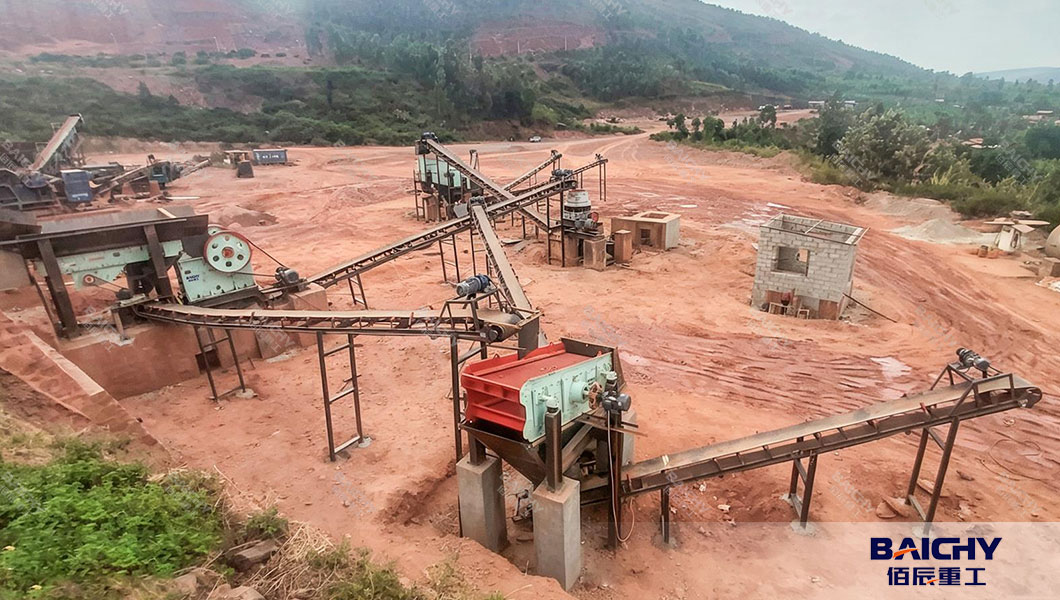
A limestone quarry in Southeast Asia was facing a common problem. The crushing site was located several kilometers away from the stockpile area, and every day dozens of trucks were needed to transport raw stone to the fixed crusher. Fuel costs continued to increase, while moving the quarry operation to a new mining face required weeks of preparation.
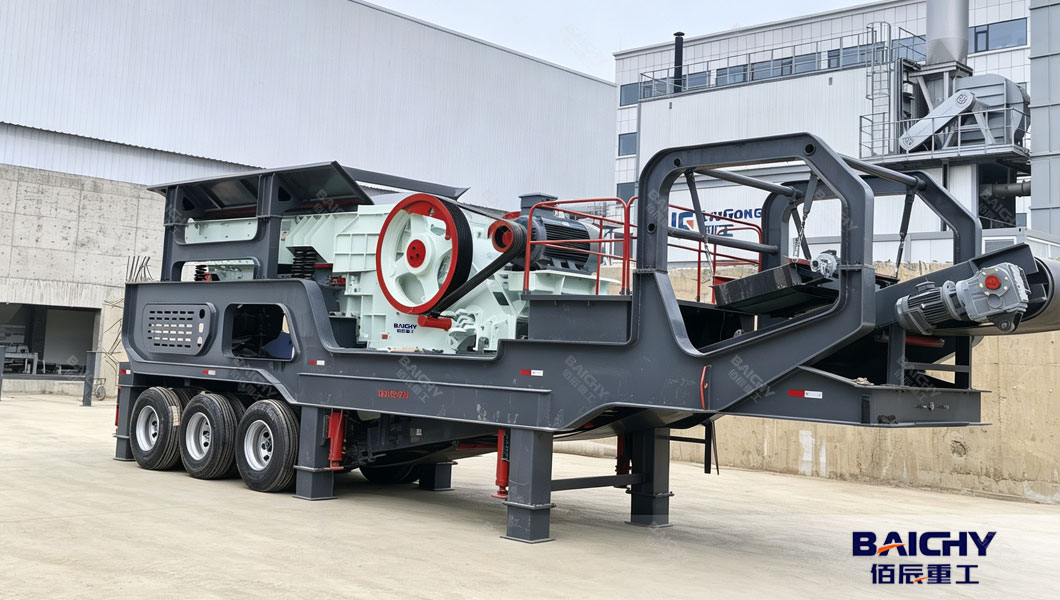
The quarry owner needed a crushing solution that could follow the mining progress, reduce material transportation distance, and maintain a stable production capacity of around 100-150 tons per hour. After evaluating the site conditions, a mobile jaw crusher plant became a more suitable choice than expanding the existing fixed crushing line. This situation is becoming increasingly common in small and medium-sized quarries, construction aggregate projects, and mining operations where flexibility is as important as production capacity.
Why Choose a 100-150 TPH Mobile Jaw Crusher Plant?
For many quarry operators, a 100-150 TPH capacity range provides a practical balance between investment cost and production requirements. It is large enough to supply commercial aggregate production while remaining easier to transport and install compared with larger stationary crushing plants.
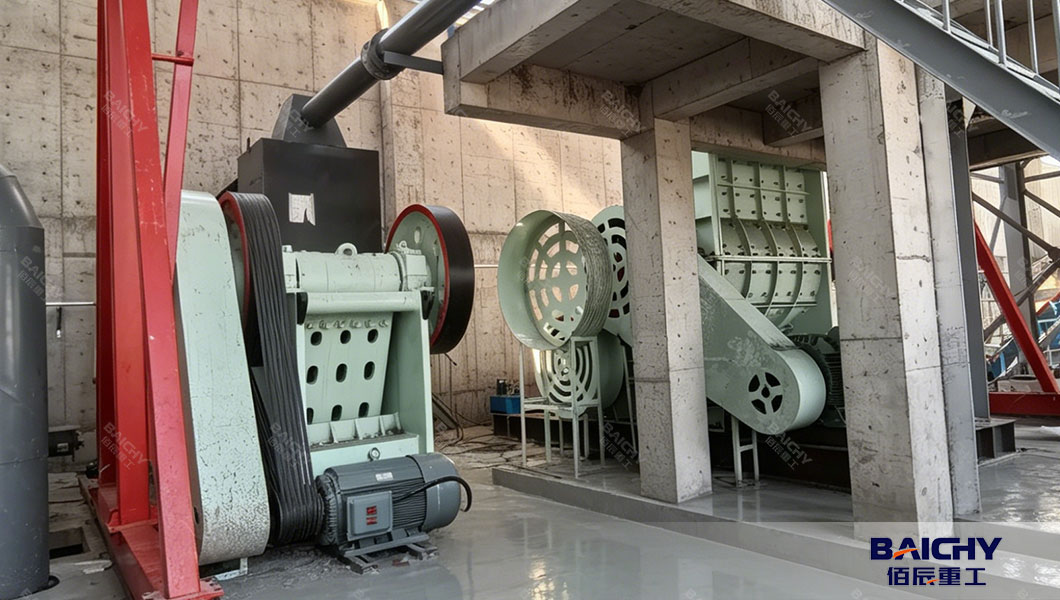
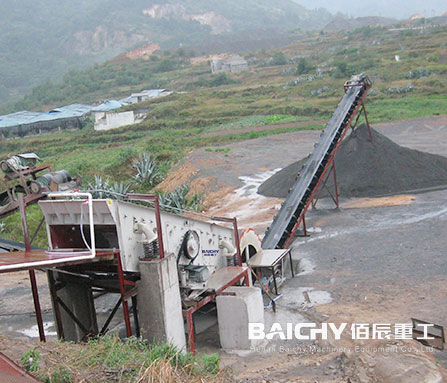
A mobile jaw crusher plant usually combines a vibrating feeder, jaw crusher, conveyor system, and crawler or trailer-mounted chassis into one integrated unit. The raw material is directly fed into the jaw crusher, where large rocks are reduced into smaller sizes for further processing or final use.
Compared with a traditional fixed crushing station, the biggest advantage is mobility. When the mining area changes, the crusher can be relocated closer to the working face. This reduces the distance that trucks need to carry raw materials and helps lower operating expenses.
For example, in a granite quarry project in Africa, the customer originally used a fixed jaw crusher installed far from the blasting area. The long haul distance caused high fuel consumption and frequent delays during rainy seasons. After replacing the first crushing stage with a 120 TPH mobile jaw crusher plant, the quarry was able to move the crushing position according to the mining progress, improving material handling efficiency.
Application in Hard Stone and Aggregate Production
A 100-150 TPH mobile jaw crusher plant is widely used for processing granite, basalt, limestone, river stone, and other hard rocks. In road construction projects, the plant can provide a stable supply of crushed stone for base materials and aggregates. In mining applications, it can work as a primary crushing unit to reduce large run-of-mine materials before grinding or beneficiation. The jaw crusher is designed to handle large feed sizes and high compression materials. Depending on the model, the feeding opening can reach around 900 mm or more, allowing it to process large quarry stones without additional breaking equipment.
For a customer in Indonesia, Baichy Machinery supplied a mobile jaw crushing solution for andesite processing. The project required approximately 100-150 tons per hour of production capacity to support a local aggregate business. The equipment included a mobile jaw crusher with a vibrating feeder and discharge conveyor. After installation, the customer reported stable operation and easier relocation between different quarry sections, especially during the expansion of the mining area.
Key Factors When Selecting a Mobile Jaw Crusher Plant
Choosing the right mobile jaw crusher is not only about capacity. The material characteristics, maximum feeding size, required output size, and working environment all affect the final equipment configuration.
For example, soft limestone and hard granite require different crushing parameters. A granite quarry may need a stronger jaw crusher structure and more wear-resistant components, while limestone processing may focus more on production efficiency and energy consumption.
Transportation conditions should also be considered. Some projects require crawler-mounted mobile crushers because the machine needs to move frequently on uneven quarry roads. Other sites with relatively stable working areas may choose wheel-mounted designs for easier road transportation.
Maintenance accessibility is another important factor. A well-designed mobile crushing plant should allow operators to inspect wear parts, replace jaw plates, and perform daily maintenance without long downtime.
A 150 TPH Mobile Crushing Solution for Expanding Quarry Operations
One recent project involved a construction aggregate producer in South America that planned to increase production from 80 TPH to more than 150 TPH. Their existing equipment could not keep up with demand, but building a complete fixed crushing line required a large investment and long installation period.
After analyzing the material size and production requirements, a 150 TPH mobile jaw crusher plant was selected as the primary crushing solution. The plant was configured to process local granite with a feed size of approximately 500-600 mm and produce consistent crushed stone for commercial aggregate supply.
The mobile design allowed the customer to start production faster while keeping the option to expand the crushing process in the future. This type of solution is especially suitable for contractors who need equipment that can move between different projects.
How Much Does a 100-150 TPH Mobile Jaw Crusher Plant Cost?
The price of a mobile jaw crusher plant depends on many factors, including crusher model, mobility type, automation level, feeding system, and optional equipment.
A basic configuration may include only the mobile jaw crusher, while a complete solution can include a feeder, screening unit, conveyor system, dust suppression system, and spare parts package.
For customers comparing different suppliers, focusing only on the purchase price can lead to unexpected costs later. Equipment reliability, after-sales support, spare part availability, and experience with similar projects are equally important when choosing a long-term crushing partner.
A suitable mobile jaw crusher plant should match the actual production conditions rather than simply selecting the largest capacity available.
Many quarry owners are now considering whether a 100-150 TPH mobile jaw crusher plant can replace their existing fixed crushing system or support a new mining project. The answer depends on factors such as your raw material, site layout, and future production plans.
If you are planning a new crushing project or looking to improve your current quarry operation, share your material type, required capacity, and working conditions with our engineering team to discuss a suitable mobile crushing solution.




 2026-09-21





 86-15093113821
 86-15093113821