Home About us
Products
News
Solution
Video Service Contact us
Home  /  News

 Two months ago, I was on-site at a basalt quarry in Davao, Philippines. The owner, a newcomer to the aggregate business, was pointing at a mountain of "flat and elongated" 10-20mm stones that had just been rejected by a local highway project. Even worse, his impact crusher was down for the third time that week; the blow bars were worn to the core after processing only a few hundred tons of high-silica basalt.


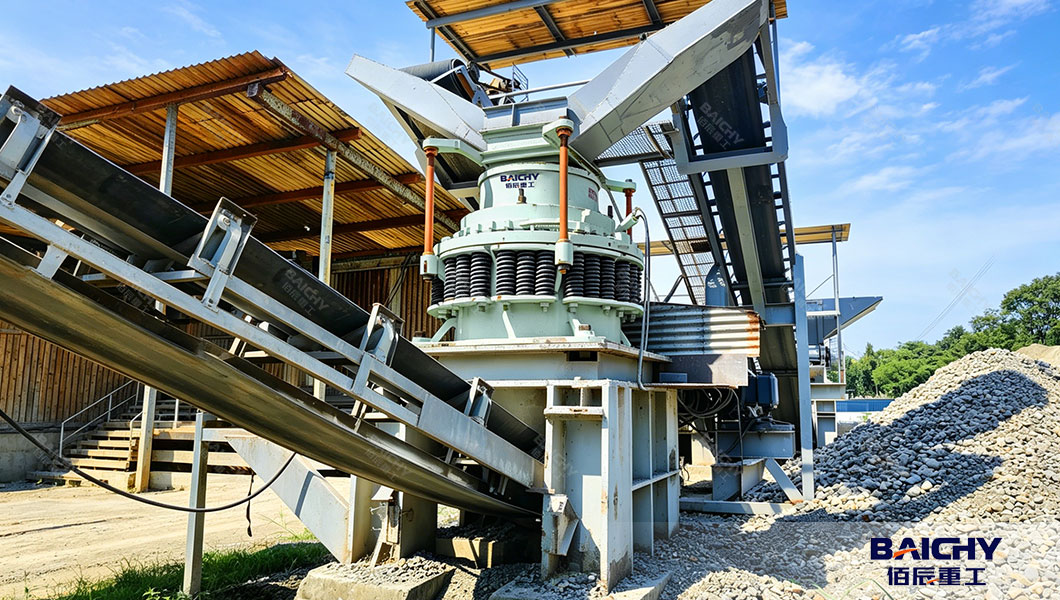
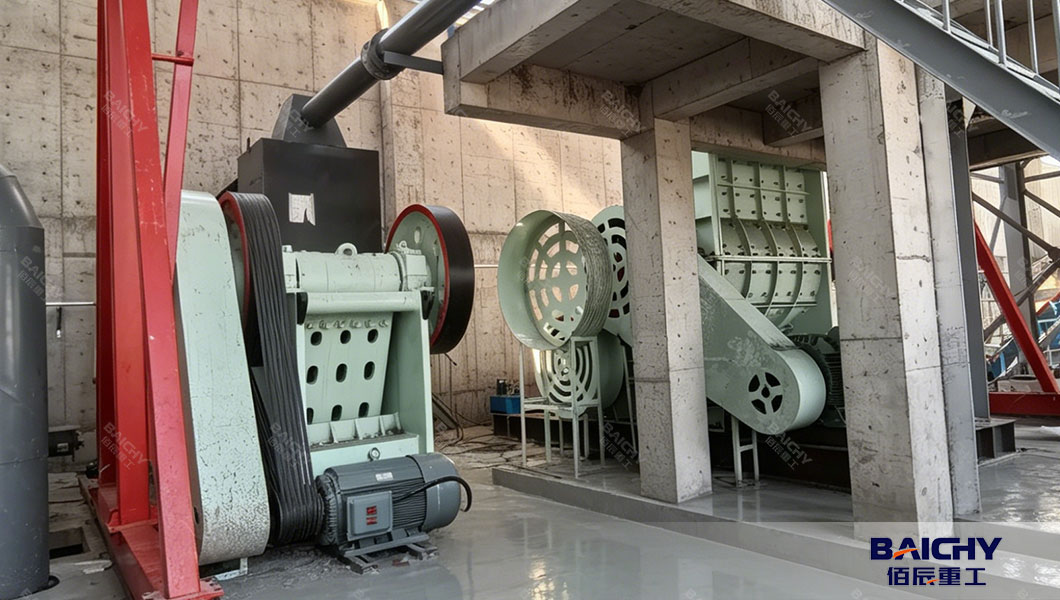
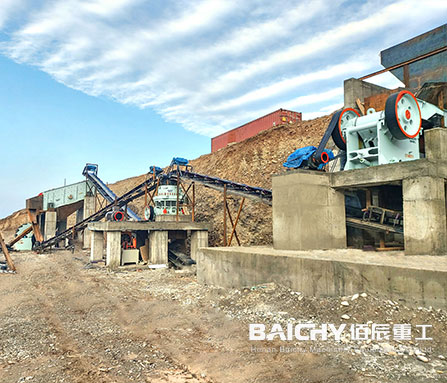
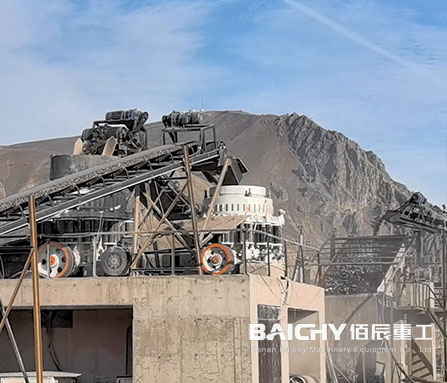
50tph-cone-crusher.jpg


“We’re spending more on manganese than we’re making on sales,” he told me. It’s a classic mistake: choosing a crusher based on initial price rather than the Mohs hardness and abrasiveness of the feed material. Impact crushers rely on high-speed kinetic energy—fine for limestone, but catastrophic when fighting hard, abrasive rock.


I advised him to pivot immediately to a 50 TPH Cone Crusher.


In the world of mechanical engineering, we don’t just "break" rocks; we manage energy and wear. A 50 TPH cone crusher operates on the laminated crushing principle (also known as inter-particle crushing). Instead of a single high-impact strike, the material is compressed between a moving mantle and a fixed concave. When the crushing chamber is properly choked, the stones actually crush each other. This "stone-on-stone" action does two things: it significantly reduces the direct wear on your liners and produces a much more cubical product by breaking off the weak, thin edges of the stones.


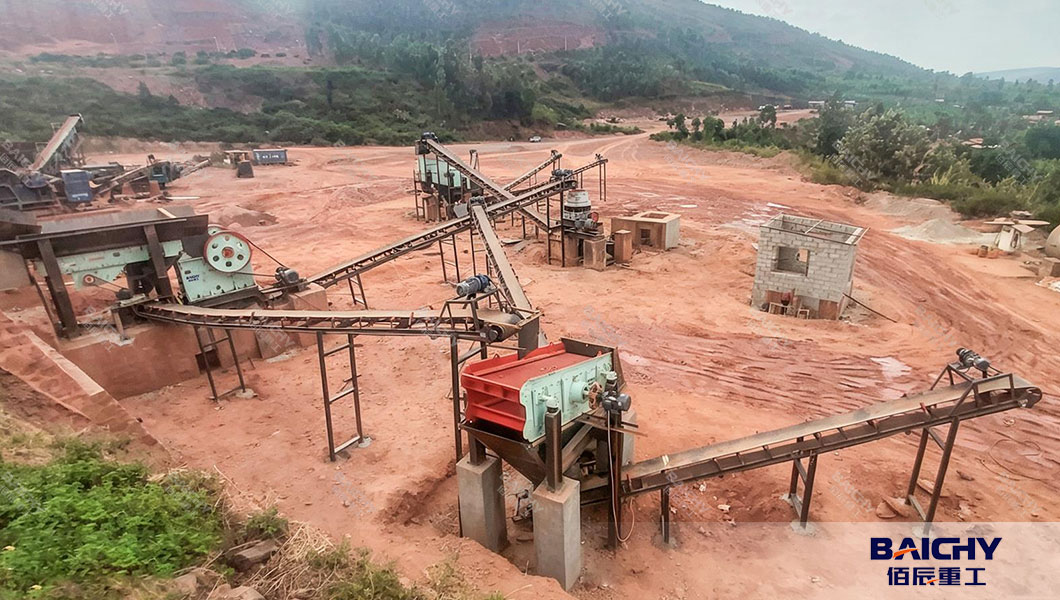
I remember a similar project I managed in East Africa involving a 50 TPH granite line. The client was skeptical about the "slow" movement of the cone compared to his previous equipment. However, within the first month, the data spoke for itself. By optimizing the Closed Side Setting (CSS) and maintaining a consistent feed, we achieved a reduction ratio that eliminated the need for a tertiary stage. The wear life of his mantles jumped from 150 hours (on his old impactor) to over 1,200 hours. For a 50 TPH operation, that is the difference between a profitable venture and a financial sinkhole.


For a mid-sized operator, the 50 TPH model is the "sweet spot." It offers the heavy-duty hydraulic clearing and adjustment features of larger units but maintains a compact footprint that doesn't require massive civil engineering or deep pits. It’s a precision tool designed for durability.


If you are currently watching your profit margins disappear into a pile of worn-out wear parts and rejected sub-standard aggregates, you have to ask yourself: is your current flow sheet designed for the rock you want to crush, or the rock you actually have on the ground?


What is the specific gravity and abrasion index of your feed material, and have you calculated your true cost-per-ton including downtime?


Maybe you are interested in