Coal crushing is the first stage in many coal preparation and handling systems. Before coal can be washed, milled, transported, or used for combustion, it usually needs to be reduced to a suitable size. A stable crushing process helps maintain consistent feed size for the next stage, improves equipment efficiency, and reduces unnecessary energy consumption. However, designing a coal crushing plant is not only about selecting a crusher. The complete system needs to match the raw coal characteristics, production capacity, final product requirements, and site conditions.
How Does a Coal Crushing Process Work?
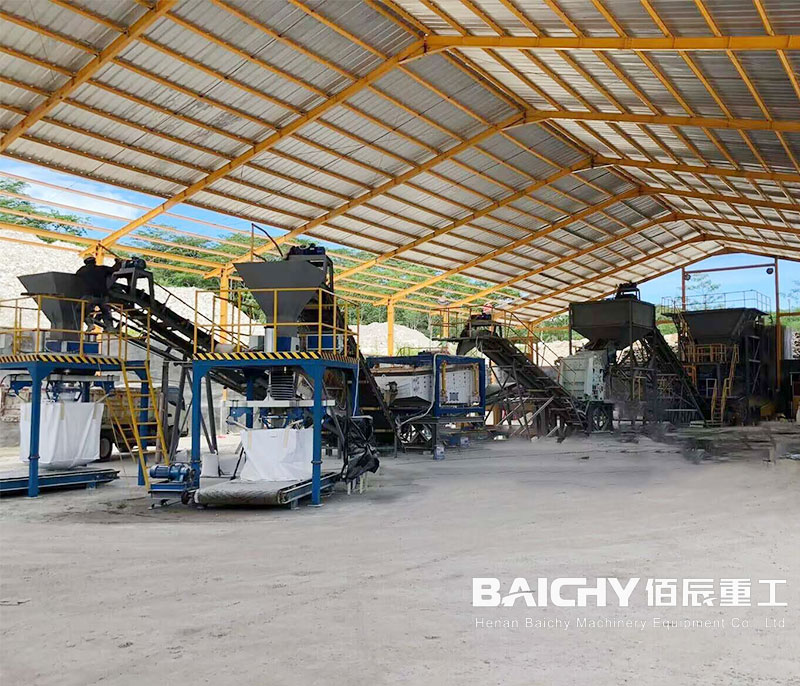
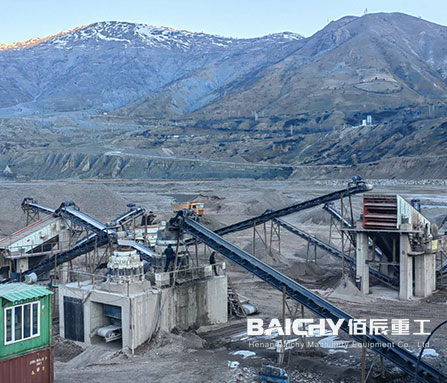
A typical coal crushing plant usually includes several stages, starting from raw coal receiving and ending with finished product storage.
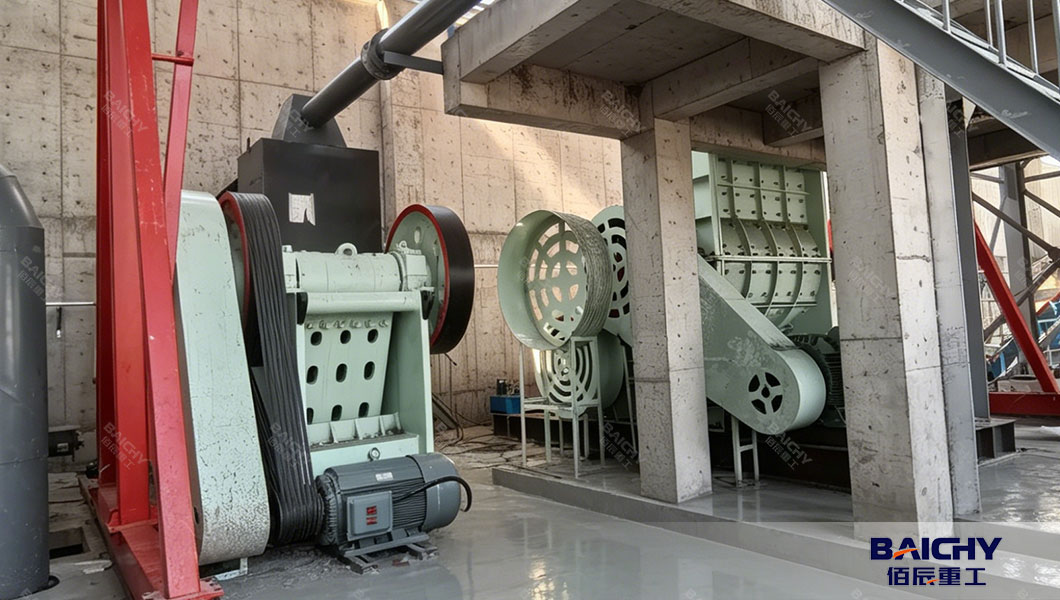
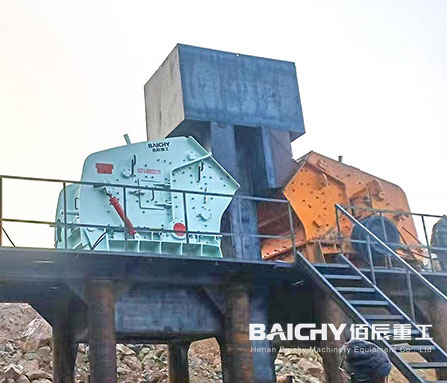
The raw coal is first delivered to the feeding area and stored in a stockpile or receiving hopper. It then enters the primary jaw crusher, where large coal lumps are reduced into smaller sizes. After primary crushing, screening equipment separates fine material from oversized coal. The smaller particles can move directly to the next process, while larger pieces return to secondary crushers, such as double rotor hammer crusher or roller crusher, for further reduction. The finished coal is then transported by belt conveyors to stockpiles or sent to the next processing stage.
The actual process layout depends on factors such as coal type, moisture content, required output size, and plant capacity.
Key Factors in Coal Crushing Plant Design
Before selecting crushing equipment, engineers need to understand the characteristics of the raw coal and the production requirements.
● Feed size is one of the first factors to consider. Run-of-mine coal can contain large lumps, and the crusher must have enough capacity to handle the maximum feed size from mining operations.
● The required product size also affects the crushing stages. Some applications only require coarse crushing, while others need finer sizing for boilers, pulverizing systems, or coal washing plants.
● Production capacity is another important factor. The crushing system must handle both average and peak feed rates to avoid bottlenecks during operation.
● Moisture content can also influence plant performance. Wet coal tends to stick together, causing screen blockage and reducing crusher efficiency. For high-moisture coal, special attention should be given to feeder selection and screening design.
● Coal hardness and abrasiveness determine crusher type and wear protection requirements. Different coal sources can have significant differences in crushing characteristics, so equipment selection should be based on actual material testing.
Improving Screening Efficiency
Screening is an important part of a coal crushing plant because it controls the final product size and prevents unnecessary crushing.
A properly designed screening system removes fine coal before secondary crushing. This reduces the load on crushers, lowers energy consumption, and helps extend wear part life.
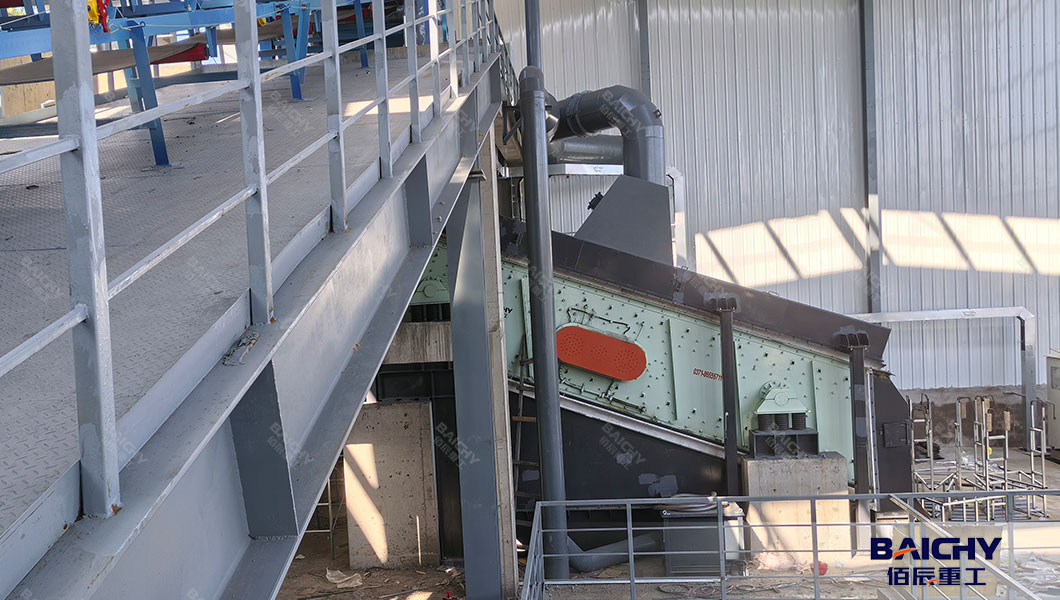
Screen performance depends on several operating conditions, including screen opening size, deck design, feed rate, material thickness, and moisture content.
For example, when processing wet and sticky coal, excessive moisture can cause material to build up on the screen surface. Selecting suitable screen media, such as polyurethane panels or specially designed openings, can help reduce blockage problems.
The inclination angle of the screen also affects material movement and separation efficiency. In many applications, vibrating screens operate with an angle of around 15-25 degrees, but the final setting depends on the material characteristics and required capacity.
Regular monitoring of screen efficiency helps operators identify problems early and maintain stable production.
Conveyor System Design for Coal Handling
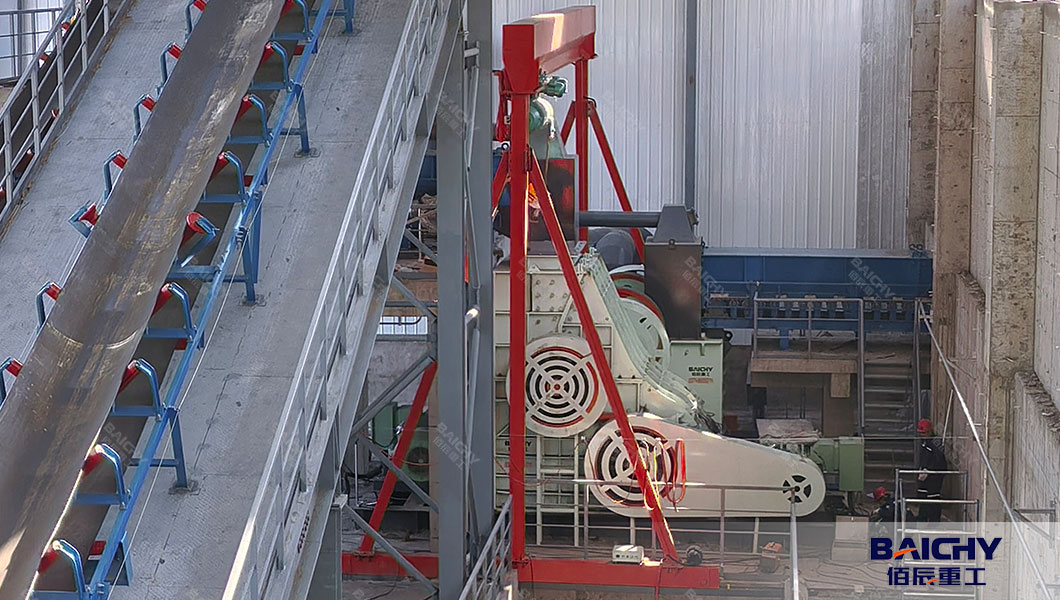
Belt conveyors are used throughout coal crushing plants to transfer material between different processing stages. A reliable conveyor system reduces manual handling and keeps the entire production line running continuously.
Several factors need to be considered during conveyor design. Belt speed must match the material flow and transport distance. For many coal handling applications, belt speeds are commonly selected within the range of 1.5-4 m/s depending on capacity and material conditions.
The conveyor structure should also prevent material spillage and minimize dust generation, especially at transfer points where coal drops from one conveyor to another.
Safety equipment is another essential part of the system. Emergency stop switches, pull cords, belt protection devices, and proper guarding help ensure safe operation and easier maintenance.
Common Problems in Coal Crushing Plant Design
Some coal crushing systems experience performance issues because of design problems rather than equipment quality.
● One common issue is insufficient buffer capacity between crushing stages. Without enough storage space, upstream and downstream equipment can affect each other, causing unstable operation.
● Dust control is another factor that should not be overlooked. Crushing and transferring coal can generate fine particles, so proper dust suppression or collection systems are often required.
● Maintenance access is also important during plant design. Equipment should be arranged with enough space for inspection, repair, and replacement of wear parts.
In addition, coal properties can change during mining. A system designed only for ideal conditions may struggle when feed size, moisture, or hardness varies.
Measuring Crushing Plant Performance
After commissioning, operators need to monitor key performance indicators to improve plant operation.
● Crusher utilization shows how effectively the equipment is being used. In many applications, maintaining a utilization rate above 75% indicates good equipment availability.
● Specific energy consumption (kWh/ton) helps evaluate crushing efficiency. Lower energy consumption usually indicates a more optimized process.
● Screening efficiency is another important measurement. A well-functioning screening system helps maintain stable product size and reduces unnecessary recirculation.
● Consistent product size distribution is also critical, especially when coal is supplied for specific industrial applications.
Building a Reliable Coal Crushing System
A successful coal crushing process requires the right balance between equipment selection, process layout, and operating control. The crusher, screen, feeder, and conveyor system must work together to handle changing material conditions and maintain stable production. By considering raw coal characteristics, capacity requirements, product specifications, and future maintenance needs during the design stage, operators can build a crushing plant with better efficiency and lower operating costs.
At Baichy, we are the experts in coal crushers. Our extensive experience allows us to help you choose the coal crusher that is perfectly suited for your project’s unique needs, budget, and materials. For more information, reach out to our team of professionals today at (86) 150-9311-3821.




 2026-10-16





 86-15093113821
 86-15093113821