The jaw crusher is the first crushing stage in most aggregate and mining plants. It receives raw material directly from the quarry — large, irregular, and uncontrolled in size. That position makes it the most jam-prone machine in the production line. When a jaw crusher jams, most operators shut down the power supply, inspect the chamber, and clear the blockage manually. This approach works, but it costs several hours of downtime and repeated start-stop cycles reduce motor and bearing life. A better approach is to understand why jams happen, apply the right fix for each cause, and install controls that prevent most jams before they occur.
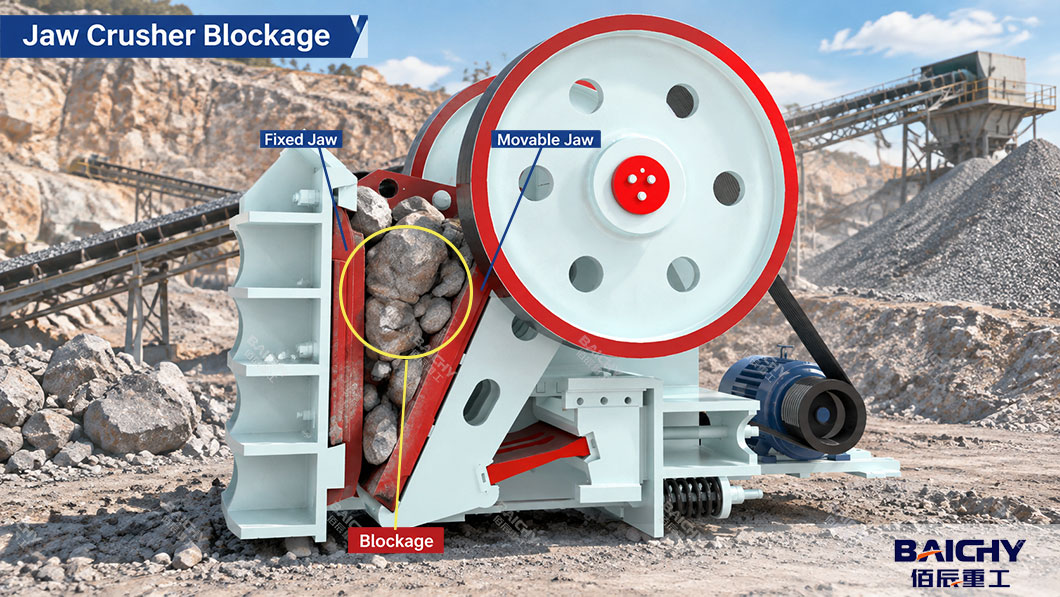
5 Common Causes of Jaw Crusher Jamming
| # |
Cause |
What Happens |
| 1 |
Overfeeding |
Feed rate exceeds the crusher's capacity, material backs up in the chamber |
| 2 |
Material buildup in the lower chamber |
Discharged material cannot clear fast enough, resists the moving jaw, motor overloads and trips |
| 3 |
Downstream equipment stops |
The jaw crusher keeps crushing while the conveyor or screen is stopped, causing backup |
| 4 |
Oversized rock |
Material larger than the feed opening bridges at the top of the chamber |
| 5 |
Uneven feed distribution |
Material piles on one side, reducing effective chamber volume and causing localized blockage |
Understanding which cause applies to your situation determines which solution to use. The table below maps each cause to its fix and its prevention measure.
Common Causes of Jaw Crusher Plugging Problems
1. Oversized Feed Material
One of the most common reasons for jaw crusher blockage is feeding rocks that are larger than the recommended maximum feed size. When large stones enter the crushing chamber, they may become stuck between the jaw plates and prevent other materials from passing through.
How to Solve It
To avoid oversized material problems:
Control blasting size in quarry operations
Remove extremely large rocks before feeding
Use a suitable crusher model according to the maximum feed size
Install a grizzly screen or pre-screening system when necessary
A properly selected jaw crusher should have enough feed opening capacity for the raw material size.
2. Excessive Moisture and Sticky Material
Wet and sticky materials can easily cause blockage, especially when the raw material contains clay or fine particles. Moist material may stick to the jaw plates and crushing chamber, reducing the space available for material movement.
Common materials with higher blockage risks include:
Clay-containing limestone
Wet river stone
Soil-mixed aggregates
How to Solve It
Possible solutions include:
Reducing material moisture before crushing
Removing fine sticky materials through screening
Adjusting the feeding process
Cleaning accumulated material regularly
For materials with high moisture content, proper process design is important before selecting crushing equipment.
3. Uneven Feeding
A stable feeding system is essential for jaw crusher operation. If too much material enters the crusher at one time, the crushing chamber may become overloaded. On the other hand, irregular feeding can cause unstable crushing performance.
How to Solve It
Use a vibrating feeder to provide continuous and controlled feeding.
A proper feeding system can:
Maintain stable material flow
Prevent sudden overload
Improve crushing efficiency
Reduce unnecessary downtime
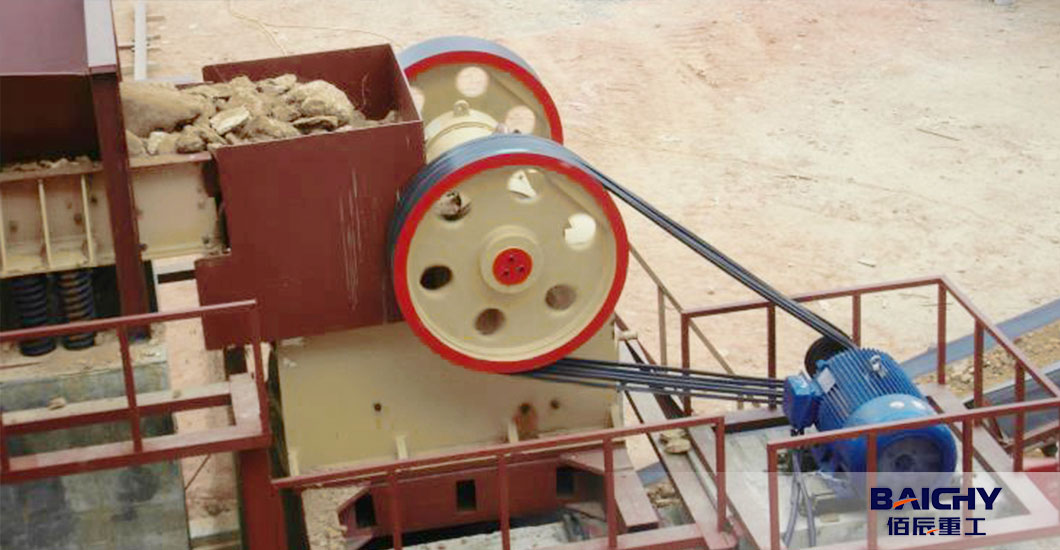
4. Incorrect Crusher Settings
The discharge opening setting directly affects crushing performance. If the discharge opening is too small for the material characteristics, crushed material may not leave the chamber smoothly.
How to Solve It
Operators should check:
Discharge opening adjustment
Jaw plate condition
Material size distribution
Crusher operating parameters
Choosing the correct setting helps maintain a balance between crushing efficiency and product size.
5. Worn Jaw Plates
Jaw plates are important wear parts that directly contact the material. After long-term operation, worn jaw plates may reduce crushing performance and affect material movement inside the chamber.
How to Solve It
Regular inspection is necessary.
Recommended actions:
Check jaw plate wear condition
Replace severely worn plates
Use suitable wear-resistant materials
Maintain correct installation
Timely replacement can prevent unstable operation and unexpected blockage.
How to Prevent Jaw Crusher Plugging Problems?
Preventing blockage is more effective than solving frequent shutdown problems.
1. Optimize Material Preparation
Before feeding materials into the crusher:
● Control maximum rock size
● Remove excessive fines and clay
● Maintain suitable moisture conditions
Good material preparation reduces the workload of the jaw crusher.
2. Maintain Continuous Feeding
A stable feeding system allows the crusher to operate under consistent conditions.
Avoid:
● Sudden large material feeding
● Empty running for long periods
● Uneven material distribution
A vibrating feeder is commonly used to achieve controlled feeding.
3. Regular Equipment Inspection
Daily inspection helps identify potential problems before they affect production.
Check:
● Jaw plates
● Discharge opening
● Lubrication system
● Motor condition
● Abnormal noise or vibration
Preventive maintenance reduces downtime and extends equipment service life.
Jaw Crusher Plugging Problem Case Study
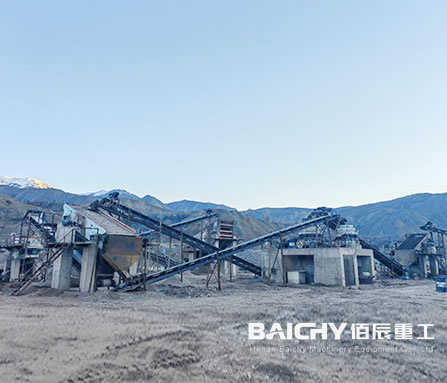
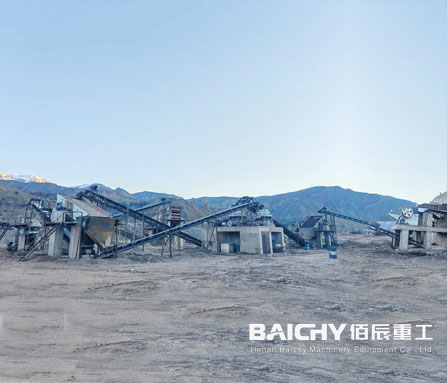
200 TPH Limestone Crushing Plant Project Background
A limestone quarry experienced frequent jaw crusher blockage during production.
The main problems included:
● High moisture content in raw material
● Uneven feeding during peak production periods
● Material accumulation inside the crushing chamber
● Problem Analysis
After checking the crushing process, the main causes were identified:
● Wet limestone with sticky clay content increased material adhesion.
● Feeding speed was unstable and caused temporary overload.
● Fine materials were not removed before primary crushing.
Solution
The production process was improved by:
● Installing a more stable vibrating feeder
● Adding pre-screening before crushing
● Adjusting the feeding rate according to crusher capacity
● Improving regular cleaning and maintenance procedures
Result
After optimization, the jaw crusher operated more smoothly with fewer blockage events. Production stability improved, and downtime caused by material plugging was significantly reduced.
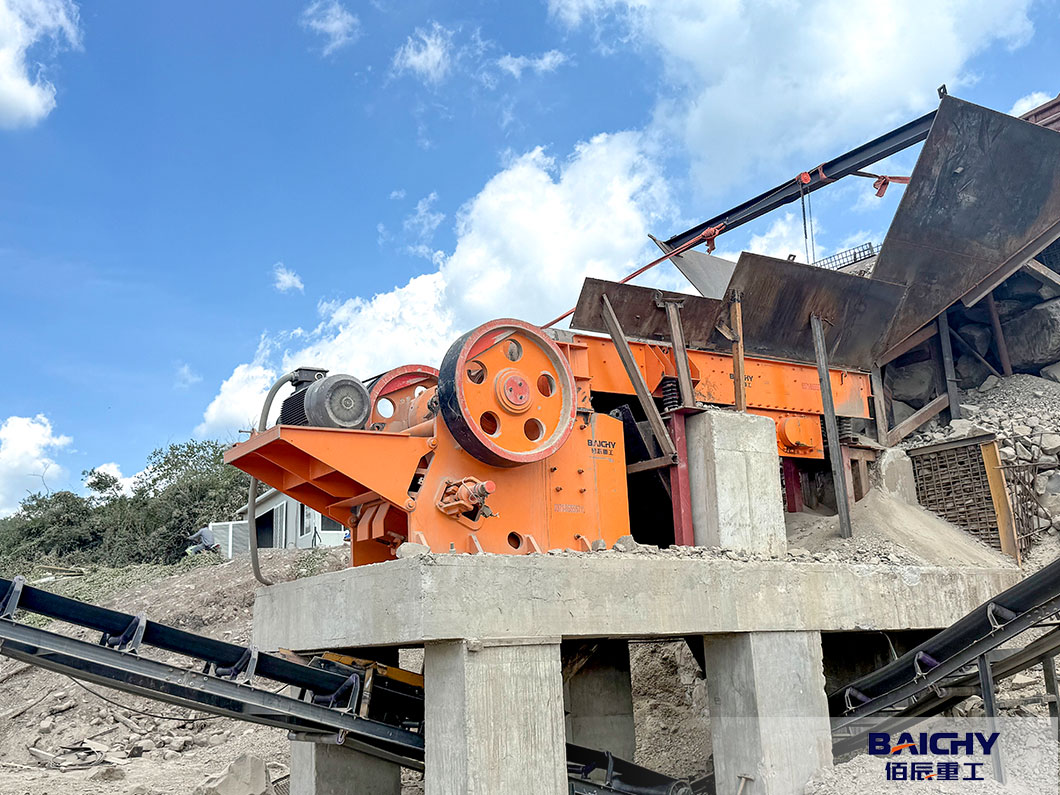
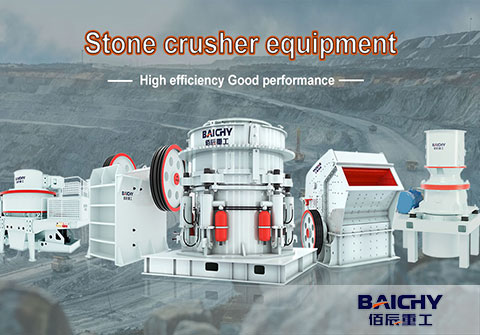
Baichy Mining Equipment has manufactured crushing and screening equipment since 2003. We provide jaw crushers, cone crushers, impact crushers, vibrating feeders, screens, and complete plant design services, including control system configuration for jam prevention. Contact us for equipment selection, plant design, or control system recommendations for your crushing operation.
Frequently Asked Questions
1. What is the most common cause of jaw crusher jamming?
Overfeeding is the most common cause. When the feed rate exceeds the crusher's capacity, material backs up in the chamber, the motor current rises, and the crusher eventually trips or jams. Installing current-based feeding control prevents most of these incidents.
2. How do I unblock a jaw crusher safely?
Stop the feeder first. Let the crusher run empty to discharge what it can. If the blockage remains, switch off and lock out the power, then remove the blockage using a hydraulic breaker or a proper pry bar from a safe position. Never reach into the chamber or strike the crusher frame with a hammer.
3. What should the jaw crusher motor current be?
The normal operating current should stay below 80–85% of the motor's rated current. If the current consistently runs near the rated value, the crusher is being overfed or the discharge setting is too tight. Set the alarm at 80–85% so the operator has time to react before an overload trip.
4. How do I prevent oversized rock from jamming the crusher?
Control the maximum feed size at the quarry through blasting design, install grizzly bars on the feeder to scalp oversized material, and keep a hydraulic breaker at the feed station. The maximum feed size should not exceed 80% of the feed opening width.




 2026-10-24






 86-15093113821
 86-15093113821