A jaw crusher is the most common primary crusher in mining and aggregate operations. Its job is simple: break down blast rock into sizes that downstream equipment can handle. But sizing the right crusher? That's not so simple. Choose too small, and you'll struggle with low output and constant overloading. Choose too large, and you've wasted capital on a machine that's underutilized. So how do you pick the right size? This guide walks you through the key terms, selection factors, and practical steps to make an informed decision.
Understanding Key Terms
Before diving into selection, you need to understand the basic terminology. These terms are how manufacturers describe their machines.
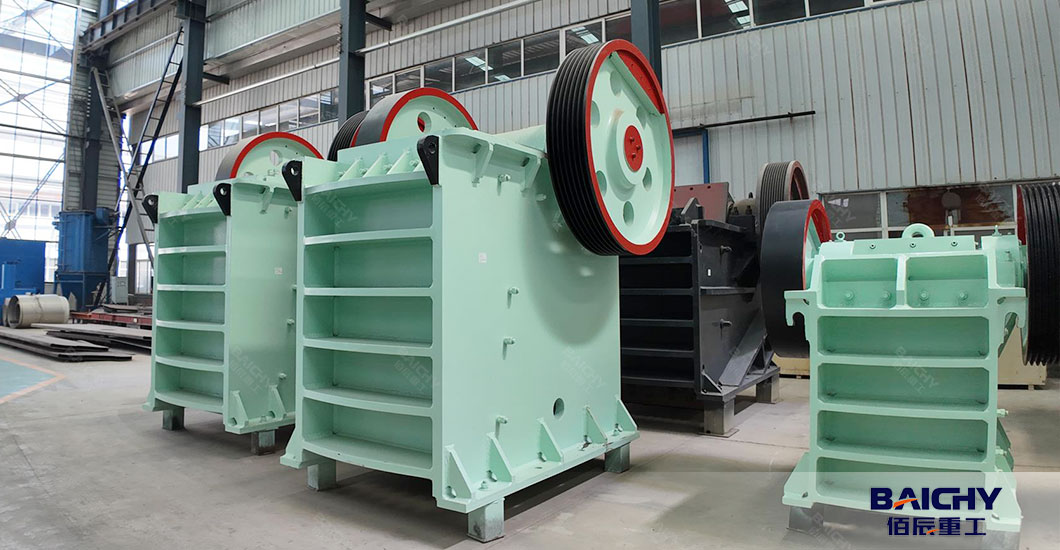
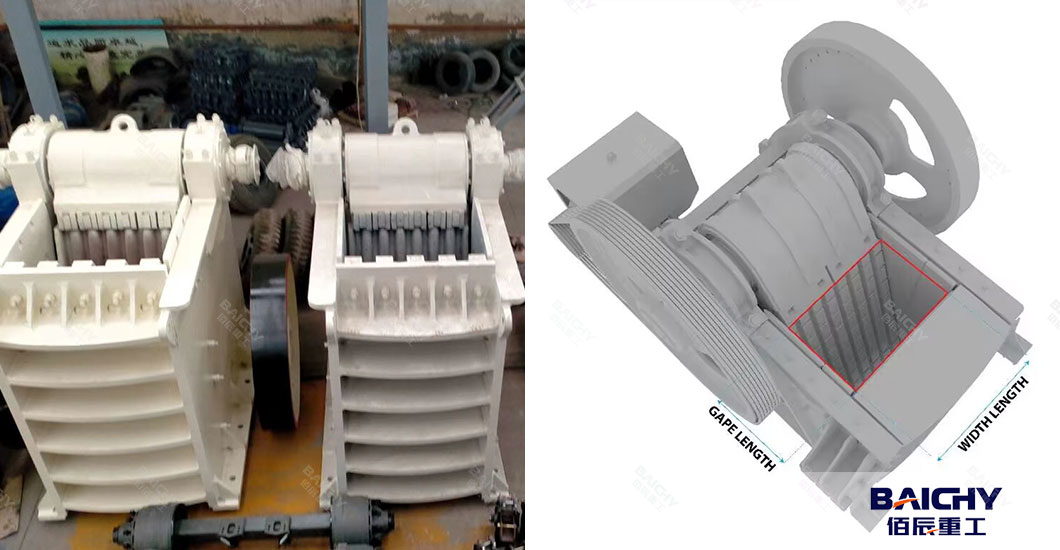
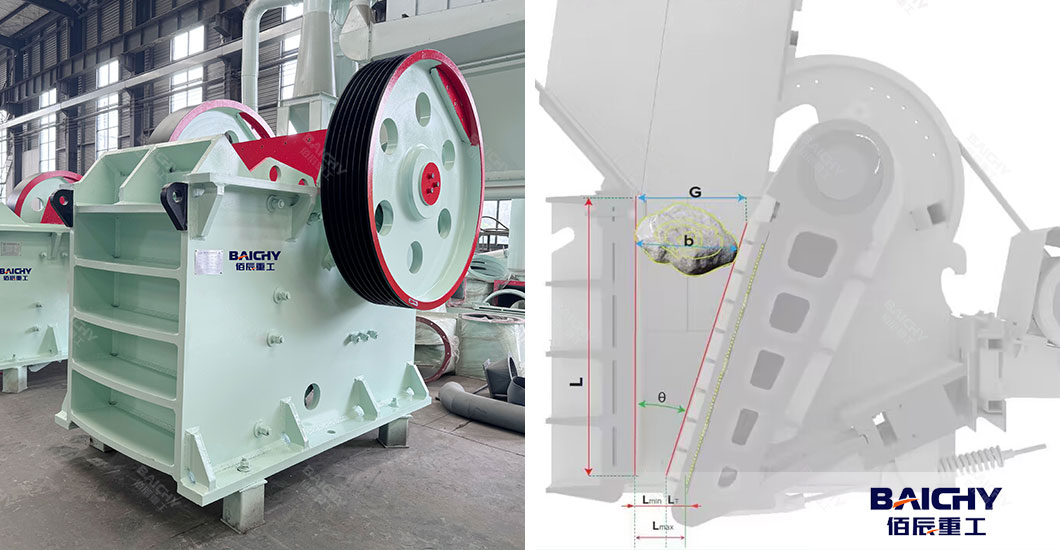
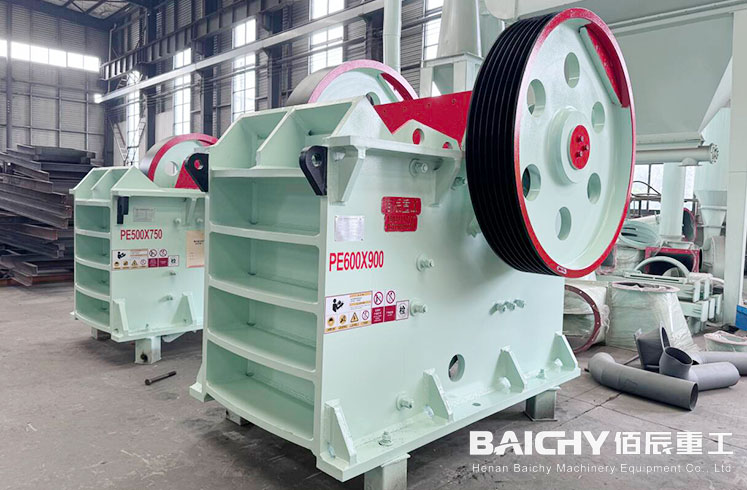
Feed opening is how jaw crushers are identified. It consists of two measurements: width and gape. For example, a 42x54 crusher has a 42-inch gape (depth) and a 54-inch width. The gape is the distance between the jaw dies at the top. The width is the distance between the side plates.
Maximum feed size follows an important rule of thumb: feed should not exceed 80% of the gape. If a crusher has a 40-inch gape, your largest feed material should be 32 inches or less. That 20% buffer prevents large rocks from jamming in the opening and stalling production.
Closed side setting (CSS) is the smallest gap between the jaw dies at the bottom, measured when the moving jaw is closest to the fixed jaw. This setting directly controls your product's top size. Want finer material? Close the CSS. Need coarser output? Open it up.
Reduction ratio compares feed size to product size. Jaw crushers typically achieve a 6:1 ratio. That means a 30-inch feed can be reduced to about 5 inches in a single pass.
Core Inputs for Sizing
Proper sizing starts with understanding your material and production requirements. Without these inputs, any selection is just a guess.
Material hardness and abrasiveness matter tremendously. Crushing limestone is completely different from crushing granite. Harder, more abrasive materials reduce throughput and increase wear. They may require heavier-duty construction and specialized wear materials.
Bulk density affects capacity calculations. Most manufacturer capacity charts assume standard density: 100 lb/ft³ or about 1,600 kg/m³. If your material density differs significantly, you'll need to adjust the numbers.
Fines content in your feed deserves attention. If your raw material already contains lots of small particles, consider screening them out before the crusher. Why? Because fines take up space in the crushing chamber without contributing to production. Removing them boosts efficiency.
Required throughput is your non-negotiable target. How many tons per hour must this crusher deliver? This number drives everything else. Remember that capacity charts show ideal conditions. Real-world operations need some buffer.
Desired product size determines your CSS. Smaller products mean tighter settings and lower throughput. It's a trade-off you'll need to balance.
Sizing Methods and Rules
With your inputs ready, you can move to actual sizing calculations.
Start with the 80% rule. Always verify that your largest feed material fits within 80% of the gape. If you occasionally get oversize material, consider adding a grizzly or scalping screen ahead of the crusher.
Use manufacturer capacity charts as your primary tool. These charts show expected throughput for each crusher model at various CSS settings. Match your requirements against these numbers, applying correction factors for material density and hardness. Look for a model that comfortably meets your target with some margin.
The 6:1 reduction ratio gives you a quick sanity check. If you're feeding 30-inch material and need 2-inch product, a single jaw crusher won't get you there. You'll need secondary crushing. This ratio helps you understand where jaw crushers fit in your overall process.
Other Critical Factors
Sizing isn't just about the crusher itself. You must consider the entire system and your site conditions.
Feeding method significantly impacts performance. Ideal feeding is continuous, uniform, and choke-fed—meaning the crushing chamber stays full. Vibrating grizzly feeders work well because they provide even feed while removing fines. Avoid dumping material in surges; it creates shock loads and inconsistent operation.
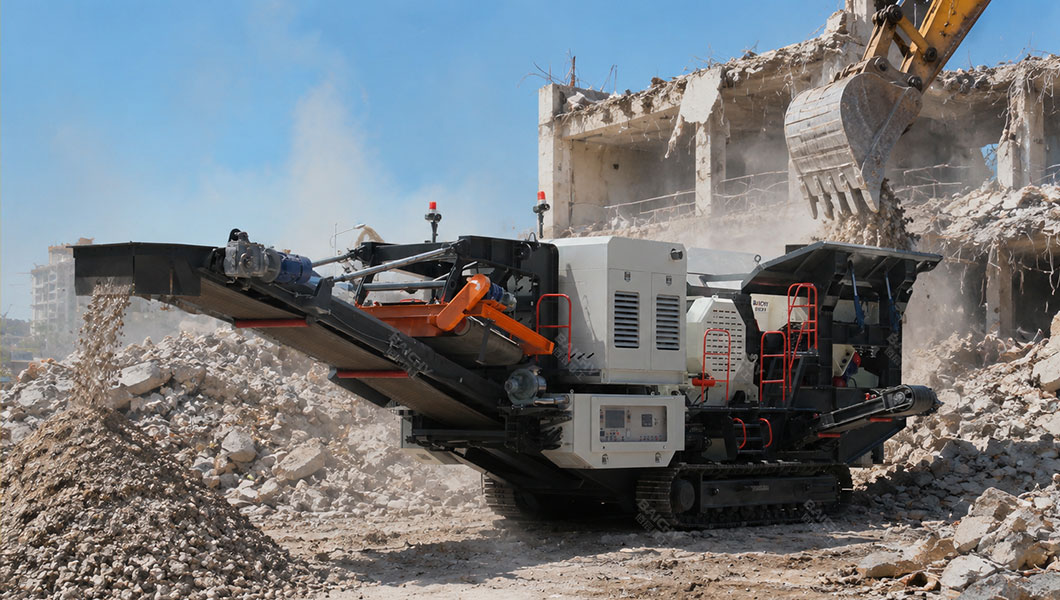
Configuration options include stationary, portable, and modular designs. Stationary plants work for permanent sites with long-term production. Portable units mount on wheels or tracks for jobs that move. Modular designs offer flexibility between the two. Choose based on your project's nature and duration.
Site constraints can limit your choices. Existing building height, foundation capacity, available space, and future expansion plans all matter. Measure twice, order once.
Operation and maintenance considerations affect daily life. How do you adjust the CSS? Shim adjustment costs less upfront but requires a shutdown and manual labor. Hydraulic adjustment costs more but offers push-button convenience and often includes tramp iron relief—hydraulics that automatically pass uncrushable material. Weigh initial cost against long-term convenience.
Summary and Recommended Steps
Sizing a jaw crusher balances technical requirements, economic factors, and site conditions. Follow this practical sequence:
Step 1: Characterize your material. Know its type, hardness, abrasiveness, density, and fines content. Lab testing provides the most reliable data.
Step 2: Define your targets. Establish required throughput and desired product size. These numbers drive everything.
Step 3: Consult manufacturer data. Review capacity charts for different models, applying correction factors for your specific material.
Step 4: Evaluate site conditions. Consider installation options, space limitations, and future plans to narrow technically feasible choices.
Step 5: Make your decision. Compare shortlisted options on initial investment, operating costs, and maintenance convenience.
How to size a jaw crusher? talk to experts. Crusher manufacturers have seen thousands of applications. Share your material information and project requirements with their engineers. Their insights can save you from costly mistakes. Good sizing takes time upfront but pays off every day your plant runs. Get it right and contact Baichy Machinery jaw crusher experts to get professional solution, and your jaw crusher will deliver reliable performance for years to come.




 2026-10-22





 86-15093113821
 86-15093113821