Home About us
Products
News
Solution
Video Service Contact us
Home  /  News

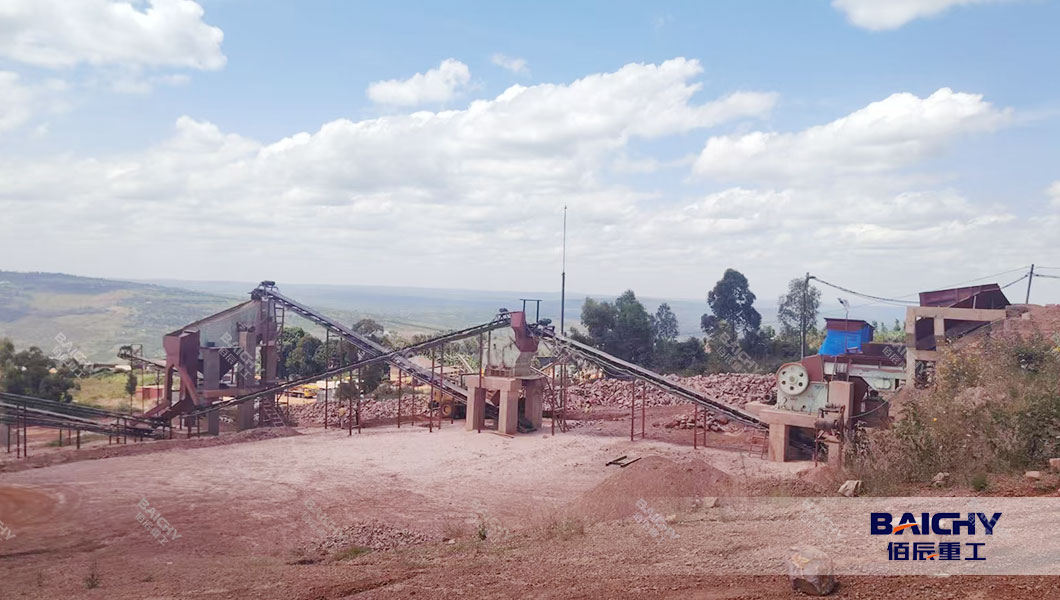
If you are sitting on a deposit of sand and gravel mix—commonly known as PGS—you know that the biggest challenge isn't the hardness of the rock; it's the sticky clay and mud contaminating your material. Processing river materials with high clay content requires a specific workflow to turn that waste into high-value concrete sand and clean aggregate.


Here is a straightforward guide to setting up a 100–130 ton-per-hour processing line that tackles even the dirtiest feed.

Step 1: Pre-Screening to Remove Sticky Fines

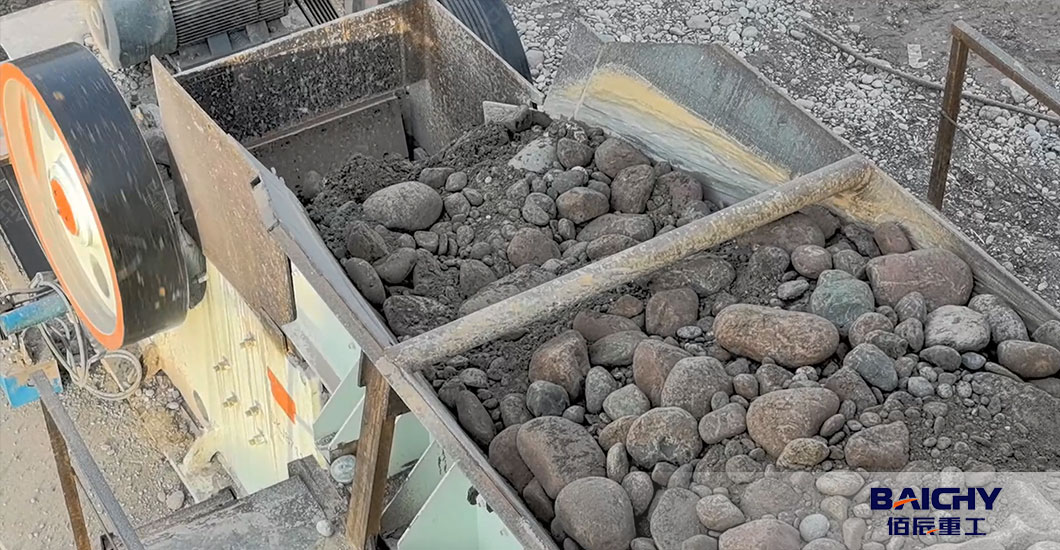
The process begins with a Vibrating Grizzly Feeder (like the Baichy GZD series). As the front-end loader dumps material into the hopper, the feeder moves the material forward. The "grizzly" bars at the end act like a sieve.

What happens: Material smaller than 60-80mm (mostly sand and wet clay) falls through the bars.

Why this matters: This bypasses the jaw crusher. By removing the sticky fines early, you prevent the crusher from clogging and increase overall plant capacity by up to 30%.


How-to-Process-PGS-Sand-Gravel-Mix-into-Clean-Washed-Sand-02


Step 2: Primary & Secondary Crushing (Reducing the Rock)

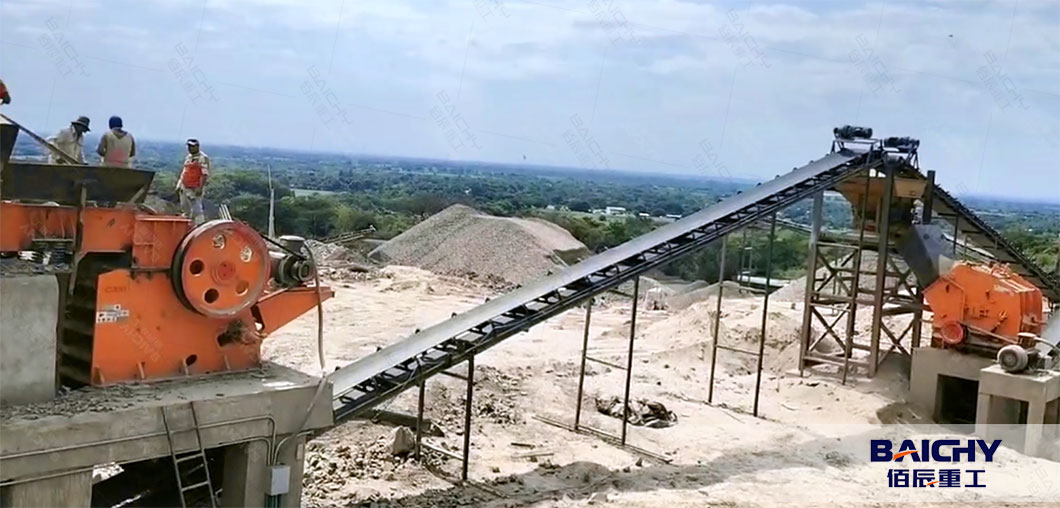
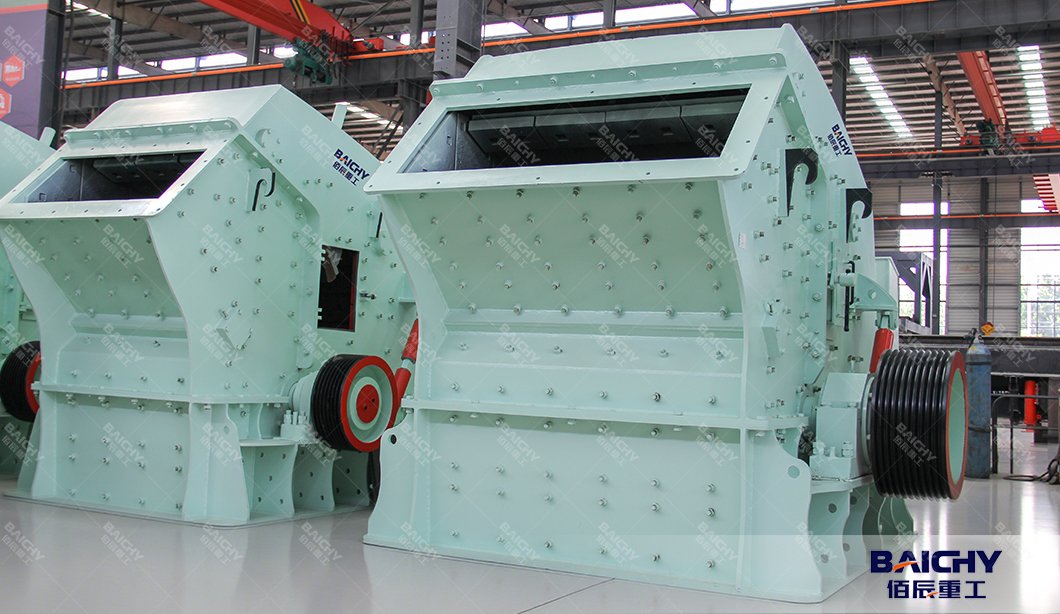
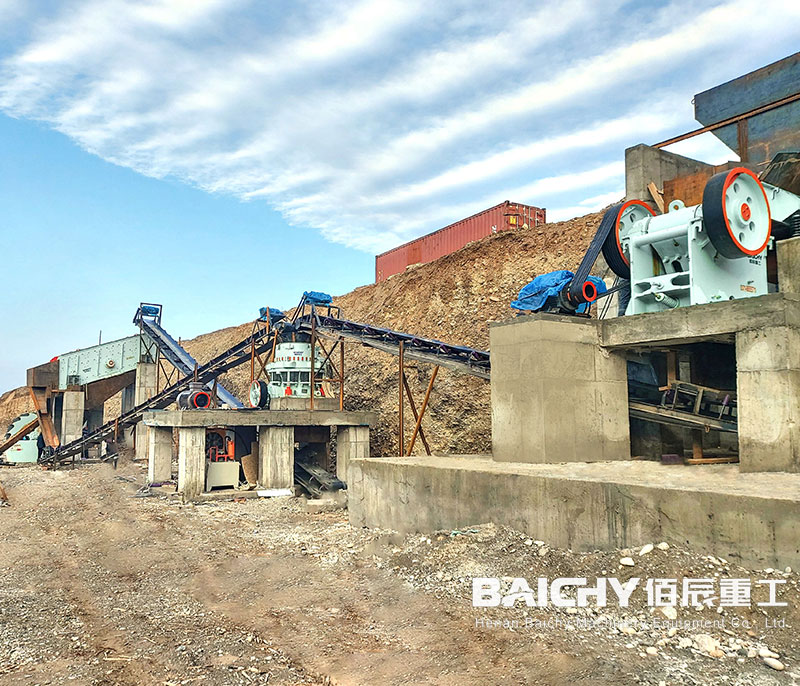
The oversized rocks (+80mm) that pass over the grizzly bars enter the Jaw Crusher (PE-600x900). This is the workhorse that breaks down the big river cobbles. After the jaw crusher, the material moves to an Impact Crusher (PF-1214).

We recommend an impact crusher for the secondary stage because it does more than just break rock—it shapes it. This step ensures your 20-40mm and 5-20mm gravel has a nice cubic shape, which is essential for high-strength concrete.


Step 3: Tertiary Crushing for Sand Making

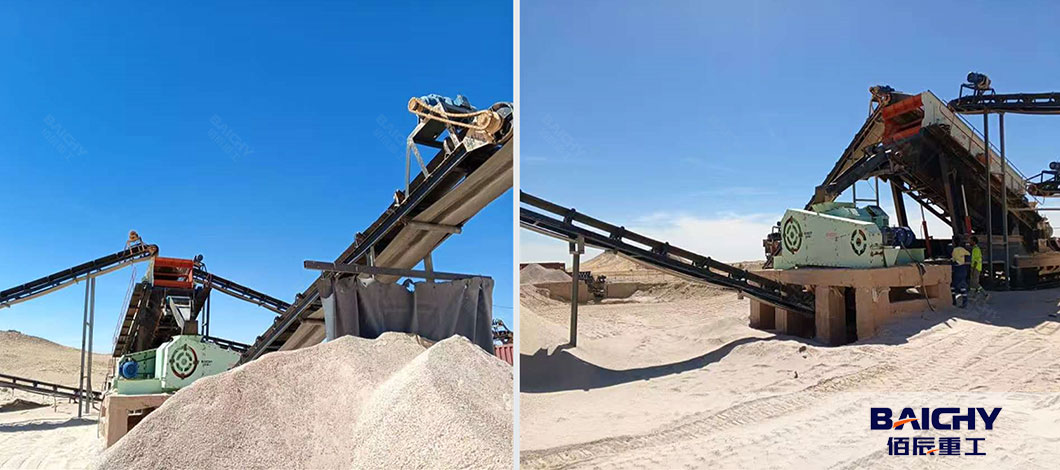
To produce the sand fraction (0-5mm), we move away from impact technology. For a river material, a double roller crusher (2PG-1010) is the secret weapon. Unlike a hammer mill that grinds material into dust, the roll crusher squeezes the material. This produces sand with minimal "fines" (dust), giving you a higher yield of usable sand with the right fineness modulus.


How-to-Process-PGS-Sand-Gravel-Mix-into-Clean-Washed-Sand-03


Step 4: The "Mud Busting" Washing Stage

This is the most critical part of the plant. Standard spiral sand washers cannot handle 20-30 tons per hour of sticky clay; they just roll it into mud balls.

To handle your dirty PGS, you need a dual-stage system:

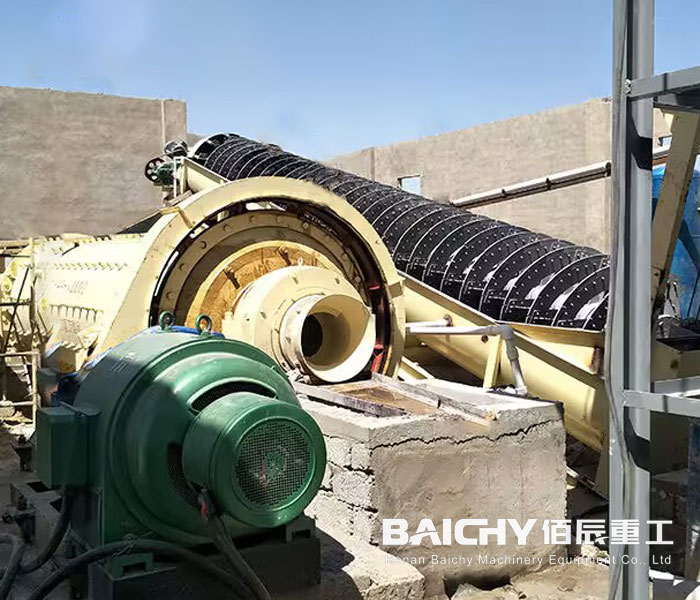
Log Washer (Scrubbing): The material enters a tank with two rotating shafts fitted with mixing paddles. These paddles force the rocks and sand to grind against each other, breaking down the plastic clay into fine slurry.

Spiral Sand Washer: The slurry and sand then move to a spiral classifier. The spiral slowly lifts the clean sand up the trough while the dirty water overflows the bottom.


Step 5: Fine Sand Recovery (Saving Your Profits)

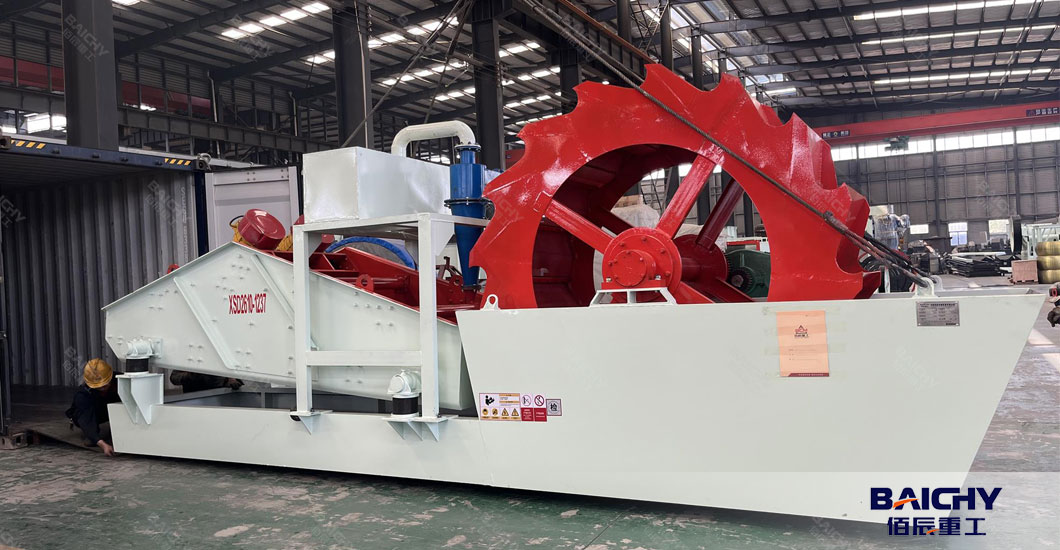
In the washing process, valuable fine sand (0.16–1.0mm) often floats away with the mud. If you let this flow into a pond, you lose up to 15% of your product. A Hydrocyclone and Dewatering Screen system recovers this sand. It takes the muddy water, spins out the sand, and returns it to your stockpile. This turns a former waste product into pure profit.


How-to-Process-PGS-Sand-Gravel-Mix-into-Clean-Washed-Sand-01


Processing PGS with high clay content doesn't have to be a headache. With the right sequence of crushing and aggressive scrubbing, you can produce salable materials while managing the waste efficiently. Ready to design your plant? At Baichy Machinery, we engineer complete solutions tailored to your specific material. Contact Baichy Machinery today for a free process design and equipment quote!


People Also Frequently Asked For -FAQ

1. Why can't I just use a standard spiral sand washer for sticky clay?

A: A standard spiral washer alone won't work—it will roll wet clay into mud balls that ruin your product.
You need a Log Washer first. Its powerful paddles scrub and break down the plastic clay into slurry. Only then does the spiral washer rinse the sand clean.


2. How can I stop losing fine sand to the settling pond?

A: Valuable fine sand (0.16–1.0 mm) often overflows with waste water.
A Fine Sand Recovery System fixes this. A hydrocyclone spins the waste water, separating the sand, which is then recovered by a dewatering screen. This can boost your salable sand by 15–20%.


3. What's the best crusher for making sand from river pebbles?

A: A Roll Crusher is the best choice for abrasive river materials.
Unlike hammer crushers that create excess dust, roll crushers use a squeezing action. This produces more usable sand with less unwanted fine powder, giving you better yield and quality.


4. How do I control the fineness modulus (particle size) of my sand?

A: You have two control points:

Roll Crusher gap – Adjust the roller gap (2–20 mm) to control max particle size.

Screen mesh – Ensure the bottom screen deck (usually 5 mm) is clean and intact to guarantee consistent gradation.


Maybe you are interested in