Silica sand is widely used in glass manufacturing, foundry casting, construction materials, water filtration, and chemical industries. However, natural silica sand usually contains moisture from mining, washing, and storage processes. Excess moisture can affect screening efficiency, transportation, product quality, and downstream production performance. An efficient silica sand drying process is essential to reduce moisture content to the required level, usually below 0.5%–1% for industrial applications. This article explains different silica sand drying methods, equipment selection, operating parameters, and practical engineering considerations.
1. Why Is Drying Silica Sand Necessary?
Wet silica sand cannot be used in most industrial processes because:
● Glass Making: Excess moisture causes inconsistent melting and energy waste in the furnace.
● Foundry Casting: It can lead to gas holes and defects in metal parts.
● Dry Mortar: Wet sand prevents proper mixing with cement and chemical additives.
● Transportation: Drying significantly reduces the weight and cost of shipping.
2. What Are the Common Methods to Dry Silica Sand?
There are several methods used for silica sand drying depending on production capacity, moisture content, and final requirements.
2.1 Natural Sun Drying
Natural drying uses sunlight and air circulation to remove moisture from sand.
● Advantages:
○ Low investment cost
○ Simple operation
● Disadvantages:
○ Weather dependent
○ Requires large storage areas
○ Slow drying speed
○ Difficult to control final moisture
Natural drying is only suitable for small-scale operations with low production requirements.
2.2 Rotary Dryer Drying (Most Common Industrial Method)
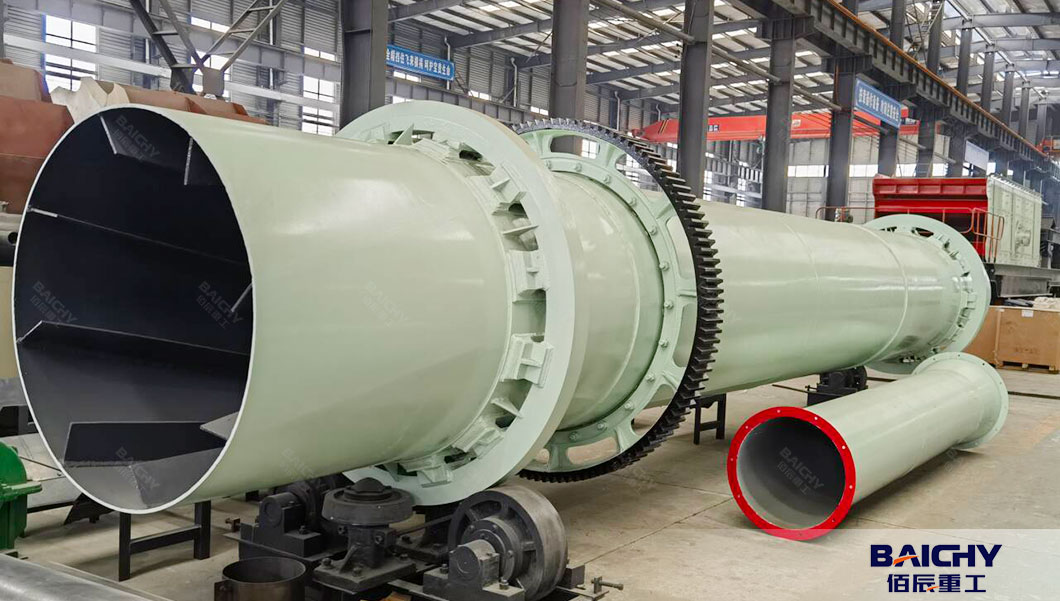
A silica sand rotary dryer is the most widely used solution for medium and large-scale production. It uses hot air generated by a burner or furnace to transfer heat into the rotating drum.
● During operation:
○Wet silica sand enters the rotating cylinder through the feeding system.
○The lifting flights inside the drum continuously lift and scatter the material.
○ ○Hot air contacts the sand surface and evaporates moisture.
Dried sand is discharged through the outlet.
● Rotary dryers provide:
○Continuous operation
○High drying efficiency
○Stable moisture control
○Large processing capacity
3. How Does a Silica Sand Dryer Improve Drying Efficiency?
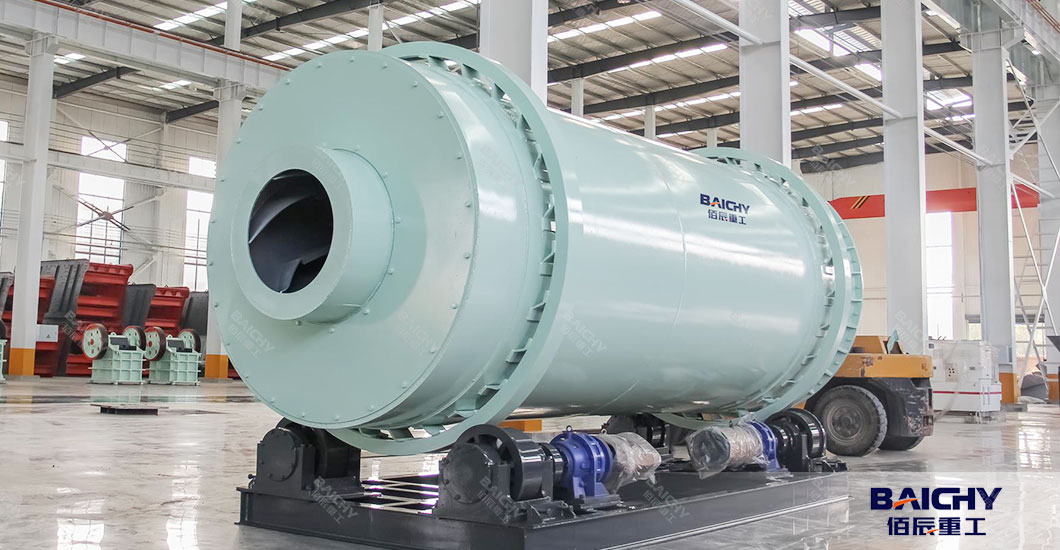
A silica sand dryer improves drying performance through efficient heat transfer and controlled material movement. In a rotary dryer, lifting flights inside the rotating drum continuously lift and scatter wet sand, increasing contact between hot air and material. This process accelerates moisture evaporation and ensures uniform drying.
By adjusting parameters such as hot air temperature, drum speed, and feeding rate, the dryer can reduce silica sand moisture from 5–20% to below 0.5–1%, meeting the requirements of glass, foundry, and industrial sand applications. Optimized airflow and sealing design also help reduce heat loss and fuel consumption during continuous operation.
4. How to Choose the Right Silica Sand Drying Equipment?
Selecting a silica sand dryer depends mainly on capacity, moisture content, and final product requirements. Small plants may need dryers for 1–5 tph, while large silica sand production lines often require 20–100 tph drying capacity.
Sand with higher moisture content (such as washed silica sand at 15–20%) requires more heat energy and longer drying time than naturally damp sand. The final moisture requirement also varies by application: construction sand usually needs 1–3% moisture, while glass-grade and foundry sand generally require below 0.5–1%.
5. Silica Sand Drying Process Flow
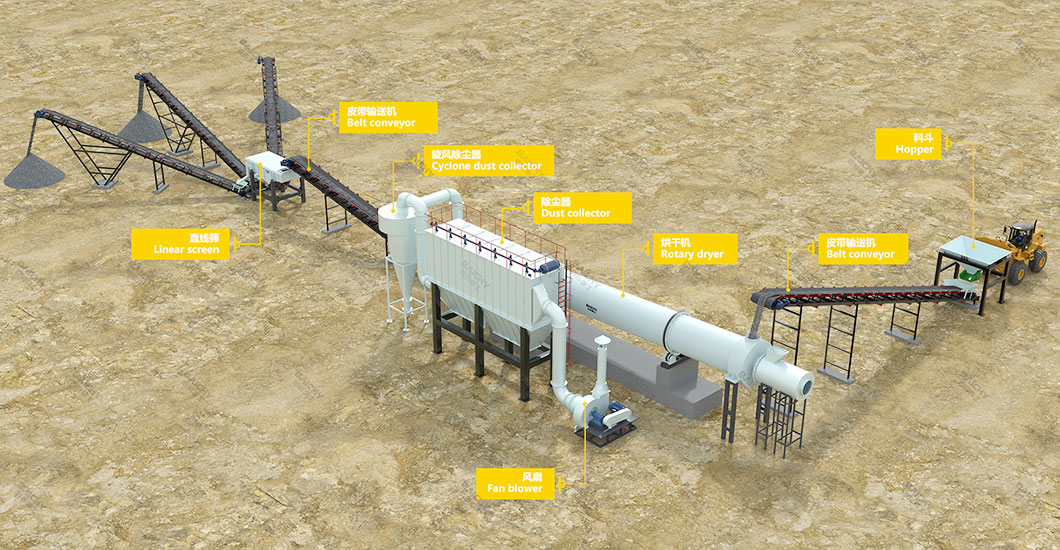
A complete silica sand drying plant usually includes: Wet Silica Sand → Feeding System → Rotary Dryer → Dust Collection System → Screening → Finished Dry Sand
The complete drying plant normally includes several connected stages to achieve efficient moisture removal and stable product quality. The typical process starts with wet silica sand being transported from the washing or screening system to a feeding hopper. A belt conveyor then delivers the material evenly into the rotary dryer.
Inside the dryer, wet sand moves forward while continuously contacting hot air generated by a furnace or burner system. The combination of heat transfer and material lifting action removes surface and internal moisture. After drying, the finished sand is discharged from the dryer outlet and transported to the screening, storage, or packaging system.
For industrial applications, a complete drying system usually includes a feeding system, rotary dryer, hot air furnace, dust collection equipment, cyclone separator, and bag filter. The dust collection system plays an important role in controlling fine silica particles generated during drying, improving both environmental performance and workplace safety.
A properly designed silica sand drying line provides continuous operation, stable moisture reduction, and consistent product quality for industries such as glass manufacturing, foundry casting, and construction materials.
A silica sand processing plant required an efficient drying solution for washed silica sand used in downstream industrial production. The customer’s main challenge was that the washed sand contained approximately 12% moisture, which affected transportation efficiency, screening performance, and final product quality.
Based on the production requirement, a rotary drying system with an optimized hot air furnace and dust collection unit was selected. The designed capacity was 15 tons per hour, with a target final moisture content of below 1%. During operation, the dryer successfully reduced the moisture level from 12% to approximately 0.8%, providing stable dry sand for subsequent processing.
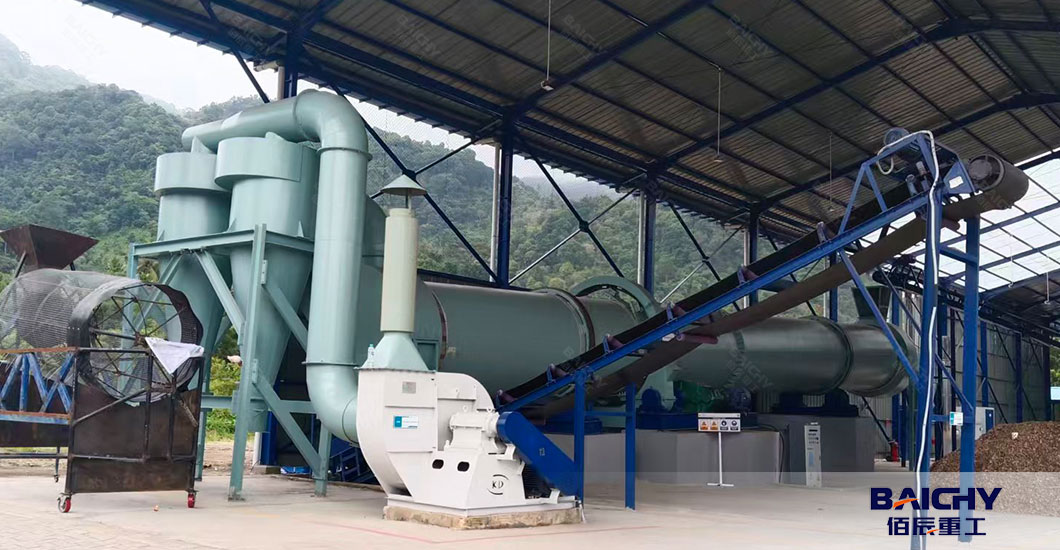
After commissioning, the customer reported improved material flowability and reduced sticking problems during screening. The stable drying performance also helped maintain consistent product quality and improved overall production efficiency. This project demonstrates that a properly configured silica sand rotary dryer can effectively handle high-moisture washed sand and provide reliable performance for continuous industrial production.




 2026-09-28





 86-15093113821
 86-15093113821