Home About us
Products
News
Solution
Video Service Contact us
Home  /  News

Most small quarry owners face the same problem: they need steady aggregate output, but they don’t have the budget, space, or crew for a large fixed plant. Hauling raw stone to a central yard wastes fuel. A big crushing line means concrete foundations, long installation, and slow payback.

A 400×600 jaw crusher with conveyor solves that. It gives you a compact primary crushing circuit that is easy to set up, simple to run, and cheap to maintain.
 

1. What Is a 400x600 Jaw Crusher with Conveyor?

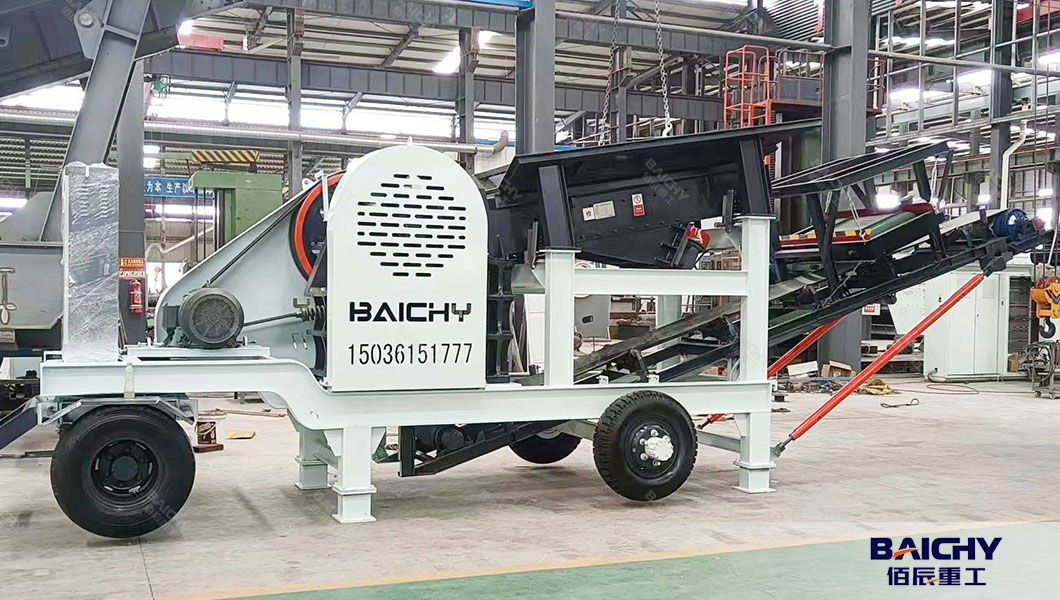
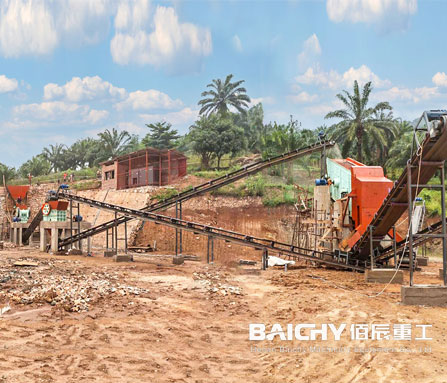
A 400x600 jaw crusher with conveyor is a compact primary crushing solution designed to reduce large rocks into smaller, manageable aggregates. It combines a PE400x600 jaw crusher with a belt conveyor that automatically transports crushed materials to the next processing stage or stockpile. The PE400x600 jaw crusher has a feed opening of 400 × 600 mm. It is commonly used for crushing limestone, granite, basalt, river stones, and other materials in small and medium-sized quarries. Compared with a standalone jaw crusher, the conveyor-equipped configuration provides a more continuous material handling process. Operators do not need to rely entirely on manual material removal or separate transportation equipment.


2. Why the Mobile Jaw Crusher PE400×600 Fits Small Plants

The jaw crusher PE400×600 is not the biggest crusher, and that’s the point. It is built for small to mid-size jobs. The jaw crusher PE400x600 is a popular model in the small jaw crusher category. Its relatively compact structure makes it suitable for projects with limited installation space.

Typical technical specifications are shown below. Actual configurations may vary depending on the manufacturer and project requirements.

Typical specs:
  • Feed opening: 400 × 600 mm
  • Max feed size: 340–350 mm
  • Discharge size: 40–100 mm adjustable
  • Capacity: 15–60 TPH
  • Motor power: 30–37 kW
  • Weight: approx. 6.5–7 tons


It handles limestone, granite, basalt, river pebble, concrete waste, and ore under 320 MPa. For a small stone plant, that is enough to make sellable 0–5 mm, 5–10 mm, 10–20 mm, and 20–40 mm products when paired with a screen.
 

3. How Does the Jaw Crusher with Conveyor Work?

A typical PE400x600 jaw crusher with belt conveyor follows a straightforward crushing and conveying process.

Step 1: Feeding Raw Materials

A vibrating feeder or loading equipment delivers raw stones into the jaw crusher's feed opening. The feeding system should maintain a stable and reasonably uniform material flow to avoid overloading.

Step 2: Primary Crushing

Inside the crushing chamber, the movable jaw approaches and moves away from the fixed jaw. Rocks are compressed and broken into smaller particles.

The crushed material gradually moves downward through the crushing chamber until it reaches the discharge opening.

Step 3: Belt Conveyor Transportation

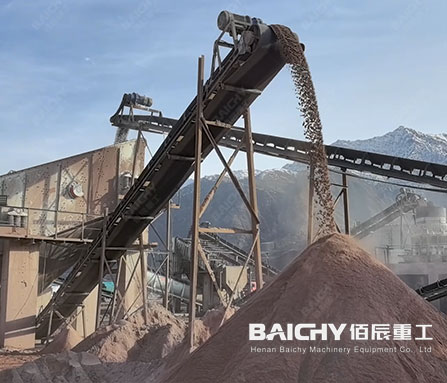
The crushed stones fall onto a belt conveyor installed below the jaw crusher. The conveyor transports the material to a stockpile, vibrating screen, or secondary crusher.

Step 4: Secondary Processing

If the production line requires smaller aggregate sizes, the discharged material can enter a secondary crushing machine, such as an impact crusher or cone crusher.

This arrangement creates a continuous crushing process and reduces unnecessary material handling.

4. Why Choose a 400x600 Jaw Crusher with Conveyor?

4.1 Reduced Material Handling

The belt conveyor automatically transfers crushed stones away from the jaw crusher. This reduces manual handling and helps maintain a continuous production process.

For small crushing operations, this is particularly useful when the crusher is installed in a relatively confined working area.

4.2 Compact and Practical Configuration

The PE400x600 jaw crusher has a relatively compact structure. Adding a suitable discharge conveyor creates an integrated crushing and conveying arrangement without requiring a large processing facility.

It is suitable for small quarries, construction material recycling operations, and temporary crushing projects.

4.3 Lower Initial Equipment Investment

A PE400x600 jaw crusher with a conveyor can serve as the primary crushing section of a small crushing plant.

Instead of purchasing a complete large-scale production line immediately, investors can start with primary crushing and add screening or secondary crushing equipment as market demand increases.

However, the total investment should include feeding equipment, conveyor systems, electrical installation, foundations, and other supporting facilities.

4.4 Easier Material Transportation

The discharge conveyor can be designed according to the required conveying distance and discharge height.

A properly selected belt width, motor power, and conveyor inclination help ensure stable material transportation and reduce spillage.


Maybe you are interested in