Limestone is one of the most widely used natural stones in construction, cement production, and industrial applications. Before limestone can be used as aggregate, cement raw material, or fine powder, it usually needs to be crushed and processed into a suitable size. Choosing the right type of limestone crusher is important because different crushing stages require different equipment. A quarry producing road aggregates may need a combination of jaw crushers and impact crushers, while a cement plant may require a different crushing solution with higher capacity and lower operating costs.
This guide explains the main types of limestone crushers, their applications, and how to select the right crushing equipment based on feed size, output requirements, and production conditions.
What Is a Limestone Crusher?
A limestone crusher is a machine used to reduce large limestone rocks into smaller sizes for further processing or final use.
Freshly mined limestone usually contains large blocks that cannot be directly used in construction or industrial production. Crushers apply different crushing forces, including compression and impact, to break limestone into required sizes.
Depending on the application, crushed limestone may be used for:concrete aggregate, road base materials, cement production, limestone powder production, agricultural lime, building materials etc.
A complete limestone crushing plant usually includes feeding equipment, primary crushing equipment, secondary crushing equipment, screening equipment, and conveying systems.
Limestone Crushing Process
A typical limestone crushing process includes several stages.
The first stage is primary crushing. Large limestone rocks from the quarry are fed into a jaw crusher to reduce their size. Jaw crushers are commonly used because they can handle large feed sizes and provide reliable performance under heavy-duty conditions.
After primary crushing, the material usually enters secondary crushing. Impact crushers or cone crushers are selected according to the hardness of limestone and the required product shape.
For applications requiring manufactured sand or fine limestone products, the crushed material may go through a third-stage crushing process using a VSI crusher or grinding equipment.
The final equipment configuration depends on:
● Raw limestone size
● Required production capacity
● Final product size
● Limestone hardness and abrasiveness
Main Types of Limestone Crushers
1. Jaw Crusher for Primary Limestone Crushing
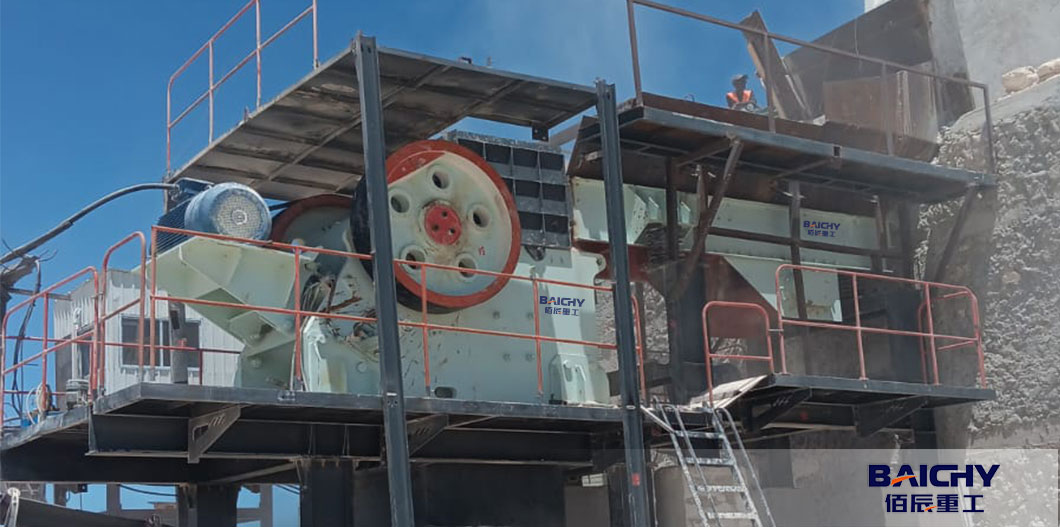
A jaw crusher is usually the first choice for primary limestone crushing.
It uses a fixed jaw and a movable jaw to compress limestone between two crushing plates. The large feed opening allows it to process large quarry rocks directly after blasting.
Jaw crushers are suitable for:
● Large limestone blocks
● Primary crushing applications
● Quarry production lines
● High-capacity crushing plants
Typical advantages include:
● Large feeding capacity
● Simple structure
● Reliable operation
● Easy maintenance
For example, in a limestone quarry requiring 100-300 tons per hour production, a jaw crusher is often installed as the primary crusher before secondary processing.
2. Impact Crusher for Limestone Aggregate Production
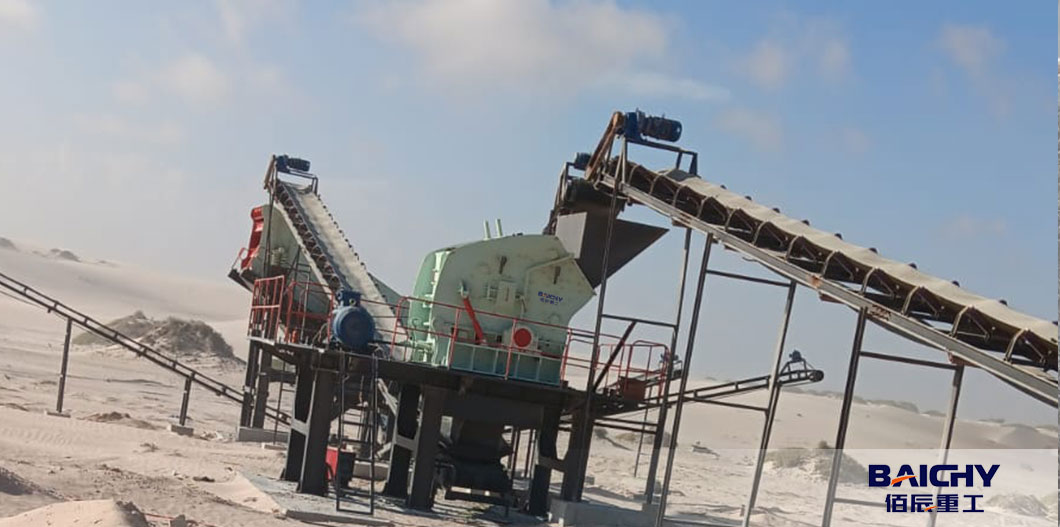
Impact crushers are widely used in limestone aggregate production because limestone is relatively soft and has good crushability.
Unlike jaw crushers that use compression force, impact crushers use a high-speed rotor and blow bars to break limestone through impact.
The main advantage of impact crushing is the excellent product shape. The crushed stone usually has a better cubic shape, which is important for concrete and asphalt applications.
Impact crushers are commonly used when the final product requires:
● Good particle shape
● Low flake content
● High-quality construction aggregate
For limestone with low abrasiveness, impact crushers can provide efficient production with reasonable wear costs.
3. Hammer Crusher for One-Stage Limestone Crushing
Hammer crushers are another common option for limestone processing, especially in cement plants and small to medium-scale crushing operations.
The rotating hammer head impacts limestone at high speed and reduces it to the required size. Because of its high reduction ratio, a hammer crusher can sometimes replace both primary and secondary crushing stages.
Advantages include:
● High crushing ratio
● Compact crushing process
● Lower investment for certain applications
However, hammer crushers require attention to wear parts because continuous impact crushing can increase hammer consumption when processing abrasive materials.
4. Cone Crusher for Hard Limestone Applications
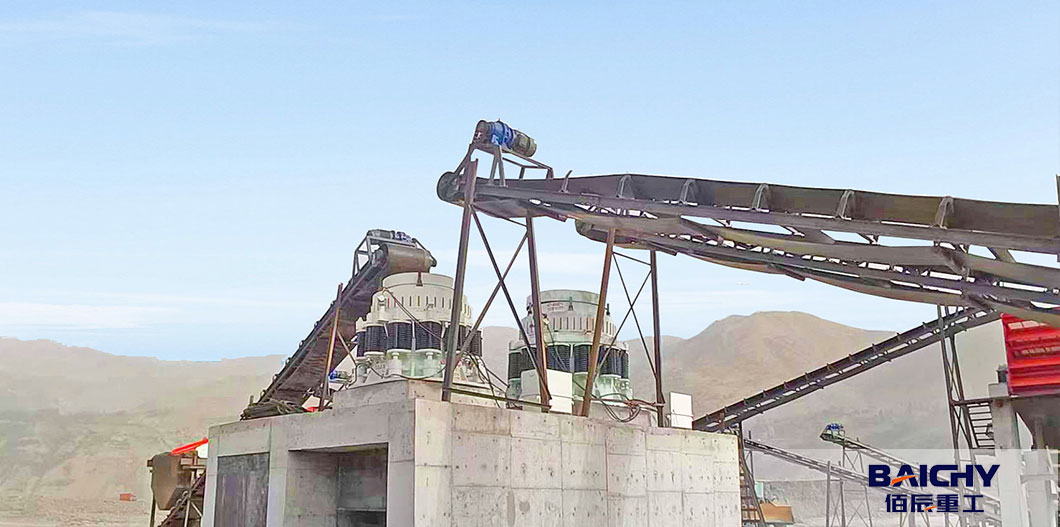
Cone crushers are generally used for secondary or tertiary crushing.
Although limestone is usually softer than granite or basalt, some limestone deposits contain hard impurities such as silica. In these cases, cone crushers may provide better wear resistance compared with impact crushers.
Cone crushers are suitable when:
● The material is relatively hard
● Long wear life is important
● A controlled product size is required
For normal soft limestone, impact crushers are often preferred because they provide better particle shape. Cone crushers become more suitable when material hardness and abrasion increase.
5. VSI Crusher for Limestone Sand Making
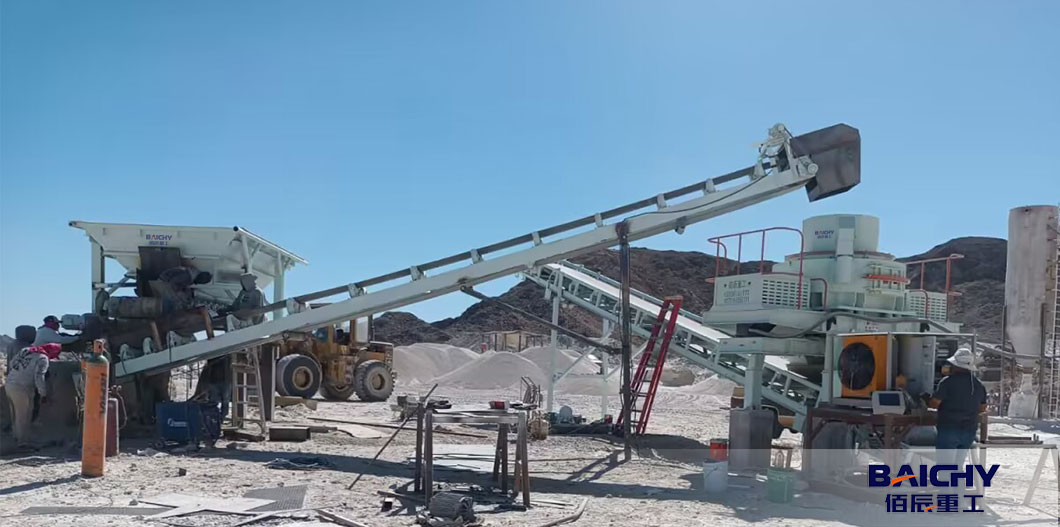
A VSI crusher is mainly used for producing artificial sand and improving particle shape.
It uses rock-on-rock crushing technology, where limestone particles collide with each other inside the crushing chamber. This process produces more rounded and cubic particles.
VSI crushers are commonly used in:
● Manufactured sand production
● High-quality aggregate production
● Fine limestone shaping
When a limestone processing plant needs sand-sized products, a VSI crusher can be added after the main crushing stages.
Mobile vs Stationary Limestone Crushers
Limestone producers need to choose between stationary and mobile crushing solutions.
A stationary limestone crushing plant is suitable for long-term quarry operations with stable production requirements. It usually provides higher capacity and lower operating costs for large-scale projects.
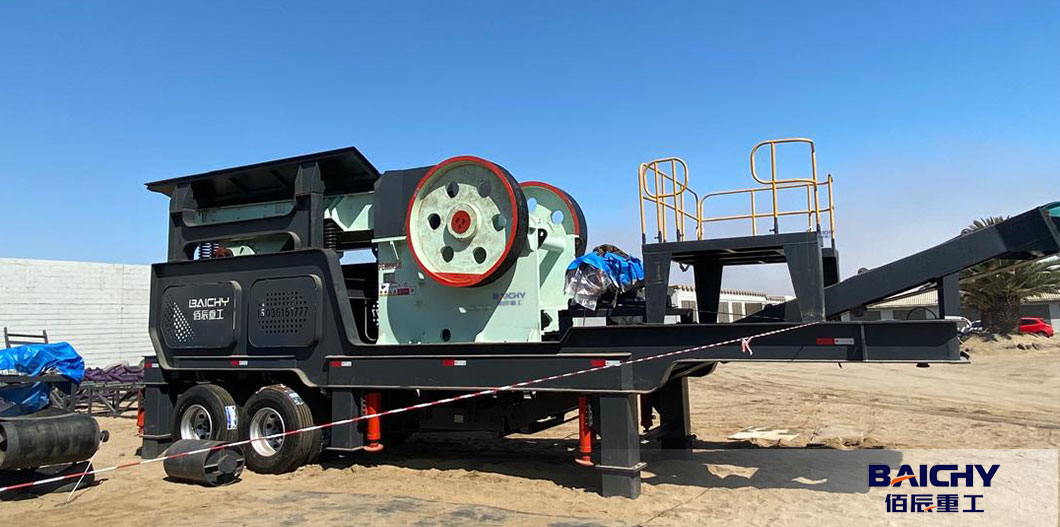
A mobile limestone crusher is more flexible because the equipment can be moved closer to the quarry face. This reduces transportation distance and can lower material handling costs.
Mobile crushers are commonly selected for:
● Short-term quarry projects
● Construction contractors
● Multiple-site operations
The best choice depends on project duration, production capacity, and site conditions.
How to Choose the Right Limestone Crusher?
Selecting limestone crushing equipment requires more than choosing a crusher type. The entire production process should be considered.
1. Consider Limestone Feed Size
Large blasted rocks require a strong primary crusher such as a jaw crusher. Smaller feed materials may allow direct use of secondary crushers.
2. Consider Required Output Size
Different applications require different limestone sizes.
For example:
● Road construction requires specific aggregate sizes
● Cement plants require controlled limestone feed sizes
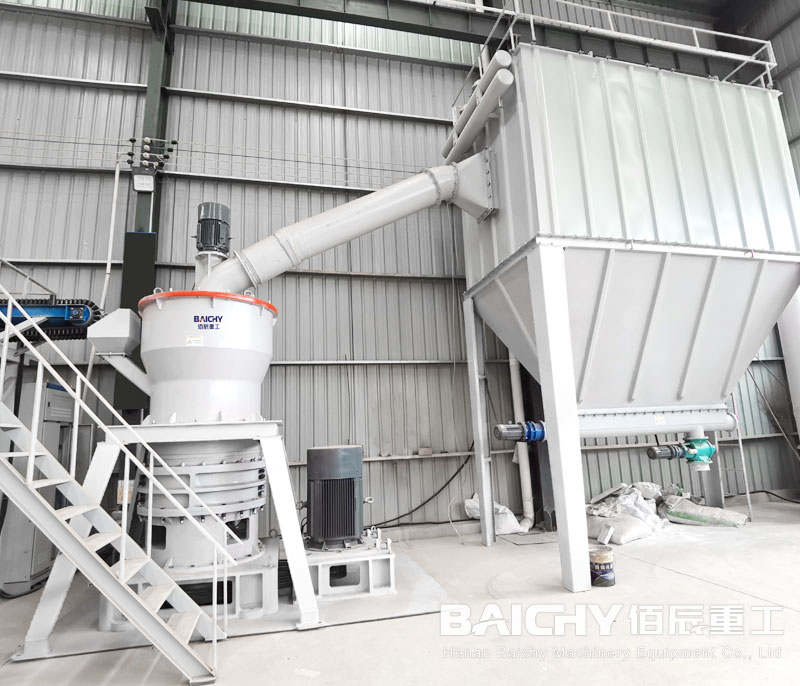
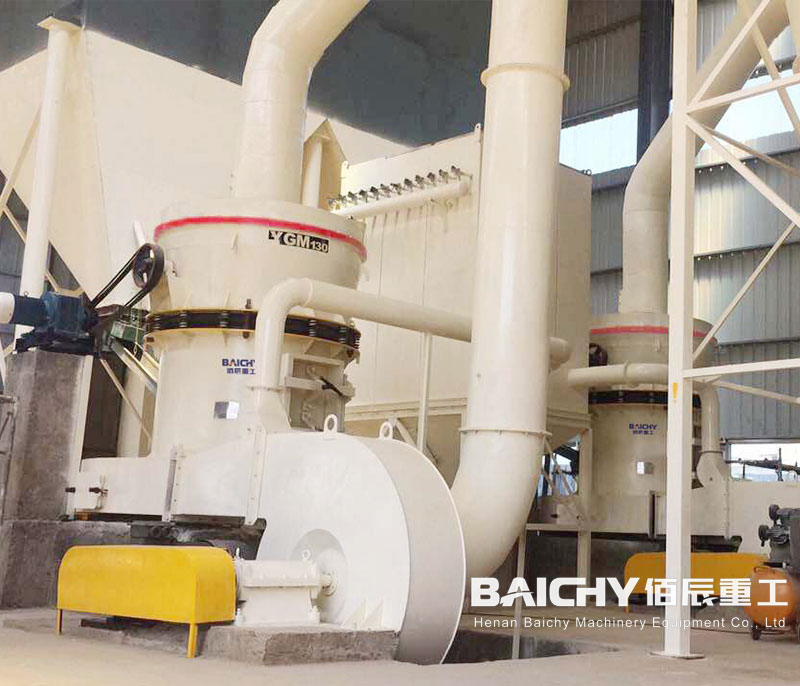
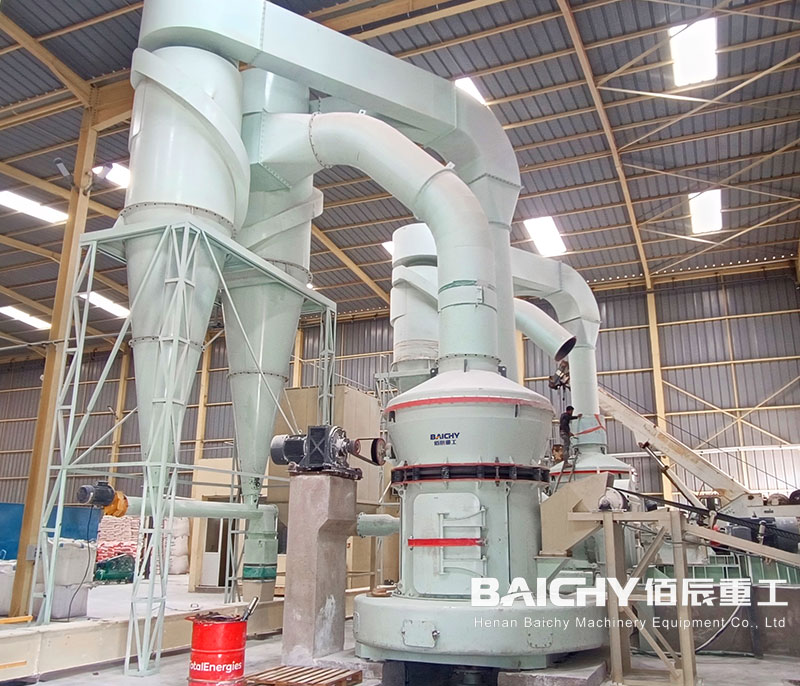
● Powder production requires grinding equipment after crushing
3. Consider Production Capacity
A small quarry may need 50-100 TPH equipment, while large limestone mines may require 300 TPH or higher capacity systems.
The crusher model, feeder size, and screening equipment should be selected according to the required output.
4. Consider Limestone Hardness and Abrasiveness
Soft limestone with low abrasiveness is suitable for impact crushing.
If limestone contains high silica content or abrasive minerals, equipment selection should focus on reducing wear costs.
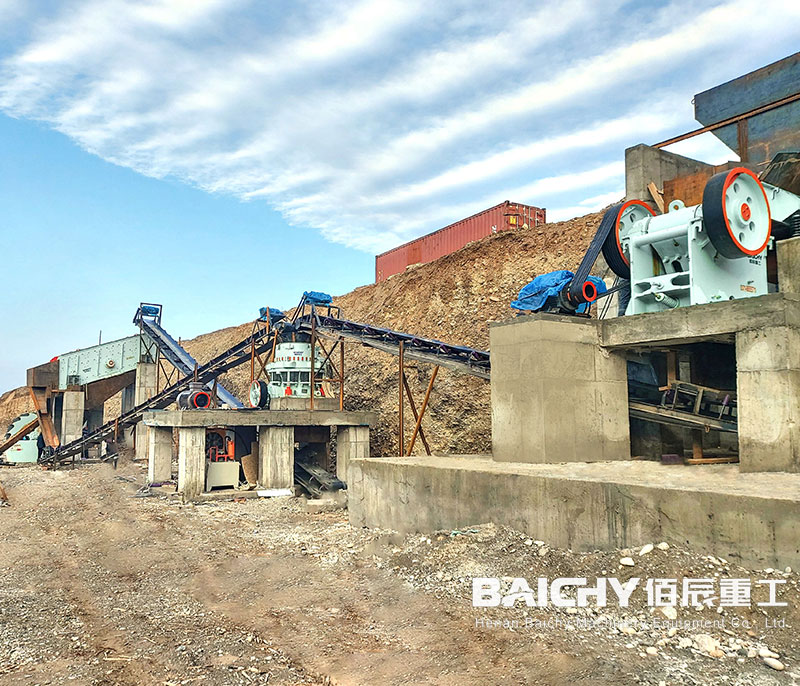
200TPH Limestone Crushing Plant Case Study
A limestone quarry in Africa required a crushing solution for producing construction aggregates. The customer needed stable production, good product shape, and reliable equipment performance for long-term operation.
Based on the limestone characteristics and production requirements, Baichy designed a 200TPH stationary crushing plant.
The production line included:
● Vibrating feeder for stable raw material feeding
● PE jaw crusher for primary crushing
● Impact crusher for secondary crushing
● Vibrating screens for product classification
The raw limestone was reduced from large quarry blocks into different aggregate sizes used for construction applications.
After installation, the crushing plant achieved stable operation with consistent output quality. The customer reported that the equipment configuration met the production requirements while keeping maintenance simple.
This project shows the importance of selecting suitable limestone crushers according to material properties and final product requirements.
Frequently Asked Questions About Limestone Crushers
1. What is the best crusher for limestone?
The best limestone crusher depends on the application. Jaw crushers are commonly used for primary crushing, while impact crushers are often preferred for producing high-quality aggregates.
2. Is limestone easy to crush?
Yes. Limestone is generally a soft to medium-hard rock with relatively low abrasiveness, making it suitable for various crushing methods.
3. Can one crusher process limestone into final products?
In some cases, hammer crushers can achieve one-stage crushing. However, most large limestone plants use multiple crushing stages to improve efficiency and product quality.
4. What equipment is needed for a limestone crushing plant?
A complete limestone crushing plant usually includes a vibrating feeder, crusher, vibrating screen, and belt conveyor. The exact configuration depends on capacity and final product requirements.




 2026-09-15






 86-15093113821
 86-15093113821