Home About us
Products
News
Solution
Video Service Contact us
Home  /  News

 When it comes to manufacturing fine sand for construction, chemical industries, or building materials, precision is everything. One of the most common questions from small-scale quarry owners is: "Can I consistently get 2-4mm sand using a 10tph double smooth roller crusher?"

The short answer is yes. In fact, the double smooth roller crusher is one of the most efficient tools for this specific size range. Here is a deep dive into how it works and why it is the ideal choice for fine sand production.


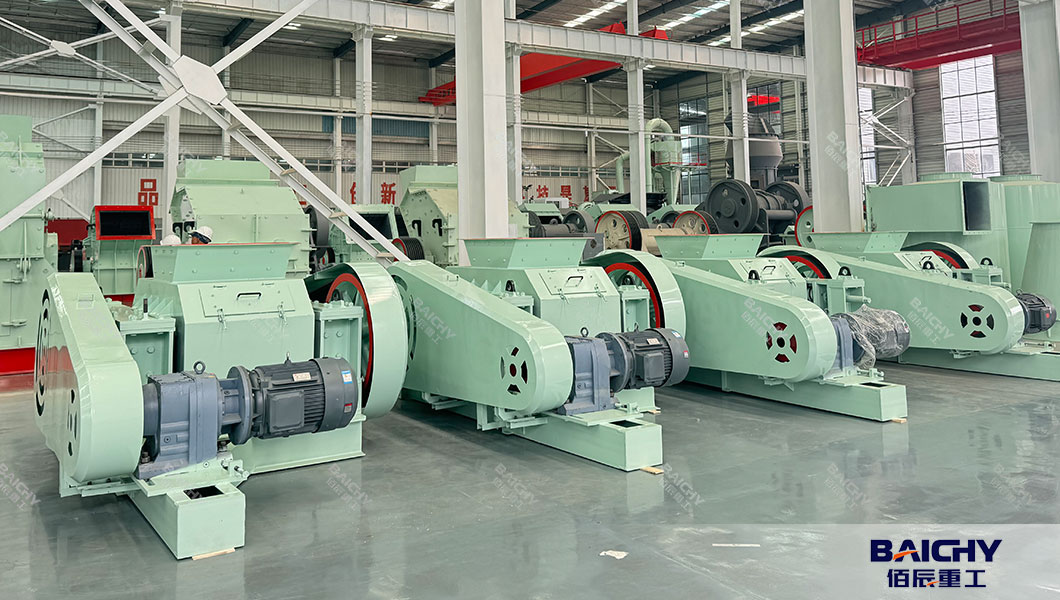
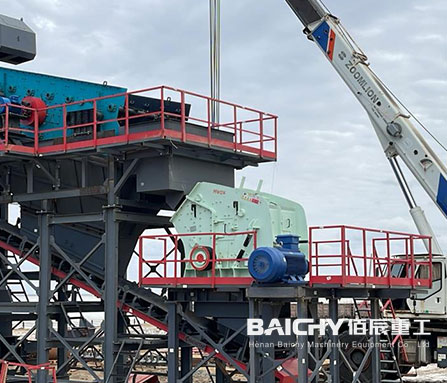
Double-Smooth-Roller-Crusher-For-2-4mm-Sand-01.jpg


The Working Principle: How it Hits the 2-4mm Target

The double smooth roller crusher (also known as a 2PG series crusher) operates on a simple yet effective principle: two high-strength rollers rotate in opposite directions. The material is fed into the gap between the rollers and is crushed by high-pressure squeezing.


For the production of 2-4mm sand, the magic lies in the adjustable roller gap. By using a hydraulic or mechanical adjustment system, the user can set the "NIP" (the distance between the two smooth surfaces) to exactly 2mm or 3mm. Because the rollers are smooth, they provide a uniform grinding effect that minimizes "over-crushing" (creating too much useless dust) compared to impact or jaw crushers.


Why 10tph is the "Sweet Spot" for Small Investors

A 10tph (tons per hour) capacity is perfect for specialized projects. Whether you are processing limestone, quartz, or river pebbles, a 10tph unit offers:

   ● Low Power Consumption: It requires significantly less energy than a vertical shaft impactor (VSI) for the same output size.
   ● Compact Footprint: Ideal for sites with limited space or for mobile setups.
VHigh Yield of Fines: It maximizes the percentage of material falling within the 2-4mm range in a single pass.


Key Factors for Successful 2-4mm Production

To ensure your 10tph crusher stays productive, keep these factors in mind:

   ● Feed Size: For a 10tph smooth roller crusher, the input material should ideally be below 20-30mm. Feeding stones that are too large will increase wear and reduce efficiency.
   ● Material Hardness: Smooth rollers work best on medium-hard materials like limestone, coal gangue, and glass. For very hard rocks like granite, ensure the rollers are made of high-manganese steel alloys.
   ● Moisture Content: Smooth rollers handle dry to slightly damp materials well, but very sticky material can cause "clogging" on the roller surface.


Success Story: Baichy Machinery’s 10tph Solution in Southeast Asia

Baichy Machinery recently provided a customized 10tph double smooth roller crusher for a client in the Philippines who needed to produce specific 2-4mm quartz sand for high-end floor coatings.


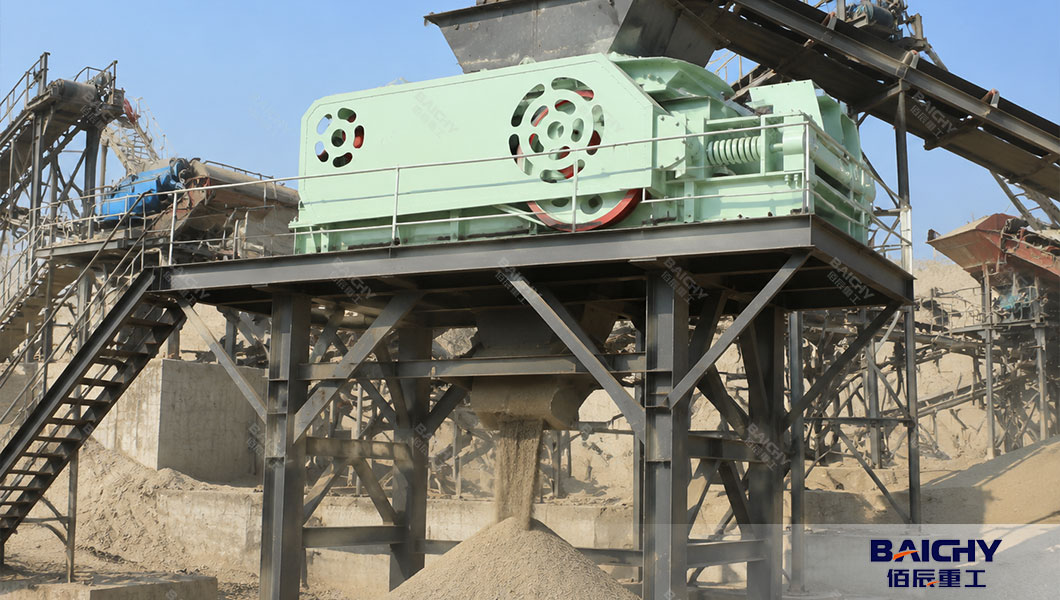
The client previously used a hammer crusher, but it produced too much "fine powder" (below 0.5mm), leading to massive material waste. They needed a machine that could strictly control the output to stay between 2mm and 4mm. We recommended the 2PG0640 Double Smooth Roller Crusher. The crusher is equipped with high-wear-resistant roller shells and a simplified spring-loaded adjustment system. By adjusting the gap to 3mm, the client achieved an output where over 85% of the material fell within the 2-4mm spec.


Client Feedback: "The Baichy roller crusher transformed our waste into profit. We are getting the exact sand size we need with almost no maintenance issues."


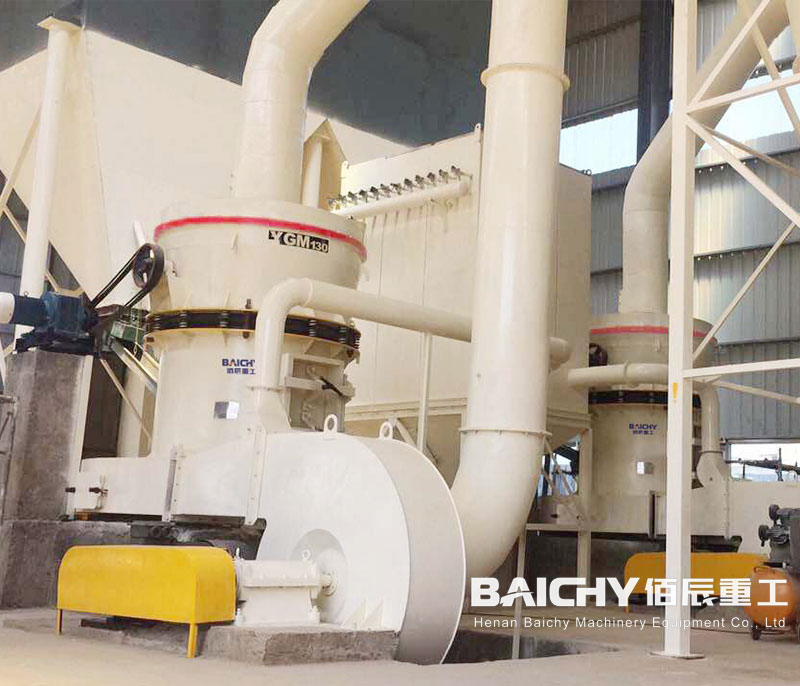
Double-Smooth-Roller-Crusher-For-2-4mm-Sand-02.jpg


If your goal is to produce high-quality 2-4mm sand at a steady rate of 10tph, the double smooth roller crusher is undoubtedly the most cost-effective and precise machine for the job. Are you ready to upgrade your sand production? Contact Baichy Machinery today to get the latest technical parameters and a factory-direct price for our 2PG series roller crushers!


FAQ:

1. How to adjust output size?

Adjust the gap (NIP) between the rollers. Use wedge bolts or hydraulic cylinders to move the rollers closer for finer sand or further apart for larger aggregates.


2. How long do roller shells last?

Typically 6–12 months depending on material hardness. Lifespan can be extended through in-situ grinding or surface welding without removing the rollers.


3. Can it handle wet/sticky material?

Yes. It is more resistant to clogging than other crushers. To ensure peak performance, use built-in scrapers to continuously clean the roller surfaces during operation.


4. Smooth vs. Toothed rollers?

Smooth rollers: Best for fine sand making (2–8mm) and hard materials.
Toothed rollers: Best for coarse/primary crushing of softer, bulky materials like coal or clay.


Maybe you are interested in