Clay is an important raw material used in ceramics, porcelain, bricks, and other building material industries. Before final production, clay usually needs to be crushed and ground into fine particles to achieve the required plasticity, particle size distribution, and mixing performance. A suitable grinding system directly affects the quality and stability of ceramic products. For clay processing, a wet grinding ball mill with rubber lining is widely used because it can provide uniform grinding, stable operation, and better protection against material contamination. Baichy Machinery provides clay grinding ball mill solutions designed for ceramic raw material processing. The equipment can be customized according to different clay properties, production requirements, and final product fineness.
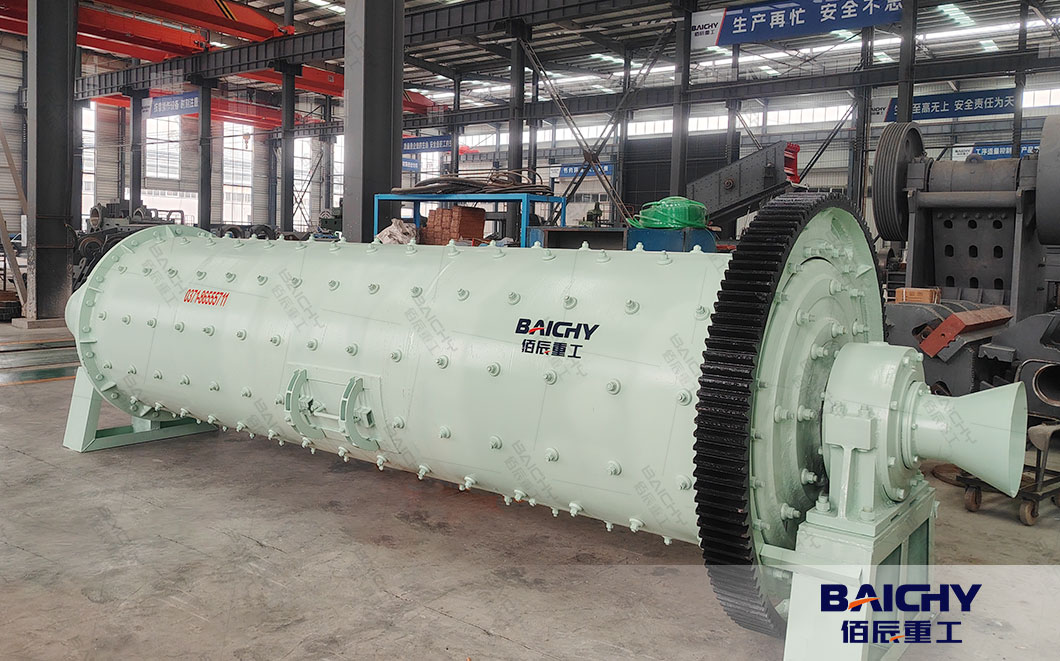
Why Is Ball Mill Used for Clay Grinding?
Clay materials usually contain fine mineral particles with relatively low hardness, but achieving uniform particle size is important for ceramic production.
A ball mill uses grinding media inside a rotating cylinder. During operation, the grinding balls move with the cylinder and create impact and friction forces, gradually reducing clay particles into fine powder.
Compared with simple mechanical crushing equipment, a ball mill provides a longer grinding process and better control of final particle size. This makes it suitable for applications that require fine and uniform clay powder.
For ceramic raw materials, wet grinding is commonly selected because water helps create a stable slurry, improves material flow, and supports continuous processing.
What Is a Rubber Lined Ball Mill?
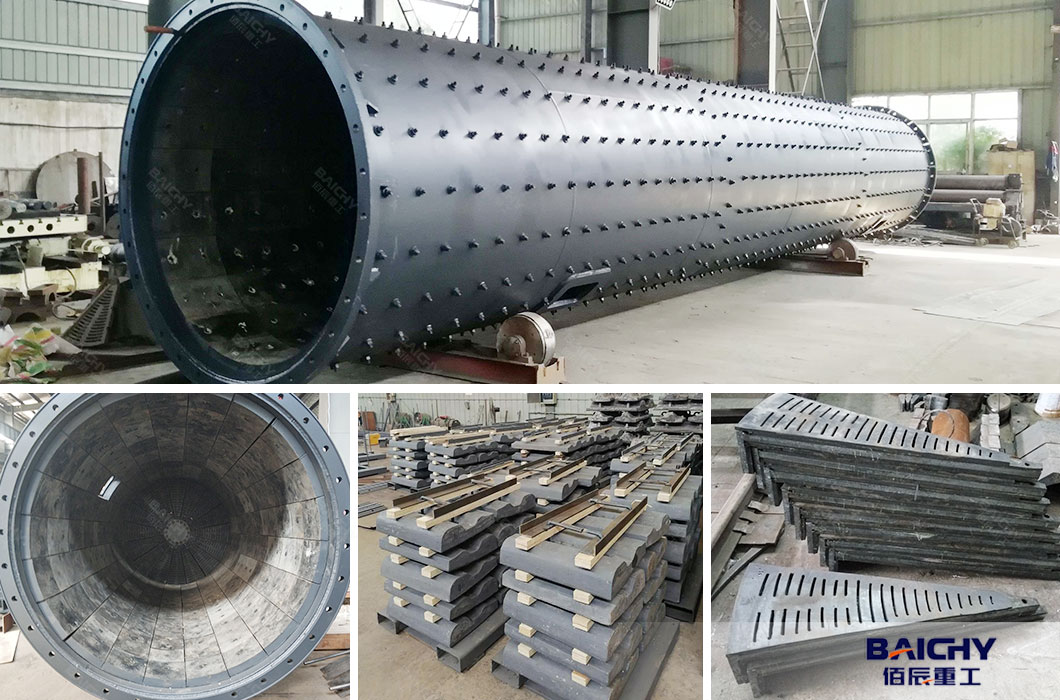
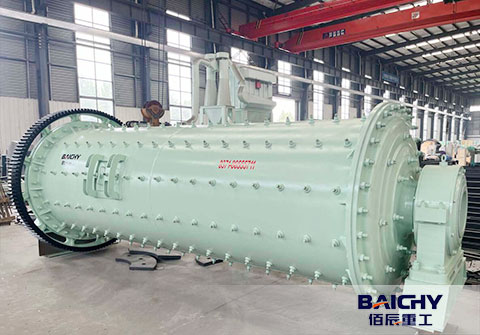
A rubber lined ball mill is a type of grinding mill that uses wear-resistant rubber liners inside the cylinder instead of traditional metal liners.
The rubber liner protects the mill shell from direct impact between grinding media and materials. It also provides a cushioning effect during operation.
The main components of a rubber lined ball mill include:
● Mill cylinder
● Rubber liners
● Grinding media
● Feeding device
● Discharge system
● Driving system
During clay grinding, the rubber lining creates a suitable grinding environment and helps maintain stable operation in wet conditions.
Advantages of Rubber Lined Ball Mill for Clay Grinding
1. Reduced Risk of Metal Contamination
Ceramic production has strict requirements for raw material purity. During long-term grinding, traditional metal liners may create metal wear particles that enter the material.
Rubber liners provide a protective layer between the clay slurry and the steel shell, helping reduce the risk of iron contamination during grinding.
This feature is especially important for ceramic raw materials where product appearance and quality are sensitive to impurities.
2. Suitable for Wet Clay Grinding
Clay grinding often uses water to form slurry because wet processing helps improve material mixing and transportation.
Rubber liners have good resistance to slurry impact and are suitable for wet grinding environments. They can maintain stable performance during continuous operation.
For industries such as ceramic manufacturing, wet grinding helps produce more consistent clay slurry for further processing.
3. Lower Operating Noise
The grinding process generates impact between grinding balls and materials. Compared with rigid metal liners, rubber liners can absorb part of the impact energy.
This reduces mechanical noise during operation and creates a better working environment around the grinding area.
4. Lower Maintenance Requirements
Rubber liners are lighter than traditional metal liners, which makes installation and replacement more convenient.
A properly designed rubber lining system can help reduce maintenance difficulty and improve equipment availability.
Baichy Clay Grinding Ball Mill Solution
Baichy develops clay grinding ball mill equipment solutions according to customers' raw materials, production capacity, and application requirements.
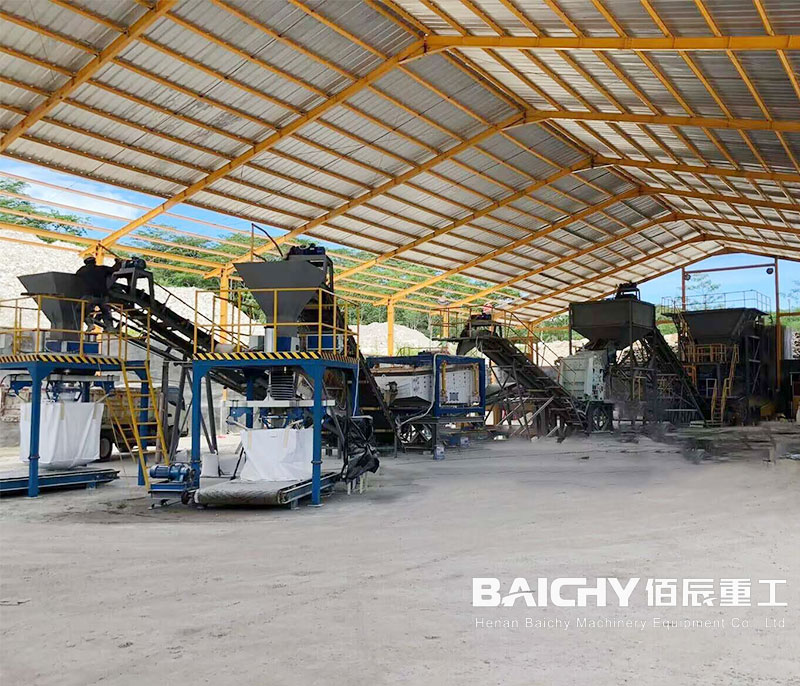
For clay and ceramic raw material grinding, a typical solution includes:
● Raw Material Feeding
Clay materials are evenly fed into the ball mill through a suitable feeding system. Stable feeding helps maintain continuous grinding performance.
● Wet Grinding Process
Inside the rubber lined ball mill, grinding media continuously impact and grind the clay particles. Water is added according to process requirements to form slurry.
● Fine Grinding and Slurry Preparation
After grinding, the clay slurry reaches the required fineness and can be used for ceramic production processes such as mixing, forming, and firing.
Why Choose Baichy Rubber Lined Ball Mill for Clay Processing?
1. Professional Grinding Equipment Manufacturing
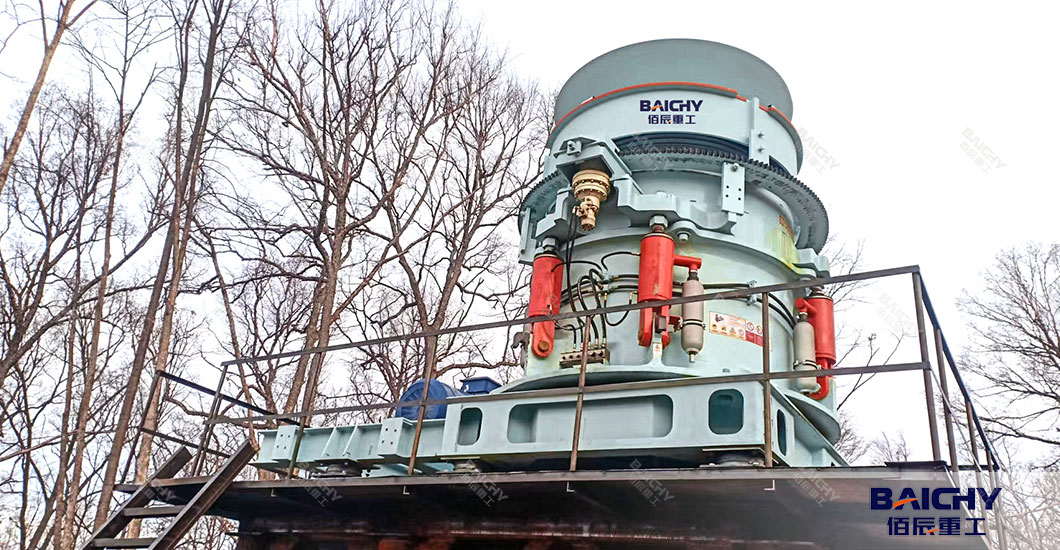
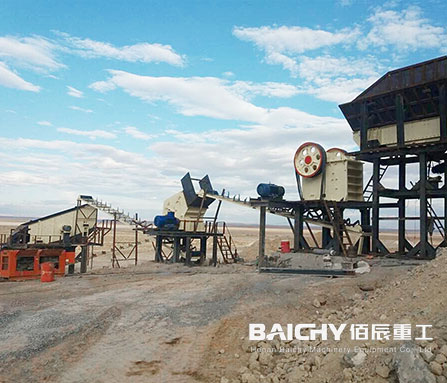
Baichy focuses on mining and industrial grinding equipment, including ball mills, crushers, and complete processing solutions.
The company provides equipment selection based on material characteristics and production requirements.
2. Customized Equipment Design
Different clay materials may have different moisture content, hardness, and grinding requirements.
Baichy can adjust equipment configuration according to:
● Raw material characteristics
● Required fineness
● Production capacity
● Working conditions
3. Complete Technical Support
Baichy provides support during equipment selection, manufacturing, installation guidance, and operation service.
The goal is to help customers build a stable and efficient clay grinding system.
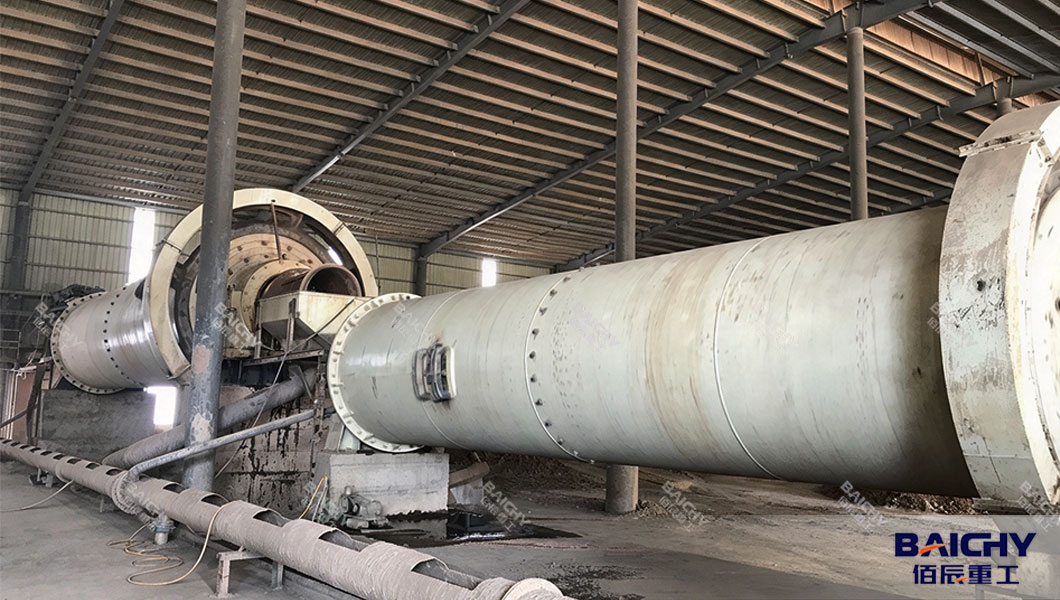
Applications of Clay Grinding Ball Mill
Rubber lined ball mills are commonly used in industries requiring fine grinding and clean processing, including:
● Ceramic raw materials
● Kaolin processing
● Porcelain production
● Building ceramics
● Mineral powder processing
For ceramic manufacturers, selecting the correct grinding equipment is important for improving raw material consistency and final product quality.
Frequently Asked Questions
1. What type of ball mill is suitable for clay grinding?
A wet grinding ball mill with rubber lining is commonly used for clay processing because it provides stable grinding performance and helps reduce contamination risks.
2. Why use rubber lining in a clay grinding ball mill?
Rubber lining protects the mill shell, reduces impact noise, and creates a cleaner grinding environment for ceramic raw materials.
3. Can a ball mill grind kaolin clay?
Yes. Ball mills are widely used for kaolin and other clay mineral grinding applications where fine particle size and uniform slurry are required. Baichy has supplied rubber lined ball mill equipment for kaolin clay fine grinding applications.
4. Is wet grinding better for ceramic clay processing?
Wet grinding is often selected for ceramic raw materials because it helps produce a uniform slurry and supports downstream ceramic production processes.




 2026-09-30





 86-15093113821
 86-15093113821