Home About us
Products
News
Solution
Video Service Contact us
Home  /  News

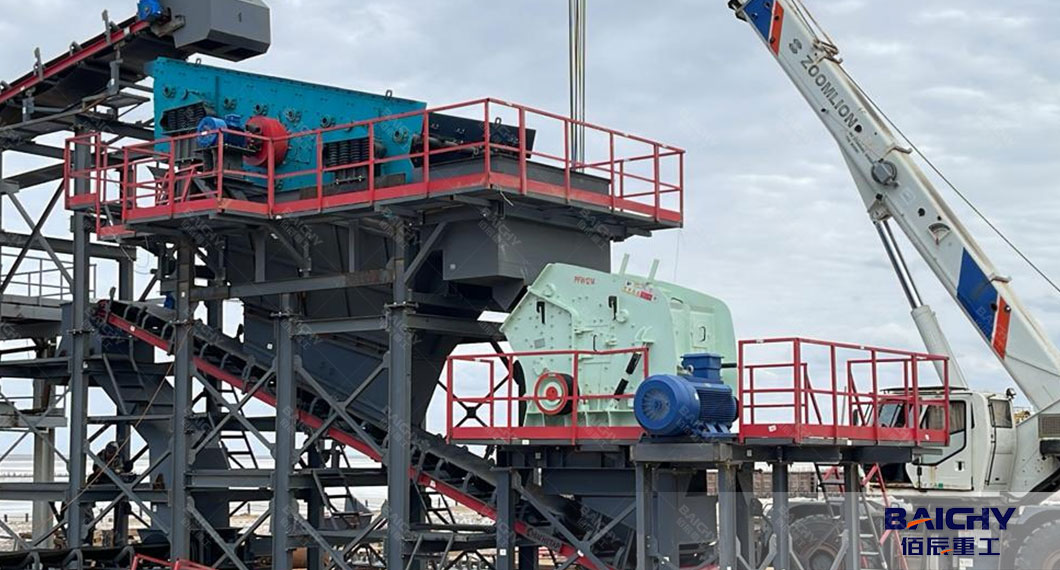
In the aggregate industry, the quality of the final stone determines its price. If your gravel is needle-like or flaky, it is rejected by high-grade concrete and asphalt plants. This is where the PFW Series Impact Crusher shines. Known as the "Shape Master," it is the industry standard for secondary crushing of soft-to-medium hard rocks. But how does it compare to Jaw, Cone, or Hammer crushers?


Impact Crusher vs. Other Crushers.jpg


At Baichy Machinery, we help you choose the right tool for the job. Here is the technical breakdown.

What is a PFW Impact Crusher?

The PFW series impact crusher is developed based on European technology, with a more optimized design and higher production efficiency. It adopts a unique heavy-duty rotor design, and the crushing chamber has been optimized to provide higher crushing efficiency and more stable operation. Usually equipped with advanced automation control systems, remote monitoring and operation can be achieved.The PFW Impact Crusher utilizes impact energy to shatter rock. Unlike a Jaw Crusher that squeezes rock, the Impact Crusher hits it.


How It Works:

● The Rotor spins at high speed.
● The Blow Bars (hammers) on the rotor strike the entering rock.
● The rock is thrown against the Impact Plates (curtains) lining the chamber.
● The rock bounces back to the blow bars for re-crushing until it fits through the discharge gap.
● This "stone-hitting-metal" action breaks the rock along its natural fissures, creating a perfect cubical shape.


The Advantages: Why Choose PFW Impact Crusher?

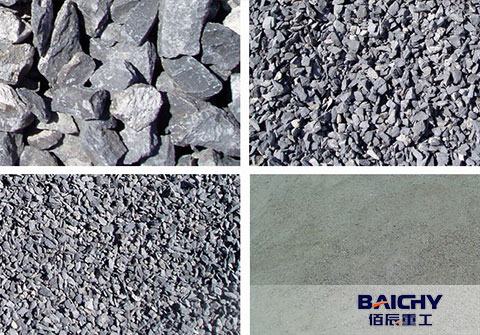
● Superior Grain Shape: It produces >95% cubical particles. This is critical for highway asphalt and construction aggregate.
● High Reduction Ratio: It can reduce 300mm stones to 20mm in a single stage, doing the work of two smaller machines.
● Easy Maintenance: Baichy’s design allows easy access to change blow bars and adjust the discharge gap.


PF Impact Crusher vs. Other Crushers

1. PF Impact vs. Jaw Crusher

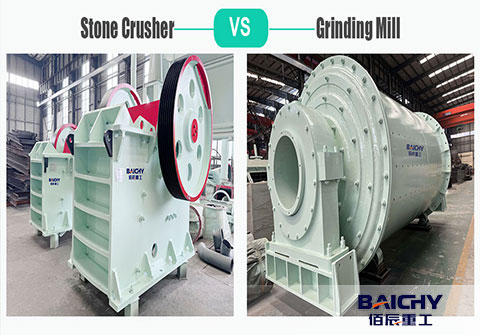
The Difference: The Jaw Crusher is a Primary Crusher (First Stage). It handles big, raw boulders (up to 1000mm). The Impact Crusher is a Secondary Crusher (Second Stage).
The Verdict: You cannot replace a Jaw with an Impact. You need the Jaw to break the big rocks first, then feed the smaller rocks into the Impact Crusher to make them usable.


2. PF Impact vs. Cone Crusher

The Difference: This is the most common debate.
● Hardness: Cone Crushers are for Hard Rocks (Granite, Basalt, Iron Ore). Impact Crushers are for Soft/Medium Rocks (Limestone, Gypsum, Concrete).
● Wear Cost: If you put hard granite into an Impact Crusher, the blow bars will wear out in days. A Cone Crusher uses lamination (compression) and lasts much longer on hard rock.
● Shape: The Impact Crusher produces better shaped stones than the Cone.
● The Verdict: Choose PF Impact for Limestone. Choose Cone for Granite.


3. PF Impact vs. Hammer Crusher

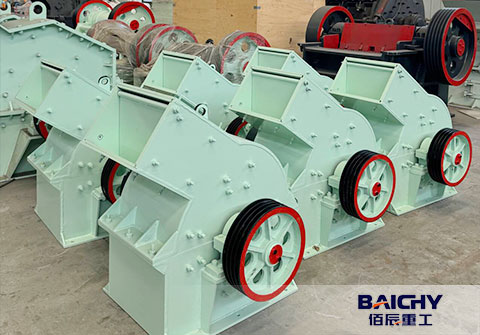
The Difference: A Heavy Hammer crusher has a grate at the bottom; the PF Impact does not.
● Adaptability: The PF Impact handles wet/sticky material better because it has an open discharge. The Hammer crusher often clogs in rainy weather.
● Fines: The PF Impact produces fewer fines (dust) than a Hammer crusher, meaning more sellable product.


If you are processing Limestone, Coal, or Recycling Concrete, and your client demands high-quality cubical aggregate, the PFW Impact Crusher is your best investment. It offers the perfect balance of low capital cost and high product value. However, if you are crushing Granite, you should look at our Baichy Cone Crushers instead. Let Baichy engineers could help to analyze your raw material hardness and output requirements. Contact Baichy Machinery today for a factory-direct quote on PF Impact Crushers. 


Maybe you are interested in