Home About us
Products
News
Solution
Video Service Contact us
Clay Grinding Ball Mill for Ceramic Production in Vietnam

Clay Grinding Ball Mill for Ceramic Production in Vietnam

Share
Capacity:         
15-20 ton / hour
Output size:     
100-300 mesh
Material:          
Quartz, feldspar, kaolin, calcite, talc etc
Configuration:

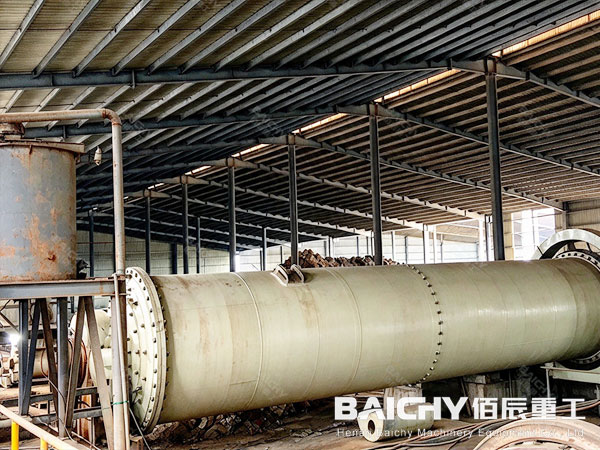
Wet ball mill , mixing tank and other auxiliary machines

Project Overview

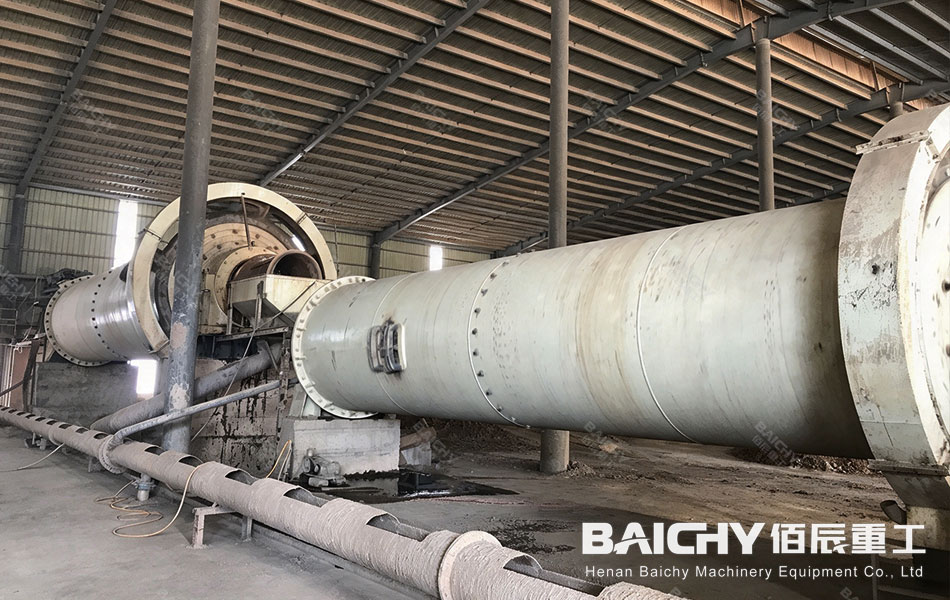
 A ceramic manufacturer in Vietnam required a reliable grinding solution for processing clay and mineral raw materials used in sanitary ware glaze production. The production process requires the raw materials to be mixed with water and additives, then ground into a uniform and fine slurry with stable particle size distribution. To meet the high-quality requirements of ceramic glaze preparation, the customer selected Baichy Machinery to provide two large-scale ball mills designed for continuous and efficient clay grinding.


Key Challenge: Iron Contamination Prevention

Iron contamination can cause black spots and defects on fired ceramic products. To avoid this issue, the customer selected rubber-lined ball mills, which reduce contact between the slurry and steel components. This helps prevent iron impurities, ensuring cleaner glaze slurry and higher-quality sanitaryware products.  


Baichy Rubber Lined Ball Mill Solution

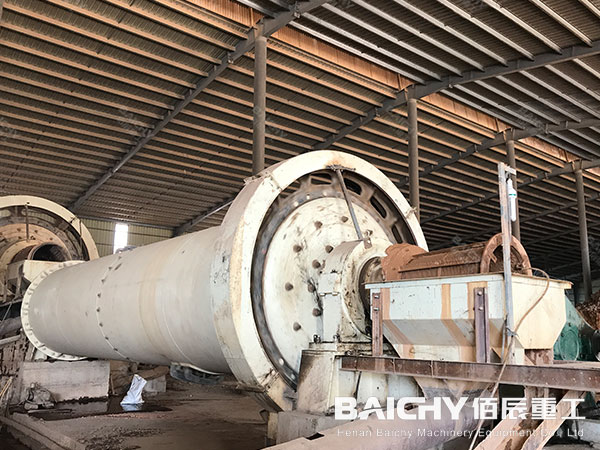
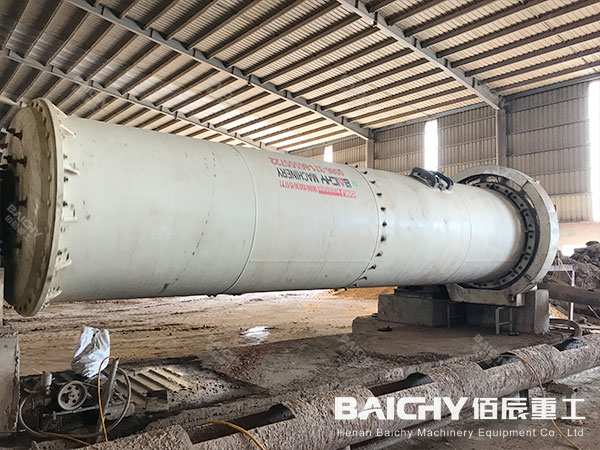
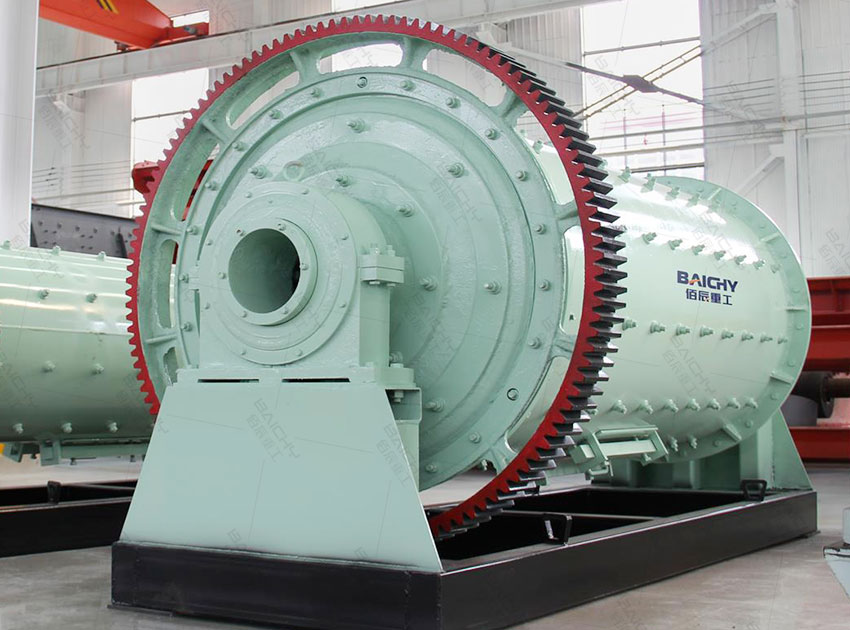
Baichy supplied two wet grinding ball mills with rubber liners instead of traditional steel liners. The rubber lining provides excellent wear resistance and helps reduce the possibility of iron contamination during grinding. During operation, clay, water, and additives are fed into the ball mill and ground by ceramic grinding media. The continuous impact and friction between grinding media and materials gradually reduce the particle size, producing a smooth and evenly mixed glaze slurry.


The complete grinding process includes:

Raw material feeding → Water and additive mixing → Wet ball milling → Fine slurry production → Glaze preparation for ceramic production

This process ensures the clay slurry meets the required fineness and consistency for sanitary ware manufacturing.

Why Choose Rubber Lined Ball Mill for Ceramic Clay Grinding?


1. Prevent Iron Contamination

For ceramic glaze production, controlling impurities is extremely important. Rubber liners reduce direct contact between grinding materials and steel parts, helping prevent iron particles from entering the slurry. This improves the purity of the glaze and reduces the risk of black spots after firing.

2. Produce Uniform and Fine Slurry

The ball mill provides efficient wet grinding performance, allowing clay and mineral materials to be fully mixed with water and additives. The final slurry has better uniformity and stable fineness, which helps improve ceramic surface quality.

3. Stable Operation for Large-Scale Production

The 1830×8000 mm and 2700×13000 mm ball mills are designed for continuous industrial operation. Their strong structure and reliable transmission system provide stable performance for ceramic production plants.

4. Suitable for Ceramic Industry Applications

Baichy rubber lined ball mills are widely used for grinding clay, feldspar, quartz, and other mineral materials required for ceramic production. They are suitable for preparing glaze slurry, ceramic bodies, and other fine grinding applications.

Project Benefits

With Baichy's clay grinding ball mill solution, the Vietnam ceramic manufacturer achieved:

  ● Stable and efficient wet grinding production
  ● Fine and uniform glaze slurry quality
  ● Reduced risk of iron contamination
  ● Improved ceramic firing appearance
  ● Reliable equipment performance for long-term operation

The successful installation of the two rubber lined ball mills demonstrates Baichy Machinery's capability in providing customized grinding solutions for the ceramic industry. 

Crushing Solutions Design

Baichy Machinery can customize a crushing plant for you based on the specific conditions of your project: such as the construction site, hardness of the raw materials, output, output size, budget, etc.

On-site Installation & Training

Our team provides on-site installation and thorough training to ensure safe operation of the crushing plant.

Quality Control & Global Delivery

Rigorous quality checks ensure compliance with standards, and we handle worldwide delivery to your location.

After-Sales Support

Baichy Machinery provides you with spare parts supply, project transformation, investment return analysis, etc.

Crushing Solutions Design
On-site Installation & Training
Quality Control & Global Delivery
After-Sales Support

Frequently Asked Questions (FAQs)

Find answers to the most common questions about Baichy Machinery. If you can’t find what you’re looking for here, please contact us.

1.Why choose a rubber liner ball mill for clay grinding?

Rubber liner ball mills are preferred for clay and ceramic glaze grinding because they prevent iron contamination. Additionally, rubber liners reduce noise, offer excellent wear resistance in wet grinding, and lower maintenance costs due to their lighter weight and easier replacement.

2.What materials can be processed by a rubber lined ball mill?

Rubber lined ball mills can grind various mineral materials, including clay, feldspar, quartz, and other raw materials used in ceramic bodies and glaze production.

3.What is the function of a ball mill in ceramic production?

A ball mill reduces raw materials into fine particles and mixes them with water and additives to produce a uniform slurry required for ceramic manufacturing.

4.What fineness can ball mills achieve for ceramic glaze slurry?

These ball mills can grind clay and ceramic raw materials to a fine glaze slurry with particle sizes typically ranging from 200 mesh to 325 mesh (approximately 45–75 microns), depending on grinding time and media configuration.
MAYBE YOU ARE INTERESTED IN