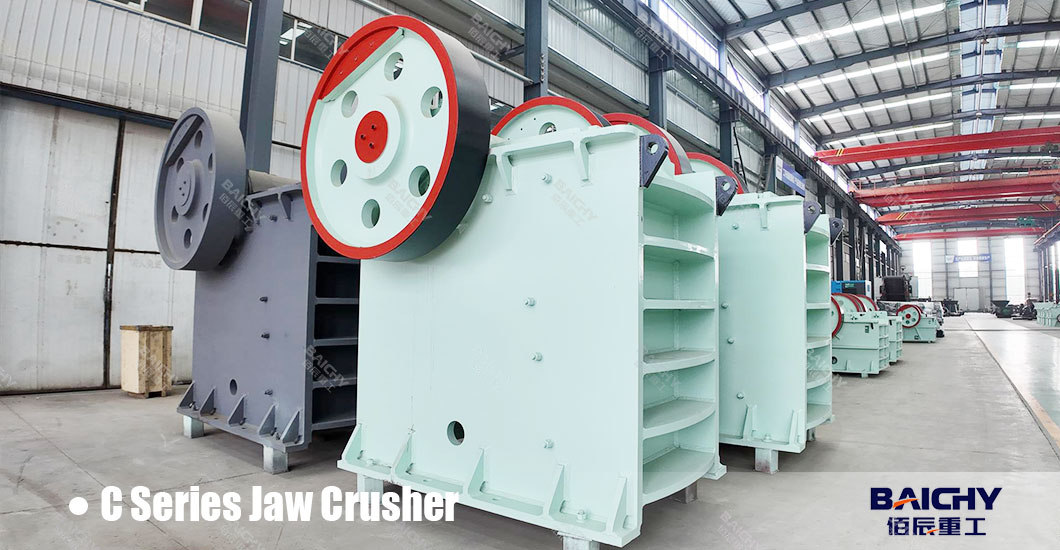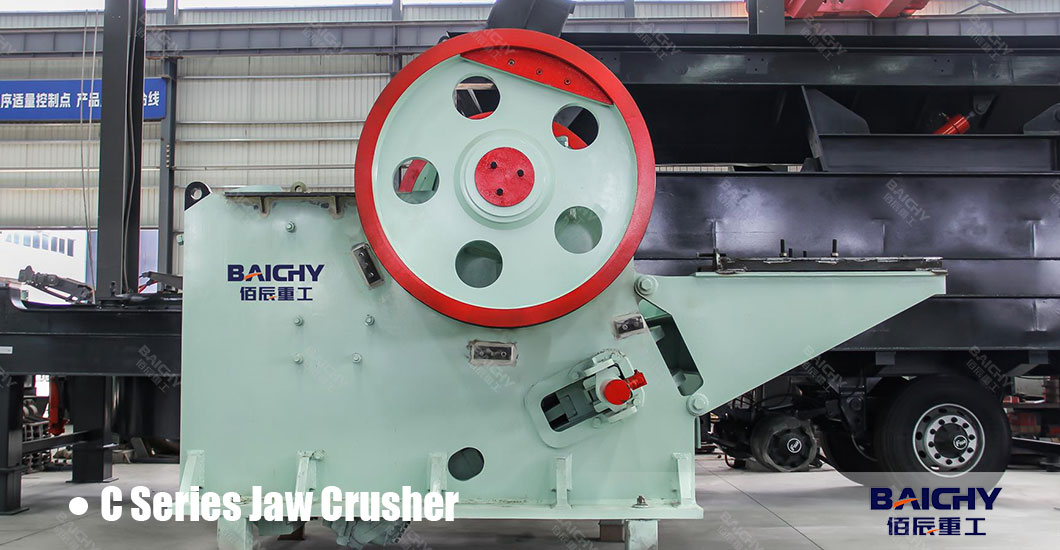
Technology changes at a rapid pace. However one machine has reigned as the "king of primary crushing" for over 160 years: the jaw crusher. Its core principle has stood the test of time. But its efficiency, design, and capabilities have skyrocketed. From steam-powered prototypes to AI-integrated mobile units, this is the story of how jaw crushers evolved to stay indispensable.
The jaw crusher’s journey began in 1858. Eli Whitney Blake secured US Patent 20,542 for his stone-crushing invention. This was no small feat. Before Blake’s design, rock crushing relied on manual hammers—slow, labor-intensive, and dangerous. His "Blake Type" crusher changed everything. It featured a double-toggle mechanism. The design was built to crush stone for road paving projects. It was the first successful mechanical rock breaker. It proved reliable, efficient, and far more productive than human-powered methods. Blake’s invention laid the foundation for modern crushing technology.

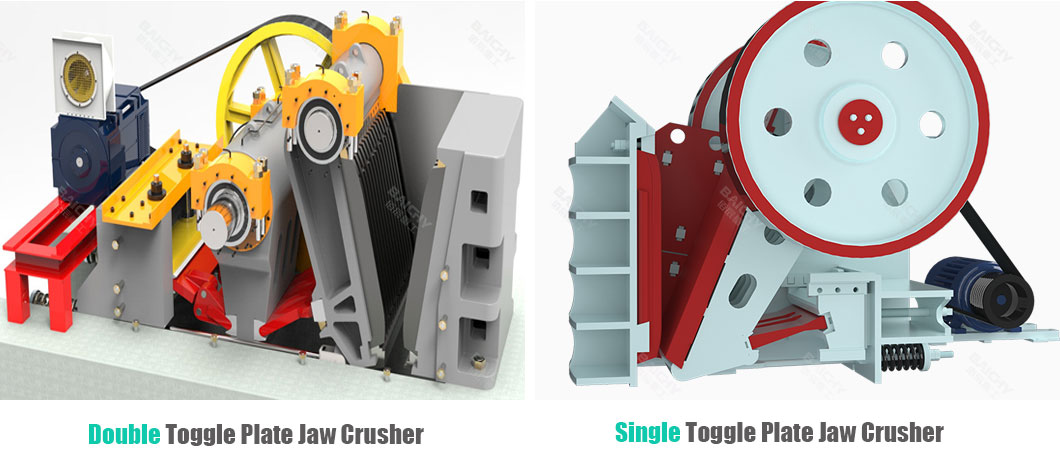
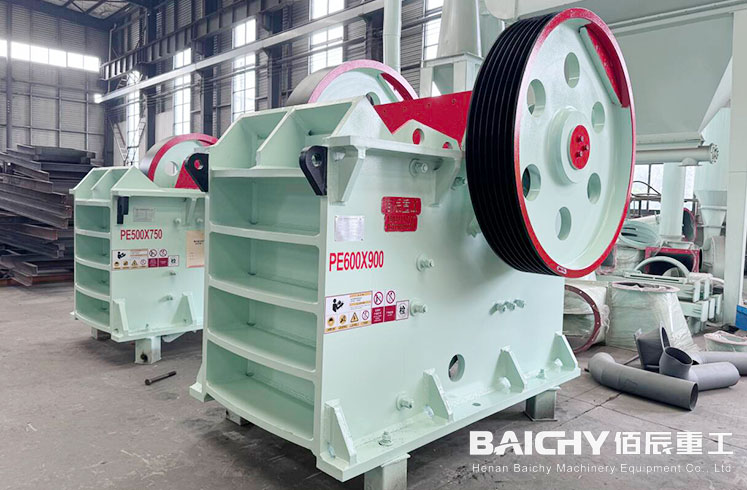
The original double-toggle design worked well. But it was heavy and complex. As industries grew, demand for higher capacity increased. Engineers sought a better solution. The shift to single-toggle (overhead eccentric) design followed. This modern approach was lighter. It offered higher throughput. Maintenance became simpler too. Single-toggle jaw crushers eliminated extra moving parts. They operated with a more direct crushing motion. This evolution made jaw crushers more versatile. They could handle larger volumes of rock. They fit better in modern processing plants. Today, most industrial jaw crushers use the single-toggle design. It’s a perfect balance of power and simplicity.

Early 20th-century jaw crushers had a flaw: welded frames. These frames cracked under constant stress. Metal fatigue was a common problem. Repairs were costly. Downtime disrupted operations. The industry needed a stronger, more durable structure. The solution came with modular, pin-and-bolt construction. Welding was removed from the frame design. Bolted frames absorbed shock better. They resisted cracks and wear. Transport and assembly became easier too. Modular parts could be shipped separately. On-site setup was faster. This structural revolution extended crusher lifespans. It reduced maintenance costs. It made jaw crushers more reliable in harsh working conditions.
Jaw crushers evolved beyond structure and mechanics. Wear parts and chamber geometry got major upgrades. Early jaw dies wore out quickly on hard rock. Manganese steel alloys changed that. These durable materials withstand abrasive, hard stone. They last longer. They reduce the need for frequent replacements. Chamber design also improved. Simple V-shapes were replaced with optimized curves. These curves improve material flow. They prevent clogging. They ensure more uniform crushing. The result is higher efficiency. Better particle size control. Less waste. Modern jaw crushers crush smarter, not just harder.

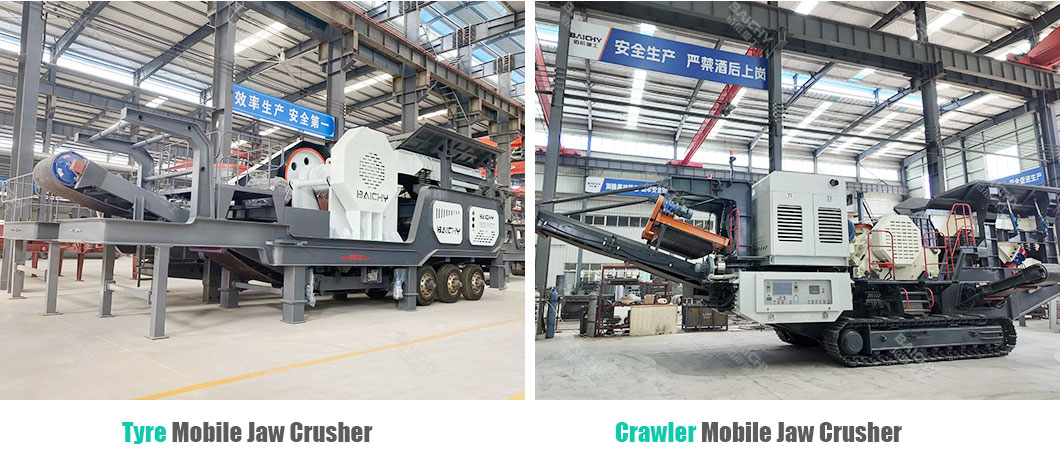
The 21st century brought two game-changers: mobility and smart tech. Static jaw crushers were tied to fixed plants. Track-mounted mobile units changed that. Now, crushers can go directly to the job site. They’re perfect for on-site recycling. They shine in remote mining locations. No more hauling raw materials long distances. Efficiency and cost savings soared. Digital integration followed. Hydraulic setting adjustments replaced manual shims. Automation made operations smoother. Operators can fine-tune crushing parameters easily. They monitor performance in real time. AI and sensors help predict maintenance needs. Modern jaw crushers are not just machines—they’re smart, mobile workhorses.

For over 160 years, jaw crushers have evolved with the times. From Eli Whitney Blake’s 1858 patent to today’s AI-integrated mobile units, the core purpose remains the same: crush rock reliably. But every evolution—single-toggle design, bolted frames, better materials, mobility, and digital tech—has boosted efficiency. Jaw crushers are still the "king of primary crushing." They adapt to new industries, new materials, and new demands.
Need a jaw crusher that combines historical reliability with modern innovation? Contact us to get the perfect model for your mining, aggregate, or recycling project. Let the evolution of jaw crushers power your success.
Save Time! Get A Detailed Quotation Quickly.