Walk onto most coal crushing sites and you'll see the same thing: a fine gray film settling on railings, control panels, and everything else within a few dozen meters of the crusher. That dust isn't just a cleaning problem. It gets into bearings, clogs filters, and hangs in the air workers breathe. Coal crushing — whether for power plants, steel mills, or industrial boilers — generates fine particles at nearly every stage: feeding, crushing itself, screening, and transfer points between conveyors. Left alone, those particles cause real trouble: respiratory risk for crews, more frequent equipment failures, and emissions that regulators increasingly won't tolerate.
Dust control isn't mysterious. It comes down to choosing the right equipment, containing dust at the source, and maintaining the systems you install. This guide walks through what actually works.
Why Dust Control Is Important in Coal Crushing Plant
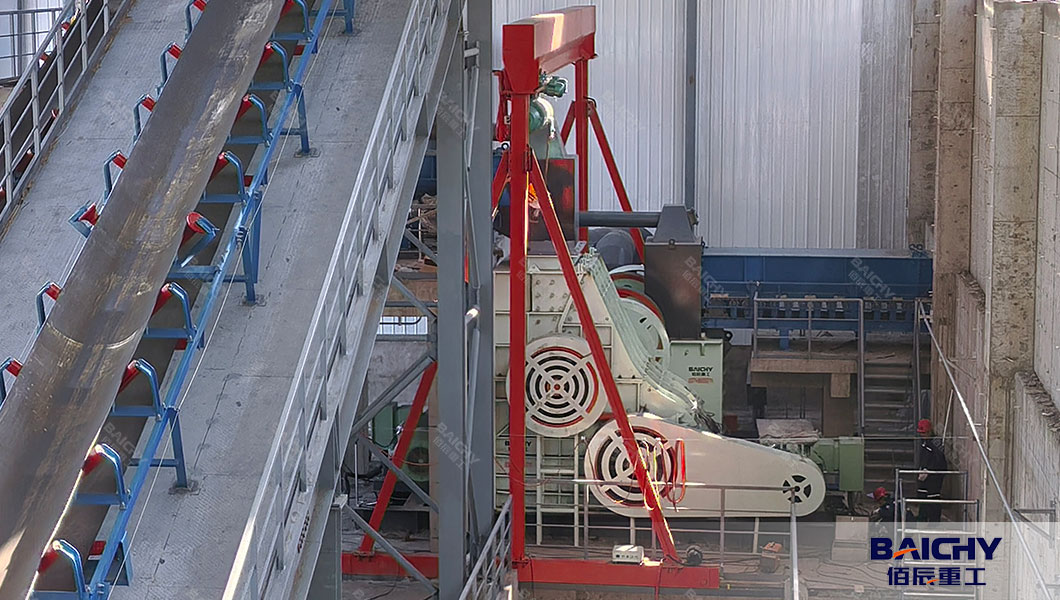
During coal crushing, large coal blocks are reduced into smaller sizes by crushers such as hammer crushers, impact crushers, or roll crushers. The high-speed impact and friction between coal particles generate fine dust. Dust is usually produced at several key points, including:
● Raw coal feeding points, where material drops from a hopper or feeder
● Crusher discharge outlets, where broken coal exits under force
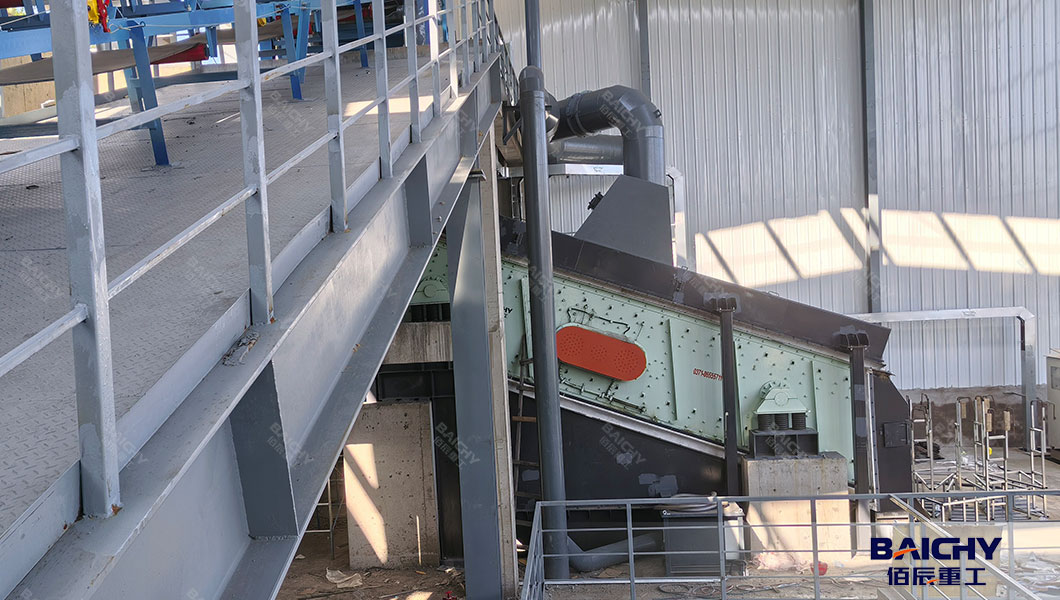
● Vibrating screen surfaces, which shake material and release trapped fines
● Belt conveyor transfer points, where falling coal creates air currents that carry dust
● Coal storage and loading areas, especially in dry, windy conditions
The consequences stack up. Workers exposed to respirable coal dust face long-term health risks, and most mining jurisdictions set exposure limits for a reason. Dust settling on motors, bearings, and electrical enclosures means more maintenance and shorter equipment life. In dry conditions with poor housekeeping, accumulated coal dust also creates a fire and explosion hazard that no plant operator can ignore.
Dust control used to be treated as an afterthought — something you added if the neighbors complained. That's no longer viable. It belongs in the initial plant design.
Common Dust Control Methods
No single technology handles every dust problem. Most plants that get dust under control use two or three methods together, matched to where the dust is actually generated.
1.Water Spray Systems
Water spraying is the simplest and most common approach. Nozzles are mounted at crusher inlets and outlets, conveyor transfer points, and screening stations. The water droplets collide with airborne particles, making them heavy enough to fall out of the air.
It works because it's cheap to install and straightforward to maintain. But there's a real tradeoff: too much water raises coal moisture, which can hurt screening efficiency, cause belt problems in cold weather, and reduce combustion efficiency for power plants. The key is using enough water to knock down dust without soaking the product.
2. Dry Fog Suppression
Dry fog systems address the moisture problem directly. They produce extremely fine water droplets — small enough to capture dust particles without adding meaningful moisture to the coal.
The principle is the same as conventional spraying (droplet meets particle, particle gets heavy), but the droplet size is much smaller, so less water is needed. This makes dry fog a good fit where coal moisture must stay low — for example, before thermal drying or in coking coal operations. It costs more to install than basic spray bars, but plants that need low moisture often find it worth the difference.
3. Dust Collection Systems
For plants facing stricter emission limits, baghouse or cartridge dust collectors are the standard solution. These systems use negative pressure to pull dust-laden air from around crushers and screens, filter it through fabric or cartridge media, and exhaust clean air. The captured dust collects in hoppers and can usually be returned to the product stream or disposed of properly.
A well-designed collector can bring emissions well below regulatory limits. The downsides are capital cost, the need for regular filter replacement, and the fact that collectors work best when dust sources are enclosed — open areas are harder to capture efficiently.
Equipment Design That Reduces Dust at the Source
The most effective dust control is preventing dust from becoming airborne in the first place, and that starts with how the plant is designed.
Enclosing crushers and conveyors is the single biggest step. Sealed transfer chutes, covered belt conveyors, and properly designed drop points all reduce the air movement that carries dust away. It's not glamorous, but good chute design — controlling fall height and material trajectory — prevents more dust than any spray system can clean up.
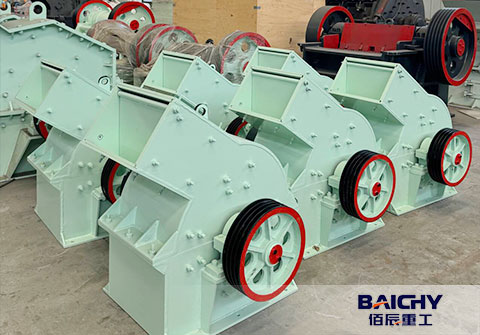
Crusher selection matters too. Roll crushers generate fewer fines than many impact crushers because they break coal by compression rather than high-speed impact. Hammer crushers handle higher capacities and tougher coal, but they tend to produce more fines. Choosing based on coal hardness, moisture, and required product size isn't just a production decision — it directly affects how much dust you'll need to control later.
Environmental Compliance
Environmental rules for coal processing differ from country to country and even between regions, but they generally target the same things: particulate emissions, worker exposure limits, and overall environmental impact.
A plant that wants to stay compliant typically needs:
● Working dust suppression or collection at all major emission points
● Enclosed or covered equipment where dust is likely to escape
● Regular dust monitoring — both ambient air quality and worker exposure
● Properly managed coal storage and transport (covered piles, wind barriers, watered haul roads)
● Noise and emission controls beyond just dust
The practical point is simple: design for compliance from the start. Retrofitting dust control after a plant is running is almost always more expensive and less effective than building it in during the initial layout.
How to Design a Cleaner Coal Crushing Plant
A dust control strategy that actually works considers the whole process, not just individual pieces of equipment.
Start with crusher selection. High-moisture coal needs equipment that won't clog — usually something with larger openings and good self-cleaning. Brittle coal breaks easily but produces fines, so a crusher that limits excessive impact energy will reduce dust downstream.
Then control dust at the source. Spray systems, seals, and collectors placed right at emission points work far better than trying to clean dust out of a building after it's already spread. This sounds obvious, but it's common to see plants install a collector in the wrong location — too far from the actual dust source — and wonder why it doesn't work.
Finally, maintain what you install. Blocked spray nozzles, torn seals, and overloaded filters don't just reduce performance — they can make dust problems worse by creating false confidence. A regular inspection routine catches most issues before they become failures.
A Real-World Example
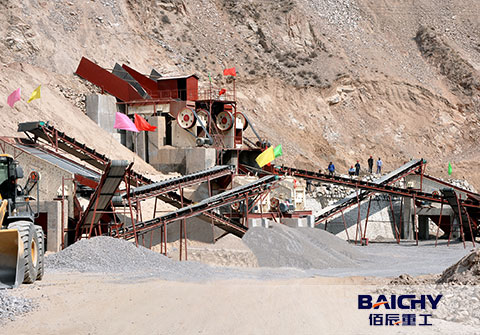
A coal processing plant in Indonesia dealt with persistent dust complaints during the dry season. The crushing area was open, and visible dust clouds formed around the crusher and conveyor transfer points whenever the plant ran at capacity.
The upgrade enclosed the crusher structure, added water spray suppression at the feed and discharge points, and improved conveyor sealing at transfer points. After the modification, dust levels around the operating area dropped noticeably, and the plant maintained its original crushing capacity.
The lesson isn't that one technology solved everything. It's that combining enclosure, suppression, and sealing — addressing dust at multiple points in the process — worked where a single fix would not have.
When you're evaluating coal crushing plant suppliers, crushing capacity alone isn't enough. A manufacturer that can provide a complete solution — crusher selection, plant layout, dust control design, and after-sales support — will save you money and headaches over the life of the plant. An experienced supplier should be able to look at your coal properties and recommend the right equipment combination: feeder, crusher, screen, conveyor, and dust suppression. They should also be willing to explain the tradeoffs — why a roll crusher might be better for your coal even if a hammer crusher has a higher nominal capacity, or why dry fog is worth the extra cost for your application.
The industry is moving toward cleaner operation. Dust control is part of that shift, but it's also just good engineering: less dust means less maintenance, fewer health issues, and a plant that runs more reliably.
Frequently Asked Questions
1. How do coal crushing plants control dust?
Most plants use a combination of water spray systems, dry fog suppression, dust collectors, enclosed crusher structures, and sealed conveyor transfer points. Using several methods together is more effective than relying on one.
2. Does water spray affect coal quality?
It can raise moisture content, which matters for some applications — particularly power generation and coking. If low moisture is critical, dry fog systems or dust collectors are usually the better choice.
3. What is the best crusher for reducing coal dust?
There's no single answer. Roll crushers produce fewer fines and are a good choice when dust generation is a major concern. Hammer crushers handle higher capacities and are more common in large coal operations, but they tend to create more fines. The right choice depends on your coal properties and required output size.
4. How can coal plants meet environmental requirements?
By installing proper dust control systems, monitoring emissions regularly, maintaining equipment, and designing the crushing process with local regulations in mind. The most important step is designing for compliance from the beginning rather than retrofitting later.




 2026-10-16





 86-15093113821
 86-15093113821