Choosing a coal crusher is not only about selecting a machine with enough capacity. The characteristics of the coal itself determine how the crusher will perform in daily operation. A crusher that works well for dry, low-ash coal may struggle when processing wet or highly abrasive coal. Incorrect equipment selection can lead to excessive wear, unstable output size, higher maintenance costs, and frequent production interruptions. Before choosing a coal crusher, engineers usually evaluate several factors, including coal hardness, moisture content, ash content, feed size, and the required final product size.
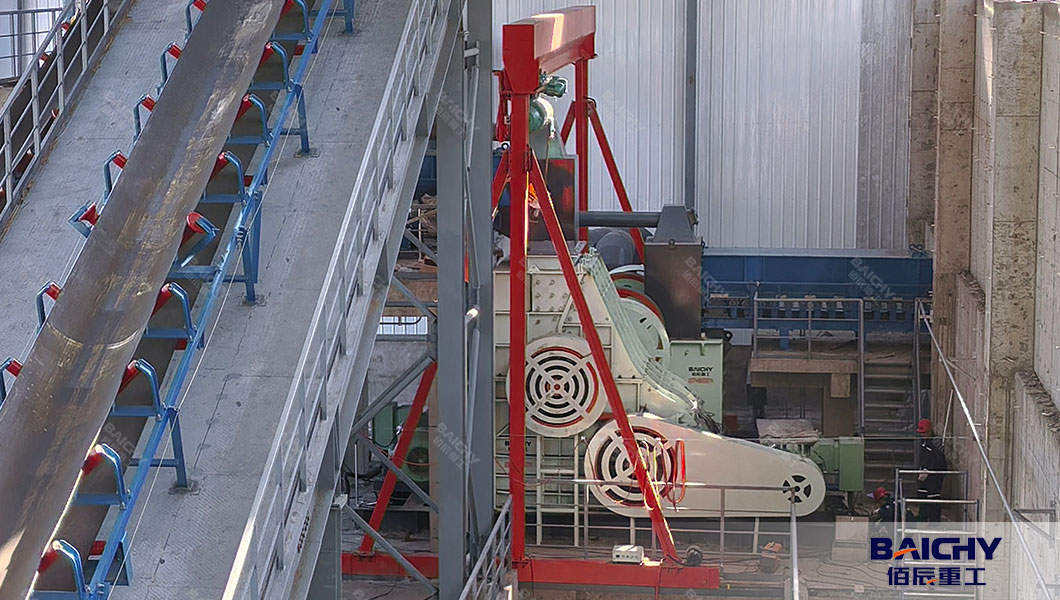
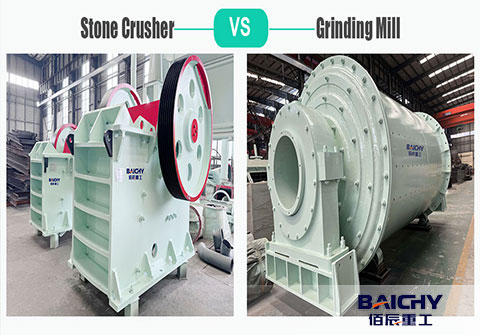
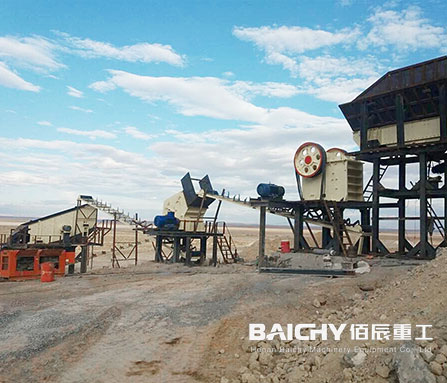
Caol crusher plant - jaw crusher with double rotor crusher
Key Coal Properties That Affect Crusher Selection
1. Coal Hardness
Coal hardness is one of the first factors considered during crusher selection. Harder coal requires stronger crushing force and more durable wear parts.
The Hardgrove Grindability Index (HGI) is often used to describe coal grindability. Lower HGI values generally indicate harder coal, which may require crushers with stronger impact or compression capability.
2. Moisture Content
Moisture has a major influence on crushing and screening performance.
Wet coal can stick to crusher components, block screens, and reduce material flow. For coal with high moisture content, equipment with better anti-blocking ability and easier cleaning features is usually preferred.
3. Ash Content and Abrasiveness
High ash content often means more mineral impurities in the coal. These hard materials can increase wear on crusher hammers, liners, and other wear parts.
For abrasive coal, selecting suitable wear-resistant materials and a crusher designed for long service life is important for reducing downtime.
4. Feed Size and Required Product Size
The maximum feed size determines the required crusher inlet opening, while the target product size affects the crushing ratio.
For example, coal that needs to be reduced from large lumps to fine particles may require multiple crushing stages instead of a single machine.
Coal Crusher Types Comparison
Different crusher designs have different advantages. The best choice depends on coal characteristics and production requirements.
| Crusher Type |
Recommended Application |
Advantages |
Limitations |
Typical Capacity |
| Hammer Crusher |
Soft to medium-hard coal with low to moderate ash content |
High reduction ratio, simple structure, lower initial investment, suitable for one-stage crushing |
Wear increases when processing highly abrasive coal; performance can be affected by wet material |
5-500 TPH |
| Roll Crusher (Single/Double/Triple Roll) |
Hard coal, high ash coal, and sticky materials |
Good control of fines, less over-crushing, handles moisture better than many impact crushers |
Lower reduction ratio; roll surface maintenance is required |
10-500 TPH |
| Impact Crusher |
Medium-hard coal and applications requiring good particle shape |
Adjustable output size, good crushing efficiency, suitable for clean coal |
Generates more fines; wear parts need regular inspection |
50-500 TPH |
Coal Crusher Selection by Coal Type
Different coal types have different crushing requirements. Crusher selection should consider coal hardness, moisture, ash content, and the final product size.
1. Lignite and Brown Coal: Hammer Crusher or Impact Crusher
Lignite and brown coal usually have high moisture and low hardness. Hammer crushers are commonly used because they reduce coal size through high-speed hammer impact, providing a high reduction ratio with simple operation.
Impact crushers are also suitable for soft coal. They use rotor impact force to break material and can produce a more uniform product. However, proper feeding and screening are needed when handling wet coal.
2. Bituminous Coal: Roll Crusher or Ring Granulator
Bituminous coal has moderate hardness and is widely used in power plants and industrial applications.
Roll crushers use compression between two rotating rolls to crush coal. They produce fewer fines and offer better control over particle size, making them suitable when excessive crushing needs to be avoided.
Ring granulators use impact crushing to produce consistent coal sizes and are commonly used in power plant coal handling systems.
3. Anthracite: Double Roll Crusher
Anthracite is harder and denser than many other coal types, requiring stronger crushing force.
Double roll crushers are often selected because they use compression crushing and adjustable gaps to control output size. Compared with high-speed crushers, they produce fewer fines and provide better wear control for hard coal.
4. High Ash Coal: Roll Crusher
High ash coal contains more abrasive mineral content, which can increase wear on crusher parts.
Roll crushers are suitable because their low-speed compression crushing reduces impact on wear components. They also provide stable product sizing for downstream processing.
5. Coking Coal: Impact Crusher or Hammer Crusher
Coking coal requires controlled particle size for steel production.
Hammer crushers are suitable when a higher reduction ratio is needed, while impact crushers are preferred when better particle shape and size control are required. The crushing process should avoid excessive fines that may affect coke quality.
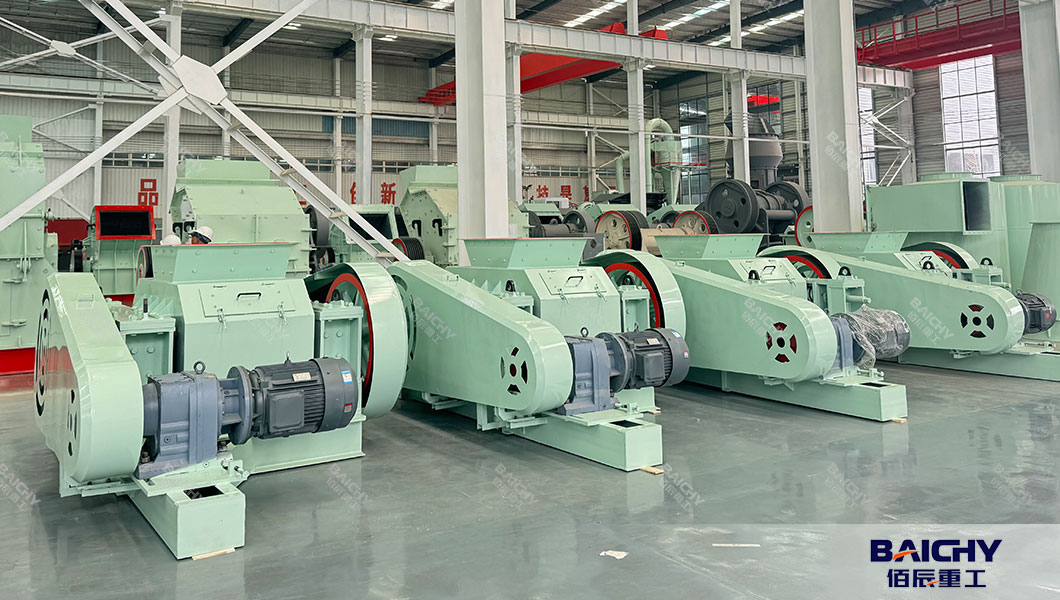
Roller crusher for coal crushing
How to Size a Coal Crusher
Crusher sizing should start with the actual production requirement rather than only the maximum capacity listed in a catalog.
Several factors need to be considered:
● Required throughput (TPH)
● Daily operating hours
● Average and peak feeding conditions
● Maximum feed size
● Required discharge size
In practice, engineers usually leave additional capacity margin to handle fluctuations in feed conditions. A crusher operating continuously at maximum load may experience higher wear and reduced reliability.
The motor power should also match the coal properties. Harder and more abrasive materials generally require stronger drive systems.
Common Mistakes When Selecting a Coal Crusher
Some crushing problems are caused by incorrect equipment selection rather than machine quality.
● One common mistake is choosing a high-speed impact crusher for highly abrasive coal. Although it may provide good crushing performance initially, wear costs can increase significantly during long-term operation.
● Another issue is ignoring moisture conditions. A crusher selected only according to capacity may not perform well when processing wet and sticky coal.
● Maintenance requirements should also be considered during plant design. Equipment that is difficult to access can increase repair time and affect overall plant availability.
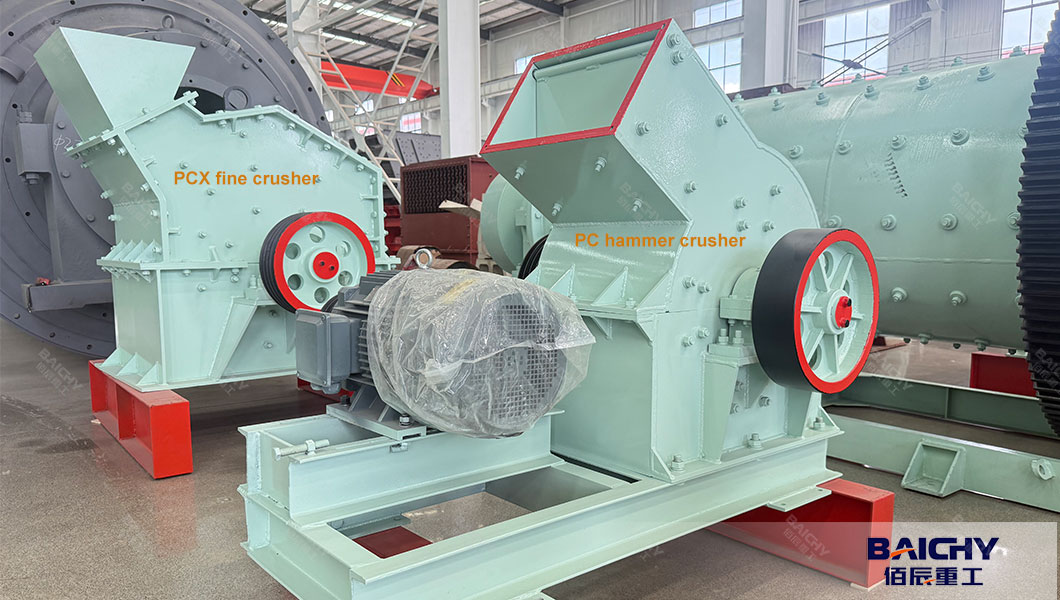
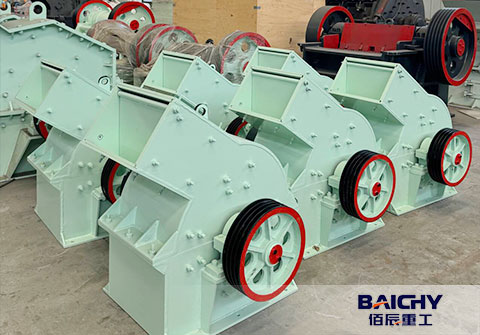
Hammer crusher
Frequently Asked Questions
1. What size does a coal crushing plant produce?
Most thermal power applications require 0–13 mm or 0–25 mm. Fluidized-bed boilers may accept up to 8–10 mm, while pulverized-coal systems typically feed mills with ≤25 mm and let the mill do final grinding.
2. Which crusher is best for coal?
For soft to medium bituminous coal, a reversible impact crusher or hammer mill offers the best reduction ratio and product shape. For hard, abrasive, or high-ash coal, a jaw crusher for primary plus a roll crusher or ring granulator for secondary delivers lower wear cost per ton.
3. How much does a 200 TPH coal crushing plant cost?
Budget roughly US$600,000–1.5 million for a turnkey 200 TPH plant, depending on coal characteristics, number of stages, dust-control scope, and civil works at your site.
4. Can a coal crushing plant handle wet or sticky coal?
Yes, but the design must change. Specify toothed roll sizers or slow-speed double roll crushers, heated or lined chutes, steep transfer angles, and minimal screening area. Standard impact designs will blind.
5. How do I reduce dust in a coal crushing plant?
Combine source enclosure, properly sized baghouse extraction at every transfer point, controlled water spray, and good housekeeping. Dust suppression at the source is far cheaper than cleanup and compliance penalties.




 2026-10-16





 86-15093113821
 86-15093113821