Home About us
Products
News
Solution
Video Service Contact us
Home  /  News

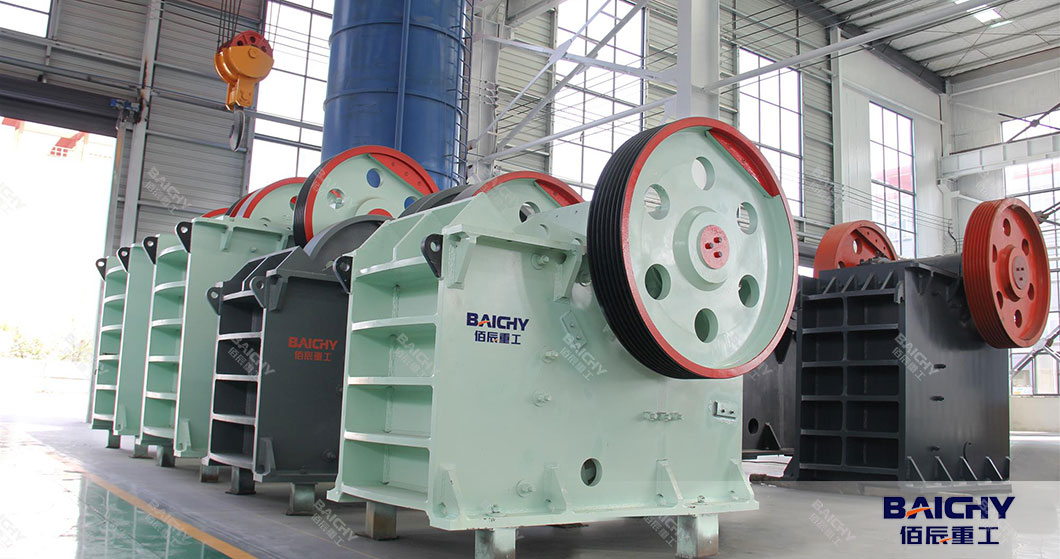
Choosing the right jaw crusher is a balance between material characteristics, production goals, and budget. Because the jaw crusher is typically the "primary" crusher (the first machine in the stone crushing line), an improper choice can lead to production bottlenecks throughout the entire plant. Let's explore step-by-step guide to filter your options.


How-to-Choose-the-Right-Jaw-Crusher-for-Your-Project-00.jpg


1. Analyze Your Feed Material

The physical properties of your rock determine which crusher design you need.

Maximum Feed Size (The "80% Rule")

● Measure the largest rocks you intend to crush.
● Rule: The feed opening of a jaw crusher should be about 20% larger than the largest rock size.
● Example: If your largest rock is 20 inches, you need a crusher with at least a 24-25 inch opening. If you feed rocks that are too big, they will "bridge" (get stuck) above the jaw plates, causing production to stop.


Hardness and abrasiveness:

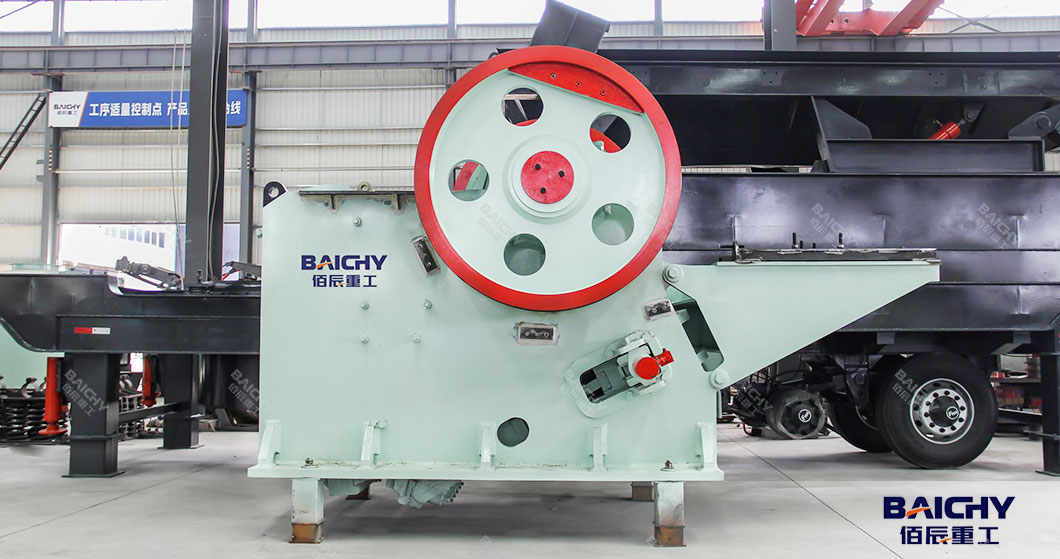
● Soft to medium hardness rocks (limestone, shale): The single toggle jaw crusher is the standard configuration.  It uses an elliptical motion that "scrapes" the rock while crushing it, which is faster but wears the jaw plates quickly when crushing hard rocks.

● Hardness & Abrasiveness:
   ○ Soft to medium-hard rocks (Limestone, Shale): A Single Toggle jaw crusher is the standard configuration. It uses an elliptical motion that "rubs" the rock while crushing it, which is faster but wears out plates quickly on hard rock.

   ○ Very Hard/Abrasive Rock (Granite, Basalt, Iron Ore): Consider a Double Toggle jaw crusher. It uses a pure compression motion (straight push), which reduces wear on the jaw liners (plates).


Moisture Content:

Jaw crushers generally handle dry material well. If your material is sticky (clay-heavy or wet), a jaw crusher may clog. You might need a "Wobbler Feeder" or Grizzly Feeder beforehand to screen out the sticky fines.


2. Determine Required Capacity (TPH)

How many Tons Per Hour (TPH) do you need to process?
● Don't undersize: If you need 200 TPH, do not buy a machine rated exactly for 200 TPH. Manufacturers rate machines based on optimal conditions (continuous feed of medium-hardness rock).
● The Safety Margin: Aim for a machine rated for 20-25% higher capacity than your target to account for feeding interruptions, wet weather, or harder seams of rock.


How-to-Choose-the-Right-Jaw-Crusher-for-Your-Project-02.jpg


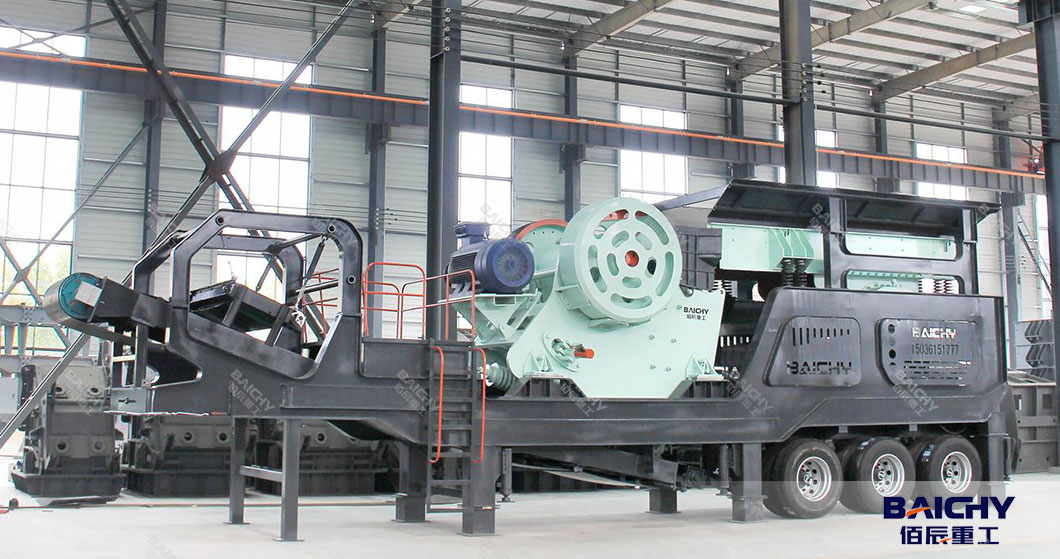
3. Select the Mobility Style

Where will the crusher live?
● Stationary (Fixed):
   ○ Best for: Long-term quarries (5+ years in one spot).
   ○ Pros: Cheapest initial cost (for the machine), highly efficient electric motors.
   ○ Cons: Requires expensive concrete foundations and retaining walls; cannot be moved easily.

Mobile - Tracked (Crawler):
   ○ Best for: Contractors, short-term jobs, or sites where the blast face moves frequently.
   ○ Pros: Self-driven (remote control); goes directly to the rock pile.
   ○ Cons: Most expensive; runs on diesel (higher fuel cost); higher maintenance on tracks/hydraulics.

Mobile - Wheeled (Portable):
   ○ Best for: Producers who move between different quarries 2-3 times a year.
   ○ Pros: Cheaper than tracked units; easier to tow on highways.
   ○ Cons: Requires a truck to move; takes longer to set up (jacking legs) than a tracked unit.


4. Check the "Reduction Ratio"

A jaw crusher is a "blunt instrument"—it breaks big rocks into medium rocks, not dust.
● Typical Ratio: 6:1 (or up to 8:1).
● Example: If you put in 24-inch rocks, the smallest effective output you can expect is about 3-4 inches.
● The Trap: Do not try to make a jaw crusher do the job of a cone crusher. If you try to tighten the jaw too much to get small gravel (1 inch), you will damage the shaft and wear out plates instantly. You likely need a secondary crusher (Cone or Impactor) after the jaw.


How-to-Choose-the-Right-Jaw-Crusher-for-Your-Project-03.jpg


5. Evaluate Operational Features

Look for these specific features to save time and money:
● Adjustment System:
   ○ Hydraulic Adjustment: Allows you to change the output size with the push of a button. Safe and fast.
   ○ Shim Adjustment: Requires manual labor to insert metal shims. Slower and dangerous, but the machine is cheaper to buy.
● Tramp Iron Relief: If a metal tooth from an excavator bucket falls in, will the machine break? Look for hydraulic relief systems that automatically open the jaw to let the metal pass without snapping the toggle plate.
● Jaw Plate Profile: Ask for "corrugated" or "heavy duty" teeth profiles if you have slippery or slabby rock, as this helps the jaw "grip" the rock to break it.


Choosing the right jaw crusher is a critical decision that directly impacts your project’s efficiency, productivity, and profitability. investing in a high-quality, reliable jaw crusher from a reputable supplier will pay off in the long run through reduced downtime, lower operating costs, and consistent performance. Welcome to contact Baichy Machinery to get the right jaw crusher for your crushing plant.


Maybe you are interested in