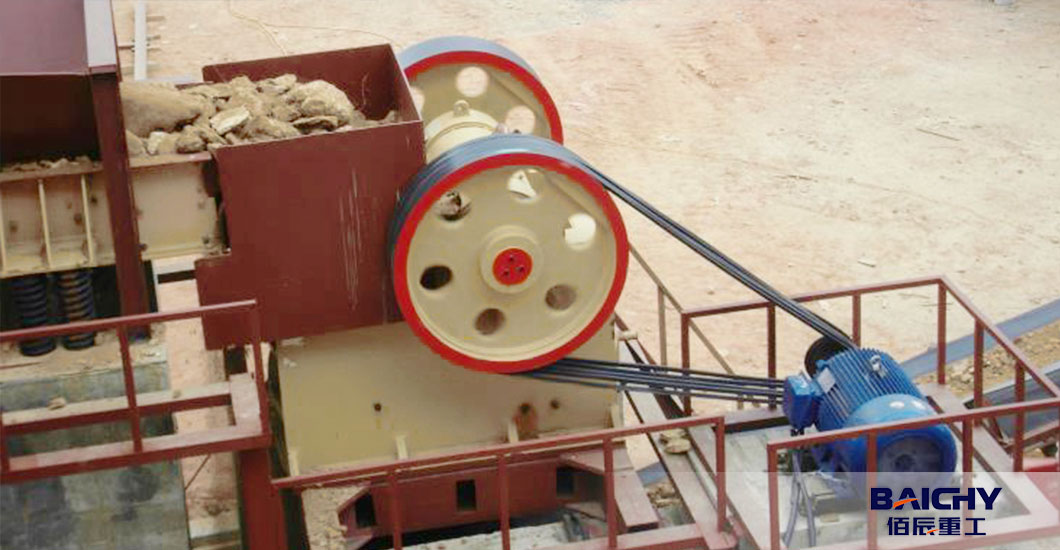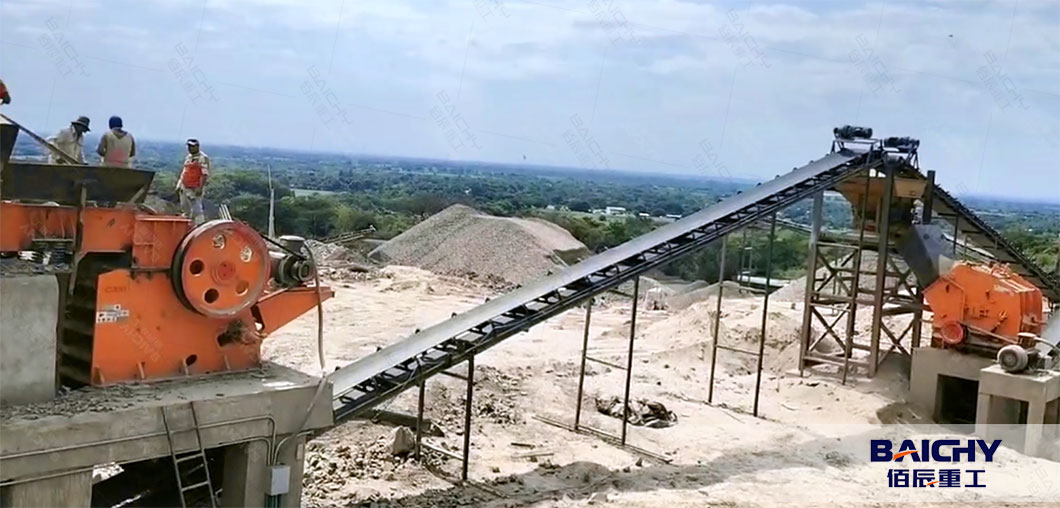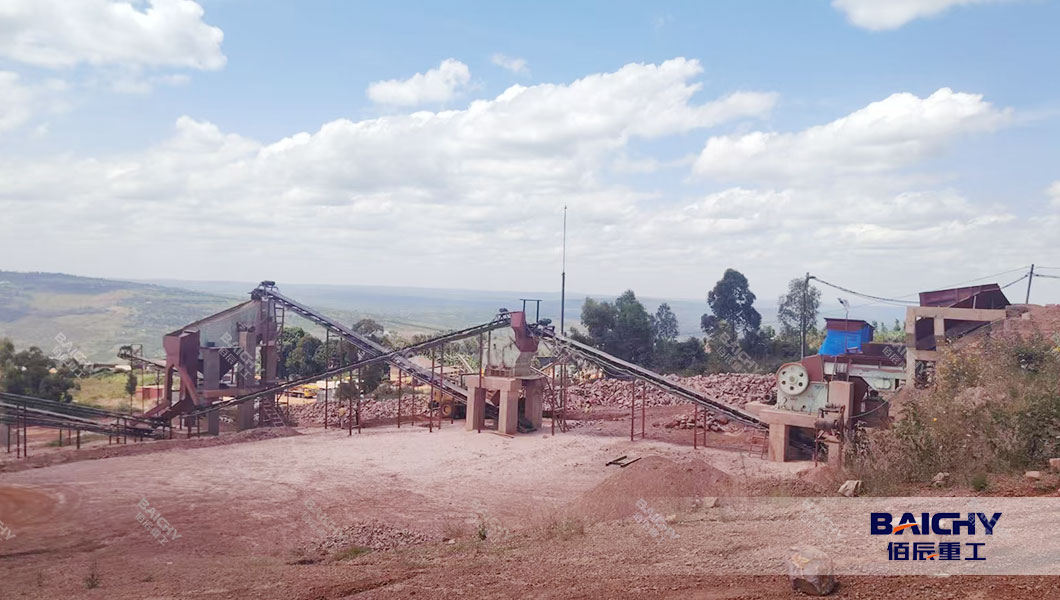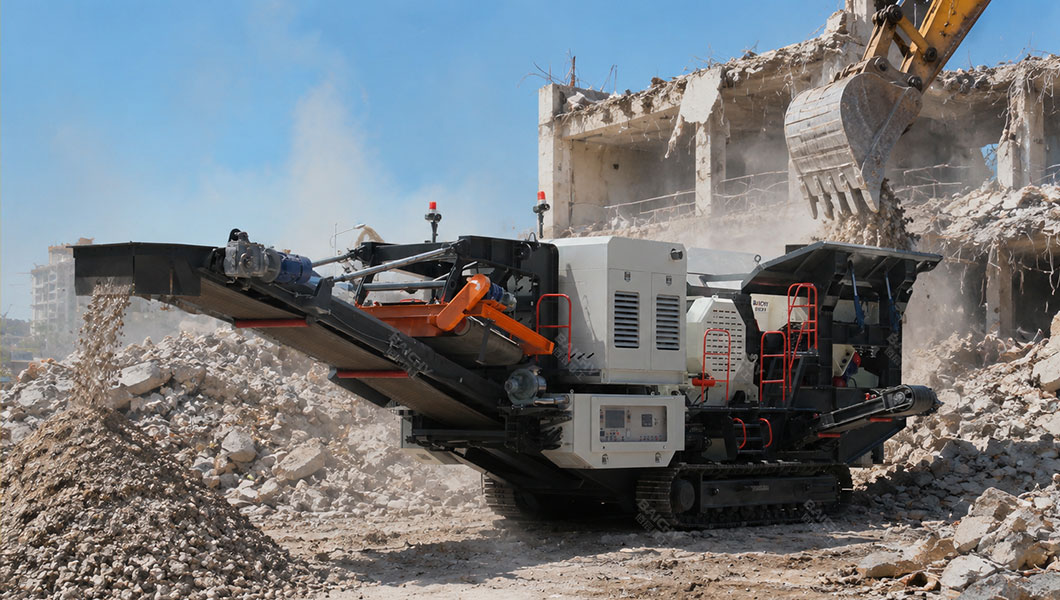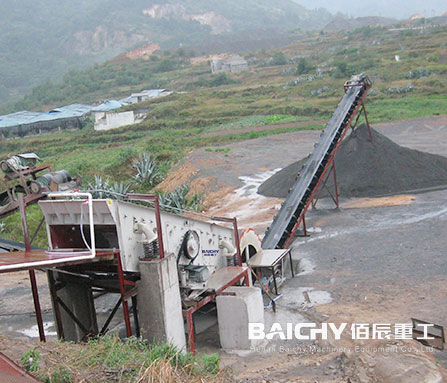
Jaw crusher is an essential primary crushing machine in stone crusher plant. When it runs efficiently, the production targets are easy to reach. When it struggles, the entire operation will slow down. How to keep jaw crusher good effciency and productivity all the time? Some small operational adjustments make a big difference. Maximizing performance requires three key elements: proper feeding, wear part management, and consistent maintenance. Follow these five tips to get the most from your jaw crusher.
Choke feeding is the key to improving efficiency. This means keeping the crushing cavity constantly filled with materials.The weight of the materials (referred to as head pressure) will steadily press the rocks down. This ensures uniform crushing and maximizes production capacity.It is essential to avoid trickle feeding. Trickle feeding leaves voids in the crushing cavity, increases the wear of the jaw plates, and significantly reduces output. A full cavity enables jaw crusher to operate at its best performance and minimizes unnecessary stress on components. Full feed is simple and effective, and is one of the easiest ways to increase the hourly processing capacity (TPH).

Stable feeding means stable output.
●Firstly, pre-screening should be carried out. Before the materials enter the crusher, fine powder (such as soil or sand) should be removed. Fine powder will occupy the valuable space in the crushing cavity, causing blockage and reducing the crushing efficiency.
●Secondly, avoid using overly large rocks. Do not use rocks larger than the feed opening size of the crusher. Overly large materials will cause bridging, block the machine and result in costly downtime.
●At the same time, adjust the vibrating feeder. It should provide stable and undisturbed feeding. Fluctuating feeding will overload the crusher, cause uneven wear and reduce productivity. Control the feed particle size and uniformity to achieve smooth and efficient operation.
Not all jaw plates are the same. The different shapes of the jaw plates have a reason. The available shapes include wavy, wide-toothed, and heavy-duty designs. Choose the appropriate shape based on your material. Hard and abrasive stones require heavy-duty liners. Soft materials are suitable for wavy-shaped liners. Rotate the jaw plates regularly. Regularly flipping the jaw plates can evenly distribute wear, thereby extending their lifespan and maintaining the correct crushing angle. Worn or mismatched liners will reduce efficiency, cause uneven particle size, and increase energy consumption.
Therefore, it is crucial to invest in suitable liners and use them regularly for rotation. This is a small measure but can bring significant benefits.
The closed side setting (CSS) is of crucial importance. It determines the granularity of the product. Find the "optimal point" that meets your requirements. Setting it too tight will reduce output, increase the load on the crusher and exacerbate wear. Setting it too wide will result in oversized particles, increase the load on the secondary crusher, and thereby raise the overall processing cost. Therefore, please adjust the CSS value carefully. Test different settings to balance the product granularity and TPH (tonnage per hour). Optimizing the CSS value can ensure the attainment of the appropriate output, reduce waste and improve downstream efficiency. Make sure to spend time fine-tuning this setting, as it is the key to maximizing productivity.
Preventive maintenance is better than expensive repairs.
●Start with lubrication. Regularly lubricate the bearings. This can reduce heat and friction. It can extend the bearing lifespan and prevent failures.
●Check the pull rods and elbow plates. Loosening can cause damage.
●Tighten the springs and bolts as needed.
●Conduct daily visual inspections.
●Use a simple checklist: check the wear of the liners.
●Check for oil leaks.
●Inspect the feed and discharge areas.
●Discover and resolve small issues before they become big problems.
The proactive maintenance plan can minimize downtime. It can make your crusher operate at maximum efficiency. Maintenance takes time, but it is worth the investment.
Maximizing the efficiency of the jaw crusher is not complicated. Master full feeding. Control the size and consistency of the feed. Choose the appropriate jaw plates and rotate them regularly. Optimize CSS. Follow the proactive maintenance plan. These small steps can significantly increase the hourly processing capacity (TPPH). They can reduce downtime and lower operating costs. Contact our experts for personalized jaw crusher advice. We will help you implement these techniques and find the appropriate parts for your jaw crusher.
Save Time! Get A Detailed Quotation Quickly.