A gold processing plant is a complex facility designed to extract precious gold from raw mined ore. Because gold is incredibly valuable, maximizing your gold recovery rate is the ultimate goal. This guide explains the complete workflow, from crushing hard rock to advanced eco-friendly smelting, helping you build a highly profitable mine.
Types of Gold Deposits: Hard Rock vs. Alluvial
Hard Rock Gold
Hard rock gold is tightly locked inside solid rock formations, like thick quartz veins. Extracting this precious metal requires a highly complex processing plant. The raw rock must undergo intense crushing, fine milling, and chemical leaching to fully liberate the hidden gold particles from the solid stone.
Alluvial Gold
Alluvial gold is found in loose riverbeds and sandy gravel. Nature has already broken down the hard rock over millions of years. Therefore, processing alluvial deposits is much simpler and cheaper. It typically only requires basic washing and gravity separation to catch the heavy, free-milling gold flakes.
Step-by-Step Gold Processing and Recovery Workflow
Step 1: Crushing and Milling
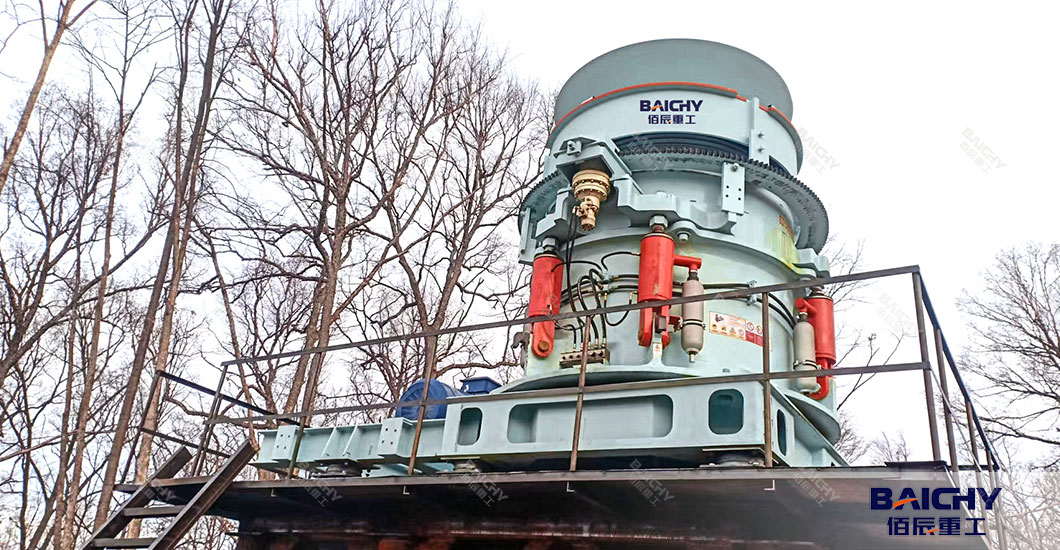
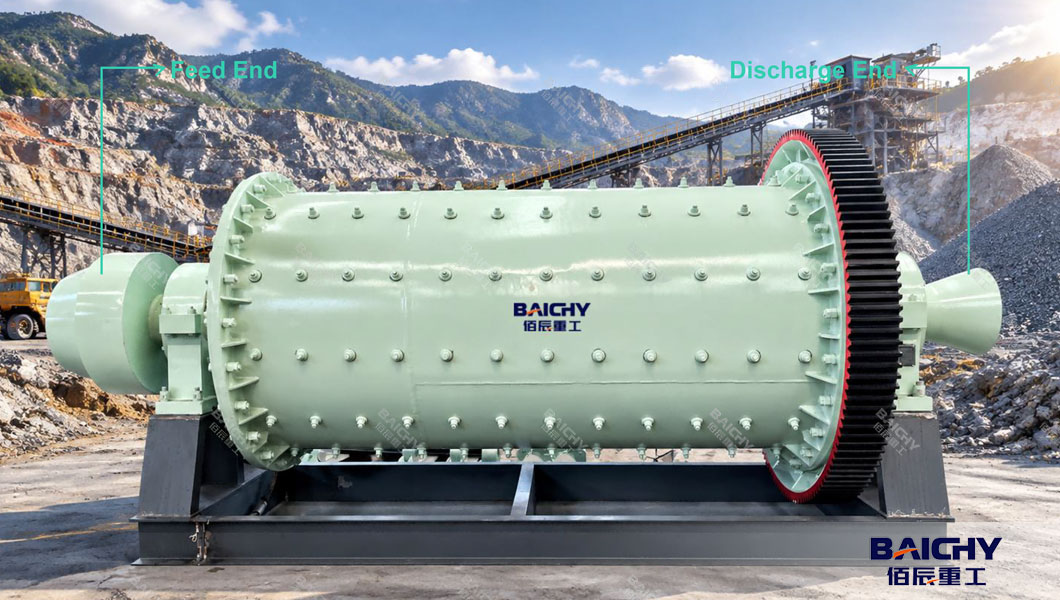
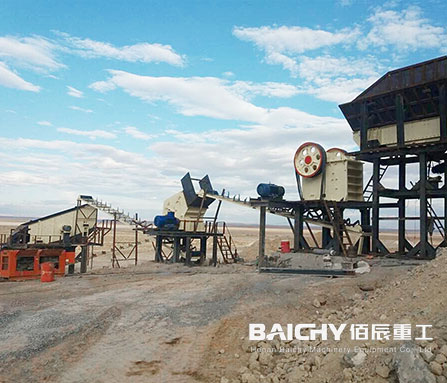
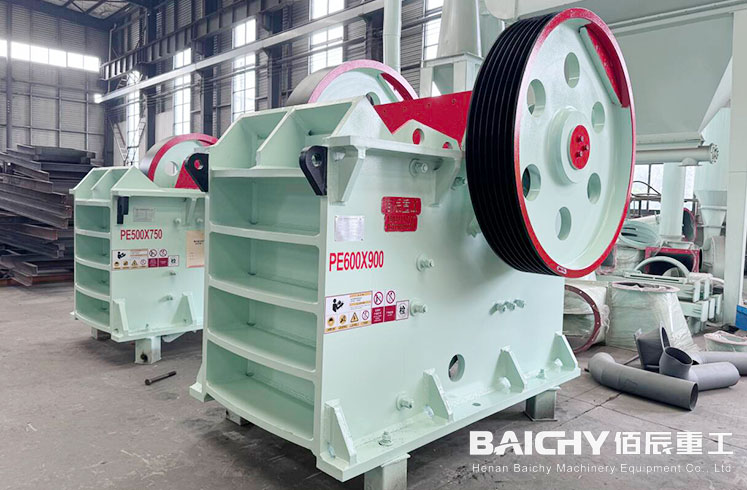
The first step is raw size reduction. Massive boulders are fed into heavy-duty jaw crusher and cone crushers. Once broken into small gravel, the material enters a powerful ball mill. The mill continuously grinds the hard stones into a fine, muddy powder, ensuring the trapped gold particles are completely liberated.
Step 2: Classification and Gravity Concentrating
Before adding any expensive chemicals, the milled slurry is classified by size. Because gold is extremely heavy, gravity concentrators easily catch large, free gold particles. Capturing this coarse gold early improves overall efficiency and heavily reduces the cost of downstream chemical processing.
Step 3: Thickening and Leaching
The remaining fine slurry is thickened to remove excess water. It is then pumped into massive leaching tanks. Here, specific chemical solvents are continuously added to the mix. These powerful chemicals safely dissolve the microscopic gold particles out of the solid ore and transform them into a liquid state.
Step 4: Adsorption, Elution, and Smelting
Activated carbon is added to the massive tanks to absorb the liquid gold exactly like a sponge. The gold-loaded carbon is then washed in a high-temperature elution process. Finally, the recovered gold undergoes electrolysis and is melted in a high-heat furnace, creating pure, shining gold bullion bars.
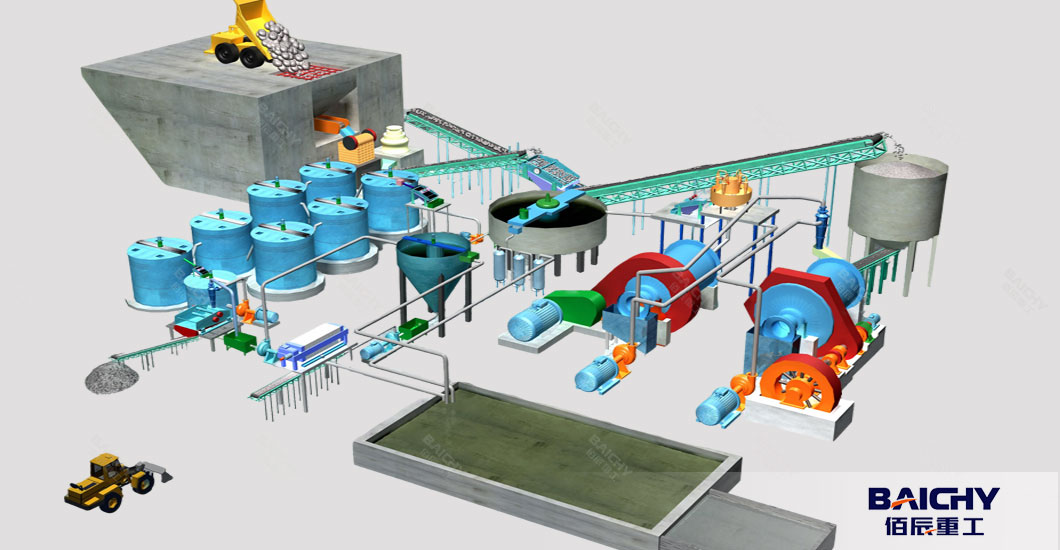
Gold CIP / CIL Processing Plant
Core Gold Beneficiation Methods
Gravity Separation
Gravity separation relies purely on the high density of gold. It is the cheapest and most eco-friendly method available today. By using simple water flow and vibration, heavy gold sinks while lighter rocks wash away. It is absolutely perfect for processing alluvial sand and catching coarse hard rock gold.
Flotation Separation
Flotation Process is heavily used for complex ores containing tough sulfides or base metals like copper and lead. Special chemicals make the gold-bearing minerals water-repellent. When air bubbles are pumped into the tank, the valuable minerals tightly attach to the bubbles and float to the surface for collection.
CIP/CIL Cyanidation Process
Carbon-in-Pulp (CIP) and Carbon-in-Leach (CIL) are the absolute industry standards for modern large-scale mining. They are incredibly efficient, often achieving recovery rates well above 90%. These gold CIP / CIL methods dissolve microscopic gold particles and absorb them onto carbon, ensuring no valuable metal is lost.
Essential Gold Mining Equipment
Crushing & Grinding Equipment
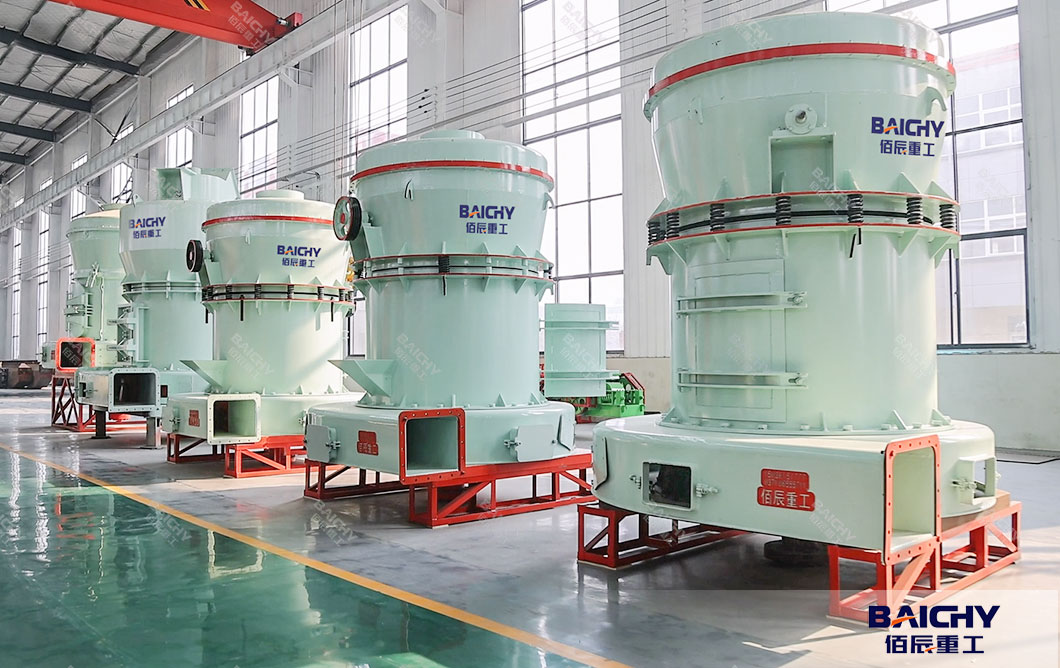
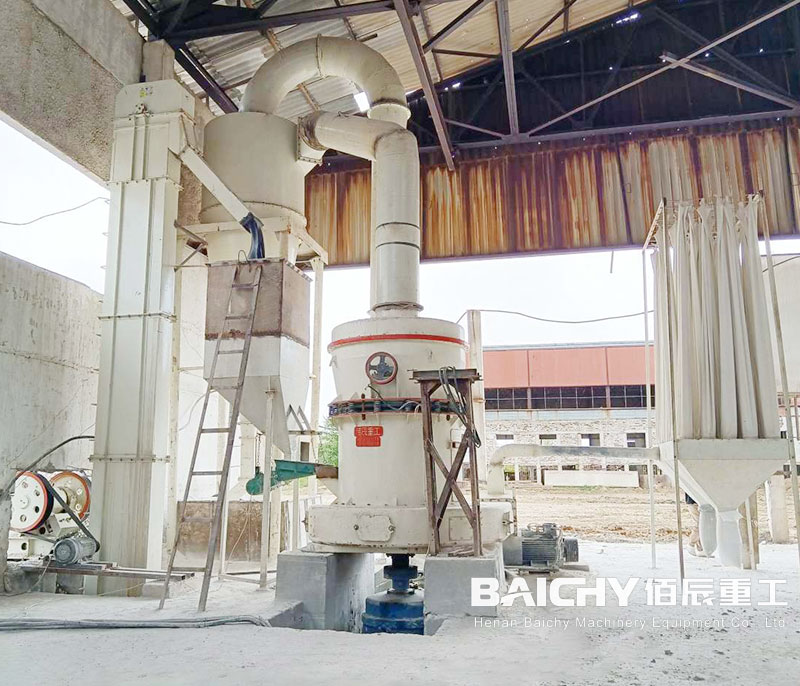
Heavy-duty machinery is the backbone of any processing plant. Primary jaw crushers handle the initial breakdown of massive boulders. Secondary cone crushers reduce the rock further. Finally, powerful ball mills continuously grind the crushed gravel into a fine, workable powder ready for chemical extraction.
Gravity & Separation Equipment
To catch free gold, plants rely on highly precise separation tools. Hydrocyclones classify the slurry by particle size. Centrifugal concentrators spin at high speeds to trap heavy gold. Shaking tables and jigs use targeted vibration and water flow to perfectly separate the shining gold from useless dirt.
Leaching & Smelting Equipment
The chemical recovery stage requires specialized tanks and thermal tools. Large agitation leaching tanks keep the slurry perfectly mixed with chemical solvents. Carbon screens carefully separate the gold-loaded carbon. Finally, high-temperature smelting furnaces melt the extracted metal into solid gold bars.
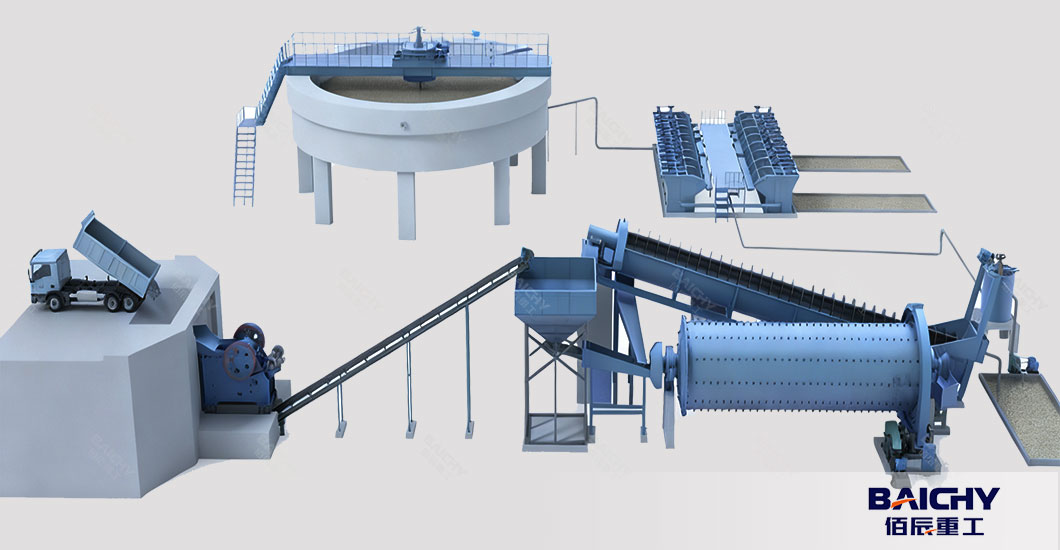
Gold Flotation Processing Plant
Choosing the Right Plant Scale: From Small to Large
Small Scale & Modular Processing Plants
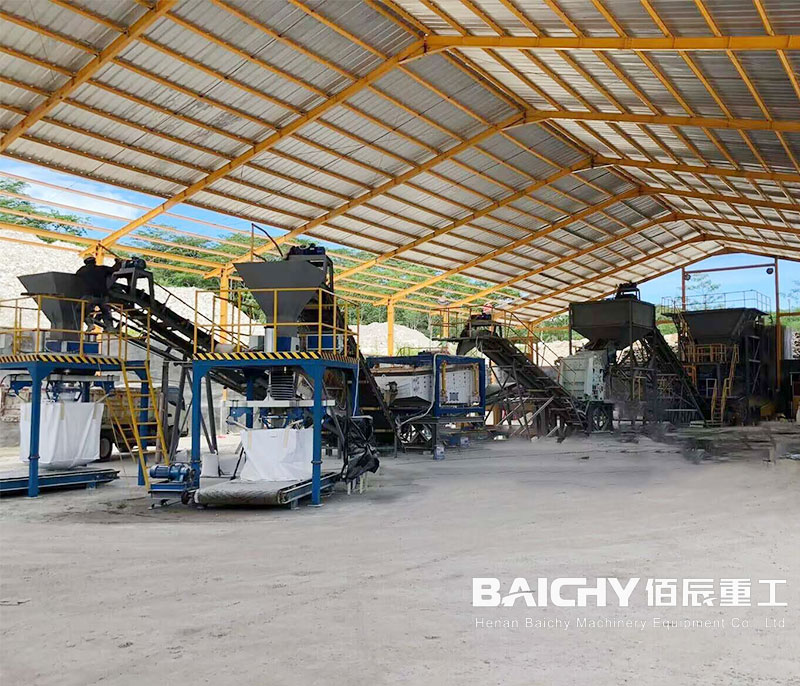
Small-scale plants typically process between 1 to 20 tons per hour. They feature a smart, modular, skid-mounted design. This plug-and-play setup requires minimal concrete foundations, making it highly affordable. It is the absolute best equipment choice for startup mining companies and remote locations.
Large Scale Industrial Plants
Industrial plants handle anywhere from 100 to over 5,000 tons per day. These massive facilities are highly automated and feature bespoke engineering solutions. While the initial investment is enormous, they deliver the absolute highest recovery rates for commercial mines with a long-term operational lifespan.
Eco-Friendly Innovations: Mercury-Free Processing
Modern mining faces immense global environmental pressure. Traditional methods used toxic mercury and harsh cyanides, damaging local ecosystems. Today, innovative processing plants utilize mercury-free reagents and advanced centrifugal gravity technology to safely extract gold while protecting the environment.
How Much Does a Gold Processing Plant Cost?
Processing plant costs vary wildly based on your desired capacity, ore hardness, and chosen extraction methods. A small gravity plant might cost a few hundred thousand dollars, while a massive CIP facility costs tens of millions. Always conduct professional metallurgical testing first to fully understand your ore. This crucial step prevents you from buying the wrong equipment and wasting massive amounts of capital. Proper testing ensures your plant is perfectly optimized for maximum profit..
Building a highly profitable gold processing plant requires a deep understanding of your specific ore and a flawlessly designed equipment layout. Are you ready to maximize your gold recovery rate and significantly boost your mining profits? Contact our expert engineering team at Baichy Machinery today! We offer customized metallurgical testing, professional 3D plant design, and comprehensive equipment quotes. Let us help you turn raw stone into shining gold with the most reliable machinery.
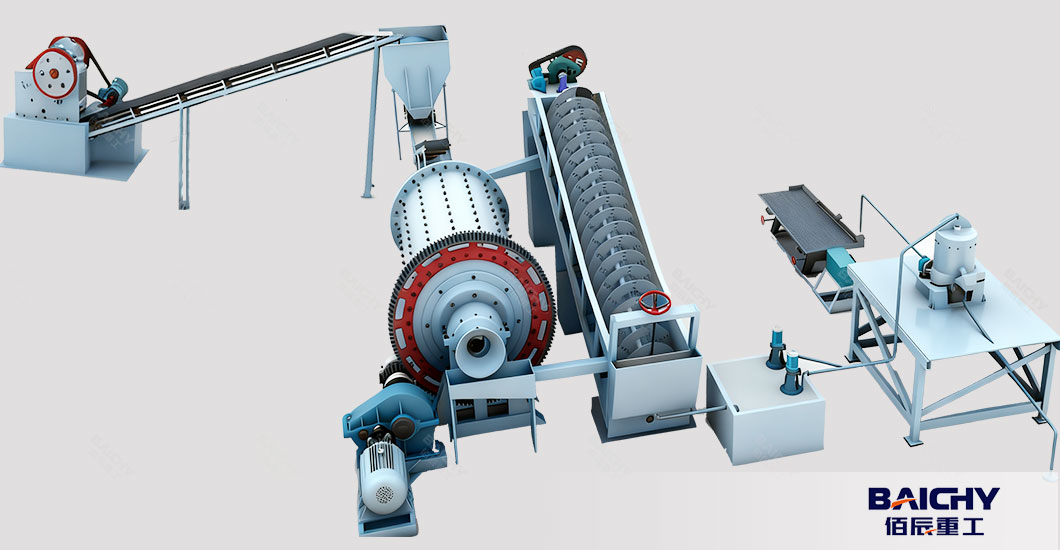
Gold Gravity Processing Plant
Frequently Asked Questions (FAQ)
Q1: How much gold do I need in my rock to make a processing plant profitable?
A: This is known as the "ore grade," usually measured in grams per ton (g/t). For open-pit hard rock mines, an ore grade as low as 1 to 2 g/t can be highly profitable if you have a large-scale processing plant. For underground mines, where extraction costs are higher, you typically need 5 to 8 g/t. However, profitability also depends heavily on the current price of gold and how easily the gold can be separated from your specific rock.
Q2: What is the difference between a CIP and CIL gold processing plant?
A: Both processes use activated carbon to absorb dissolved gold, but they do it at different stages. In CIP (Carbon-in-Pulp), the gold is first dissolved by chemicals in one set of tanks, and then carbon is added in a separate set of tanks to absorb it. In CIL (Carbon-in-Leach), the dissolving and the absorbing happen in the exact same tank at the same time. CIL is generally faster, requires fewer tanks, and is better for ores that naturally contain carbon (which might otherwise steal the gold before you can catch it).
Q3: Can I process gold without using toxic chemicals like mercury or cyanide?
A: Yes, absolutely. You can use Gravity Separation. Because gold is much heavier than ordinary rock and sand, you can use water and vibration (via shaking tables, jigs, and centrifugal concentrators) to catch the gold naturally. This method is 100% chemical-free and environmentally safe. While it works perfectly for coarse, free-milling gold (like alluvial deposits), it may not be able to recover microscopic gold trapped inside complex hard rocks.




 2026-09-18






 86-15093113821
 86-15093113821