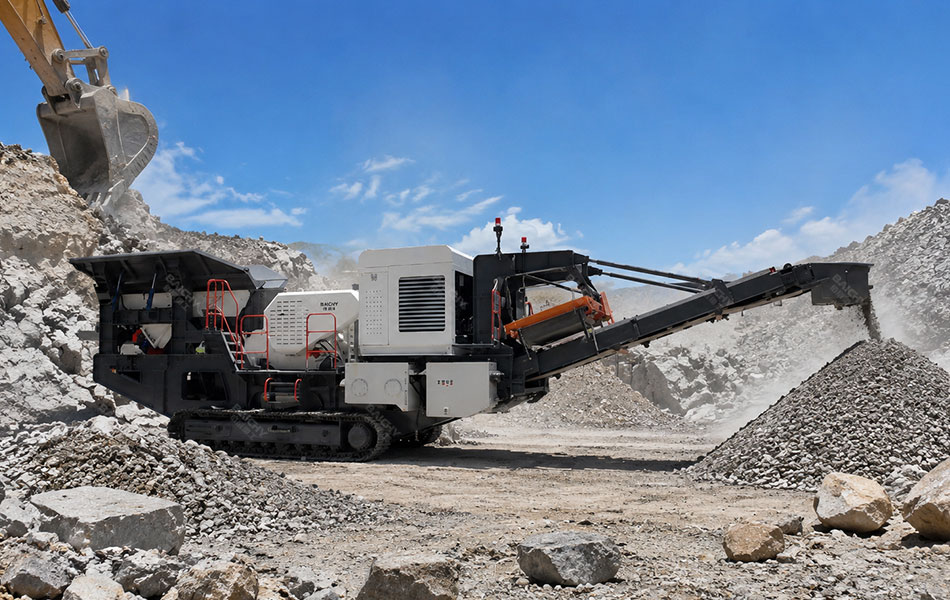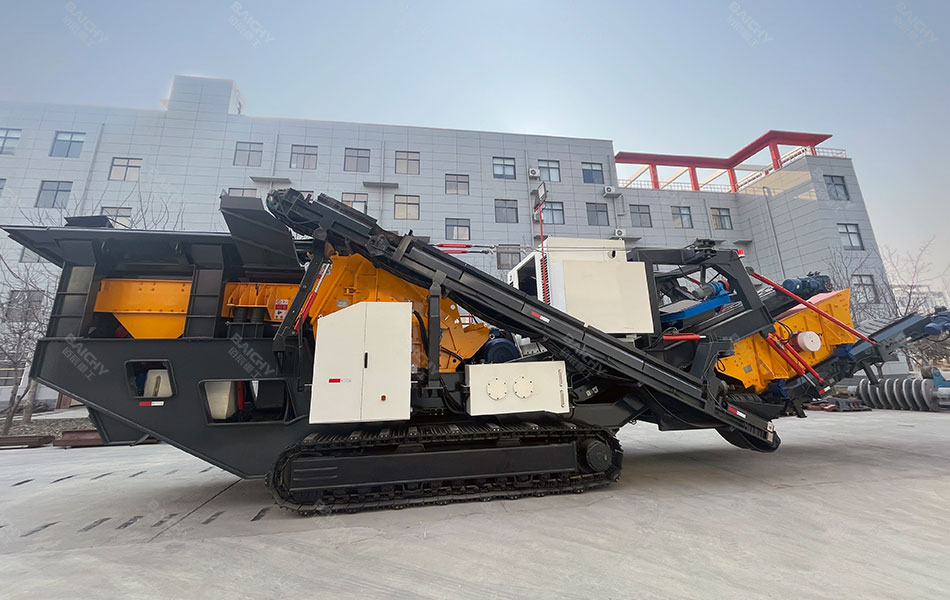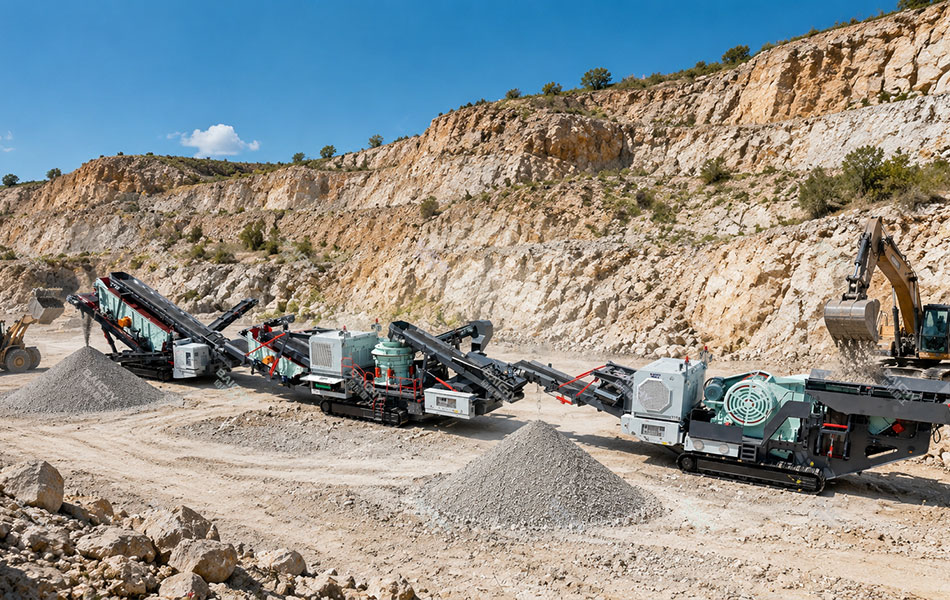
A gold gravity processing plant uses differences in mineral density to separate gold from lighter gangue minerals. It is commonly used for placer gold deposits and hard-rock ores containing recoverable free gold. Unlike chemical extraction methods, gravity separation relies mainly on physical separation. It can reduce reagent consumption and operating costs when the ore contains gold particles that can be liberated and recovered by gravity.
However, gravity separation is not equally effective for every gold deposit. Gold particle size, mineral liberation, clay content, and the presence of sulfide minerals all affect the final recovery. A suitable plant should therefore be designed around the ore characteristics and processing test results rather than a standard equipment list.

After suitable preparation, the material enters gravity separation equipment. The choice depends on particle size, gold distribution, feed characteristics, and the required concentrate grade.
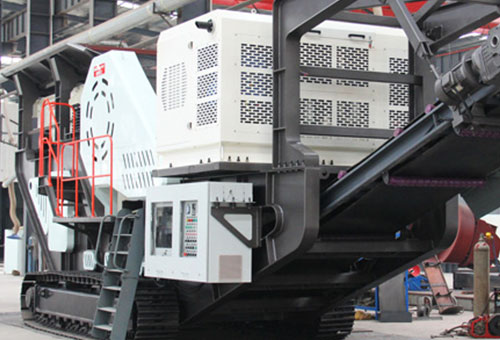
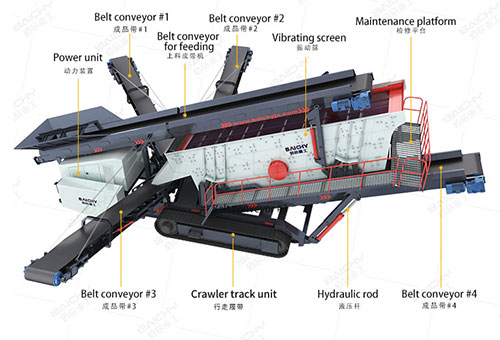
● Crushing: Jaw crushers (primary) and cone crushers (secondary) reduce large ore chunks (500–800mm) to small particles (20–30mm).
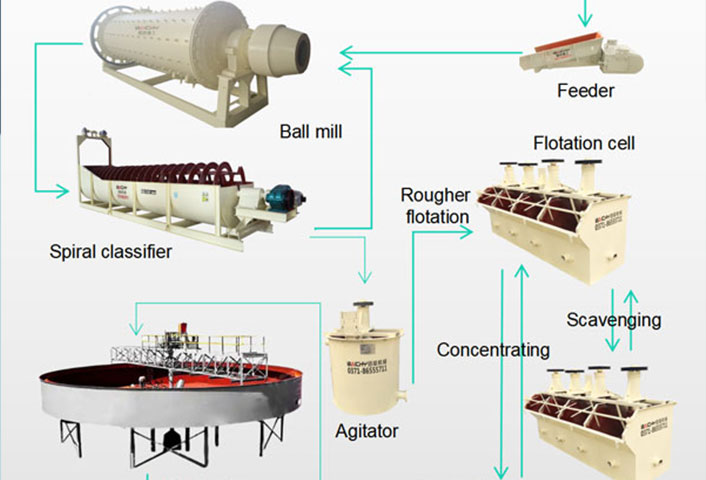
● Grinding: Ball mills or rod mills grind the crushed ore into a fine pulp (200–325 mesh). This step is critical—gold particles must be fully dissociated from gangue to ensure effective separation.

The ground pulp is fed into gravity separation equipment. Here, gold (heavier) is concentrated, while gangue (lighter) is discarded as tailings.These machines serve different purposes and should not be treated as interchangeable.
● Jigs: Suitable for recovering relatively coarse, liberated gold from appropriately sized feed.
● Shaking tables: Commonly used for cleaning and upgrading gravity concentrates, with performance depending on particle size and operating conditions.
● Centrifugal concentrators: Apply enhanced centrifugal forces to recover some fine free-gold particles that may be difficult to capture using conventional gravity equipment.
● Spiral chutes:May be used for suitable granular feeds, particularly in placer mineral processing.

The primary gravity concentrate may contain gold together with other heavy minerals, such as magnetite or sulfide minerals. Additional concentration or cleaning can improve concentrate quality.
The final treatment depends on the concentrate's composition and the intended product. Some concentrates may be suitable for direct smelting by a qualified facility, while others require further processing. If gravity separation does not recover enough of the gold, additional methods may be evaluated after metallurgical testing.
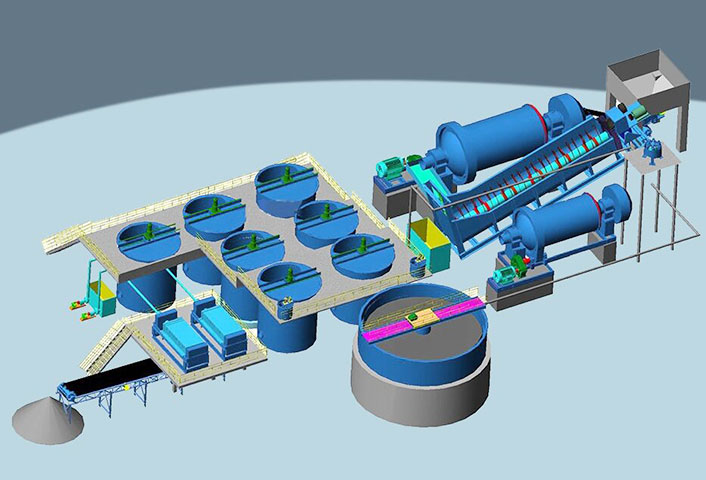
Gravity processing plants often use water for washing, classification, and separation. A water recycling system can reduce freshwater demand by recovering and reusing process water.
Tailings management should consider residual gold, particle size, water content, local environmental requirements, and site conditions. Depending on the project, tailings may require thickening, dewatering, or an engineered storage solution.
| Equipment Type | Function | Advantages |
|---|---|---|
| Jaw/Cone Crushers | Primary/secondary crushing of ore | Durable; handles hard rock; low energy consumption. |
| Ball Mills | Fine grinding of crushed ore | Uniform particle size; effective gold dissociation. |
| Shaking Tables | Gravity concentration & cleaning | High separation accuracy; suitable for medium-fine gold. |
| Spiral Chutes | Rough concentration of placer gold/rock gold | Rough concentration of placer gold/rock gold |
| Centrifugal Concentrators | Recovery of fine-grained gold | Captures 1–5 μm gold; high enrichment ratio. |
| Jigs | Concentration of coarse gold particles | Simple structure; low maintenance; ideal for placer mines. |
| Water Recycling Systems | Reuse water from tailings | Reduces water consumption; eco-friendly. |
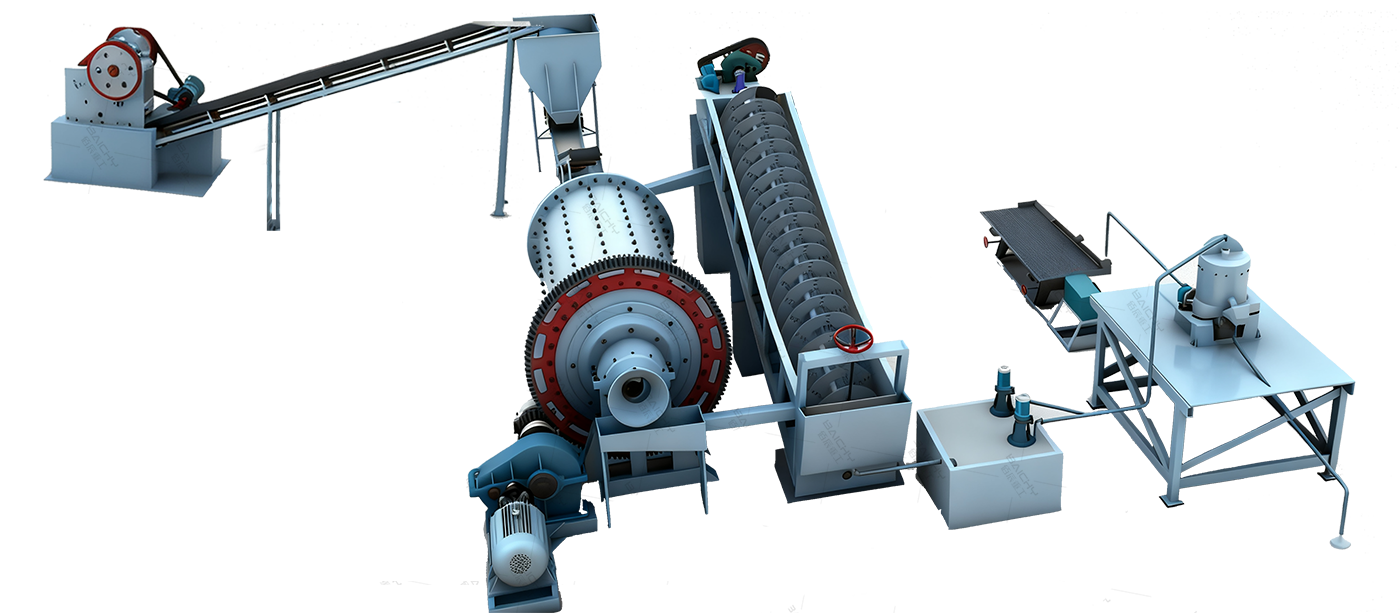
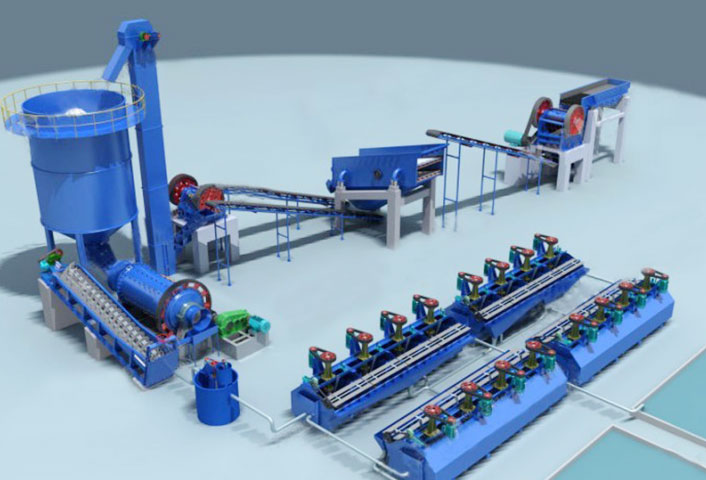
Consider a proposed 5 TPH hard-rock gold gravity processing plant. This is an illustrative design scenario, not a report of an installed project.A preliminary flowsheet could include:
1. A stone crusher to reduce run-of-mine ore.
2. A ball mill and classifier if grinding is necessary to liberate the gold.
3. A centrifugal concentrator for suitable free-gold particles.
4. A shaking table for concentrate cleaning.
5. A water recovery system sized to the process requirements.
The actual equipment models and quantities would depend on the ore test results, required operating hours, feed characteristics, and site layout.
For a placer gold operation, the configuration could instead emphasize a hopper, washing screen, clay removal, and gravity concentration equipment. A conventional ball mill may be unnecessary if the gold is already liberated. Before finalizing either design, representative ore samples should be tested to determine the appropriate flowsheet and establish realistic recovery expectations.
1. What equipment is needed for a gold gravity processing plant?
Common equipment includes crushers, screens, jigs, centrifugal concentrators, and shaking tables. Hard-rock ore may also require a ball mill and classifier, while placer deposits may need washing and clay removal equipment. The final combination depends on the ore.
2. Can gravity separation recover fine gold?
Yes, certain gravity separation machines can recover fine liberated gold. However, recovery becomes more challenging as particle size decreases, and performance depends on particle shape, mineral composition, feed conditions, and equipment design. Test work is necessary to establish realistic expectations.
3. Does every gold gravity processing plant need a ball mill?
No. A ball mill is generally considered when hard-rock ore needs grinding to liberate gold. Placer deposits containing already liberated gold may be processed through washing, screening, and gravity concentration without conventional grinding.
4. How much does a gold gravity processing plant cost?
The cost depends on processing capacity, ore characteristics, equipment selection, automation, water treatment, installation, and site infrastructure. A reliable estimate requires a defined feed rate, preliminary flowsheet, and project requirements.
86-15093113821
86-15093113821

Thank you for your interest in Baichy Machinery. If you want to know more about our crushers and industrial grinding equipment.
Contact us now to find out what we can do for you!
Save Time! Get A Detailed Quotation Quickly.