Screening is one of the most critical operations in any mineral processing plant. The efficiency of this stage directly affects downstream processes and final product quality. Among the various screening equipment options available, the YK series circular vibrating screen has earned a strong reputation in the mining industry for its reliability, capacity, and durable construction. This guide provides a comprehensive overview of the YK series 3 deck vibrating screen.
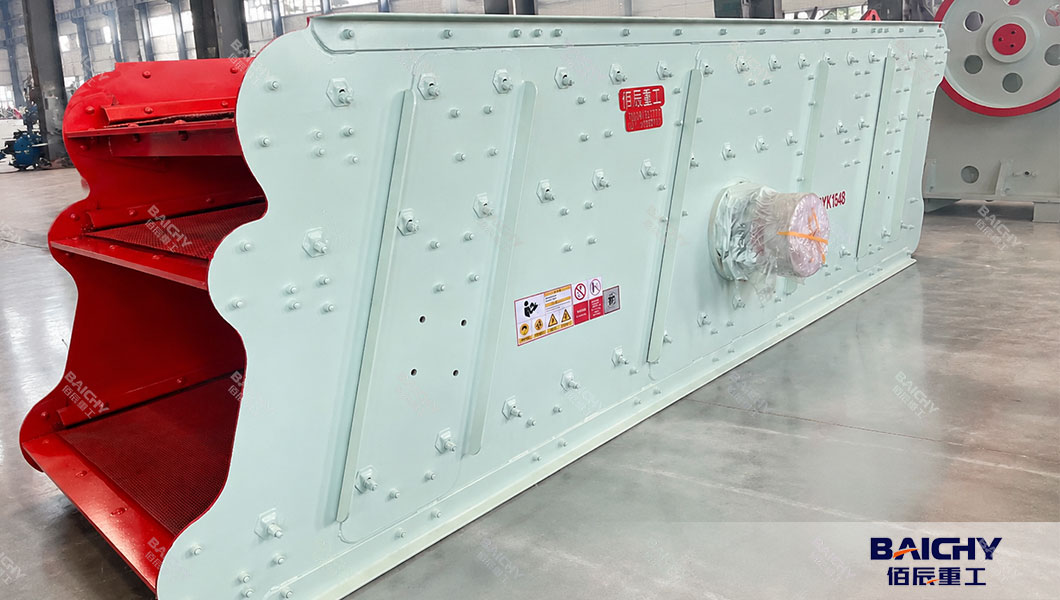
What Is the YK Series 3 Deck Vibrating Screen?
The YK series vibrating screen is a circular motion screening machine designed for heavy-duty applications. It is commonly referred to as a circular vibrating screen because its screen box moves in a circular trajectory driven by an eccentric shaft vibrator . This design enables efficient material stratification and separation.
YK series screens are available in single, double, triple, and even four-deck configurations. A 3 deck vibrating screen features three stacked screening surfaces within a single unit. This allows the machine to produce four distinct size fractions simultaneously—oversize material from each deck plus the undersize passing through the bottom deck.
These screens are widely used in mining, quarrying, coal preparation, building materials, metallurgy, and chemical industries for classifying materials such as limestone, granite, iron ore, copper ore, aggregates, and sand .
How the YK Series Vibrating Screen Works
The YK series operates on a circular motion trajectory. An eccentric shaft and external eccentric blocks generate a powerful vibration that moves the material in a circular path across the screen mesh.
1. Vibration Generation: An electric motor drives the vibrator via a triangular belt. The eccentric blocks within the vibrator rotate at high speed, generating strong centrifugal force .
2. Circular Motion: This centrifugal force causes the screen box to vibrate in a circular motion with adjustable amplitude .
3. Material Movement: Material fed onto the inclined screen surface is continuously thrown upward and forward by the vibration impulse. The angle of inclination is typically around 20 degrees .
4. Stratification and Separation: As material travels along the screen deck, the vibration causes finer particles to work their way through the layer of coarse material to reach the screen surface. Particles smaller than the mesh openings fall through, while larger particles continue to the discharge end.
The vibration amplitude, frequency, and incline angle work together to determine material travel speed and screening efficiency. YK screens typically operate at frequencies of 800–970 rpm with double amplitudes of 6–9 mm .
Core Advantages of 3 Deck YK Vibrating Screens
1. Multi-Deck Output: The 3-deck design produces four fractions (e.g., 0-5mm, 5-10mm, 10-20mm, and +20mm), optimizing the workflow for construction aggregates.
2. Adjustable Amplitude: By changing the weight of the eccentric blocks, users can adjust the vibration amplitude to suit different material types—from soft limestone to abrasive granite.
3. High Screening Efficiency: The long flow line and multiple decks ensure that material stays on the screen long enough for thorough separation without clogging.
4. Robust Construction: Built with high-quality steel and a bolt-connected modular frame, the YK series reduces internal stress and prevents cracking under heavy loads.
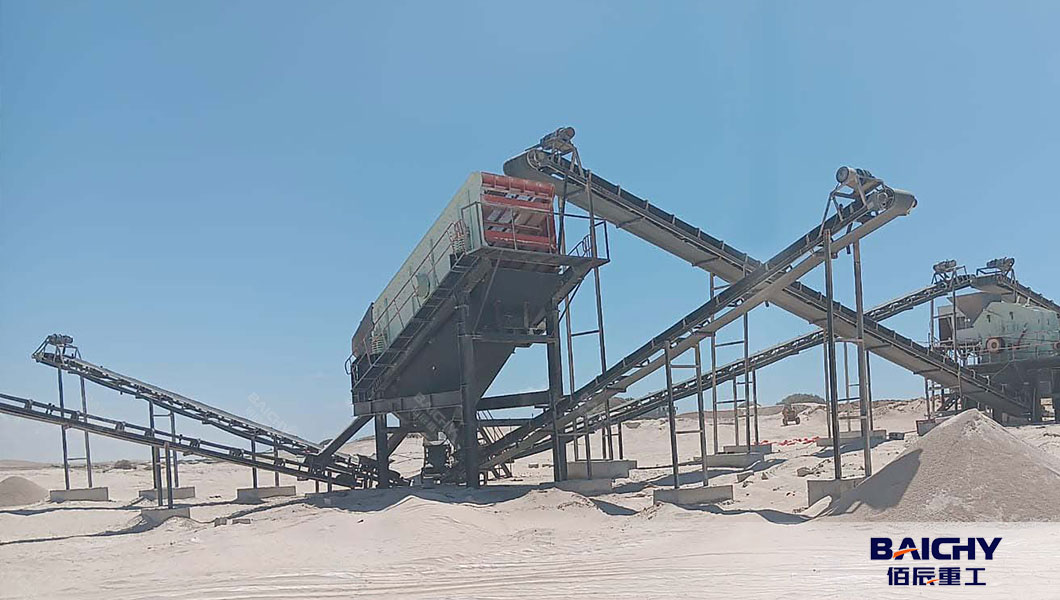
Why the "3 Deck" Configuration is the Gold Standard for Quarries
Choosing a 3-deck vibrating screen offers a strategic advantage in terms of ROI (Return on Investment):
● Space Optimization: Instead of installing two separate screening units, one YK 3-deck screen occupies a smaller footprint while providing comprehensive grading.
● Versatility: You can easily swap out the mesh on any deck to respond to changing market demands for specific aggregate sizes (e.g., shifting from road base material to specialized concrete sand).
● Cost Efficiency: One motor, one drive system, and one maintenance schedule for four product outputs significantly lower the operational cost per ton.
Baichy Machinery: Your Partner in Precision Screening
At Baichy Machinery, our YK series vibrating screens are engineered for the toughest environments. Whether you are processing basalt in Indonesia or limestone in Kenya, our screens are designed with:
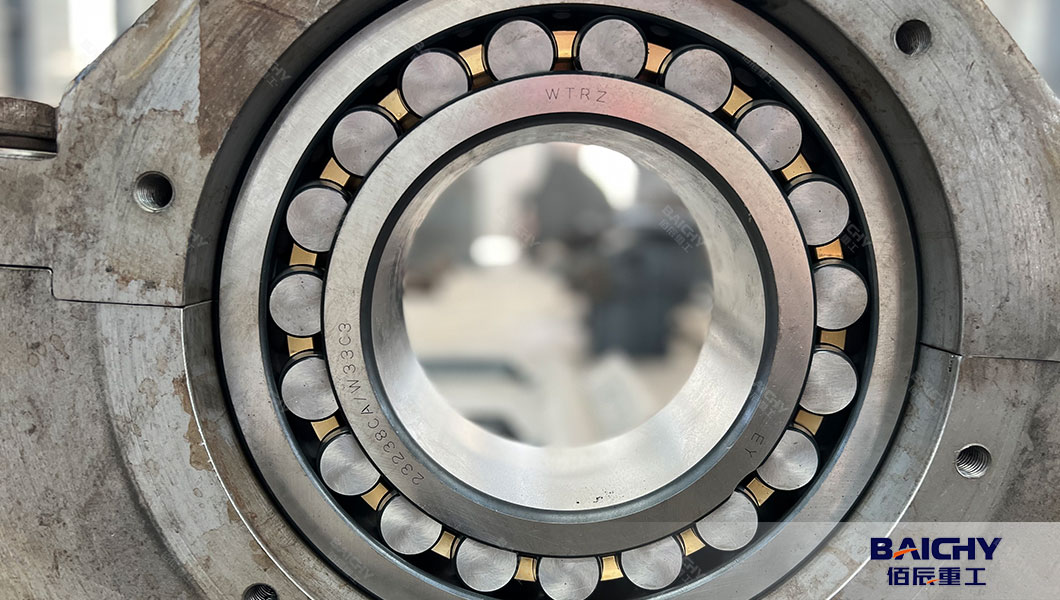
● Heavy-duty SKF or equivalent bearings for long-term reliability.
● N-Type eccentric vibrators for stable performance.
● Customizable discharge chutes to fit your existing conveyor layout.
Maximize your plant's output today. Contact Baichy technical experts for a customized screening solution and a competitive quote on the YK Series 3 Deck Vibrating Screen.
FAQ About Vibrating Sceen Machine
Q: What is the difference between YK (Circular) and ZK (Linear) vibrating screens?
A: YK series screens use circular motion and are primarily used for heavy-duty, large-scale screening of raw materials in quarries and mines. ZK series (linear) screens are typically used for dewatering, desliming, or fine grading of smaller particles.
Q: How do I choose the right screen mesh for a 3-deck vibrating screen?
A: The choice depends on the material's moisture and abrasiveness. For hard rock like basalt, high-manganese steel or polyurethane (PU) mesh is recommended. PU mesh is particularly effective at reducing noise and preventing "blinding" (plugging) of the holes.
Q: What maintenance is required for a YK Series screen?
A: Regular maintenance includes checking the bearing temperature, ensuring the tension of the V-belts, and inspecting the screen mesh for wear. It is critical to keep the eccentric shaft lubricated to prevent overheating during 24/7 operation.




 2026-10-22





 86-15093113821
 86-15093113821