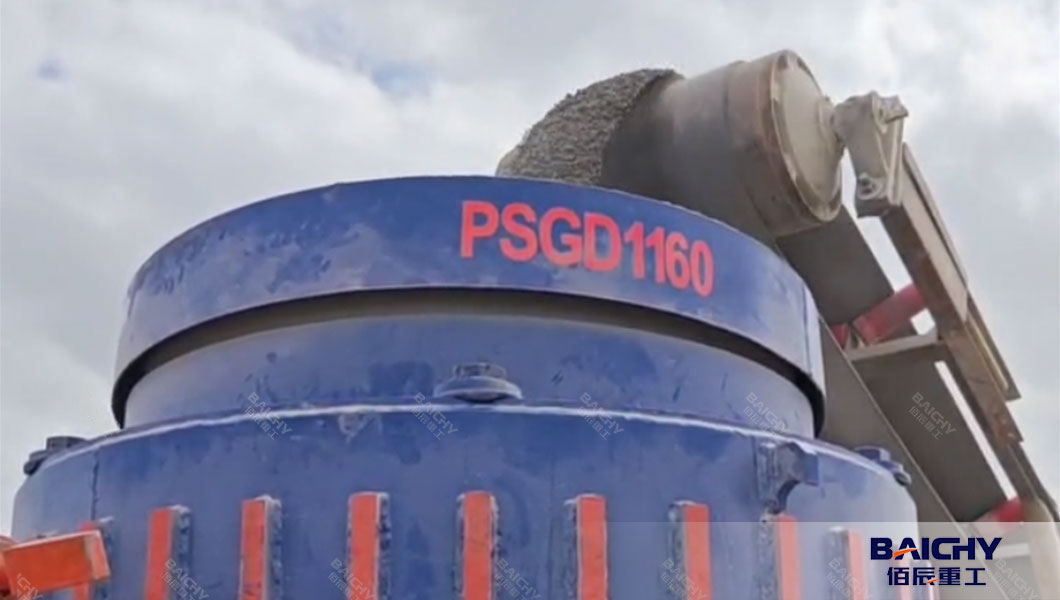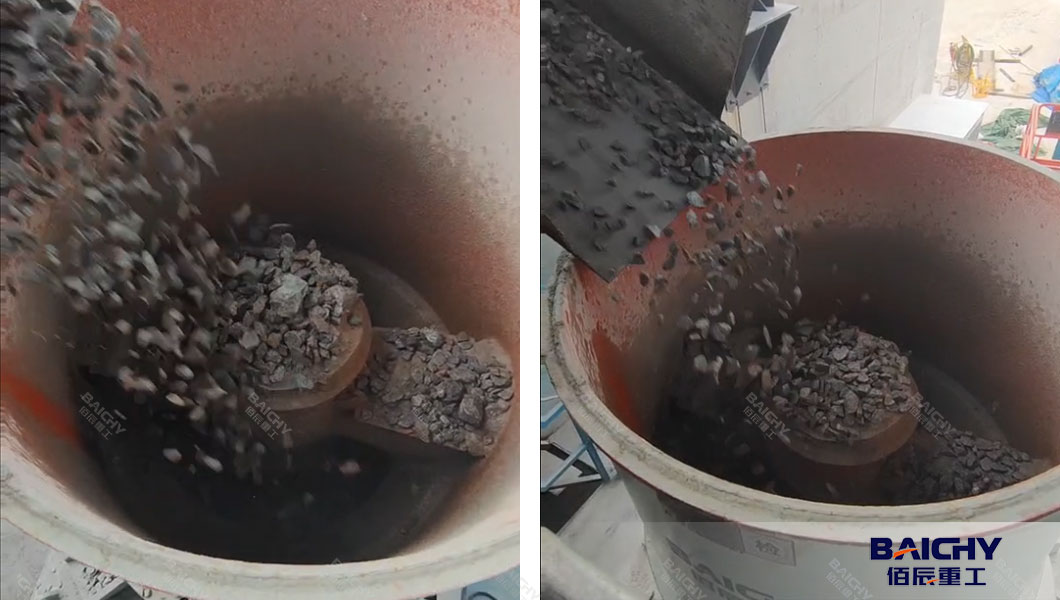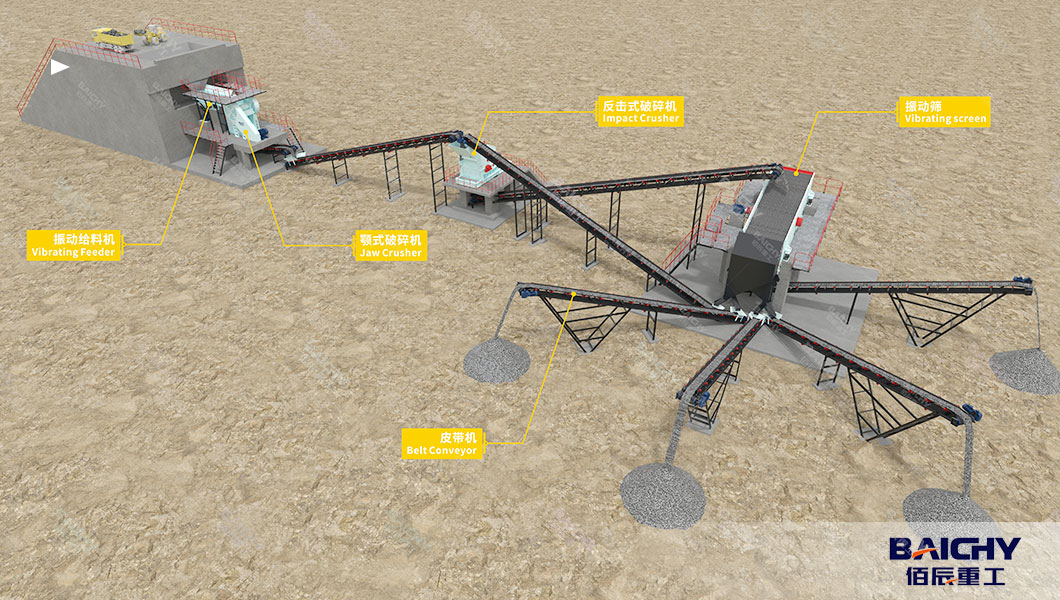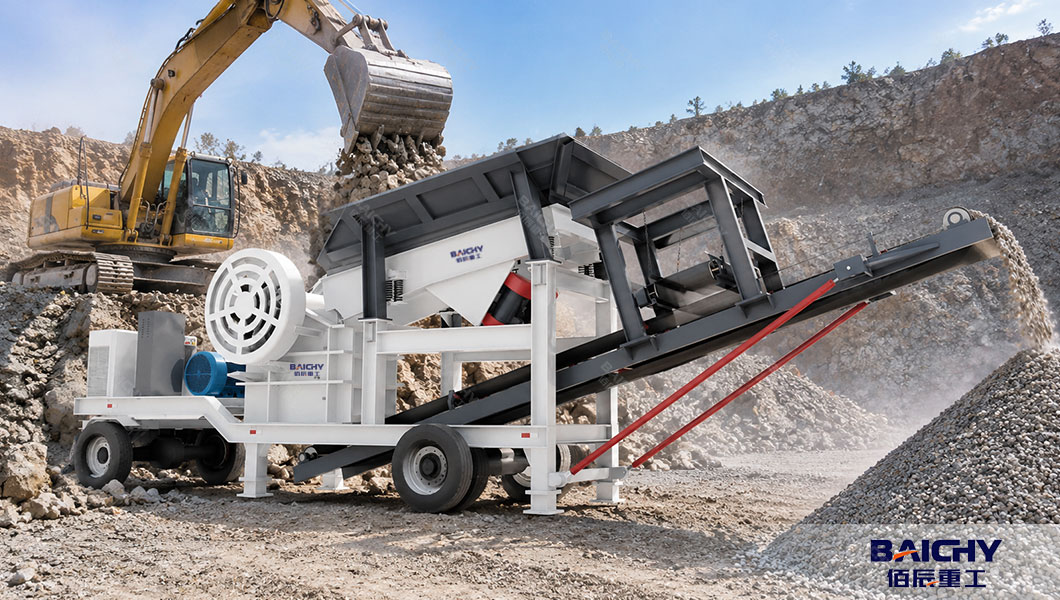
Among the factors influencing cone crusher performance, the feeding method is one of the most overlooked—yet it directly impacts throughput, product quality, and operating costs. Choke feeding means operating with a completely full crushing chamber, with material continuously present above the feed opening. This contrasts with trickle feeding, where the crusher receives insufficient material and runs partially empty. This guide explains the principles of choke feeding, its proven benefits, consequences of improper feeding, and practical steps to achieve optimal conditions.

A cone crusher is choke fed when the crushing chamber remains completely full at all times. Within the chamber exists the choke zone—the region where the gap between mantle and concave is narrowest and material packing is most dense. This zone is a deliberate design feature where inter-particle crushing is most effective.
| Feeding Method | Chamber Condition | Operational Result |
| Choke Feeding | Chamber full; material above feed opening | Optimal crushing, even wear, stable power |
| Trickle Feeding | Chamber partially empty | Reduced efficiency, uneven wear, unstable operation |
1. Extended Liner Life Through Even Wear
Choke feeding distributes material evenly across the crushing chamber, ensuring uniform liner wear. Insufficient feeding causes localized grooving, forcing premature liner replacement. Proper feeding maximizes liner life and reduces downtime.
2. Improved Product Quality and Consistency
A full chamber promotes inter-particle crushing—rocks fracturing against each other within the packed bed. This produces more consistent product size with better cubical shape. The dense bed also prevents oversized particles from escaping before being properly broken.
3. Stable Power Draw and Smoother Operation
A consistently full chamber stabilizes power draw and reduces mechanical stress on main shaft, bearings, and drive system. Trickle feeding causes damaging power fluctuations and shock loads, accelerating component wear and increasing failure risk.
● Reduced Throughput: Trickle feeding prevents the crusher from operating at design capacity, resulting in lower production and higher specific energy consumption per ton.
● Accelerated Liner Wear: Uneven material distribution causes localized wear and grooving, requiring liner replacement long before full manganese thickness is consumed.
● Unstable Product Gradation: Without a dense material bed, the crusher relies more on metal liners, producing coarser, less uniform product that negatively impacts downstream processes.
Ensure Continuous, Uniform Feed
Use a reliable feeder (vibrating grizzly, apron, or belt feeder) to deliver consistent material flow. Match feed rate to crusher capacity to maintain a full chamber.
Monitor Feed Level with Automation
Install ultrasonic or radar level sensors above the chamber. Integrate with control systems to automatically adjust feed rate and maintain optimal material height.
Prevent Material Segregation
Deliver well-mixed feed to prevent coarse and fine particles from separating. Use feeders that promote uniform spread across the feed opening.
Train Operators
Educate personnel to recognize choke feed conditions, identify signs of trickle feeding, and respond quickly to deviations. Human expertise combined with automation ensures reliable choke feeding.

Choke feeding is foundational for optimal cone crusher performance. Benefits include extended liner life, improved product quality, and stable operation. Avoiding trickle feeding reduces costs and maximizes productivity. Invest in proper feeding equipment, leverage automation, and train your team to realize the full potential of your cone crusher.
Q1: What does choke feeding a cone crusher mean?
Operating with a completely full crushing chamber, maintaining a packed material bed at all times.
Q2: Why is choke feeding important?
It ensures even liner wear, maximizes inter-particle crushing, and maintains stable power draw.
Q3: What happens without choke feeding?
Reduced throughput, uneven liner wear, power fluctuations, and inconsistent product gradation.
Q4: How do I achieve choke feeding?
Use a reliable feeder and feed level sensors with automated controls to maintain proper material height.
Save Time! Get A Detailed Quotation Quickly.