Crusher bearings support rotating shafts and help crushing equipment operate smoothly under heavy loads. In jaw crushers, impact crushers, and cone crushers, bearing wear can cause overheating, excessive vibration, unexpected downtime, and expensive repairs.
How can you reduce wear in crusher bearings? The most effective measures are to use the correct lubricant, prevent dust and water contamination, ensure proper installation, control operating loads, and monitor bearing conditions regularly.
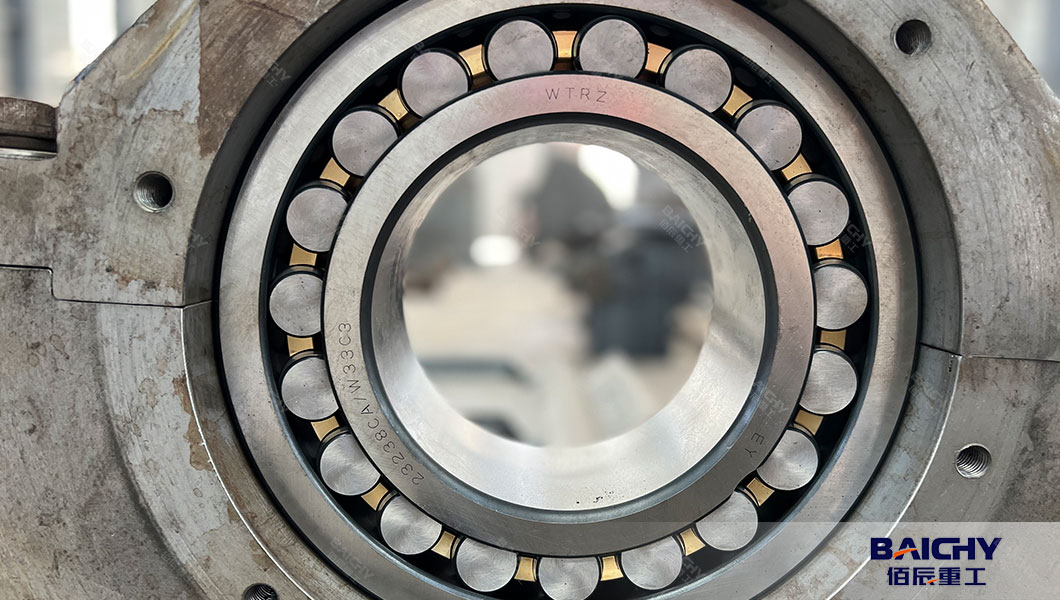
This guide explains six practical maintenance methods to help quarry operators, mining companies, and crushing plant managers extend bearing service life and reduce avoidable maintenance costs. These practical steps apply to jaw crushers, impact crushers, and other crushing equipment.
1. Use the Right Lubricant
Proper lubrication reduces friction and protects bearing surfaces from premature wear. Too little lubricant can cause metal-to-metal contact, while too much grease can generate excess heat.
Follow these simple rules:
-
Use the lubricant specified in the crusher manufacturer's manual.
-
Follow the recommended lubrication quantity and interval.
-
Clean grease fittings before adding lubricant.
-
Check lubrication lines and fittings for leaks or blockages.
-
Never mix different grease types unless their compatibility is confirmed.
If a bearing overheats, do not simply add more grease. Check the lubricant quantity, condition, and possible mechanical problems first.
2. Keep Dust and Water Out
Stone crushing produces abrasive dust that can enter bearing housings through damaged seals or contaminated lubrication equipment. Once inside, these particles can scratch bearing surfaces and accelerate wear. Water can also cause corrosion and damage lubricant performance.
To protect your bearings, inspect seals regularly, replace damaged components promptly, and keep lubrication tools clean. Store grease and oil in sealed containers away from dust and moisture.
If your plant processes wet materials or construction waste, pay extra attention to water ingress and contamination around bearing housings.
A clean lubrication system is one of the simplest ways to prevent premature bearing failure.
3. Check Installation and Alignment
Incorrect installation can shorten bearing life, even when you use a new, high-quality bearing. Incorrect fits, worn shafts, damaged housings, and misalignment can all create uneven loads and excessive friction.
Before installing a replacement bearing:
-
Inspect the shaft and housing for wear or damage.
-
Verify dimensions and bearing clearance against manufacturer specifications.
-
Use the correct mounting tools and procedures.
-
Check shaft alignment, pulley alignment, and drive belt tension.
Never strike bearing rolling elements directly with a hammer. Improper mounting can damage the bearing before the crusher even starts running.
If the same bearing fails repeatedly, investigate the installation, shaft, housing, and drive system instead of simply replacing it again.
4. Avoid Overloading the Crusher
Excessive loads place additional stress on crusher bearings. Oversized feed, sudden surges in material, uncrushable metal, and excessive belt tension can all contribute to premature wear.
Keep feed size within the crusher's specified limits and maintain a steady feed rate. Distribute material evenly across the feed opening and remove metal objects before they enter the crushing chamber.
Also, make sure the crusher's capacity matches your material and production requirements. Running equipment beyond its design limits can increase mechanical stress and maintenance costs.
Stable feeding helps protect bearings and keeps the crushing plant running more smoothly.
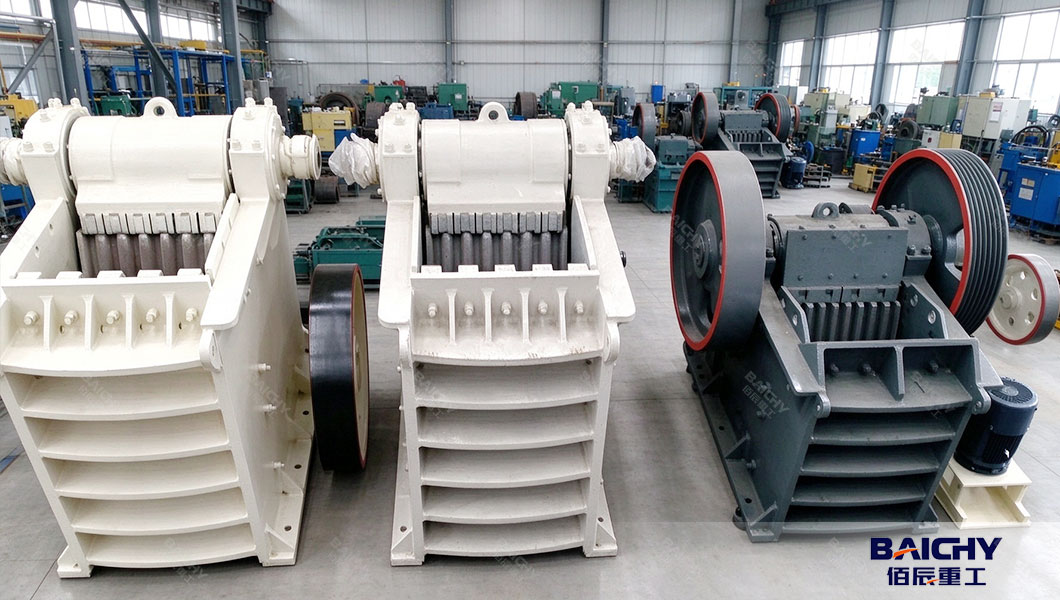
5. Monitor Temperature, Noise, and Vibration
Your crusher often gives warning signs before a bearing fails. Pay attention to changes in temperature, unusual noises, and increasing vibration.
| Warning sign |
Possible cause |
| High bearing temperature |
Lubrication problems, contamination, or overload |
| Grinding or rumbling noise |
Bearing damage or insufficient lubrication |
| Increasing vibration |
Misalignment, loose parts, or bearing damage |
| Grease leakage |
Damaged seals or excessive grease |
Record temperature and vibration readings under consistent operating conditions. Compare them with normal readings and the manufacturer's limits.
Remember that overheating can have several causes. Investigate the problem rather than assuming the bearing needs more grease. If temperature rises rapidly or serious abnormal symptoms appear, follow the site's shutdown and inspection procedures.
6. Follow a Simple Maintenance Routine
Regular inspections help catch small problems before they become expensive repairs.
Before operation: Check lubrication levels where applicable, look for leaks, and confirm that guards are secure.
During operation: Watch for abnormal temperature, noise, vibration, or lubrication-system readings.
During scheduled maintenance: Inspect seals, lubrication lines, bearing housings, shafts, and drive components according to the manufacturer's instructions.
Keep records of lubrication, operating hours, repairs, and bearing replacements. If a bearing fails, inspect the damaged component to identify the root cause. This helps prevent the same problem from happening again.
Reducing crusher bearing wear does not have to be complicated. Use the correct lubricant, keep dust and water out, check installation and alignment, avoid overloading, and monitor operating conditions.
Most importantly, find out why a bearing is wearing out before replacing it. Fixing the underlying problem is the best way to improve crusher reliability and reduce maintenance costs over time.
Frequently Asked Questions
1. What causes crusher bearing wear?
The most common causes are poor lubrication, dust contamination, incorrect installation, misalignment, and excessive operating loads.
2. Why do jaw crusher bearings overheat?
Possible causes include insufficient or excessive grease, contaminated lubricant, damaged seals, excessive belt tension, and bearing damage. Check the full system before deciding on a repair.
3. How often should crusher bearings be lubricated?
It depends on the crusher model, bearing design, operating conditions, and lubricant. Follow the manufacturer's recommended schedule rather than using the same interval for every machine.
4. Can regular maintenance extend bearing life?
Yes. Proper lubrication, effective sealing, correct installation, stable feeding, and early fault detection can reduce avoidable wear and unplanned downtime.




 2026-10-21






 86-15093113821
 86-15093113821