A 2mm particle sand-water separator is equipment used to separate sand particles from water in sand washing, aggregate processing, and mineral processing operations. It is designed for applications where the feed contains sand particles up to approximately 2 mm, although the actual separation range depends on particle size distribution, slurry concentration, and equipment configuration.
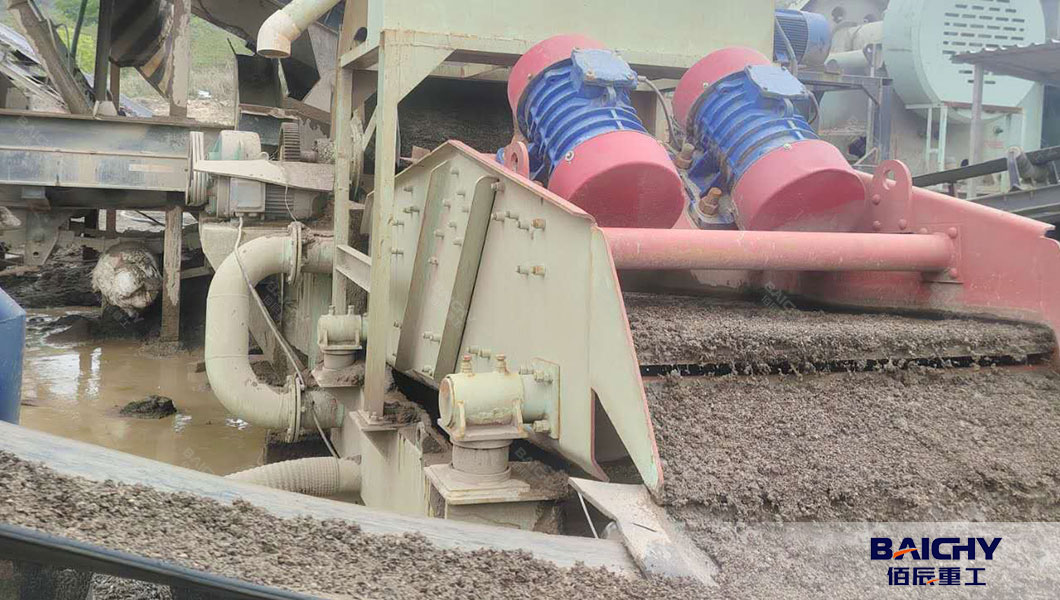
In a sand washing plant, wastewater often carries fine sand that would otherwise be lost with the discharged water. A suitable sand-water separation system helps recover usable sand, reduce solids in the process water, and improve overall plant efficiency.
Important: A 2mm maximum feed size does not mean the separator can recover every particle down to 2 mm or smaller. Fine-particle recovery depends on the separator type, operating conditions, and the required product quality.
How Does a Sand-Water Separator Work?
The working process typically includes four stages.
1. Slurry Feeding
A mixture of sand and water enters the separation system from a washing plant, screening process, or slurry collection tank. Stable feeding helps maintain consistent separation performance.
2. Sand and Water Separation
Depending on the equipment design, separation may use centrifugal force, gravity settling, screening, or a combination of these methods. Heavier sand particles are separated from the water, while finer suspended solids may remain in the water stream.
3. Sand Dewatering
The separated sand may pass through a dewatering screen or another dewatering device to remove excess moisture. The resulting material can then be conveyed for stockpiling or further processing.
4. Water Discharge and Recycling
The separated water can be returned to the washing process or sent to a settling tank for further treatment. The appropriate setup depends on water quality requirements and the amount of suspended fines.
Which Sand-Water Separator Is Suitable for 2mm Sand?
The best solution depends on the material characteristics and the required separation result.
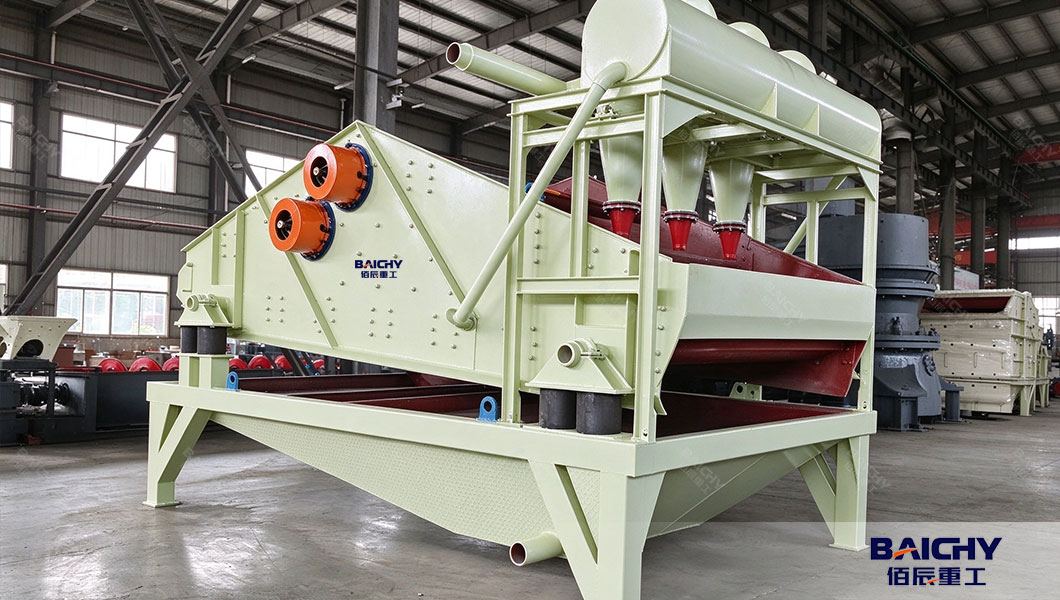
Hydrocyclone separator: A hydrocyclone uses centrifugal force to separate particles from slurry. It is suitable for many fine sand recovery applications, but separation performance depends on particle density, size distribution, feed pressure, and slurry concentration.
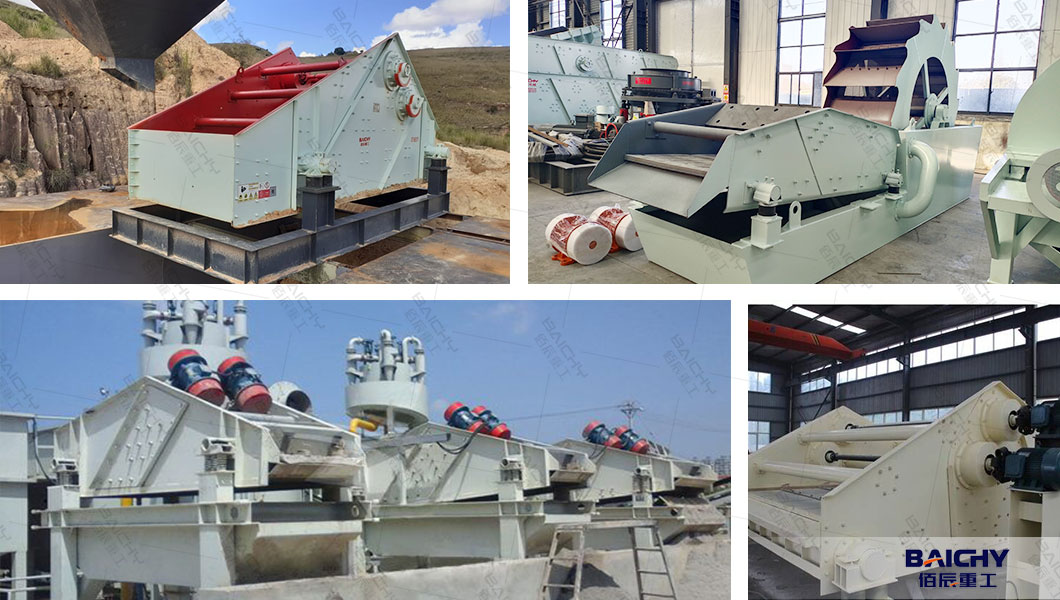
Dewatering screen: A dewatering screen removes water from separated sand. It is useful when the main objective is to reduce product moisture rather than independently separate all fine particles from water.
Fine sand recovery system: This integrated system commonly combines a slurry pump, hydrocyclone, collection tank, and dewatering screen. It can recover fine sand from washing wastewater while returning a portion of the water to the process.
For sand washing plants handling material around 2 mm, an integrated fine sand recovery system may be worth considering when valuable sand is being lost with wastewater. The final configuration should be selected according to the actual feed and target product.
Key Factors When Selecting a 2mm Sand-Water Separator
Feed Particle Size
Confirm the maximum feed size and the full particle size distribution. The proportion of particles below 0.075 mm is particularly important because very fine particles behave differently from coarse sand during separation.
Processing Capacity
Choose equipment according to slurry flow rate, solids concentration, and required sand recovery. A system processing 20 m³/h of slurry may require a different configuration from one handling 100 m³/h. These figures are examples of flow rates, not guaranteed equipment capacities.
Sand Recovery Rate
If the feed contains valuable fine sand, evaluate how much usable material can be recovered. Ask the supplier for test results based on similar material rather than relying on a general recovery-rate claim.
Moisture Content
If the recovered sand will be sold as construction sand or used in concrete production, its final moisture content may affect handling and downstream processing. A dewatering screen may be necessary after the initial separation stage.
Water Recycling Requirements
Consider whether the plant needs simple sand recovery or a more complete water-recycling solution. Where water consumption and wastewater discharge are major concerns, additional settling or clarification equipment may be required.
Typical Applications
A sand-water separator designed for suitable feed conditions can be used in:
-
Sand washing plants: Recover sand carried away by wastewater.
-
Manufactured sand production: Reduce the loss of usable sand during wet processing.
-
Aggregate processing plants: Separate solids from process water.
-
Mineral processing: Handle suitable sand-bearing slurry streams, subject to mineral properties and process requirements.
-
Construction sand production: Support sand recovery and water management before product stockpiling.
The equipment should be matched to the material and process. A separator suitable for quartz sand may not deliver the same performance with clay-rich slurry or fine mineral tailings.
How to Improve Separation Efficiency
1. Keep the feed flow rate and slurry concentration within the equipment's recommended operating range. Excessive feed or unstable pressure can reduce separation consistency.
2. Inspect the hydrocyclone inlet, outlet, and wear parts regularly. Abrasive sand can gradually change internal dimensions and affect performance. For systems using dewatering screens, check screen condition and remove material buildup before it restricts drainage.
3. If the recovered sand contains too much water or the discharge still carries excessive sand, check the complete process rather than changing only one machine. Feed grading, slurry concentration, hydrocyclone operation, and screen performance can all influence the final result.
Frequently Asked Questions
1. Can a sand-water separator process 2mm sand?
Yes, suitable systems can process sand-containing slurry with particles around 2 mm. However, the maximum feed size, separation cut point, and recovery rate are different parameters. Confirm all three with the equipment supplier.
2. Can a sand-water separator recover particles smaller than 2mm?
Yes, depending on the separator design and operating conditions. Hydrocyclones and fine sand recovery systems can handle suitable sub-2mm particles, but the recovery of very fine sand may be limited by particle size, density, and slurry characteristics.
3. Does a sand-water separator also dewater the recovered sand?
Not always. A hydrocyclone separates solids from slurry, but the underflow may still contain substantial water. A dewatering screen is often added when lower product moisture is required.
4. Can the separated water be reused?
In many plants, separated water can be recycled. However, fine suspended solids may require additional settling or clarification before the water meets the plant's reuse requirements.
5. How do I choose the right sand-water separator?
Provide the supplier with the feed particle size distribution, slurry flow rate, solids concentration, target sand recovery, required product moisture, and water-reuse requirements. A material test or process evaluation can help determine the appropriate configuration.




 2026-10-22






 86-15093113821
 86-15093113821