Setting up a gold processing plant is far more than purchasing machinery—it’s a complex integration of geology, chemistry, and engineering that demands careful planning. Whether you’re aiming for a small-scale portable operation or a large-scale CIP/CIL cyanidation plant, success hinges on following a structured approach tailored to your ore’s unique properties. This guide walks you through every critical step, from initial ore analysis to final gold smelting, ensuring your plant is efficient, compliant, and profitable.
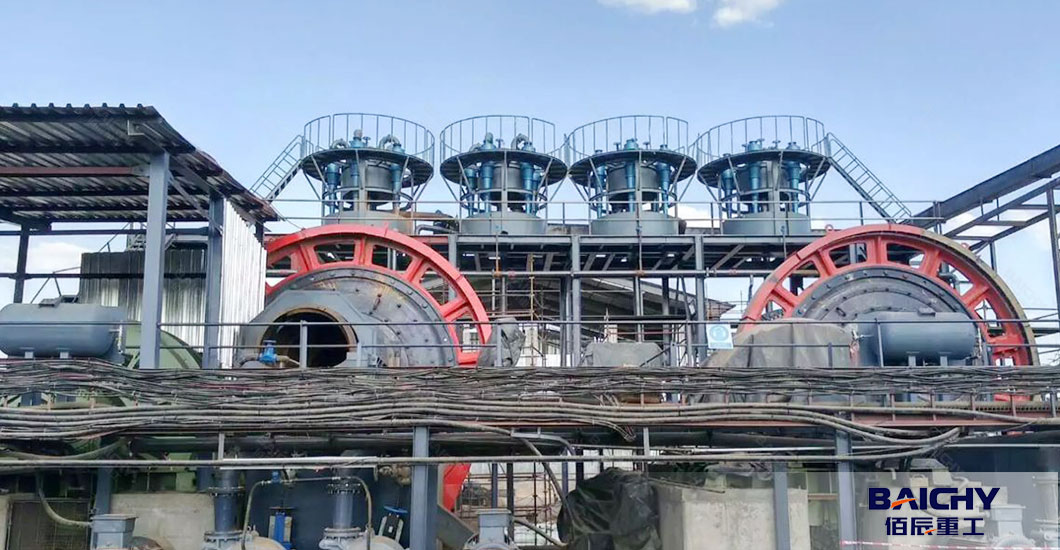
Step 1: Conduct Metallurgical Testing and Ore Analysis
This is the most critical step. The nature of your ore dictates everything. Comprehensive testing determines if you have alluvial (placer) gold, free-milling oxide ore, or refractory ore containing sulphides or arsenic. A detailed metallurgical test report is essential. It provides the data needed to design a custom process flowsheet, ensuring your plant is optimized for maximum gold recovery from the very beginning.
Step 2: Choose the Right Gold Processing Method
Selecting the correct extraction method is fundamental to your plant's economics and environmental footprint. The choice depends entirely on your ore's characteristics as revealed in Step 1. The right technology maximizes yield while controlling operational costs and meeting regulatory standards for safety and environmental protection.
Gravity Separation
Gravity separation is a preferred, mercury-free method for recovering coarse, free gold particles, commonly found in alluvial deposits. It uses the difference in density between gold and waste rock. Equipment like shaking tables, centrifugal concentrators, and jigs are highly effective. This method offers low operational costs, simplicity, and is environmentally friendly, making it ideal for small-scale and artisanal miners seeking clean recovery solutions.
Flotation Separation
Flotation processing is the go-to method for gold locked in sulphide minerals, often associated with copper, lead, or zinc. In this process, chemicals make gold-bearing minerals attach to air bubbles, which rise to form a froth that is skimmed off. It effectively produces a concentrated product for further processing. This method is crucial for complex ores where gravity separation or direct cyanidation alone would yield poor results.
CIP/CIL Cyanidation
CIP (Carbon-In-Pulp) and CIL (Carbon-In-Leach) are advanced cyanidation processes for recovering fine, disseminated gold from hard rock ores, achieving recoveries often over 90%. In CIL, activated carbon is added directly to the leaching tanks to adsorb gold. CIP involves leaching first, then adsorption. These methods are the industry standard for large-scale operations due to their high efficiency, though they require careful handling of reagents and robust safety protocols.
Step 3: Equipment Selection and Sizing
Proper equipment selection ensures your plant runs smoothly and meets production targets. Each machine must be correctly sized and matched to the others in the circuit. Investing in reliable, appropriately scaled equipment from reputable suppliers prevents bottlenecks, reduces downtime, and protects your long-term investment. Don't just buy machines; build a synchronized system.
Crushing & Grinding Station
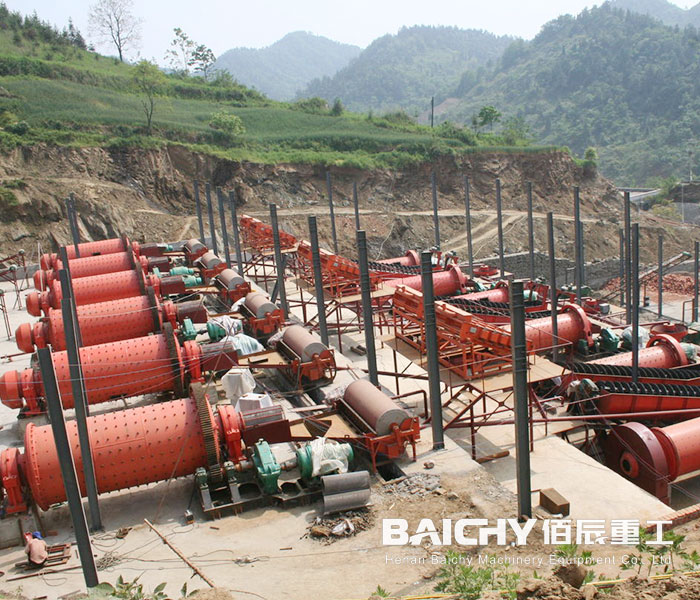
The goal here is to liberate gold particles by reducing ore to the optimal size. A typical circuit starts with a jaw crusher for primary, coarse breaking. The material then feeds into a ball mill for fine grinding, creating a slurry. Correct sizing of these units is vital. Under-sized equipment creates a bottleneck, while over-sized machinery wastes energy and capital. The grind size directly impacts recovery in the next stages.
Separation & Concentration Equipment
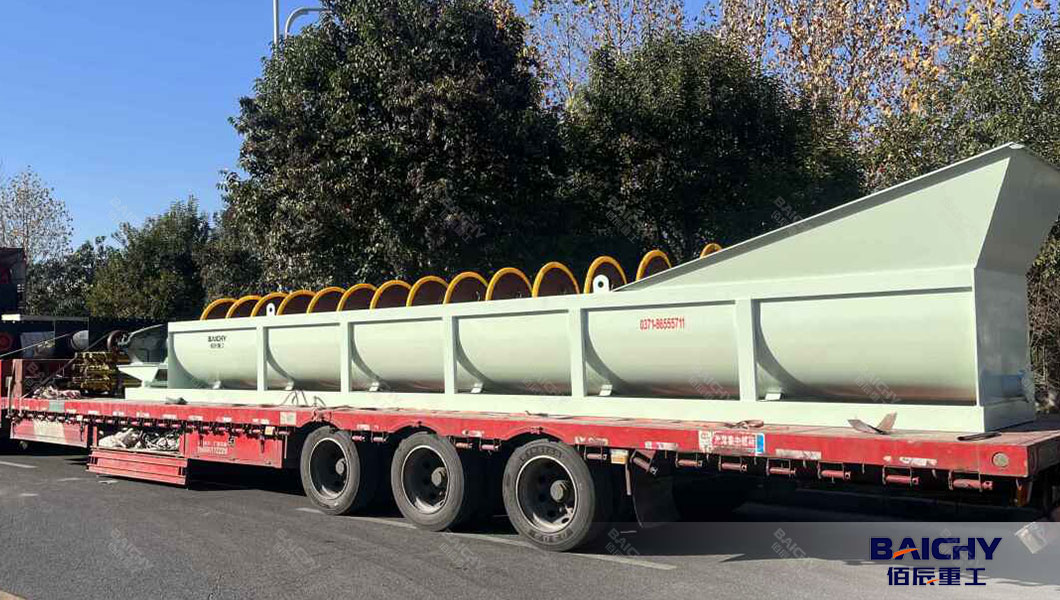
This is the heart of your recovery process. For gravity plants, shaker tables, jigs, and centrifugal concentrators separate gold. In cyanidation plants, you need robust leaching tanks for gold dissolution, followed by screens and columns for carbon handling. The choice here is dictated by your selected process flowsheet. Efficient equipment here directly translates to higher gold in your safe and less loss to tailings.
Smelting and Refining
The final step transforms your concentrate into pure gold. A high-temperature smelting furnace melts the gold-bearing material with fluxes. This process separates pure molten gold from impurities, which form a slag. The gold is then cast into bars or doré. Proper smelting requires skill and safety measures due to extreme heat and fumes. This is where your efforts materialize into tangible, valuable product.
Step 4: Determine the Plant Scale and Layout
Your plant's scale and physical layout are dictated by ore reserves, budget, and mining method. A well-planned layout minimizes material travel distance, simplifies operational workflow, and incorporates future expansion space. Consider access roads, safety zones, and the flow of materials from the coarse ore bin all the way to the gold room and tailings storage facility.
Small-Scale & Portable Gold Plants
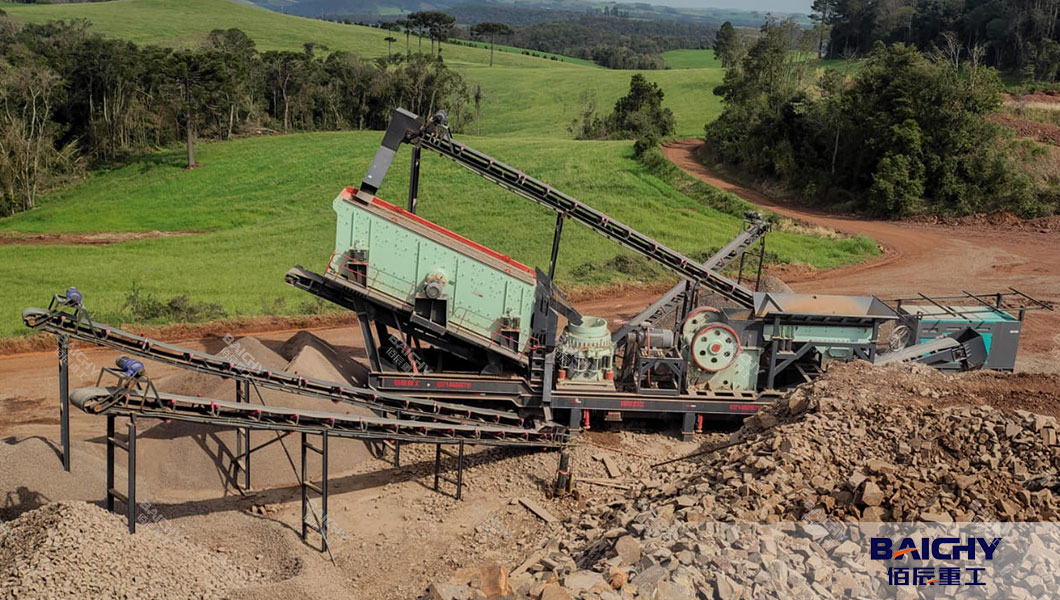
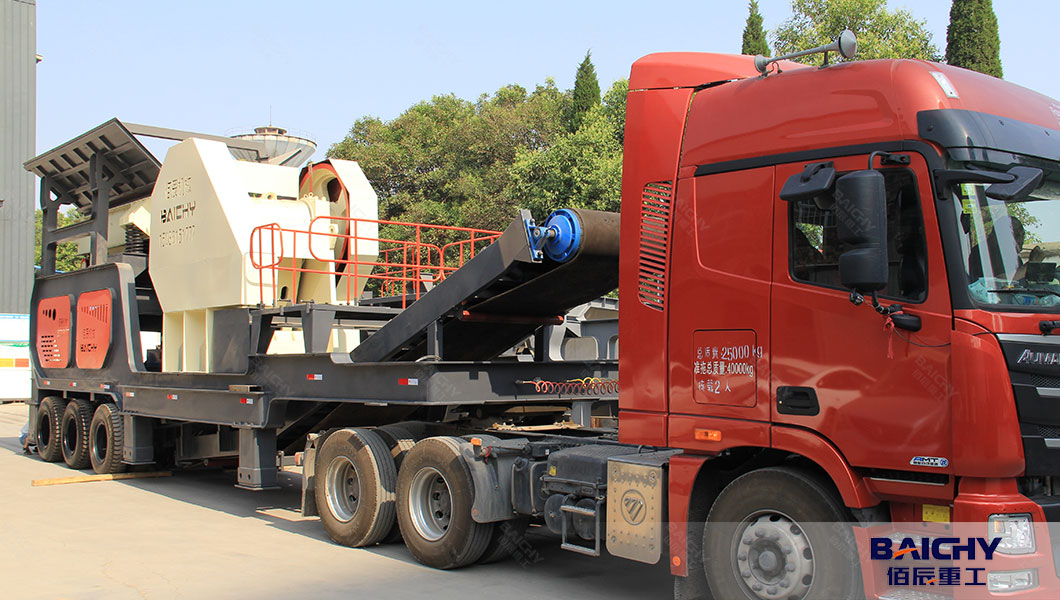
Ideal for startups or smaller deposits, these plants emphasize mobility and quick setup. Modular or skid-mounted designs allow for easy transportation and installation. They often combine gravity concentration with optional intensive cyanidation units. Their lower capital cost and flexibility make them perfect for testing new areas or processing alluvial material in remote locations with minimal site preparation.
Large-Scale Stationary Plants
For long-life, high-tonnage mines, a permanent facility is required. This involves significant civil engineering for concrete foundations, buildings, and complex piping/electrical networks. The layout is optimized for continuous, automated operation. A major component is the design and construction of a secure, environmentally compliant tailings storage facility (TSF) to manage waste for the life of the mine.
Step 5: Infrastructure, Water, and Power Supply
Robust infrastructure is the backbone of a reliable operation. Water and power are the lifeblood of any processing plant. A shortage of either can shut down production entirely. Planning for consistent, sustainable utilities from the start prevents costly operational headaches later. This step is where engineering meets the practical realities of your specific site location and conditions.
Water management is crucial. Plants require a large, consistent supply, often recycled within a closed-circuit system to conserve water and meet environmental regulations. You'll need a source (dam, boreholes), storage tanks, pumps, and piping. In arid regions, water recycling efficiency becomes even more critical. Tailings are often thickened to reclaim water. A reliable power source is equally vital. Options include connecting to the main grid or using on-site diesel generators. Solar-hybrid systems are becoming a cost-effective option for remote sites. Don't forget tailings management—a properly engineered tailings dam or filtered tailings stack is essential for safety and environmental compliance.
Cost Estimation: How Much Does It Cost to Set Up?
Costs vary immensely based on scale, location, and process complexity. Capital Expenditure covers everything to get the plant running: equipment purchase, shipping, civil works, and installation. For a small plant, this might be tens of thousands of dollars; for a large CIP plant, it can reach tens of millions. Always budget for contingencies. Operational Expenditure are the ongoing costs: labor, energy, reagents (cyanide, activated carbon), grinding media (steel balls), liner replacements, maintenance, and tailings management. A detailed feasibility study is essential for accurate forecasting.
Building a successful gold processing plant requires meticulous planning, from initial ore testing to final commissioning. The choice of the right process and reliable equipment is paramount to your project's profitability and longevity. Partnering with an experienced supplier who understands the full journey can transform this complex challenge into a streamlined success. Contact Baichy Machinery today. Our engineers provide complete turnkey solutions, encompassing metallurgical consulting, custom flowsheet design, high-quality equipment manufacturing, and professional on-site installation support. Let's build your efficient and profitable gold processing plant together.




 2026-09-17





 86-15093113821
 86-15093113821