Processing massive, blasted rocks in the primary crushing stage is an incredibly tough challenge. In the mining and aggregate industry, a grizzly jaw crusher refers to a powerful primary system. It combines a vibrating grizzly feeder with a heavy-duty jaw crusher. This ultimate setup feeds, scalps, and crushes rock efficiently. Let’s explore how this integrated system works and why it significantly boosts your entire production line.
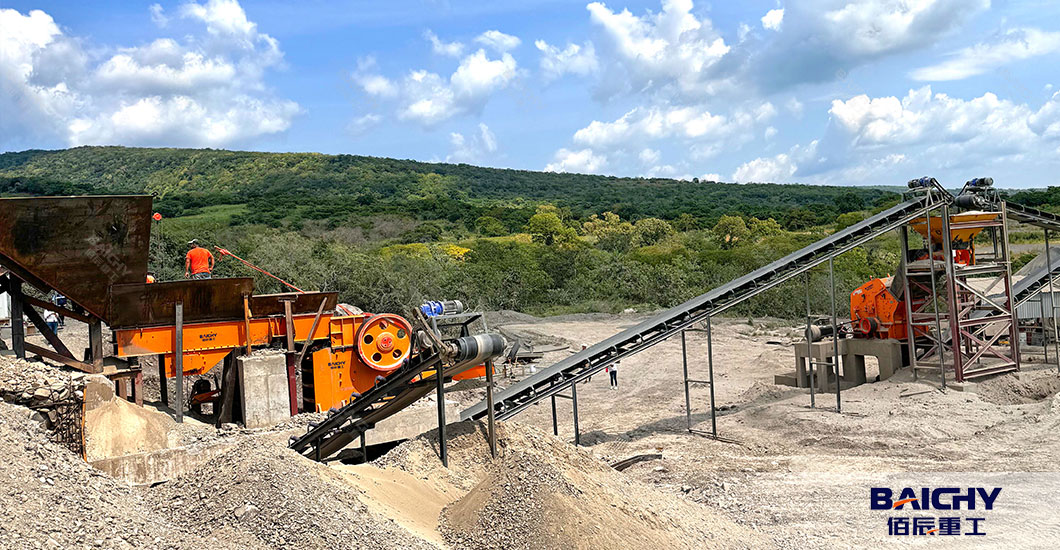
What is a Grizzly Jaw Crusher System?
A grizzly jaw crusher system consists of two main pieces of equipment working together. The first is the primary jaw crusher, which uses massive steel plates to compress and break hard rocks. The second is the vibrating grizzly feeder, installed directly under the hopper. It uses linear motion to move raw material forward. The discharge end features thick, spaced steel bars called "grizzly bars."
How Does the Grizzly Feeder Work with the Jaw Crusher?
1. Continuous and Controlled Feeding
When dump trucks unload heavy rocks, the impact is massive. The grizzly feeder absorbs this shock and turns a messy pile of boulders into a smooth, even flow of material. Instead of dumping everything into the jaw crusher at once, the feeder controls the speed. This prevents sudden machine choking and protects the crusher's motor from dangerous power overloads.
2. Scalping and Bypassing Fines
As material vibrates over the grizzly bars, the real magic happens. Small stones, loose dirt, and natural sand fall through the gaps between the heavy steel bars. This small material completely bypasses the jaw crusher. By removing these fine particles before they enter the crushing chamber, the system works much faster. Only the large rocks that actually need crushing go inside.
Top 4 Benefits of a Grizzly Feeder and Jaw Crusher Setup
1. Maximized Crushing Capacity
By removing dirt and small rocks early, your jaw crusher can focus entirely on massive boulders. This smart bypassing technique frees up the crushing chamber volume. As a result, 100% of the machine’s power goes toward actual rock breaking. This instantly increases your plant's overall tons-per-hour (TPH) capacity by 20% to 30%.
2. Prevention of Cavity Packing
Wet, sticky clay and mud are a jaw crusher's worst enemy. If they enter the crushing cavity, they stick to the jaw plates and cause severe blockages. The grizzly bars filter out these troublesome materials before they ever reach the crusher. This keeps the chamber clean, ensures smooth discharge, and drastically reduces costly downtime.
3. Reduced Wear and Tear on Jaw Plates
Natural quartz sand and fine gravel are highly abrasive. If they pass through the jaw crusher, they act like sandpaper, wearing down your expensive manganese steel plates. Bypassing these abrasive fines saves your jaw plates from unnecessary friction. This simple step dramatically extends the lifespan of your crusher's most expensive wear parts.
4. Improved Downstream Processing
Scalping out dirt and small stones improves the quality of your final product. You can send this clean, bypassed fine material directly to secondary crushers or sand washing plants. Alternatively, you can easily discard the useless mud. This highly efficient separation reduces the workload on your entire downstream processing line.
Common Applications and Industries
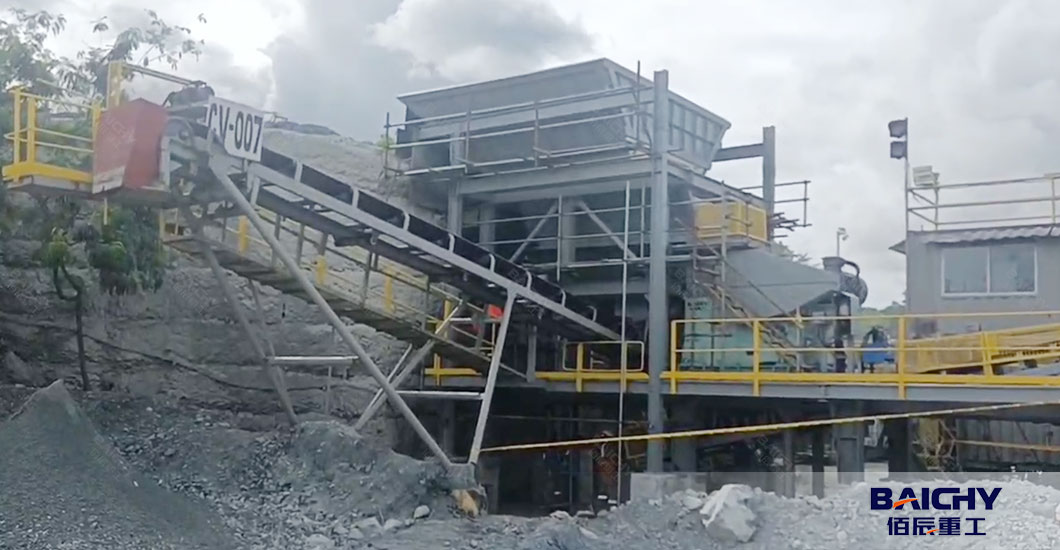
This robust combination is essential for several heavy industries. In hard rock mining, it easily processes granite, basalt, and metallic ores covered in raw dust. In aggregate production, it supplies clean primary stone for concrete and asphalt plants. Furthermore, it is perfect for C&D recycling, separating dirt and debris from large chunks of waste concrete.
Equipment Configurations: Stationary, Modular, and Mobile
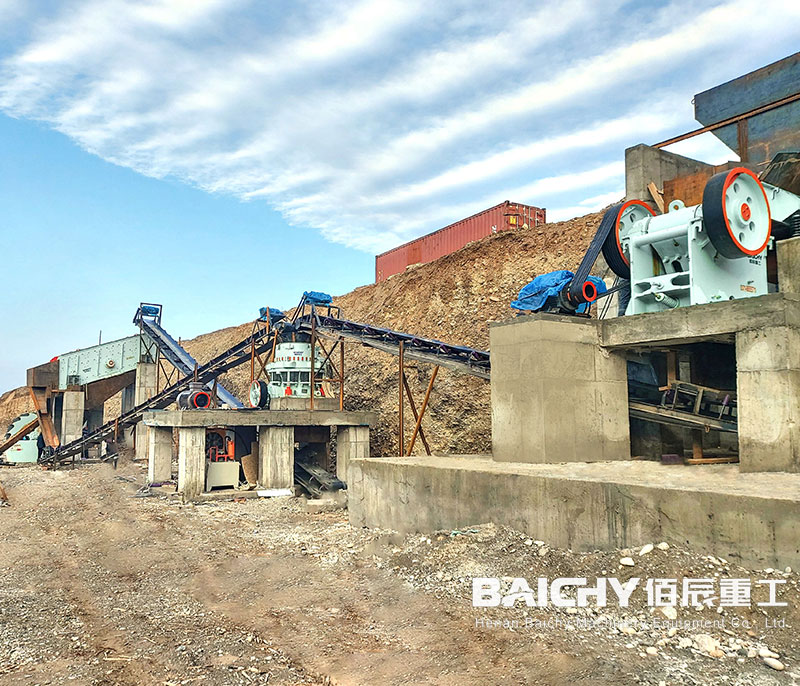
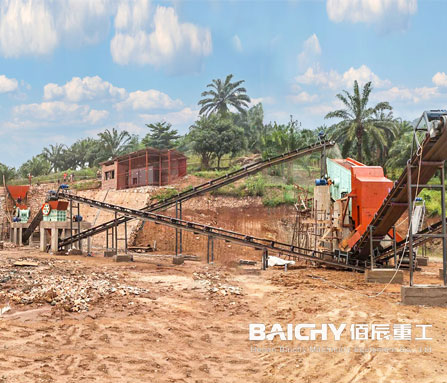
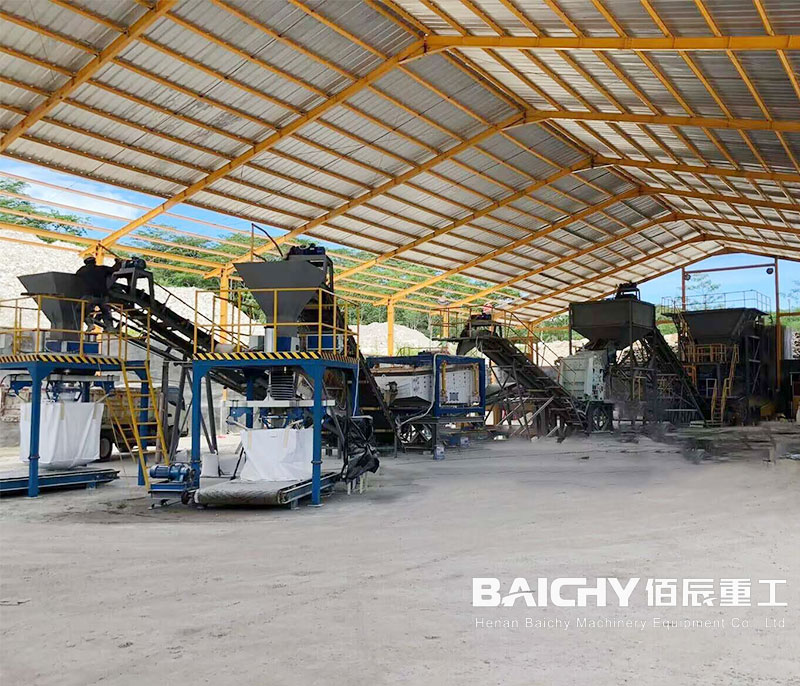
Grizzly jaw crushers come in three main configurations to fit any project. Stationary plants are built on concrete for decades of commercial quarry use. Modular skids mount both the feeder and crusher on a steel frame for fast, foundation-free installation. Finally, tracked mobile crushers combine everything onto a drivable chassis, delivering ultimate flexibility at the blast face.
A highly profitable primary crushing station needs more than just a strong jaw crusher. Efficient feeding and grizzly scalping are what truly determine the success of your mining operation. Want to maximize your primary crushing efficiency and protect your machinery? Contact Baichy Machinery today for a customized quote on our heavy-duty Grizzly Vibrating Feeders and Jaw Crusher systems!
Frequently Asked Questions (FAQ)
Q1: What is the purpose of the "grizzly bars" on the vibrating feeder?
A: The grizzly bars act as a heavy-duty filter before the material enters the jaw crusher. As the raw rock vibrates across the bars, smaller stones, dirt, and sand fall through the gaps and bypass the crushing chamber entirely. This ensures the crusher only uses its power to break large rocks, instantly increasing your production capacity and reducing wear on the machine.
Q2: Why do I need a grizzly feeder instead of dumping rocks directly into the jaw crusher?
A: Dumping massive loads of rock directly into a jaw crusher can cause sudden power overloads, severe mechanical shock, and dangerous blockages. A vibrating grizzly feeder absorbs the heavy impact from dump trucks and provides a smooth, controlled flow of material. This prevents the crusher from choking and greatly extends the lifespan of the equipment.
Q3: Can a grizzly jaw crusher system handle wet or sticky materials?
A: Yes, it is highly effective for this. Wet, sticky clay and mud are the main causes of blockages (cavity packing) inside a jaw crusher. The grizzly feeder solves this problem by filtering out the sticky dirt and mud through the grizzly bars before it ever reaches the crushing chamber. This keeps the jaw plates clean and drastically reduces costly downtime.




 2026-09-17





 86-15093113821
 86-15093113821