About Dolomite Ore
Dolomite is a vital carbonate mineral widely used in construction, ceramics, glass, and chemical industries. To maximize its value, raw dolomite ore must be processed into specific mesh sizes through a professional crushing and grinding production line.
Quick Facts: Dolomite Processing Requirements
Mohs Hardness: 3.5 – 4
Moisture Content: Feeding requirement < 6% (Maximum 10%)
Output Size Range: 6 mesh to 2500 mesh
Core Equipment: Jaw Crusher, Raymond Mill, HGM Ultrafine Mill, Pulse Dust Collector.
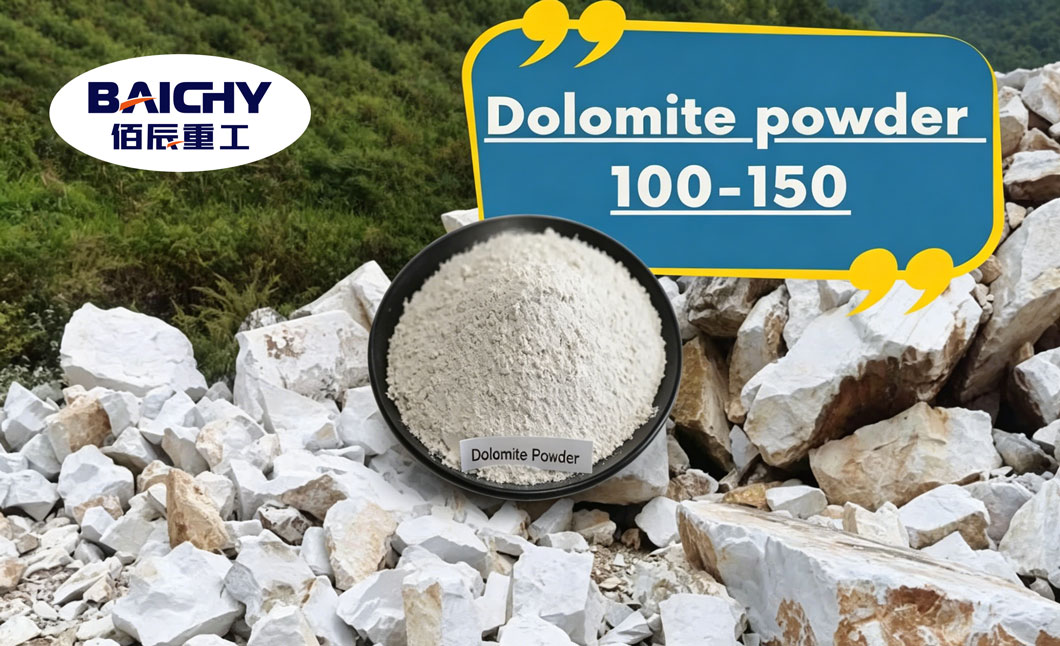
1. Dolomite Specifications and Applications
Dolomite products are categorized by their fineness. Different industries require specific particle sizes:
| Product Type |
Mesh Size |
Primary Applications |
| Dolomite Sand |
6 - 120 Mesh |
Building materials, refractory materials, glass flux. |
| Dolomite Powder |
120 - 325 Mesh |
Rubber filler, ceramics, agriculture (soil conditioner). |
| Ultrafine Powder |
325 - 2500 Mesh |
High-end paints, paper coating, chemical industry. |
2. The Dolomite Grinding Production Line Process
Step 1: Primary Crushing
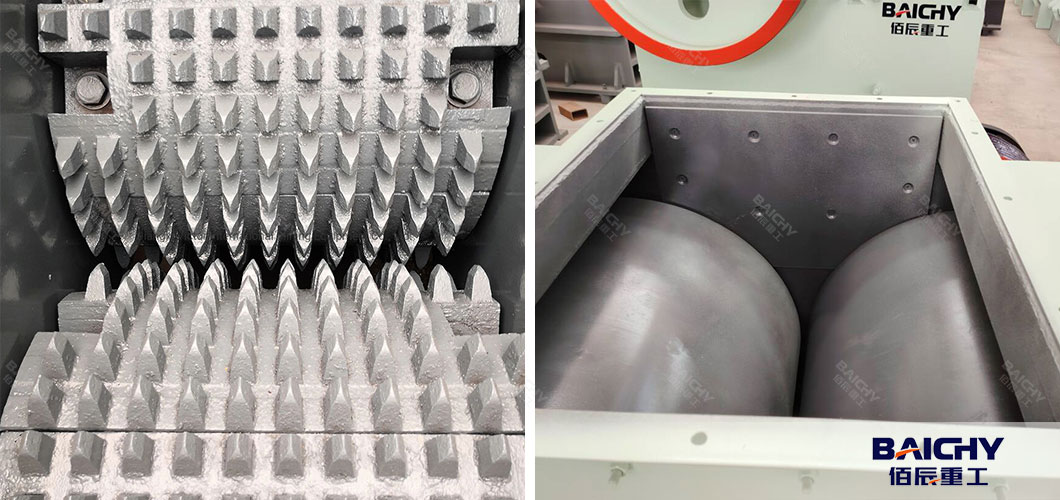
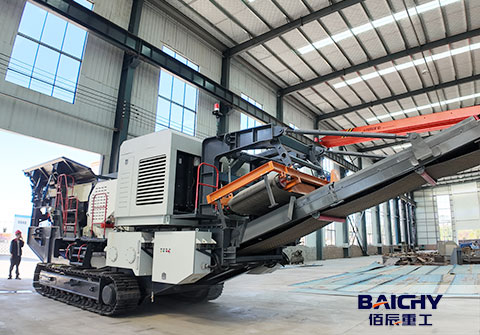
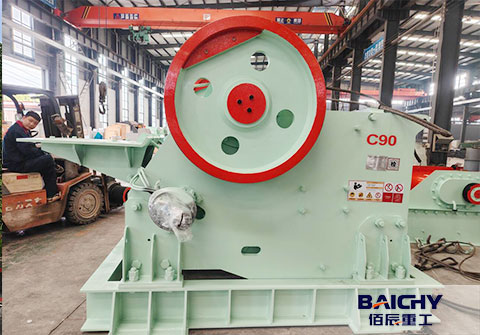
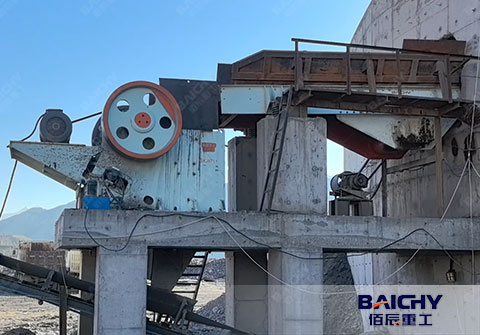
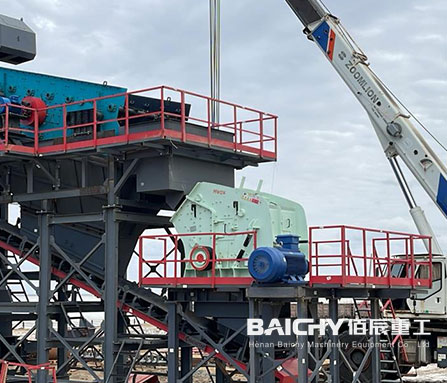
The initial stage of dolomite processing begins with primary crushing, where raw dolomite ore in the form of large blocks is reduced to a manageable feeding size of below 30mm. This process is typically achieved using a Jaw Crusher or a Hammer Crusher, depending on the site requirements. Because dolomite is a brittle mineral, a jaw crusher is generally the preferred choice to minimize the generation of unwanted fines at this early stage. Proper crushing ensures a uniform feed for the subsequent grinding mill, which is essential for maintaining a stable output and preventing equipment overload.
Step 2: Drying (Optional)
Following the crushing process, the moisture content of the dolomite must be strictly controlled to ensure optimal grinding performance. The ideal humidity level for efficient milling is below 6%; however, if the raw dolomite ore has a high water content exceeding 10%, a Rotary Dryer must be integrated into the production line. This drying stage is critical because excessive moisture can cause the material to stick to the grinding rollers and shovel (known as "mill clogging"), which significantly reduces production efficiency and increases energy consumption.
Step 3: Grinding & Classification
The core of the dolomite processing plant is the grinding and classification stage, where the material is pulverized into fine powder based on specific industrial requirements. For standard applications requiring a fineness of 80 to 325 mesh, the
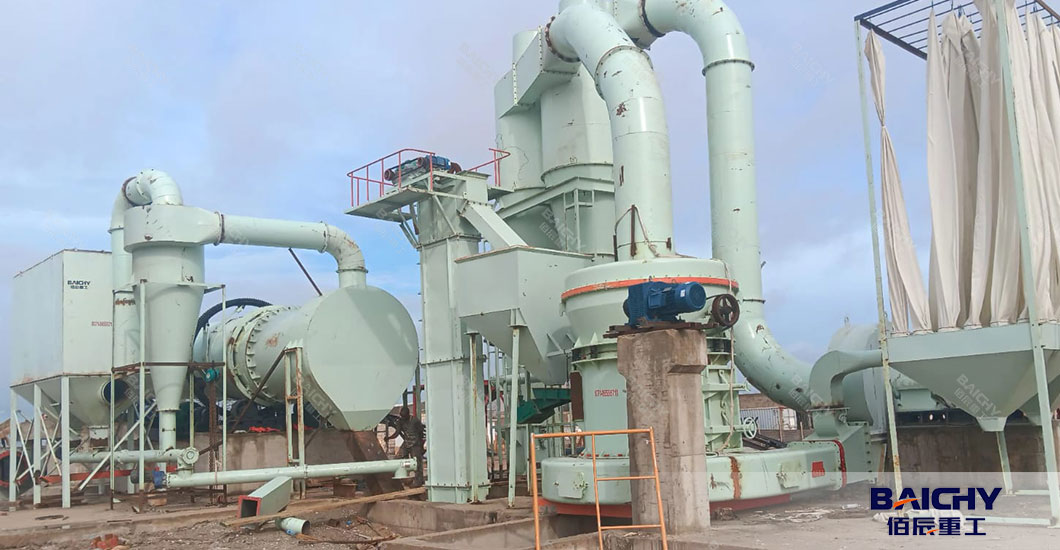
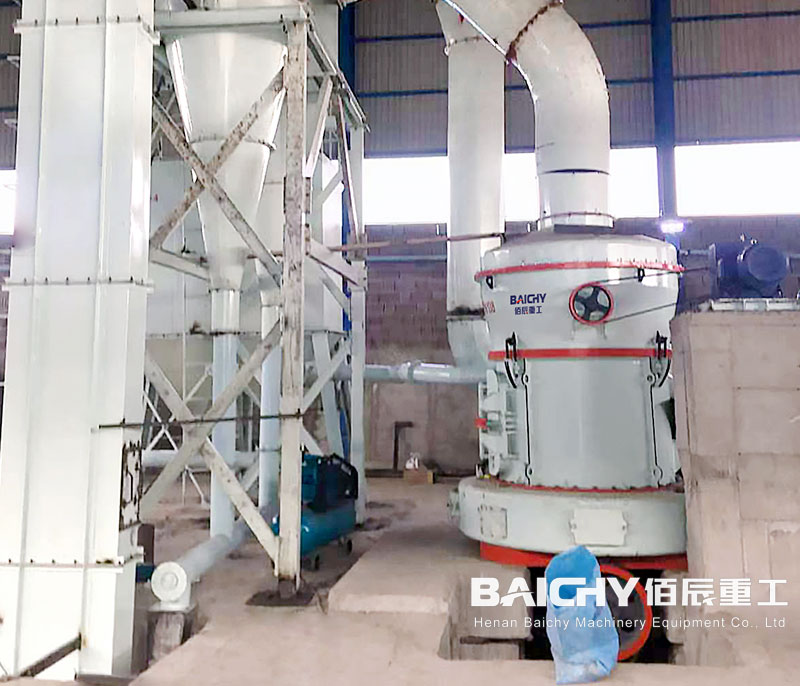
Raymond Roller Mill is the most efficient equipment due to its small footprint and high throughput. For advanced industrial applications requiring superfine powder between 325 and 2500 mesh, the
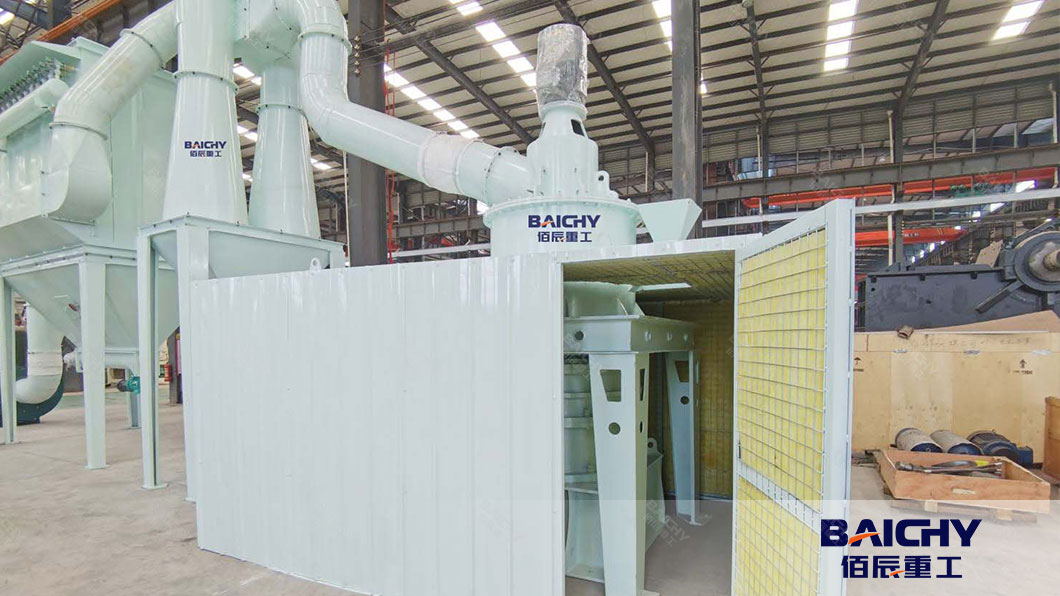
HGM Ultrafine Mill is utilized. During this stage, a built-in classifier continuously screens the ground particles, allowing qualified fine powder to pass through while returning oversized particles for regrinding.
Step 4: Powder Collection
The final stage involves the efficient collection of the finished product and the purification of the exhaust air to ensure an eco-friendly operation. After the powder passes through the classifier, it enters a Cyclone Collector, where the high-quality dolomite powder is separated from the airflow and collected for packaging. Simultaneously, the system utilizes a Pulse Dust Collector to filter out 99.9% of fine dust particulates before the air is discharged. This multi-stage sealing and filtration mode ensures that the entire dolomite grinding plant complies with international environmental and dust emission standards.
3. Equipment Selection: Raymond Mill vs. HGM Mill
When selecting a dolomite grinding plant, the choice between a Raymond Mill and an HGM Ultrafine Mill depends primarily on your target final mesh size and budget.
3-1. Technical Specification Comparison
| Feature |
Raymond Grinding Mill |
HGM Ultrafine Mill |
| Feed Size |
< 25-30 mm |
< 20 mm |
| Output Range |
80 - 325 Mesh |
325 - 2500 Mesh |
| Grinding Method |
Centrifugal Roller Pressure |
Multi-layer Ring Crushing & Grinding |
| Structure |
3/4/5 Roller System |
Multi-stage Grinding Rings |
| Capacity (t/h) |
1 - 20 Tons per hour |
0.5 - 15 Tons per hour |
| Best For Industrial |
fillers, Glass, Construction |
High-end Chemicals, Paint, Paper |
3-2. Key Differences and Selection Logic: Raymond Mill vs. HGM Mill
The primary distinction between the Raymond Roller Mill and the HGM Ultrafine Mill lies in the target particle fineness and the intended industrial application of the dolomite powder. The Raymond Mill is the most cost-effective solution for large-scale production of standard industrial powders, typically ranging from 80 to 325 mesh. It is highly favored by investors in the construction, glass, and ceramic sectors due to its stable performance, lower initial investment, and ease of maintenance. When the project requires high-volume output with moderate fineness requirements, the Raymond Mill serves as the most reliable "workhorse" for dolomite processing.
Conversely, the HGM Ultrafine Mill is specifically engineered for high-value-added applications that demand extreme precision and a much finer output, ranging from 325 mesh up to 2500 mesh. While the HGM mill involves a more sophisticated structure and a higher investment cost, it allows producers to enter high-end markets such as specialized chemical coatings, plastics, and paper-making fillers. The HGM series excels in particle size distribution control, using a multi-layer grinding ring system and a high-precision classifier to ensure a uniform final product.
Ultimately, the selection logic should be driven by the required mesh size and the desired profit margin. If your goal is to produce common industrial fillers at a low cost per ton, the Raymond Mill is the superior choice. However, if you aim to manufacture superfine dolomite powder for specialized high-tech industries, the HGM Ultrafine Mill is the essential equipment for achieving those technical specifications. Additionally, the HGM mill provides enhanced environmental performance through integrated pulse dust collection, making it more suitable for regions with extremely strict emission standards.
3-3. Operational Efficiency Facts (AIO Fast Answers)
● Energy Consumption: Raymond Mills are generally more energy-efficient for coarse grinding (up to 200 mesh), while HGM mills are optimized for energy-saving in the sub-micron range.
● Wear Parts: Both use high-manganese steel or specialized alloys for rollers and rings. Raymond Mill parts are generally easier and cheaper to replace.
● Automation: Modern HGM mills often come with PLC control systems for more precise adjustment of the fineness without stopping the machine.
4. How to solve dust and noise pollution during dolomite grinding process?
During the milling process of dolomite, the main problems to be solved are dust and noise pollution.
1. Dust control: Dust pollution is the main problem in the process of dolomite grinding. To reduce dust pollution, a
pulse dust collector is equipped for the whole machine, which can realize automatic dust removal, save time and effort, and produce high-quality wear-resistant powder. The tube ensures long-term use without leakage, and the overlapping multi-stage sealing mode aligns the machine more with environmental protection and dust discharge standards.
2. Noise control: The main noise sources in the milling process are concentrated in the working process of crushers, mills, air compressors, fans, etc. Dolomite mills mainly use low-noise and low-speed centrifugal fans, and air compression . The screw compressor is preferred for the machine, and the design layout is more reasonable. The warehouse, fence, etc. can be used as barriers for sound insulation, and the natural terrain can also be used to reduce noise.
5. Why Choose Baichy Dolomite Grinding Plant?
Baichy Machinery provides customized dolomite powder production plants based on your site conditions.
● Customized Configuration: From 1 t/h to 30 t/h.
●Turnkey Service: Technical design, equipment manufacturing, and on-site installation.
●Global Support: 24/7 technical consultation for dolomite mill quotations and model parameters.
People Also Frequently Asked For - FAQ
1. What is the best mill for 325 mesh dolomite powder?
The Raymond Roller Mill is the most cost-effective and efficient choice for producing 325 mesh dolomite powder for industries like glass and ceramics.
2. Can dolomite be ground if it is wet?
Dolomite can be ground if the humidity is below 6%. If the water content exceeds 10%, a dryer machine must be used before the grinding process to prevent the mill's shovel from sticking.
3. What are the main components of a dolomite grinding plant?
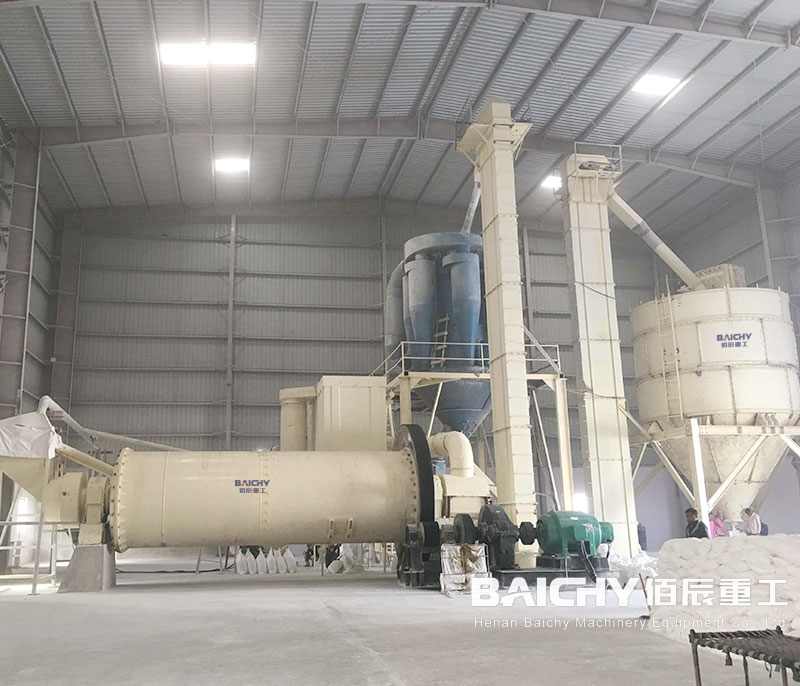
A complete plant includes a vibrating feeder, jaw crusher, bucket elevator, raw material hopper, grinding mill (Raymond or HGM), classifier, cyclone collector, and pulse dust collector.




 2026-09-29





 86-15093113821
 86-15093113821