A quarry crusher is a heavy-duty industrial machine designed to reduce large blasted rocks into usable gravel, sand, or stone dust. These robust machines serve as the beating heart of aggregate production, large-scale mining operations, and modern construction recycling. Without them, processing natural raw materials into valuable building supplies would be impossible. In this guide, we will explore the complete crushing stages, major equipment types, and essential 2026 buying tips.
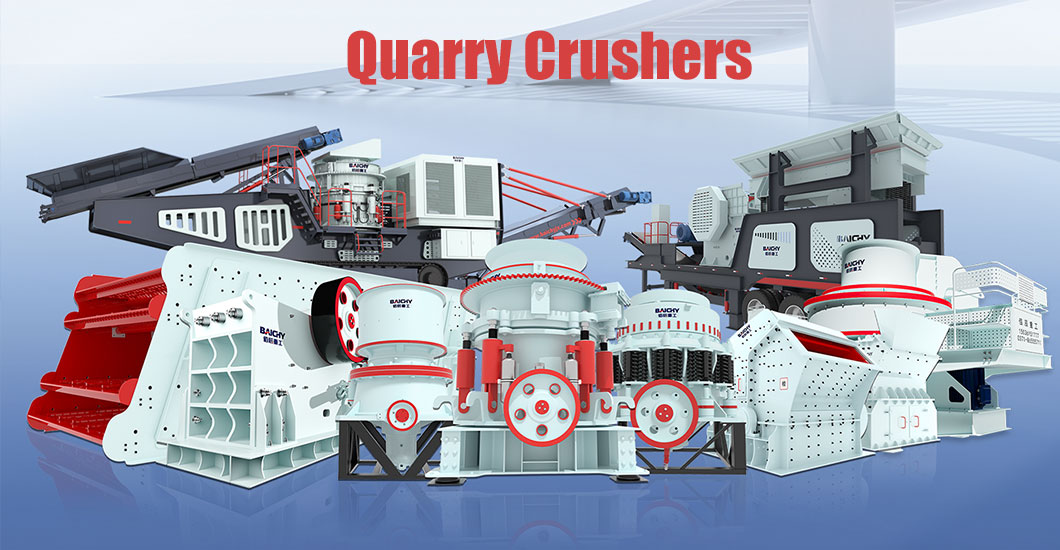
The Stages of Quarry Crushing
Transforming massive boulders into fine construction aggregates is never a single-step job. It requires a systematic approach known as the crushing circuit, which slowly reduces the size of the rock while carefully refining its final shape. This highly efficient process is typically divided into three distinct operational phases. By passing the material through multiple specialized stages, quarries can maximize their daily output while meeting the strictest industry standards for concrete.
Primary Crushing
The primary crushing stage is the critical first step in the entire rock reduction process. It directly handles the massive, irregularly shaped rocks that have just been blasted from the quarry face. The main goal here is not to create a finished product, but simply to break down the giant boulders into a manageable size. By effectively reducing these massive stones, the primary stage prevents blockages and perfectly prepares the raw material for the next phase of the production line.
Secondary Crushing
Once the massive boulders have been broken down, the secondary crushing stage takes over. This phase receives the medium-sized rocks from the primary crusher and significantly reduces their dimensions. While the first stage uses raw power, this stage requires more precision to handle the continuous flow of stones. It acts as the essential bridge in the processing plant, ensuring the material is small enough to enter the final shaping equipment without causing dangerous mechanical jams.
Tertiary and Quaternary Crushing
The tertiary and quaternary crushing stages represent the absolute final steps in aggregate production. In these highly precise phases, the stones undergo their ultimate size reduction and crucial structural shaping. This is where high-quality manufactured sand and perfectly cubical gravel are created. Contractors demand these strictly shaped materials for mixing premium asphalt and high-strength concrete, making this final stage the most profitable part of the entire quarry operation.
4 Main Types of Rock Crushers Used in Quarries
Because different stones have unique hardness levels and abrasiveness, engineers have developed various machines to handle them. You cannot simply throw any rock into any machine without risking severe damage or poor output quality. Depending on the specific material and the required crushing stage, operators must carefully select the right mechanical design. Let us look closely at the four most popular types of rock crushers currently dominating the modern aggregate processing industry.
Jaw Crushers
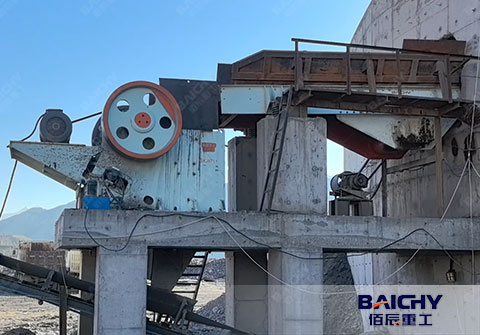
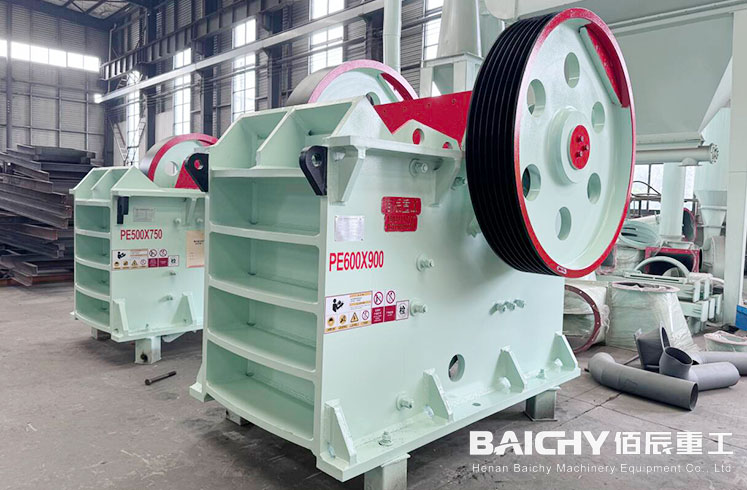
Jaw crushers are the undisputed kings of the primary crushing stage. They operate using a simple but incredibly powerful compressive force to squeeze large rocks until they shatter. Built with exceptionally heavy-duty cast steel and manganese plates, they easily chew through the hardest and most abrasive materials like granite. Because of their sheer strength and remarkable durability, jaw crushers are found at the very front of almost every commercial quarry production line in the world.
Cone Crushers
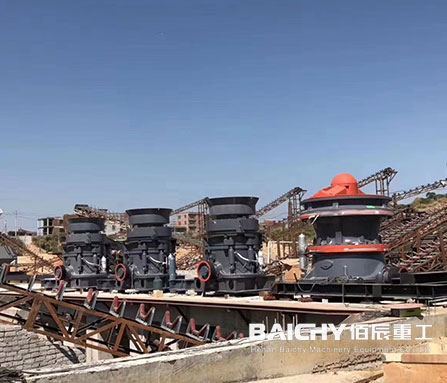
Cone crushers are highly advanced machines typically utilized in the secondary and tertiary crushing stages. They crush rock by continuously squeezing it between an eccentrically spinning mantle and a stationary outer bowl. This specialized design makes them exceptionally capable of handling extremely hard and abrasive ores. Since they experience far less wear and tear than impact-style machines, cone crushers offer an incredibly cost-effective solution for long-term aggregate processing.
Impact Crushers
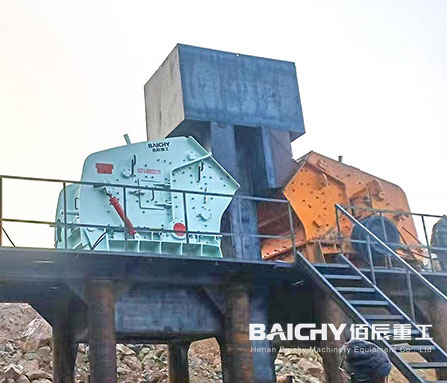
Impact crushers operate by violently striking the incoming rocks at incredibly high speeds rather than squeezing them. This shattering effect naturally breaks the stone along its fault lines, producing a beautifully uniform and perfectly cubical final shape. They are the ideal choice for processing soft to medium-hard rocks, such as natural limestone. While they offer excellent reduction ratios, feeding them highly abrasive materials will quickly wear out their heavy steel blow bars.
Gyratory Crushers
Gyratory crushers are massive, high-capacity machines that function similarly to jaw crushers but utilize a continuous circular crushing motion. Because they do not have the intermittent crushing cycle of a standard jaw, their overall material throughput is absolutely staggering. They are exclusively reserved for ultra-large commercial mining operations that require thousands of tons processed every single hour. Their immense size requires deep concrete foundations and expert installation.
Stationary vs. Portable Quarry Crushers: Which is Better?
When designing a new processing plant, one of the most critical decisions is choosing between a traditional fixed installation and a movable setup. This choice heavily impacts your initial capital investment, daily operational flexibility, and long-term trucking logistics. Both systems offer distinct financial and mechanical advantages depending on the lifespan of your mining project. Here is how stationary and portable crushing plants compare in today’s fast-paced aggregate market.
Stationary Crushing Plants
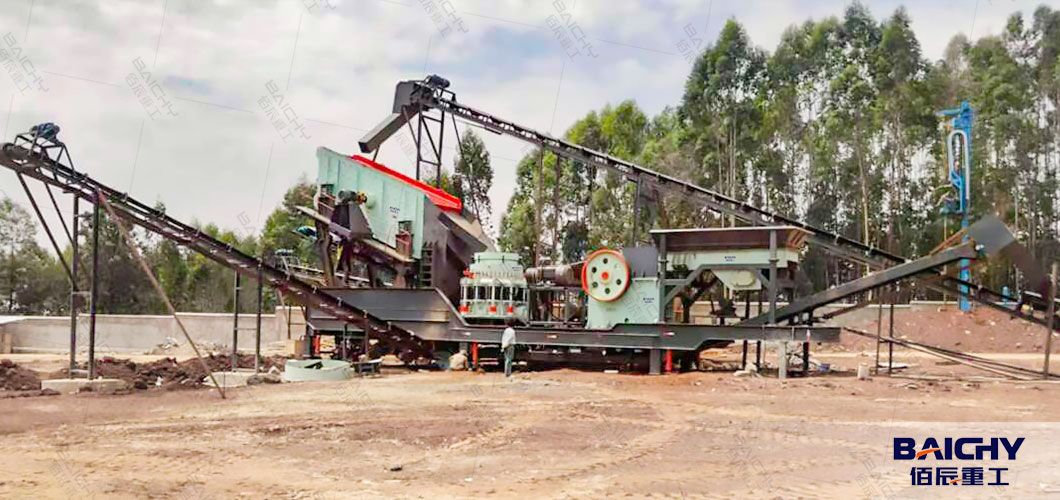
Stationary crushing plants are massive facilities securely bolted to permanent, heavy-duty concrete foundations. They are specifically engineered to provide the absolute highest production capacities and the lowest long-term operating costs. While they require a significant upfront investment in complex civil engineering, they are perfect for commercial quarries with a multi-decade lifespan. Their deep customization options allow operators to seamlessly link multiple screens and conveyors.
Portable and Tracked Mobile Crushers
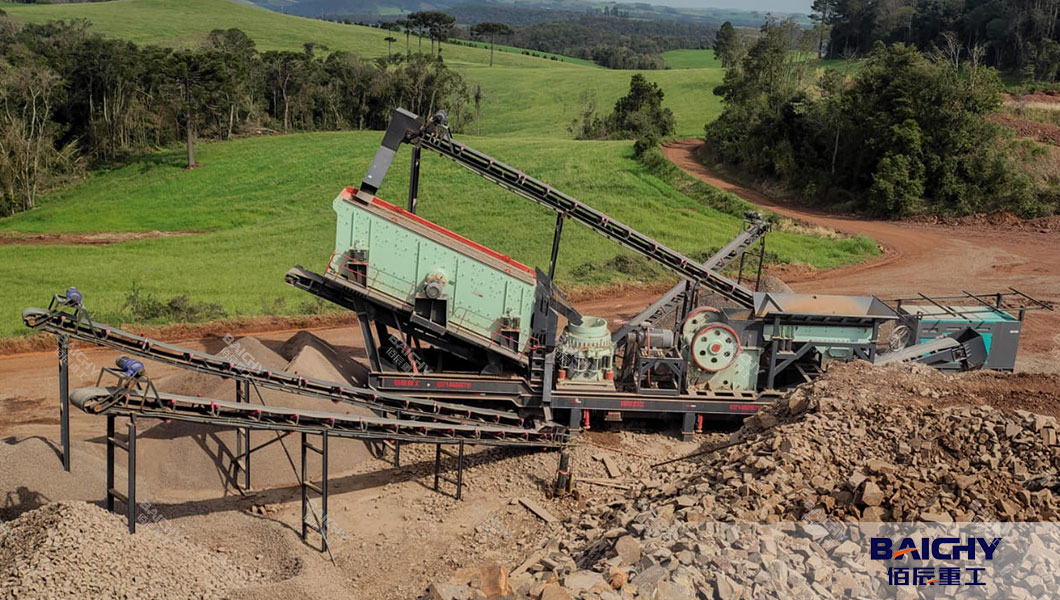
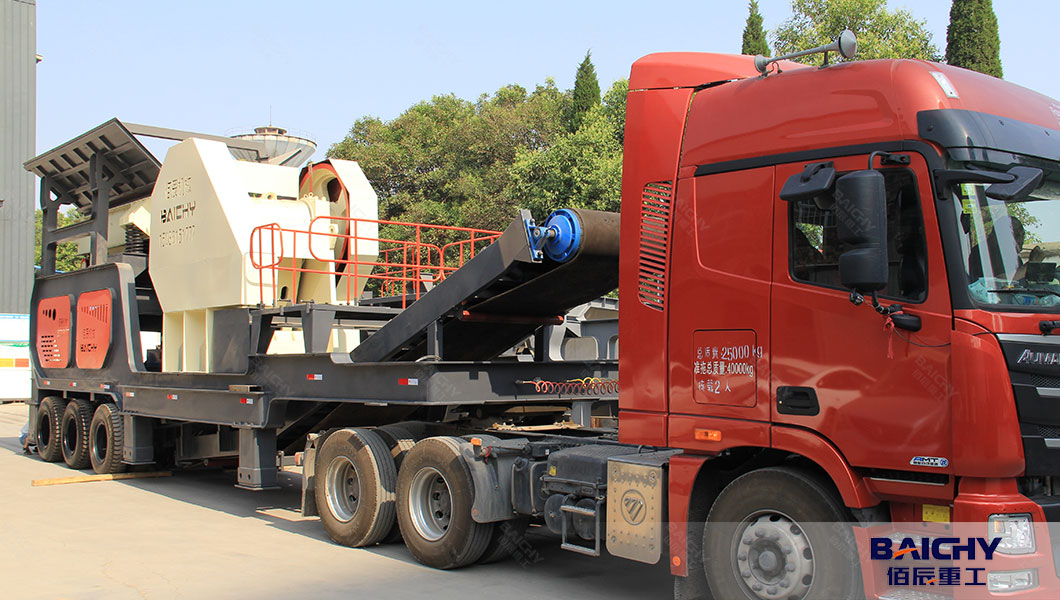
Portable crushers are essentially a complete quarry on wheels, mounted on heavy-duty crawler tracks or rubber tires. They can be driven directly up to the blasted rock face, virtually eliminating the massive expense of hauling raw material across the site. In 2026, smart hybrid and electric mobile crushers are the fastest-growing market trend. They are incredibly easy to set up and represent the ultimate solution for recycling contractors who frequently move between demolition sites.
What Materials Can a Quarry Crusher Process?
A well-designed quarry crusher is remarkably versatile and can process a massive variety of challenging materials. In traditional mining, they easily crush natural rocks and ores, including highly abrasive granite, dense basalt, quartz, and softer limestone. However, their utility goes far beyond natural stone. In the modern recycling industry, these robust machines effortlessly crush heavy construction and demolition waste, separating steel rebar from old concrete and asphalt chunks.
Quarry Crusher Price Guide & Buying Tips
Pricing for crushing equipment in 2026 varies drastically based on capacity and mobility. Small stationary jaw crushers start around $15,000, while massive tracked mobile plants easily exceed $1,000,000. When buying, carefully compare the benefits of a brand-new machine with a warranty versus a cheaper used unit with unknown wear. Always evaluate your daily production target, specific rock hardness, and desired output size before making any major financial investment in heavy machinery.
Choosing the correct quarry crusher is the absolute most important factor in determining the profitability of your aggregate business. The right equipment will maximize your daily tons-per-hour output while drastically lowering your long-term maintenance and fuel expenses. Are you completely ready to upgrade your quarry operations? Contact our expert engineering team today for a customized crushing solution and get a highly competitive equipment quote tailored exactly to your unique project!




 2026-09-21





 86-15093113821
 86-15093113821