Gold is one of the most valuable metals in the world, but it is rarely found in pure form. In most mining operations, gold exists in very low concentrations inside rocks and minerals. Extracting gold from gold ore requires a series of carefully designed processes to separate valuable gold particles from waste materials.
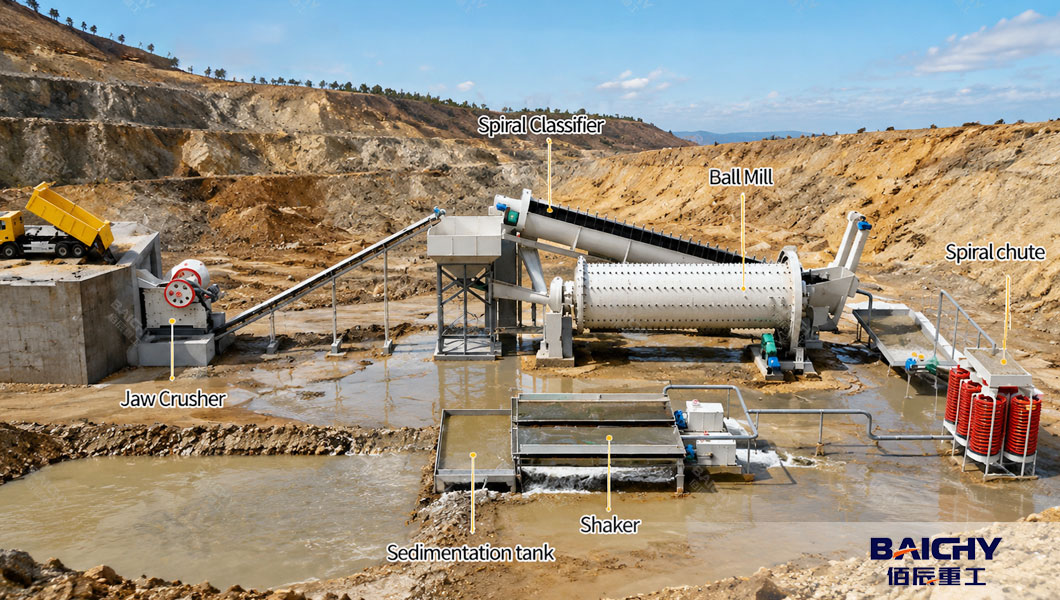
Modern gold extraction usually involves several stages, including ore crushing, grinding, mineral separation, gold leaching, recovery, and refining. The exact process depends on the type of gold ore, gold particle size, and mineral composition. For mining companies, choosing the right gold processing method and equipment is essential to achieve high recovery rates while reducing operating costs.
What Is Gold Ore?
Gold ore is natural rock containing gold minerals that can be economically processed to recover gold. Because gold is usually distributed in very small amounts, the first challenge is to release gold particles from the surrounding minerals.
Common types of gold ore include:
● Oxide Gold Ore: Oxide ores are easier to process because gold particles are usually more exposed. They are commonly treated through crushing, grinding, and cyanide leaching.
● Sulfide Gold Ore: Sulfide ores are more complex because gold may be locked inside sulfide minerals such as pyrite. These ores often require additional processes such as flotation, oxidation, and advanced leaching.
● Alluvial Gold Ore: Alluvial gold deposits contain free gold particles collected in riverbeds or sediments. Gravity separation is usually the preferred recovery method because gold has a much higher density than most other minerals.
How Is Gold Extracted from Gold Ore?
The complete gold extraction process generally follows these steps:
Gold Ore → Crushing → Grinding → Separation → Leaching → Gold Recovery → Smelting & Refining
Each stage has a specific purpose to maximize gold recovery.
Step 1: Crushing Gold Ore
The first stage of gold processing is reducing large rocks into smaller pieces.
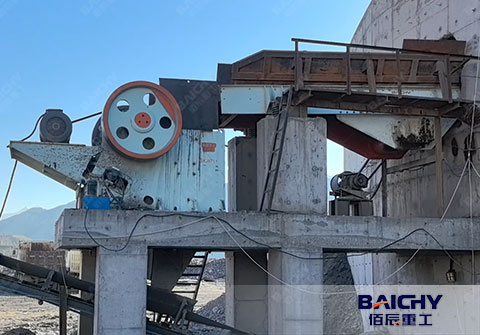
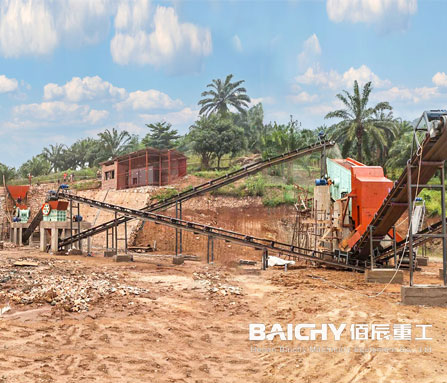
Raw gold ore from the mine is usually transported to a crushing plant, where crushers break the ore into manageable sizes.
Common crushing equipment includes:
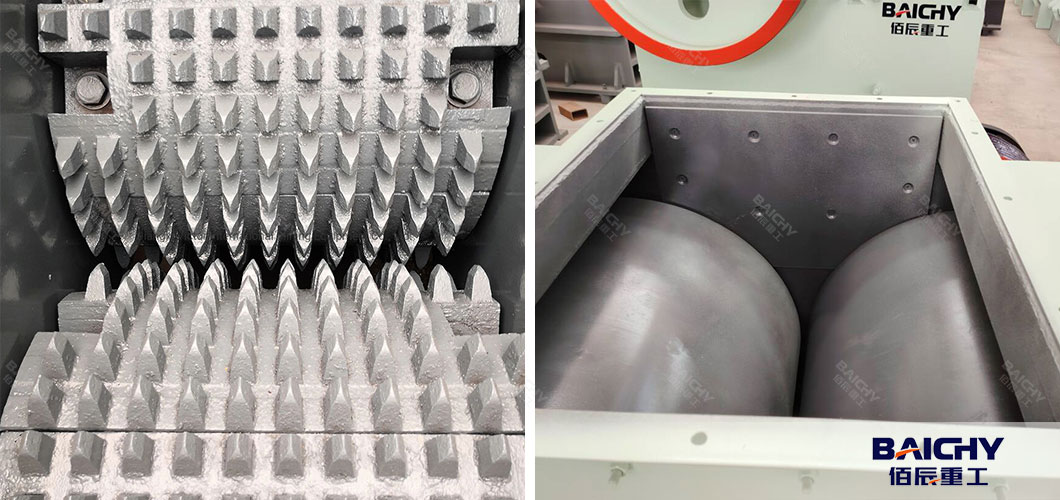
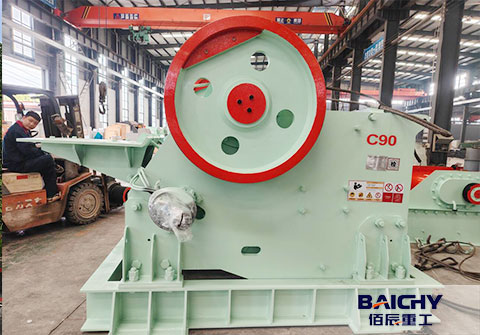
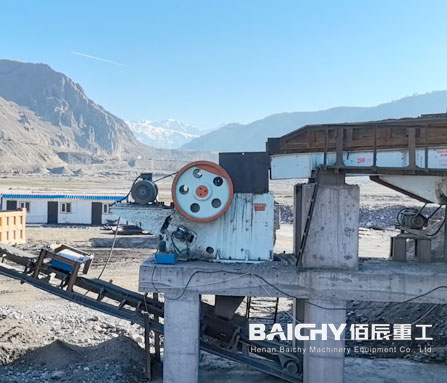
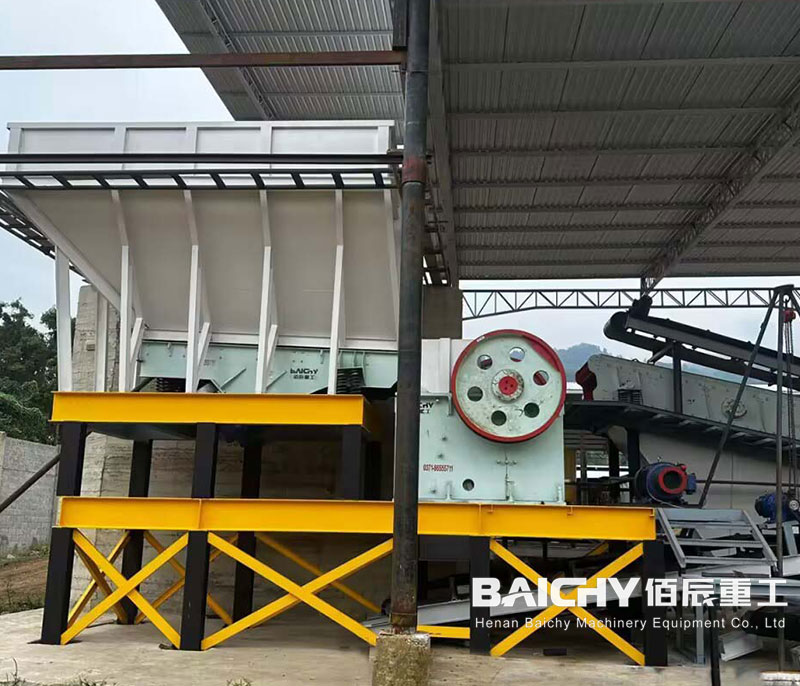
● Jaw crushers for primary crushing
● Cone crushers for secondary and fine crushing
● Impact crushers for certain applications
The purpose of crushing is to increase the surface area of the ore and prepare it for further grinding and gold liberation.
Step 2: Grinding and Mineral Liberation
After crushing, the ore enters the grinding circuit.
A ball mill is commonly used to grind crushed ore with water into fine slurry. The grinding process releases gold particles from surrounding minerals, making them available for recovery.
A typical gold processing grinding circuit includes:
● Ball mill
● Spiral classifier
● Hydrocyclone
● Thickener
The finer the ore is ground, the more effectively the gold can be exposed during the following extraction stages.
Step 3: Gold Ore Separation and Concentration
Before chemical extraction, gold can be concentrated using physical separation methods.
1. Gravity Separation: Gravity separation works because gold is much denser than most other minerals.
Common gravity equipment includes:
● Shaking tables
● Spiral concentrators
● Centrifugal concentrators
This method is especially effective for coarse free gold.
2. Flotation: For sulfide gold ores, flotation is widely used.
During flotation, chemical reagents and air bubbles separate gold-bearing minerals from waste rock, producing a gold-rich concentrate for further processing.
Step 4: Gold Leaching Process
For many industrial gold mines, cyanide leaching is the most common extraction method.
During cyanide leaching, crushed and ground ore is mixed with a cyanide solution. The cyanide dissolves gold from the ore, forming a soluble gold-cyanide complex.
There are two main industrial leaching methods:
1. Heap Leaching: Heap leaching is mainly used for low-grade gold ore.
The process includes:
● Crushing ore
● Stacking ore on a lined pad
● Spraying cyanide solution over the heap
● Collecting gold-bearing solution
This method has lower investment costs and is suitable for large quantities of low-grade ore.
2. Tank Leaching
Tank leaching is commonly used in modern gold processing plants.
Ground ore is mixed with cyanide solution inside agitated tanks. The dissolved gold is then recovered using activated carbon technology.
Step 5: Gold Recovery with CIL and CIP Technology
After gold is dissolved during leaching, the gold must be recovered from the solution.
The two most common carbon recovery methods are:
1. Carbon in Pulp (CIP)
In the CIP process:
● Gold ore is first leached with cyanide.
● Activated carbon is added afterward.
● Gold-cyanide complexes are adsorbed onto carbon.
2. Carbon in Leach (CIL)
CIL combines gold leaching and carbon adsorption in the same tanks.
The main advantages include:
● Simplified process flow
● Reduced equipment requirements
● High gold recovery efficiency
CIL has become a common solution for modern gold processing plants, especially for finely distributed gold ores.
A typical CIL gold processing flow includes:
Crushing → Grinding → Slurry Preparation → Cyanide Leaching → Activated Carbon Adsorption → Elution → Electrowinning → Smelting
Step 6: Gold Elution, Electrowinning and Smelting
After activated carbon captures gold, the loaded carbon goes through an elution process.
● Elution. Gold is removed from activated carbon using a high-temperature chemical process, producing a gold-rich solution.
● Electrowinning. Electric current is used to recover gold from the solution and produce gold sludge.
● Smelting. The recovered gold sludge is melted with flux materials to produce doré bars containing gold and silver.
● The doré bars are then sent to refineries for final purification.
Equipment Used in a Gold Extraction Plant
A complete gold processing plant usually includes:
Crushing Equipment
Jaw crusher
Cone crusher
Vibrating feeder
Grinding Equipment
Ball mill
Spiral classifier
Hydrocyclone
Beneficiation Equipment
Gravity concentrator
Flotation machine
Thickener
Gold Recovery Equipment
Leaching tanks
CIL/CIP tanks
Activated carbon system
Electrowinning equipment
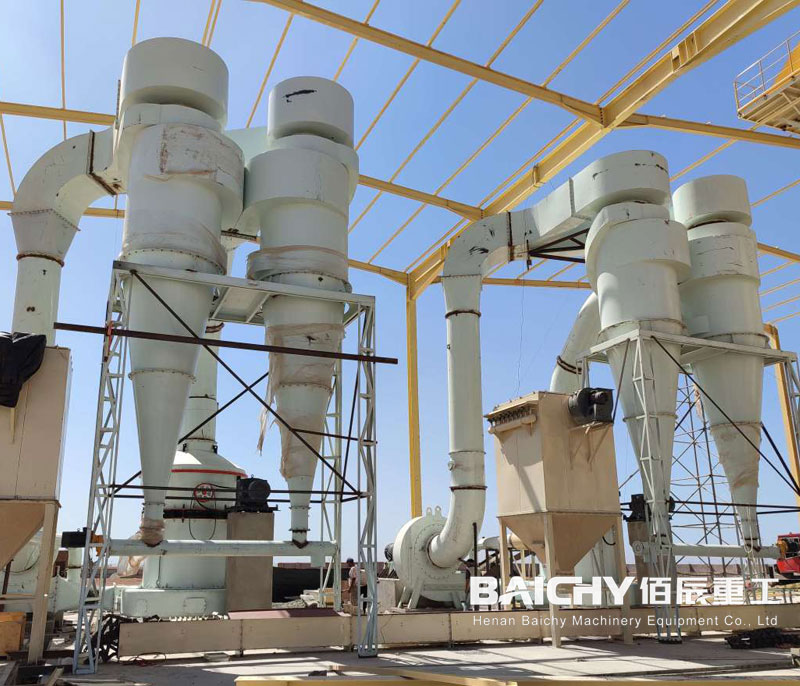
Baichy Machinery provides complete mineral processing solutions, including crushing and grinding equipment for gold ore preparation and customized gold processing plant design according to ore characteristics and production capacity requirements.
How to Choose the Right Gold Extraction Method?
The best gold extraction method depends on:
1. Gold Ore Type. Different ores require different treatment methods.
For example:
● Free gold → gravity separation
● Sulfide gold ore → flotation + leaching
● Low-grade oxide ore → heap leaching
● Fine disseminated gold → CIL/CIP processing
2. Processing Capacity
Small-scale mines may choose compact processing plants, while large mines usually require complete crushing, grinding, and CIL circuits.
3. Gold Recovery Requirement.
Higher recovery targets usually require more advanced grinding and extraction technology.
Complete Gold Processing Solution from Baichy Machinery
A successful gold mining project requires more than individual machines. It requires a complete process design based on:
● Ore characteristics
● Required capacity
● Final gold recovery target
● Investment budget
Baichy Machinery can provide customized solutions covering:
Gold ore crushing plant → Grinding system → Mineral separation → Gold recovery process
With professional engineering support, mining companies, like Baichy Machinery, can achieve stable production and efficient gold recovery. Henan Baichy Machinery Equipment Co., Ltd. is a mining machinery manufacturer integrating R&D, production and sales. Stone crusher is one of its core production equipment. It has mature technology and processes, complete models and configurations, and technical engineers can tailor production line configuration plans for you. If you are interested in the stone crusher, please click on the online consultation to get solution and price now. Baichy Machinery is dedicated to serving you 24 hours a day!
Frequently Asked Questions About Gold Extraction
1. What is the most common method used to extract gold from ore?
The most common industrial method is cyanide leaching, often combined with activated carbon recovery technologies such as CIL or CIP.
2. What equipment is needed for gold ore processing?
A typical gold processing plant requires crushers, grinding mills, classifiers, separation equipment, leaching tanks, carbon recovery systems, and refining equipment.
3. Can gold be extracted without cyanide?
Yes. Some gold ores can be processed using gravity separation, flotation, or alternative technologies depending on mineral characteristics.
4. What is the difference between CIL and CIP gold processing?
CIP performs leaching first and carbon adsorption afterward, while CIL combines leaching and adsorption in the same circuit.




 2026-09-29





 86-15093113821
 86-15093113821