River pebbles and cobblestones are widely used in concrete production, road construction, and building materials because of their excellent hardness and durability. However, cobblestone is a challenging material to process. It usually has high compressive strength, smooth surface characteristics, and strong wear resistance. A crushing plant must be carefully designed to achieve stable production, good particle shape, and reasonable operating costs.
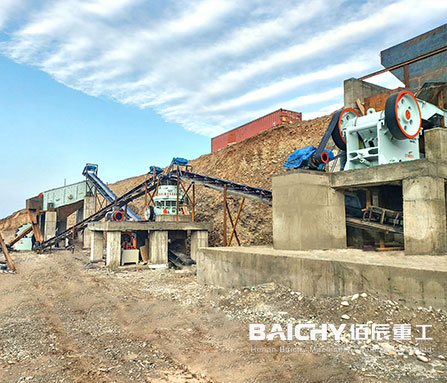
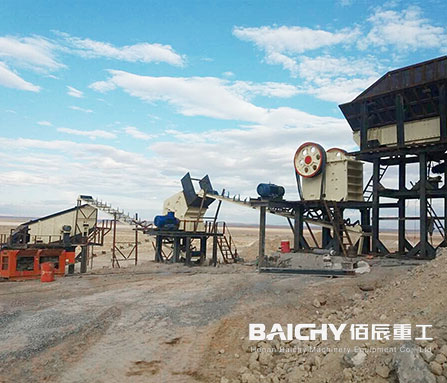
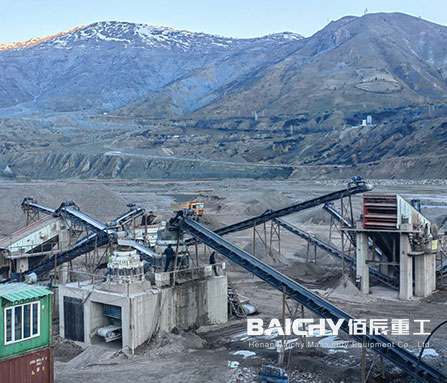
Last year Baichy Machinery designed and supplied a 200TPH cobblestone crushing plant solution for a customer in Vietnam. Based on the raw material characteristics and production requirements, Baichy engineers selected a combination of jaw crusher + cone crusher + vibrating screening equipment to create an efficient aggregate production line. This project provides a practical reference for customers who are looking for a 200tph pebble crushing plant design.

Project Overview: 200TPH Cobblestone Crushing Plant in Vietnam
The Vietnam customer required a complete crushing solution for processing river pebbles into construction aggregates.
The main project requirements were:
Location :Vietnam
Raw material :Cobblestone / river pebble
Capacity: 200 tons per hour
Material hardness: High hardness pebble
Feeding size: Large raw stones
Final products: Multiple sizes of aggregates
Because cobblestone has high hardness and high abrasiveness, the crushing equipment needed to have strong crushing capacity, excellent wear resistance, and stable long-term operation.
Raw Material Characteristics of Cobblestone
Cobblestone is mainly formed through long-term river erosion. Compared with ordinary limestone, it has several special characteristics:
● High hardness and strong abrasion
Most river pebbles have high compressive strength, which causes greater wear on crushing equipment. Therefore, equipment selection must focus on durability and crushing efficiency.
● Irregular feeding size
The raw material usually contains large stones mixed with different sizes. A primary crushing stage is necessary to reduce the feed size before further processing.
● Strict requirements for aggregate shape
For construction applications, customers usually require cubic-shaped aggregates with fewer flaky particles. Therefore, secondary crushing equipment plays an important role in improving final product quality.
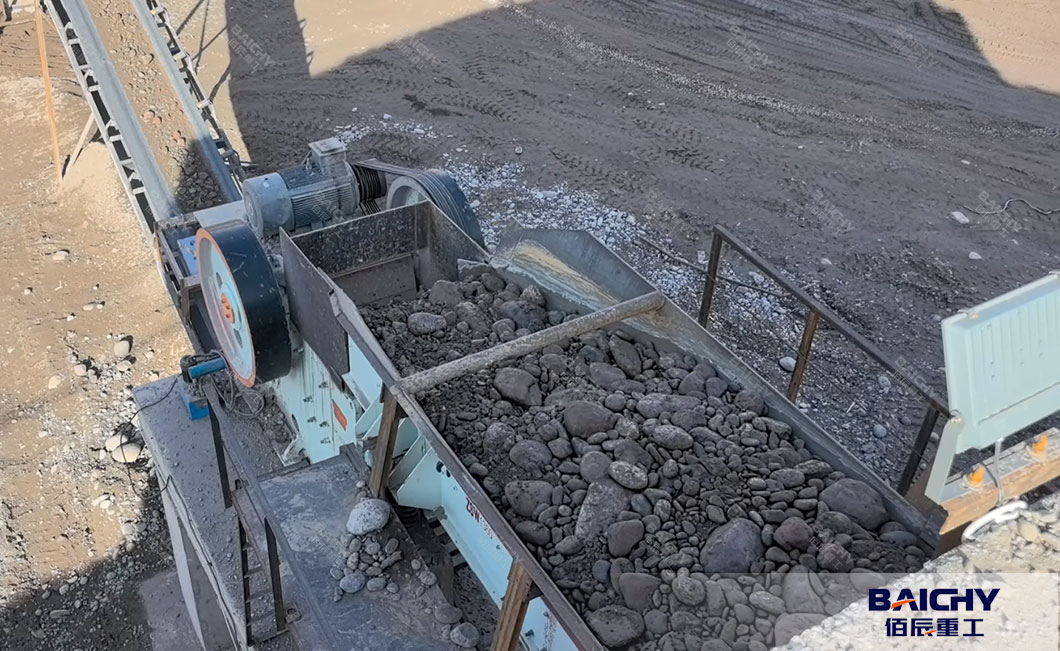
Recommended Equipment Configuration for 200TPH Cobblestone Crushing Plant
According to the project requirements, Baichy engineers designed a two-stage crushing process:
Primary crushing + Secondary crushing + Screening
The main equipment configuration includes:
1. Vibrating Feeder
The vibrating feeder is installed before the jaw crusher. It provides continuous and stable feeding while removing small particles and soil from the raw material.
A stable feeding system helps improve crusher efficiency and reduces unnecessary equipment load.
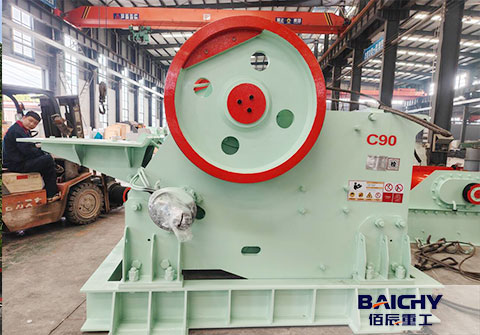
2. C106 Jaw Crusher for Primary Crushing
For high-hardness cobblestone, jaw crusher is usually selected as the first crushing stage.
The advantages include:
● Strong crushing capacity
● Large feeding opening
● High reliability
● Suitable for hard and abrasive materials
In this project, the jaw crusher C106 reduces large river pebbles into smaller sizes suitable for secondary crushing.
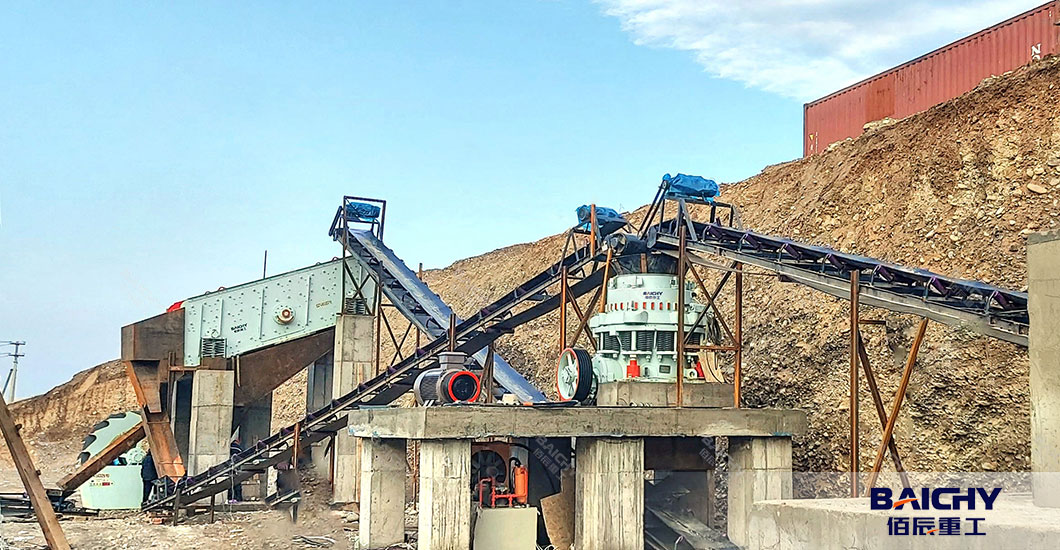
3. CS220 Cone Crusher for Secondary Crushing
After primary crushing, the material enters the cone crusher CS220 for further size reduction.
Cone crusher is ideal for cobblestone processing because:
● It provides high crushing efficiency
● It produces better particle shape
● It has excellent wear resistance
● It is suitable for continuous operation
The combination of jaw crusher and cone crusher is widely used in hard rock and pebble crushing plants.
4. Vibrating Screen for Final Classification
The vibrating screen separates crushed materials into different sizes according to customer requirements. Oversized material is returned to the cone crusher for re-crushing, forming a closed-circuit production loop.
Typical final aggregate products include:
● 0-5 mm
● 5-10 mm
● 10-20 mm
● 20-31.5 mm
Different product sizes can meet the requirements of concrete plants, road construction, and commercial aggregate production.

Why Choose Jaw Crusher + Cone Crusher for Cobblestone Crushing?
For hard materials such as river pebble, granite, and basalt, a combination of jaw crusher and cone crusher is commonly recommended.
1. Strong crushing ability for hard stone
The jaw crusher handles large-size cobblestone efficiently during the first crushing stage, reducing oversized material into manageable sizes.
The cone crusher then provides secondary crushing with better control of final particle size.
2. Better aggregate shape
Compared with impact crushing alone, cone crushing provides stable performance when processing highly abrasive materials.
It helps produce more cubic aggregates with lower flakiness.
3. Lower long-term operating cost
Although cobblestone is highly abrasive, jaw crushers and cone crushers are designed for heavy-duty applications.
Their robust structure and replaceable wear parts help reduce maintenance costs during long-term production.
Why Choose Baichy for a Cobblestone Crushing Plant Project?
Baichy Machinery has more than 20 years of experience in crushing and grinding equipment manufacturing.
For aggregate customers, Baichy provides:
1. Customized crushing solutions
Every crushing plant is designed according to:
● Raw material properties
● Production capacity
● Output requirements
● Working environment
● Complete engineering support
Baichy engineers provide support from plant design and equipment selection to installation guidance and operation training.
2. Reliable equipment manufacturing
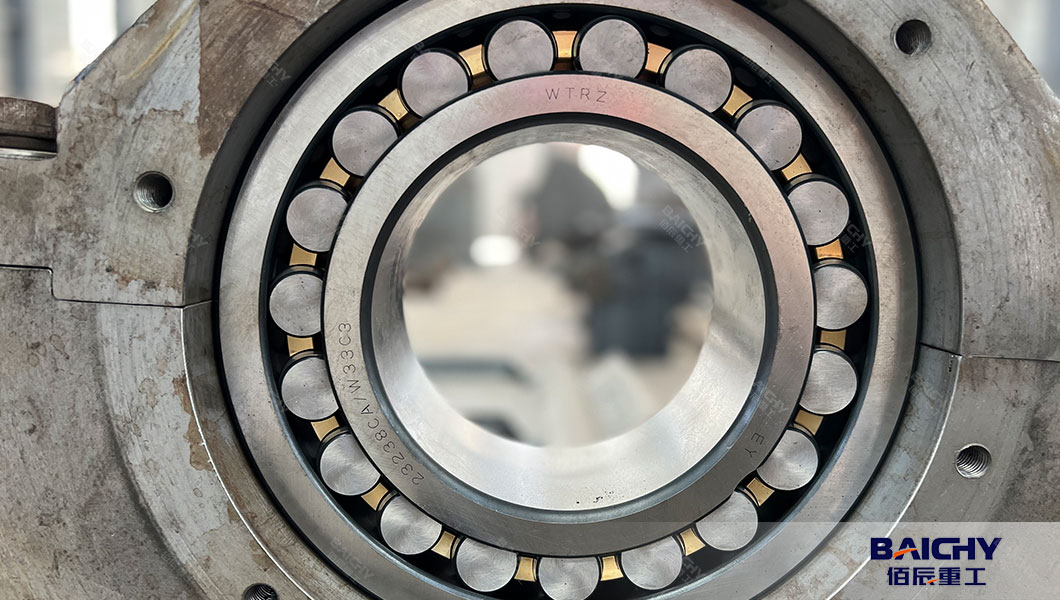
Baichy produces crushing equipment with strict quality control to ensure stable performance in demanding mining and aggregate applications.
A successful 200TPH cobblestone crushing plant requires more than selecting individual machines. The complete solution must consider raw material properties, production capacity, final aggregate requirements, and long-term operating costs. With professional engineering experience and customized solutions, Baichy helps global customers build efficient and economical crushing plants for hard rock and pebble processing.
FAQ About 200TPH Cobblestone Crushing Plant
1. Can a 200TPH plant process other materials besides cobblestone?
Yes. The same configuration can handle granite, basalt, river stone, and other high-hardness rocks with similar compressive strength. However, the discharge settings and screen mesh sizes may need adjustment based on the specific material and target product specifications.
2. How much does a 200TPH stone crushing plant cost?
The cost depends on equipment configuration, material characteristics, automation level, and installation requirements. A customized quotation is usually required after evaluating the complete project conditions.
3. Can a cobblestone crushing plant produce sand?
Yes. With additional crushing and screening equipment, a cobblestone crushing plant can be designed to produce manufactured sand and different aggregate sizes according to market demand.
4. How long is the delivery time?
For standard models, delivery is typically 15-30 working days after receiving the deposit. For customized configurations or non-standard models, delivery may take 30-45 working days.
5. What about after-sales service?
A reliable manufacturer should provide:
● Installation and commissioning guidance (on-site or remote)
● Operator training
● Spare parts supply with reasonable lead times
● Technical support for troubleshooting and process optimization




 2026-10-22






 86-15093113821
 86-15093113821