When a jaw crusher stops discharging material, it brings the entire production line to a standstill. Understanding the root cause is the first step toward a quick fix. Most blockages aren't caused by a broken machine, but rather by operational factors or setup errors. Whether it is a sticky material issue or a power supply problem, identifying these factors early can save your enterprise thousands of dollars in lost productivity and repair costs. If you’re struggling with blocked crushing chambers or sluggish feeding, the root cause is likely one of five common issues. Below, we break down each problem and share actionable solutions to illustrate how proactive measures can prevent costly disruptions.
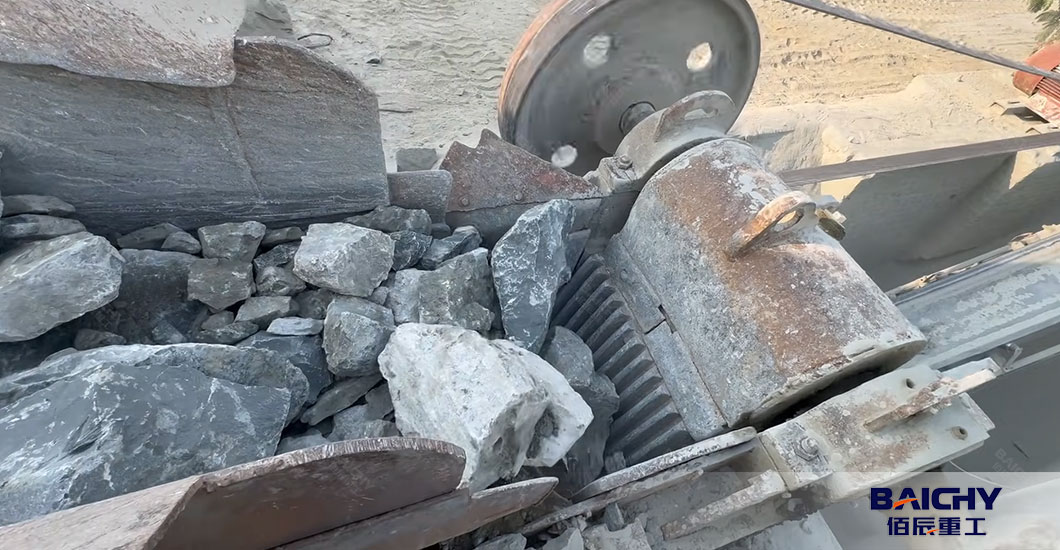
1. High Material Moisture Content – Sticky Build-Up Blocks the Chamber
Wet or sticky materials are a leading culprit behind jaw crusher jamming. When the moisture content of raw materials exceeds 10-15%, crushed particles clump together, forming “mud cakes” that adhere to the jaw plates and lining. Over time, this build-up narrows the crushing chamber, restricting material flow and eventually causing a complete blockage. Materials like clay-rich ores, damp limestone, or rainy-season aggregates are particularly prone to this issue.
Solutions are straightforward yet effective. First, implement pre-screening and washing systems to remove excess moisture and clay before feeding. For example, adding a vibrating screen with a wash water spray can reduce material moisture to safe levels (below 8%) . If washing isn’t feasible, adjust the crusher’s operating parameters: slightly widen the discharge opening to improve flow and reduce the spindle speed to minimize compaction. Remember, proactive moisture control is far cheaper than clearing a hardened blockage.
2. Overfeeding or Uneven Feeding – Overloading the Crushing Chamber
Crushing efficiency relies on balanced material flow—too much feed, too fast, and your jaw crusher can’t keep up. feeding too much at once or inconsistent feeding speed overwhelms the chamber, causing materials to pile up faster than they can be crushed. This overload leads to bridging: large chunks of material form an arch across the feed opening, blocking new material from entering and trapping already crushed particles inside.
Many operators make the mistake of cranking up the feed conveyor to maximize throughput, but this backfires. When the crushing chamber is overfilled (above 70% capacity), the moving jaw can’t generate enough force to break down the excess material. A jammed chamber that requires manual cleaning—a time-consuming and potentially dangerous task. Even slight fluctuations in feed speed (more than ±15%) can disrupt the balance, as the crusher struggles to adapt to sudden surges .
The solution starts with controlled feeding. Install a variable-frequency drive (VFD) on the feed conveyor to adjust speed based on chamber fill level. Most modern jaw crushers can be equipped with level sensors that send real-time data to the VFD, slowing down the feed when the chamber is full and speeding up when it’s clear. Additionally, train operators to follow the “80% rule”: keep the feed opening 80% full to maintain optimal crushing action without overloading.
3. Uncrushable Foreign Objects – Metal and Debris Damage Equipment
Jaw crushers are designed to handle rocks and ores, not metal, wood, or concrete debris. When iron blocks, steel rods, or other uncrushable objects enter the chamber, they can’t be broken down—instead, they get wedged between the jaw plates, causing immediate jamming. Worse, the impact of the moving jaw against hard foreign objects can crack or wear jaw plates, bend the eccentric shaft, or damage the toggle plate, leading to costly repairs.
Prevention is key: install metal detectors at the feed conveyor to identify and divert ferrous materials before they reach the crusher. Pairing detectors with automatic diverters can stop foreign objects from entering the chamber entirely. Additionally, conduct regular inspections of the feed stockpile to remove visible debris. If a jam does occur, follow strict safety protocols: shut off power, and use mechanical tools (like excavator-mounted hammers) to dislodge the object—never attempt to clear it manually .
4. Installation Errors – Misalignment Breaks Down Feeding Mechanisms
Even the best jaw crusher will fail if installed incorrectly. One of the most common installation mistakes is reversed motor wiring, which causes the motor to run in the wrong direction. Since the moving jaw’s motion depends on the eccentric shaft’s rotation, reversed wiring disrupts the crushing cycle—instead of pushing material downward, the jaw may pull it upward or move erratically, leading to jamming and uneven feeding.
Other installation issues include misaligned jaw plates, improper gap settings between the moving and stationary jaws, or loose fasteners. For example, if the jaw plates are not parallel, material will accumulate on one side of the chamber, causing uneven wear and blockages. Similarly, a discharge opening set too small for the material size will trap crushed particles, preventing new feed from entering.
Avoiding these problems starts with following the manufacturer’s installation guidelines. Always verify motor rotation direction before full operation—most crushers have a directional arrow on the motor housing. Use laser alignment tools to ensure jaw plates are parallel and gap settings match your material’s required output size. Tighten all bolts to the specified torque and check them regularly, as vibration during operation can loosen fasteners over time. If you’re unsure about installation, hire a certified technician—investing in proper setup saves countless hours of troubleshooting later.
5. Low Voltage at the Workplace – Power Loss Reduces Crushing Force
Jaw crushers rely on consistent electrical power to drive the motor and eccentric shaft. When the workplace voltage drops below the rated value (typically by 10% or more), the motor’s output power decreases significantly—by up to 19% for a 10% voltage drop . This reduction in power translates to slower eccentric shaft rotation and weaker jaw movements, making it impossible to crush materials efficiently. Material piles up in the chamber, leading to jamming and reduced throughput.
Fixing voltage issues requires a two-pronged approach. First, install a voltage stabilizer to regulate power supply and keep fluctuations within ±5% of the rated value. For sites with unreliable grid access, add a backup diesel generator to ensure continuous power during outages. Regular electrical inspections can also identify potential issues before they cause downtime.
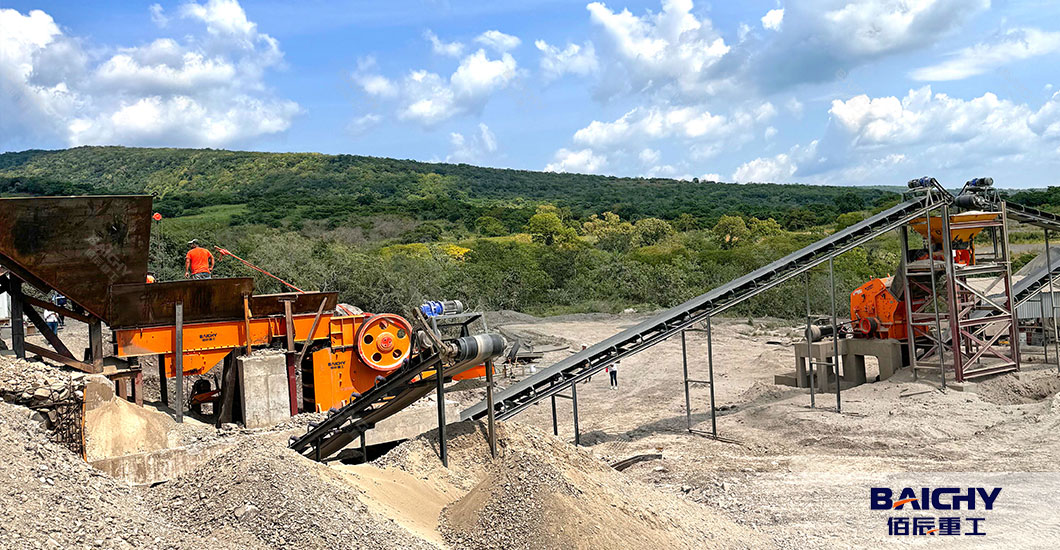
Real-World Case: Solving a Persistent Blockage at a Limestone Quarry
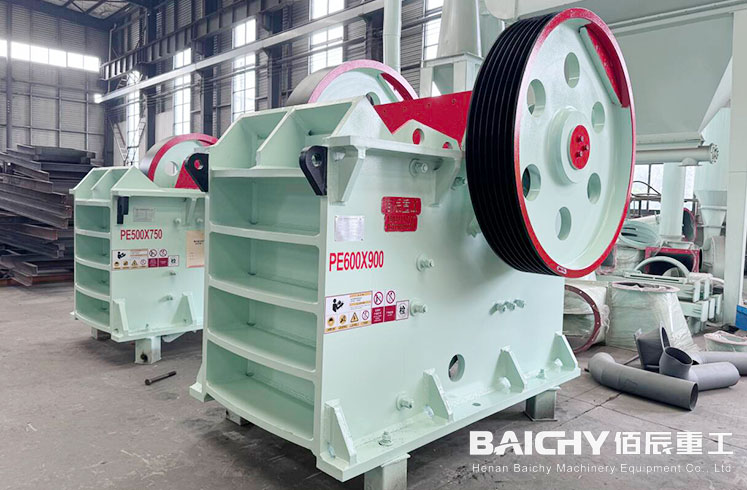
A limestone quarry owner recently reported that their PE600x900 jaw crusher was frequently jamming and failing to discharge material after only two hours of operation. Initially, the site manager suspected a mechanical failure in the toggle plate. However, after our technical team arrived, we performed a thorough audit. We discovered two critical issues: the site voltage dropped by nearly 20% when the secondary crushers started, and the raw limestone was being stored in an uncovered pit during the monsoon season.
The combination of low torque and sticky, wet fines was causing the material to "cake" at the bottom of the jaw. To solve this, the client installed a voltage stabilizer and implemented a covered storage area for the raw feed. The "jamming" problem disappeared immediately, and the plant’s hourly output increased by 25%. This case proves that environmental and electrical factors are just as important as the mechanical health of your jaw crusher. Always look at the "big picture" when troubleshooting your equipment.
Jaw crusher jamming and feeding failures don’t have to be inevitable. By addressing moisture, feeding speed, foreign objects, installation, and voltage, you can minimize downtime, protect equipment, and boost productivity. Start with a quick audit: check material moisture levels, inspect feed rates, verify motor wiring, and test voltage stability. Implement the solutions outlined above, and consider partnering with a equipment specialist for personalized adjustments.
Are you tired of frequent blockages and lost revenue due to equipment downtime? Choosing the right jaw crusher and having expert technical support can make all the difference in your mining operation. Whether you are looking to upgrade your current setup or need professional advice on optimizing your production line, our team is ready to help. Click our [Online Service] now to speak with a specialist, get a free consultation, or receive the most competitive quote on the market.




 2026-09-29





 86-15093113821
 86-15093113821