A grinding mill plant is an integrated industrial system designed to reduce raw materials—such as ores, minerals, and aggregates—into fine particles or powders, enabling the extraction of valuable components or the production of high-quality end products. At its core, the plant consists of three key components: the main grinding mill (the workhorse of the system), auxiliary equipment (including feeders, conveyors, and classifiers), and a streamlined process flow that ensures continuous operation. These plants play a pivotal role across multiple sectors: in mining, they pulverize ores to extract metals like iron and copper; in construction, they produce calcium carbonate powder and cement clinker for building materials; and in chemical manufacturing, they refine raw materials for specialized products. Beyond enabling production, grinding mill plants enhance resource efficiency by maximizing the utilization of raw materials and boosting overall operational productivity—critical factors in today’s demand-driven industrial landscape.
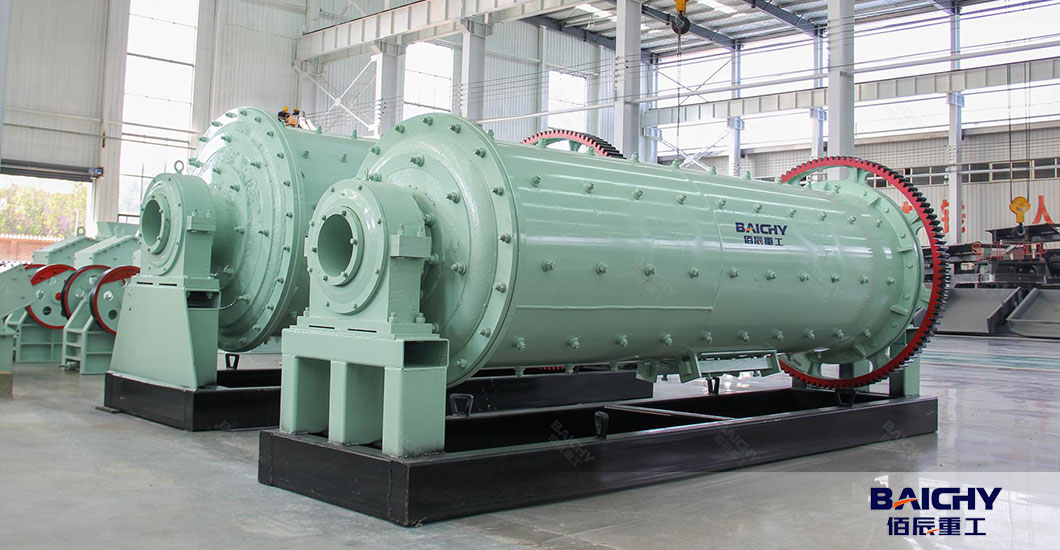
Key Types of Grinding Mills & Their Technical Features
1. Mainstream Grinding Mill Categories
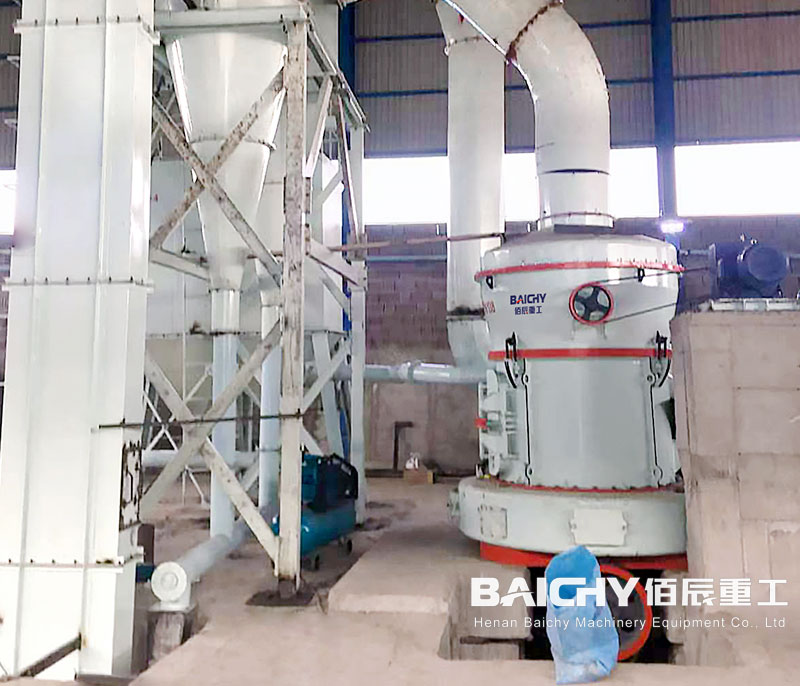
The most widely used grinding mills are classified by their structure and function, each tailored to specific processing needs. Ball mills stand out as the most versatile option, using steel or ceramic balls as grinding media to handle a wide range of ores and materials—making them a staple in mining and cement production. Rod mills, by contrast, are designed for rough grinding in mineral processing plants, using cylindrical rods to break down larger ore particles without over-crushing. Autogenous (AG) mills and semi-autogenous (SAG) mills eliminate the need for additional grinding media, relying on the ore itself to facilitate crushing—ideal for large-scale mines seeking high efficiency. Stirred mills excel at fine and ultra-fine grinding, perfect for producing high-purity minerals used in advanced materials. Ring roller mills, meanwhile, are the go-to choice for the construction industry, efficiently producing powdered materials like limestone and gypsum.
2. Specialized Grinding Mill Types
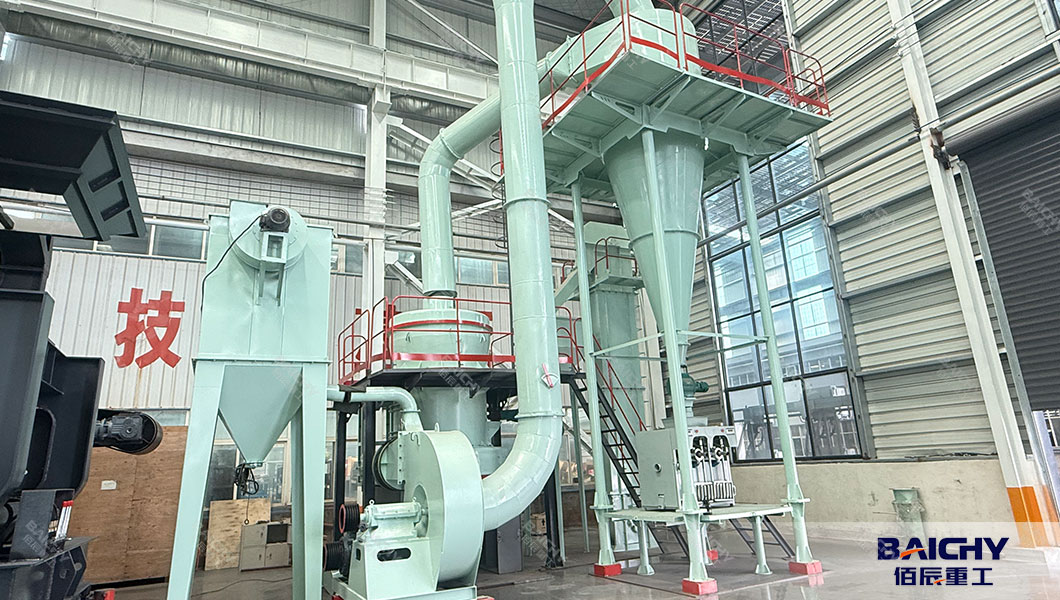
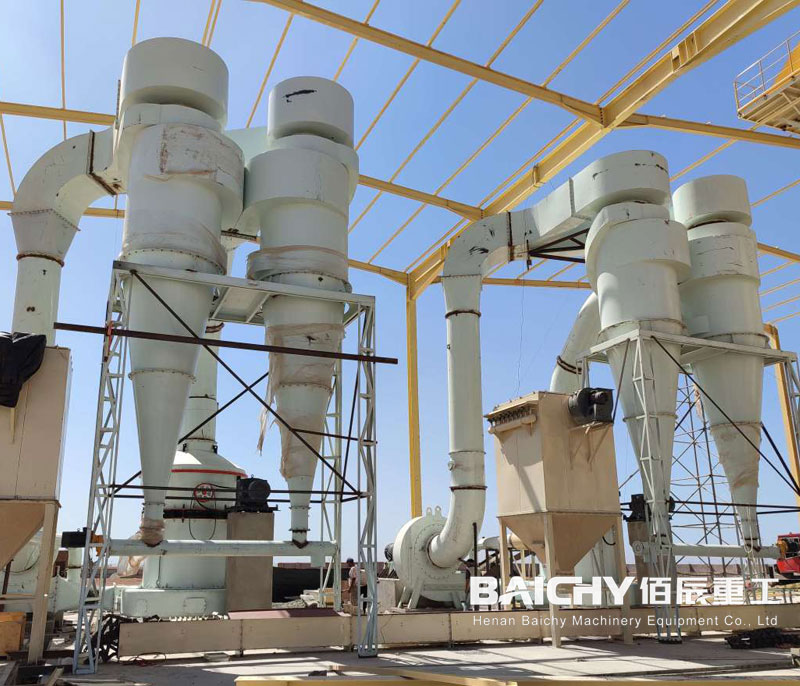
Dry grinding mills are engineered for applications where moisture-sensitive materials or dry end products are required, such as quarry operations where water usage is limited or following processes demand dry powder. These mills use air classification to control particle size and often require dust collection systems to meet environmental standards. Precision-engineered custom mills, on the other hand, are tailored to unique processing challenges—whether handling ultra-hard materials, achieving extremely fine particle sizes, or integrating with existing production lines. Manufacturers like Metso and NETZSCH specialize in these custom solutions, ensuring compatibility with specific raw materials and production goals.
How Grinding Mill Plants Work—Principles & Processes
1. Basic Working Mechanism
Grinding mill plants operate on the fundamental principle of mechanical force: impact, compression, and shear work together to break down raw materials into smaller particles. The core components of a mill—including the rotating cylinder (or chamber), grinding media (balls, rods, or the material itself), a drive system (motor and gearbox), and a classification device—work in harmony to achieve consistent results. As the cylinder rotates, grinding media cascade or roll, impacting and grinding the feed material; the classifier then separates particles that meet the desired size, returning oversized particles for further grinding. This synergy ensures efficient processing while maintaining product uniformity.
2. Typical Process Flow & Dry vs. Wet Grinding Differences
A standard grinding mill plant process follows a logical sequence: raw material pretreatment (crushing and screening to remove impurities and adjust particle size), feeding into the mill via a controlled system, grinding to the target fineness, classification to separate 合格 particles, and collection of the final product. A key distinction in processing is the choice between dry and wet grinding. Dry grinding occurs without liquid media, using air to carry and classify particles—ideal for moisture-sensitive materials or when dry powder is the end product. It offers simpler process flow and lower initial investment but may require dust control measures. Wet grinding uses water or other liquids to facilitate grinding, preventing particle reunite and enabling ultra-fine particle production. While wet grinding boasts higher energy efficiency and better particle uniformity, it may require additional drying steps and wastewater treatment systems. The choice depends on material properties, product requirements, and environmental considerations.
Applications & Real-World Cases of Grinding Mill Plants
1. Core Application Areas
Grinding mill plants are indispensable across three primary sectors. In metal mining, they process iron, copper, and gold ores to liberate valuable metals for extraction. In non-metallic mineral processing, they produce powders like calcium carbonate (used in plastics and paper) and quartz sand (for glass manufacturing). The construction industry relies on these plants to grind cement clinker, limestone, and gypsum into the fine powders essential for concrete, mortar, and other building materials. Beyond these core areas, grinding mill plants support chemical processing, pharmaceutical production, and environmental remediation—highlighting their versatility.
2. Practical Industry Cases
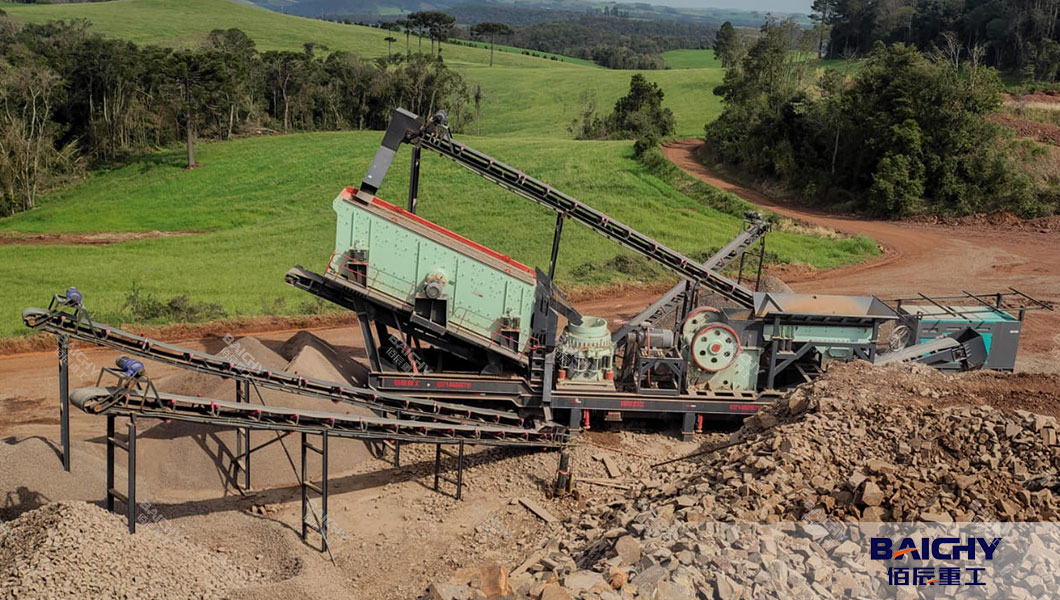
Grinding mill plants are used globally in mining and mineral processing industries. For example, copper and gold plants often combine SAG mills with ball mills for high throughput and fine grinding. Limestone and calcium carbonate plants typically employ ball or ring-roller mills for powder production. Practical insights from plant operations highlight the importance of proper installation, commissioning, and ongoing maintenance. Efficient grinding requires monitoring mill load, optimizing grinding media, and periodically inspecting liners and wear parts. Operators also employ automation and process control to maintain consistent product quality and minimize downtime.
Choosing the Right Grinding Mill Plant—Selection & Configuration Guide
Key Selection Criteria
Selecting a grinding mill plant requires careful consideration of three critical factors: raw material characteristics (hardness, moisture content, and initial particle size), production requirements (desired output capacity and particle size distribution), and operational constraints (available space, energy costs, and environmental regulations). For example, hard ores may require robust ball mills or SAG mills, while moisture-sensitive materials demand dry grinding solutions. High-capacity mines benefit from AG/SAG mills, while small-scale operations may opt for compact ring roller mills. Environmental standards, such as dust and noise limits, also influence equipment choice—with modern mills incorporating efficient dust collectors and sound insulation to comply with regulations like ISO 16089 and EPA’s Subpart OOO.
Top Manufacturers & Product Recommendations
Leading manufacturers offer specialized solutions to meet diverse needs. Metso provides a full range of AG/SAG mills, ball mills, and stirred mills, known for reliability in large-scale mining operations. Mesto focuses on custom grinding, dispersing, and classifying systems, ideal for high-purity and ultra-fine grinding applications. Baichy Machinery specializes in gridning roller mills and ball mills tailored to the construction industry, offering cost-effective solutions for cement and powder production. Modern Process Equipment (MPE Chicago) delivers precision-engineered mineral grinding machines, with custom options for unique processing challenges. When evaluating products, consider factors like energy efficiency, maintenance requirements, and after-sales support to ensure long-term value.
Installation, Maintenance & Operational Management
1. On-Site Installation Key Steps
Installing a grinding mill plant requires careful planning and execution to ensure safety and performance. For dry grinding mills—common in quarries—the process typically involves site preparation (leveling and foundation construction), mill placement and alignment (critical for reducing vibration and wear), assembly of auxiliary equipment (conveyors, classifiers, and dust collectors), and system testing. Key considerations include ensuring proper motor and gearbox alignment, calibrating the feeding system for consistent material flow, and verifying safety guards meet ISO 16089 standards. Common challenges during installation include space constraints, alignment issues, and integrating with existing infrastructure—solutions often involve modular design, precision measurement tools, and collaboration with experienced installation teams.
2. Routine Maintenance & Troubleshooting
Regular maintenance is essential to maximize the lifespan and efficiency of a grinding mill plant. Key tasks include monitoring and replacing grinding media (balls, rods) to prevent excessive wear, inspecting and lubricating the drive system (motor, gearbox, and bearings) to reduce friction, and cleaning the classification system to maintain accurate particle size control. Troubleshooting common issues—such as reduced capacity, uneven particle size, or excessive energy consumption—often involves checking feed rate, adjusting classifier settings, or inspecting for mechanical damage. Energy optimization is another critical aspect: techniques like optimizing feed composition, adjusting mill speed, and using genetic algorithm-based parameter tuning can reduce energy use by 15-20% while maintaining product quality.
3. Safety & Environmental Compliance
Safety in grinding mill plants is governed by international standards like ISO 16089, which outlines requirements for guards, emergency stops, and operator training. Key safety measures include installing interlocked guards for moving parts, implementing noise reduction systems (such as sound enclosures), and providing personal protective equipment (PPE) for operators. Environmental compliance involves managing dust emissions (using high-efficiency filters) and wastewater (for wet grinding plants) to meet regulations like the EPA’s Subpart OOO for nonmetallic mineral processing facilities. Additionally, proper waste disposal of worn grinding media and process residues ensures adherence to sustainability guidelines.
The grinding mill plant industry is evolving rapidly, driven by the need for greater efficiency, sustainability, and intelligence. Intelligent control systems—integrating automation, real-time monitoring, and AI—allow for precise regulation of feed rate, mill speed, and classification, optimizing performance and reducing human error. Energy-saving designs, such as improved mill liners, efficient drive systems, and waste heat recovery, are becoming standard, addressing the high energy consumption of grinding processes (which account for up to 38% of industrial energy use in mining). Innovations like low-friction bearings and variable-frequency drives further reduce operational costs. As technology evolves, future grinding plants will increasingly adopt automation, advanced sensors, and energy-efficient designs to meet the growing demand for sustainable mineral processing solutions.




 2026-09-17





 86-15093113821
 86-15093113821