In the modern construction and demolition (C&D) industry, handling heavy waste material has become incredibly expensive. Landfill fees are skyrocketing every year, and paying a fleet of dump trucks to haul away broken concrete destroys your project’s profit margins. Fortunately, smart contractors have found the ultimate solution: on-site concrete recycling. By processing demolition debris directly where it falls, you can turn useless trash into valuable building material. At the heart of this highly profitable operation sits one essential machine: the heavy-duty jaw crusher.
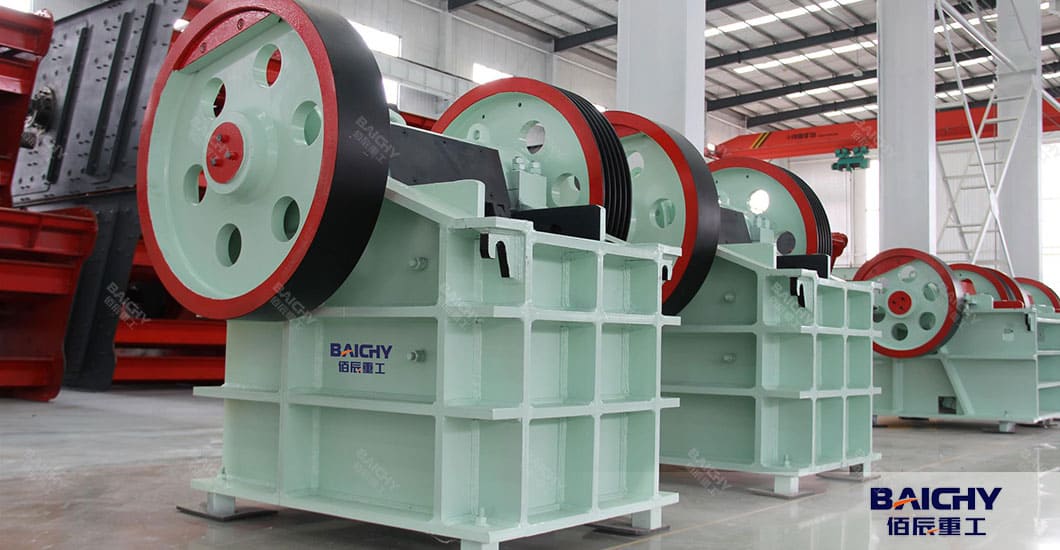
Why is the Jaw Crusher the Best Choice for Concrete Recycling?
When it comes to processing massive chunks of demolition waste, not all crushers are built the same. If you choose the wrong equipment, you will face constant, expensive breakdowns. The jaw crusher, however, is universally recognized as the "king of primary reduction" for C&D recycling. Its simple, rugged design and immense power make it perfectly suited for the harsh realities of urban demolition sites. Here is exactly why contractors heavily prefer this machine.
1. Handles Reinforced Concrete with Ease
One of the biggest nightmares in concrete recycling is hidden steel rebar and thick wire mesh. If you feed heavily reinforced concrete into a high-speed impact crusher, the steel will instantly tangle around the spinning rotor, causing catastrophic damage. A jaw crusher works completely differently. It uses a slow, deliberate compressive force to squeeze the concrete until it shatters. This powerful squeezing action easily breaks the hard cement apart while simultaneously loosening the long steel rebar, allowing it to safely drop through the bottom of the machine without jamming.
2. Heavy-Duty Primary Reduction
Demolition projects frequently produce massive, awkwardly shaped chunks of waste. Thick building foundations, wide bridge decks, and heavy concrete pipes are incredibly difficult to manage. A jaw crusher features a gigantic, V-shaped feed opening designed specifically to swallow these massive pieces whole. It acts as the ultimate primary crusher, taking giant boulders of waste and effortlessly reducing them down to a manageable 3-inch or 4-inch gravel in just one single pass.
Minimal Dust and Machine Wear
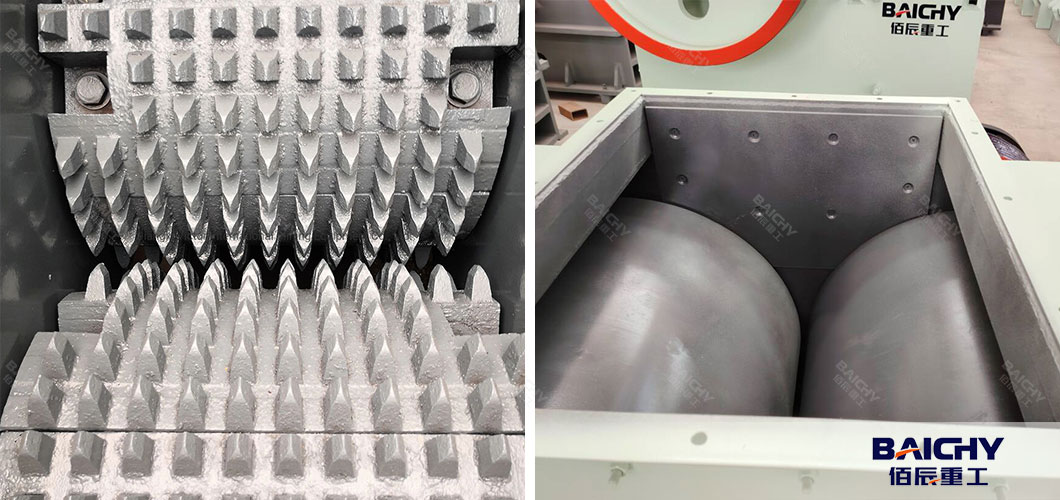
Concrete is naturally very hard, and old bricks can be highly abrasive. High-speed impact crushers create massive amounts of airborne dust when processing these dry materials, and their internal steel blow bars wear out extremely fast. Because a jaw crusher simply squeezes the rock rather than violently striking it at high speeds, it generates significantly less dust. Furthermore, the thick, high-manganese steel jaw plates experience very little friction wear, drastically lowering your daily maintenance costs.
The Financial Benefits of Recycling Concrete On-Site
Purchasing a heavy-duty jaw crusher is a significant investment, but the financial returns are almost immediate. When you start recycling concrete directly on your job site, you completely eliminate two of your largest daily expenses: transportation and disposal. You no longer have to pay drivers to haul heavy waste across the city, nor do you have to pay steep tipping fees at the local landfill. The waste simply stays on your site.
Even better, the jaw crusher transforms that expensive waste into a highly valuable commodity. The crushed concrete becomes premium, recycled aggregate. You can immediately use this material as structural backfill or a sturdy road base for your own project, saving you the massive cost of buying new gravel from a distant quarry. If you crush more material than you actually need, you can easily sell the clean, recycled aggregate to other local contractors for a pure, 100% profit.
Types of Jaw Crushers for C&D Recycling
Every demolition project is different. A massive commercial teardown requires different equipment than a small residential driveway removal. Fortunately, jaw crushers come in several different configurations to perfectly match your specific operational needs and site constraints.
1. Small Portable Jaw Crushers
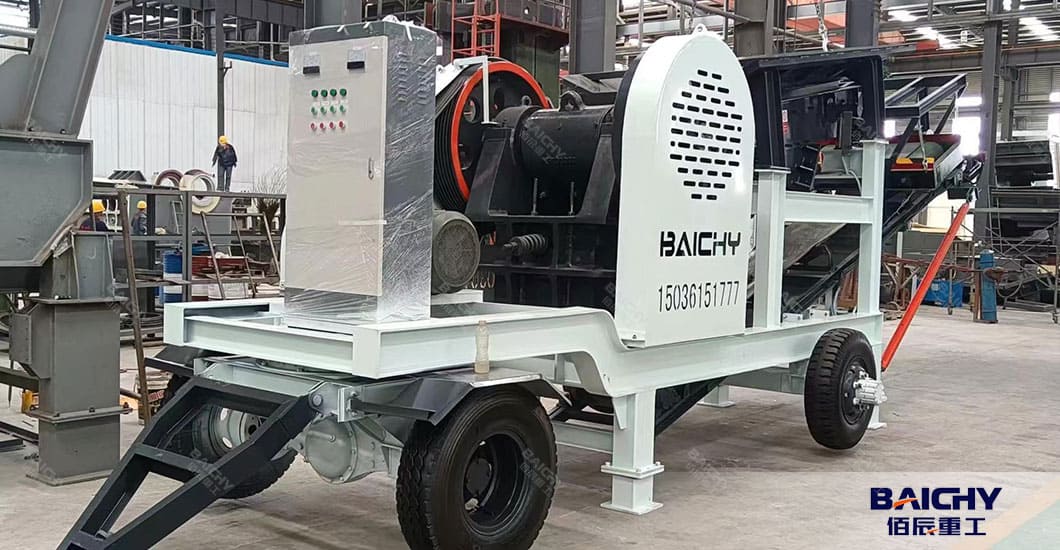
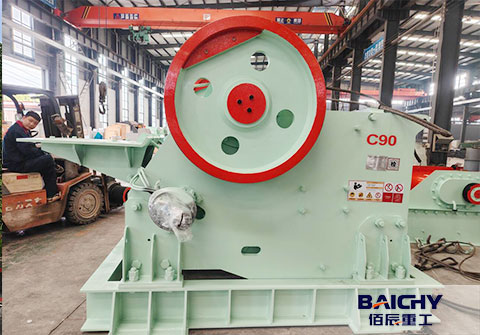
If you work primarily in tight, crowded urban areas or handle small residential renovations, a portable jaw crusher is your best option. These highly compact machines are mounted on a wheeled chassis and can easily be towed behind a heavy-duty pickup truck. They are incredibly easy to maneuver into tight city lots. Despite their small footprint, they feature highly wear-resistant steel jaws that aggressively shatter tough materials into reusable gravel. Also jaw crushers provide aggressive crushing power, allowing small contractors to recycle concrete without the massive price tag of a full industrial plant.
2. Tracked Mobile Jaw Crushers
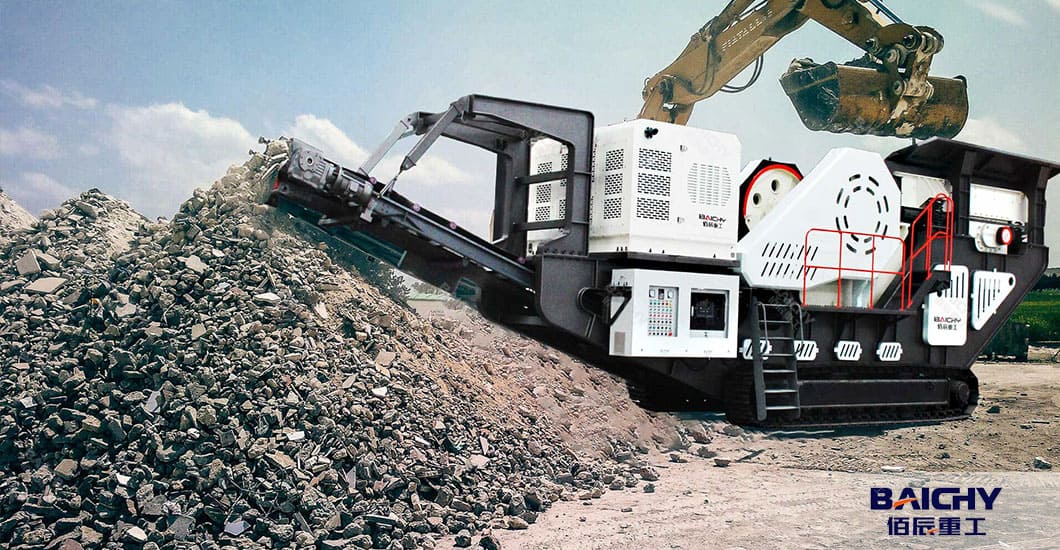
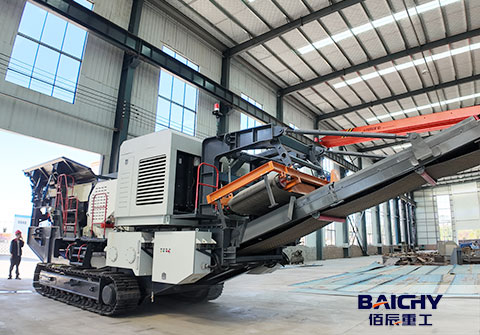
Tracked mobile jaw crushers are the absolute powerhouses of the professional recycling industry. Driven by their own powerful diesel engines and mounted on heavy-duty crawler tracks, these machines can easily navigate through thick mud and debris using a simple wireless remote control. They simply follow the excavator around the demolition site, crushing concrete right where it falls. Most importantly, these large mobile plants usually feature integrated magnetic separators to automatically pull thick steel rebar out of the crushed concrete.
3. Stationary Modular Jaw Crushers
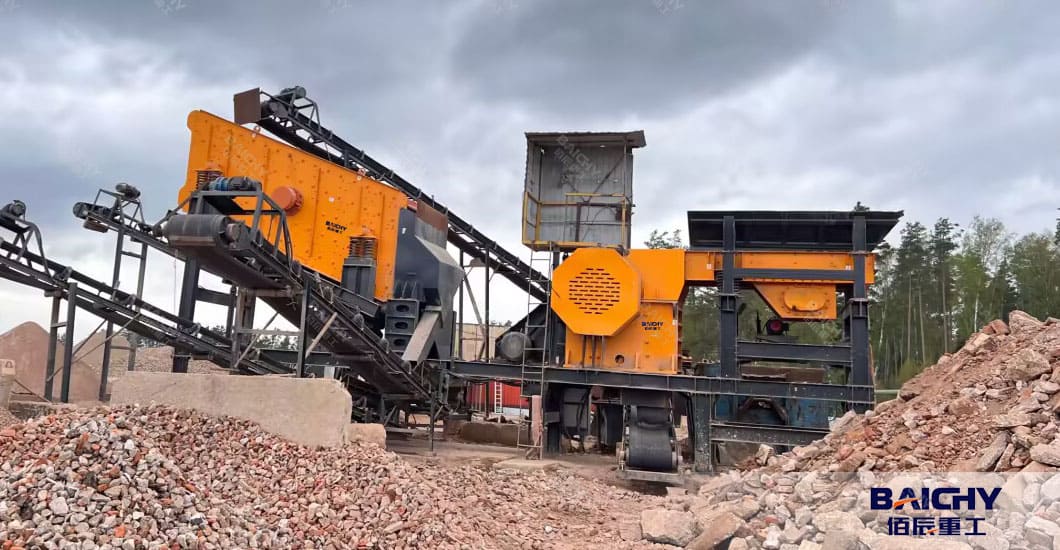
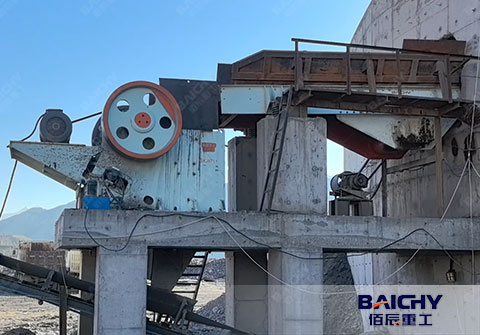
For dedicated, permanent municipal recycling centers, a stationary or modular jaw crusher is the most efficient choice. These massive units are built to process incredible volumes of C&D waste every single day. While they lack the mobility of tracked or wheeled units, they offer the highest possible tons-per-hour (TPH) capacity. They are specifically engineered to process unbelievable volumes of heavy construction waste every single day. Because they run directly on the local electrical grid rather than expensive diesel fuel.
How to Set Up a Complete Concrete Recycling Line?
To maximize the value of your recycled concrete, you need more than just a crusher. You need a complete, efficient workflow. First, the jaw crusher performs the primary crushing, reducing the giant slabs to 4-inch chunks. Second, the material passes under a powerful overband magnet to cleanly extract all the steel rebar. Finally, the clean concrete flows over a vibrating screen to separate the fine dirt from the premium coarse gravel. This simple three-step process guarantees you produce a high-quality, sellable aggregate.
Baichy Machinery Success Story: Concrete Recycling in Malaysia
Recently, a large demolition contractor in Kuala Lumpur, Malaysia, faced skyrocketing landfill fees while tearing down an old commercial shopping plaza. The concrete was heavily laced with thick steel rebar, making disposal a financial nightmare. They contacted Baichy Machinery for a solution. We supplied them with a heavy-duty Tracked Mobile Jaw Crusher equipped with a powerful magnetic separator.
The machine was driven directly onto the crowded city site. The excavator fed the massive, steel-reinforced slabs straight into the jaw. The crusher easily snapped the tough concrete, while the magnet cleanly extracted tons of scrap steel wire and rebar. In just three weeks, the contractor produced over 15,000 tons of clean road base. They completely eliminated their disposal fees and generated massive extra revenue by selling both the scrap steel and the recycled gravel to a nearby highway project.
A jaw crusher is the ultimate key to unlocking massive profits hidden inside your demolition waste. By bringing a mobile or portable crusher to your job site, you protect the environment, eliminate dumping fees, and create your own valuable building materials. Contact the expert engineering team at Baichy Machinery today! We will help you find the perfect mobile or portable jaw crusher tailored exactly to your recycling needs and budget.




 2026-09-29





 86-15093113821
 86-15093113821