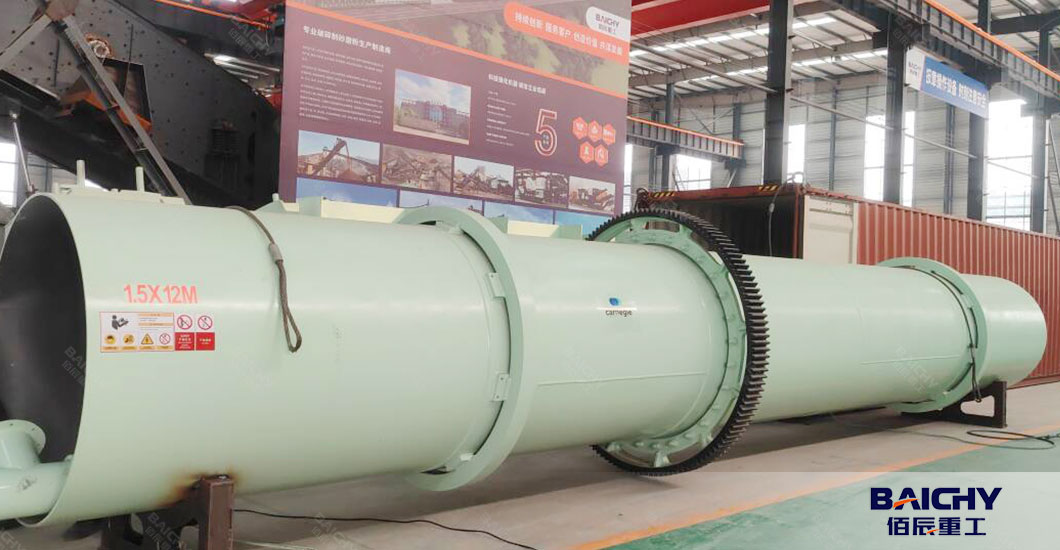
Sand dryers are widely used to dry river sand, yellow sand, and various types of artificial sand. They are valued for their simple structure, stable operation, large capacity, and wide applicability. However, one common issue operators face is high moisture content in the dried sand. Understanding the causes and solutions for this problem is essential for maintaining efficient production, improving product quality, and reducing energy costs.
Why Is the Dried Sand Still "Wet"?
The working principle of a rotary sand dryer is straightforward: hot air heats the sand to evaporate internal moisture, which is then carried away by the hot air to produce dry finished products. If the finished product has excessive moisture, the root cause is either "insufficient moisture evaporation" or "failure to discharge water vapor." Here are the 5 specific reasons:
1. Insufficient Hot Air Temperature – "Not Enough Heat to Dry"
This is the most common reason! Drying sand relies entirely on hot air "working hard." If the hot air temperature doesn’t meet the required standard, the moisture in the sand cannot evaporate quickly—just like trying to dry clothes with a low-temperature fire; no matter how long you bake them, they won’t dry thoroughly. This problem becomes more obvious in humid weather or when processing high-moisture raw materials.
2. Too Low Air Speed – "Water Vapor Gets Trapped Inside"
Hot air not only "heats" but also "carries away water vapor." If the equipment’s air speed is set too low, the hot air cannot fully come into contact with the sand. The evaporated water vapor cannot be discharged in time and will recondense on the sand surface, resulting in finished products that are "wetter after drying."
3. Overly Wet Raw Materials – "Exceeding the Equipment’s Default Capacity"
If the sand to be dried (e.g., river sand just fished out of the river) has extremely high moisture content, but the equipment is still operated with default parameters, it’s like "a small horse pulling a big cart"—insufficient heat and drying time make it impossible to reduce the moisture to the qualified standard.
4. Too Short Drying Time – "Sand Doesn’t Stay Long Enough in the Drum"
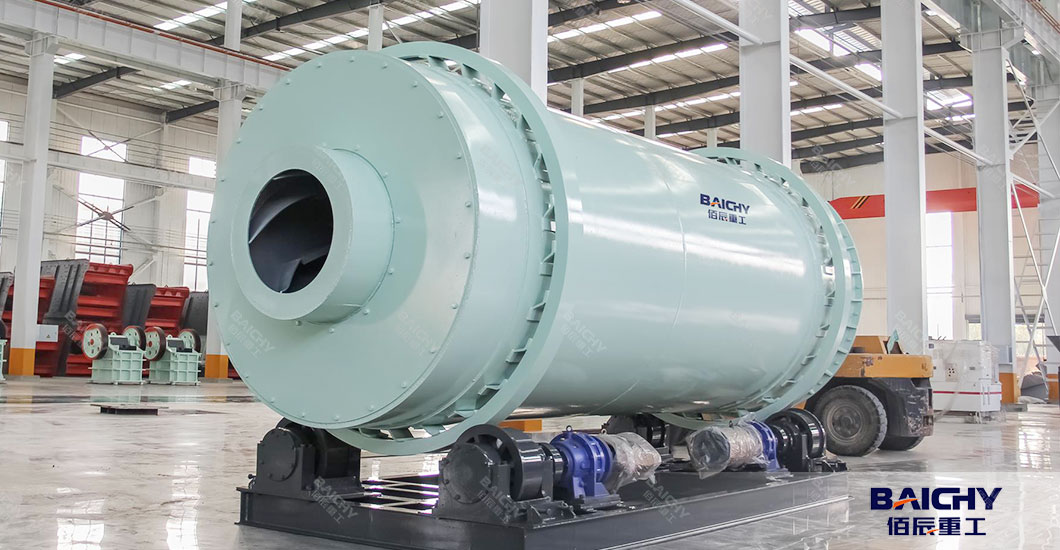
The rotation speed of the sand dryer’s drum determines the sand’s residence time: if the speed is too fast, the sand "flashes by" in the drum and is discharged before moisture can fully evaporate; on the contrary, a moderate rotation speed allows the sand to fully contact the hot air, ensuring complete moisture evaporation.
5. Operators Lack "Flexible Adjustment" – "Fixed Parameters"
Many users continue to use default parameters after purchasing the equipment and fail to adjust them according to actual conditions. For example, operating with sunny-day parameters on rainy days (when air humidity is high) or when raw materials are wetter than usual will inevitably affect drying results—just like cooking, where fire intensity and cooking time need to be adjusted based on the amount of ingredients; fixed settings often lead to "undercooked" results.
Targeted Solutions – 5 Ways to Fix Excessive Moisture Quickly
Once the cause is identified, solving the problem is simple. Each method corresponds to one issue, with clear steps that anyone can follow:
1. Boost Hot Air: Adjust Inlet Temperature and Air Volume
If the hot air temperature is insufficient, directly increase the inlet temperature via the equipment’s control panel (refer to the user manual for specific values or adjust gradually based on finished product moisture). You can also appropriately increase the air intake to allow more hot air into the drum, enhancing overall drying heat. Additionally, monitor the exhaust temperature and optimize thermal efficiency by adjusting the temperature difference between inlet and exhaust air—in simple terms, "ensure the incoming air is hot enough and the outgoing air can carry away water vapor in time."
2. Increase Air Speed: Set to the Recommended Value (Approx. 0.5m/s)
Low air speed causes water vapor retention. Adjust the air speed to around the equipment’s recommended 0.5m/s (varies slightly by model; follow the user manual). With proper air speed, hot air can pass through the sand layer more efficiently, quickly carrying away evaporated moisture and preventing recondensation.
3. Handle Wet Raw Materials: "Turn Up the Heat" or "Slow Down" to Extend Drying Time
For high-moisture raw materials, there are two simple solutions: first, appropriately "increase the heat" to raise the hot air temperature and enhance drying capacity; second, reduce the drum rotation speed to extend the sand’s residence time—just like drying overly wet clothes: either increase the dryer temperature or extend the drying time to ensure complete moisture evaporation.
4. Calibrate Equipment Parameters: Match Speed and Temperature to Raw Materials
Different moisture levels of sand require different drying parameters. It’s recommended to test a small batch of raw materials before each operation: if the finished product is too wet, slightly reduce the rotation speed (to extend residence time) or increase the temperature; if the finished product is too dry (which may waste energy), slightly increase the rotation speed or lower the temperature. Continue adjusting until you find the optimal parameters for the current raw materials, then use these as the standard for production.
5. Improve Operational Flexibility: Adjust Based on Weather and Raw Materials
Operators don’t need to understand complex principles, but they should be able to "adjust according to conditions": for example, on rainy days with high air humidity, slightly increase the temperature and reduce the rotation speed; if the raw materials are wetter than usual, extend the drying time; on sunny, dry days, increase the rotation speed to improve efficiency. In short, "dry longer for wet raw materials and boost heat for humid weather"—flexible adjustments are key to avoiding excessive moisture.
Practical Tips – 3 Small Details to Reduce Excessive Moisture
1.Raw Material Pretreatment: If the raw material has extremely high moisture content (e.g., over 20% water), spread it out to air-dry outdoors for 1-2 days first. Reducing the initial moisture before feeding it into the dryer reduces equipment load and improves drying efficiency.
2.Regular Equipment Inspection: Occasionally clean residual materials in the dryer drum to avoid clumping that hinders hot air circulation; check for air leakage in the hot air pipeline—leakage will lower the temperature and affect drying results.
3.Refer to the User Manual: Recommended parameters vary slightly by sand dryer model (e.g., the common triple-pass dryer). Prioritize adjusting according to the manufacturer’s instructions rather than operating blindly.
People Also Frequently Asked For - FAQ
1.Why is my sand dryer producing sand with high moisture content?
Answer: High moisture can result from insufficient hot air temperature, low airflow, overly fast drum rotation, or wet raw materials. Operator experience and equipment adjustments also affect drying efficiency.
2. How can I reduce the moisture content in sand without changing the dryer?
Answer: Adjust the hot air temperature, increase airflow, reduce drum rotation speed, or extend drying time. These changes help water evaporate more effectively without altering the equipment.
3. Does operator experience affect sand drying performance?
Answer: Yes. Skilled operators can monitor material moisture, temperature, and airflow, making timely adjustments to ensure optimal drying efficiency and consistent sand quality.




 2026-09-21





 86-15093113821
 86-15093113821